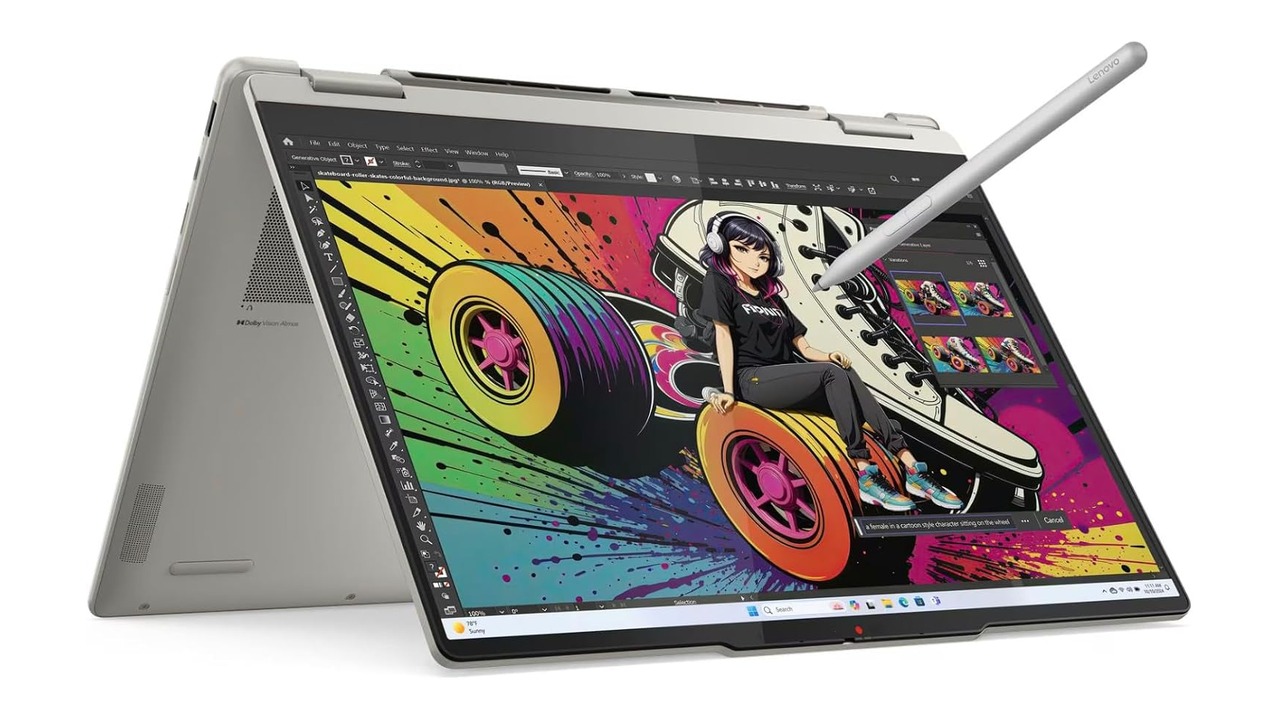


Our Top Pick: Certified Refurbished Devices from Major Retailers
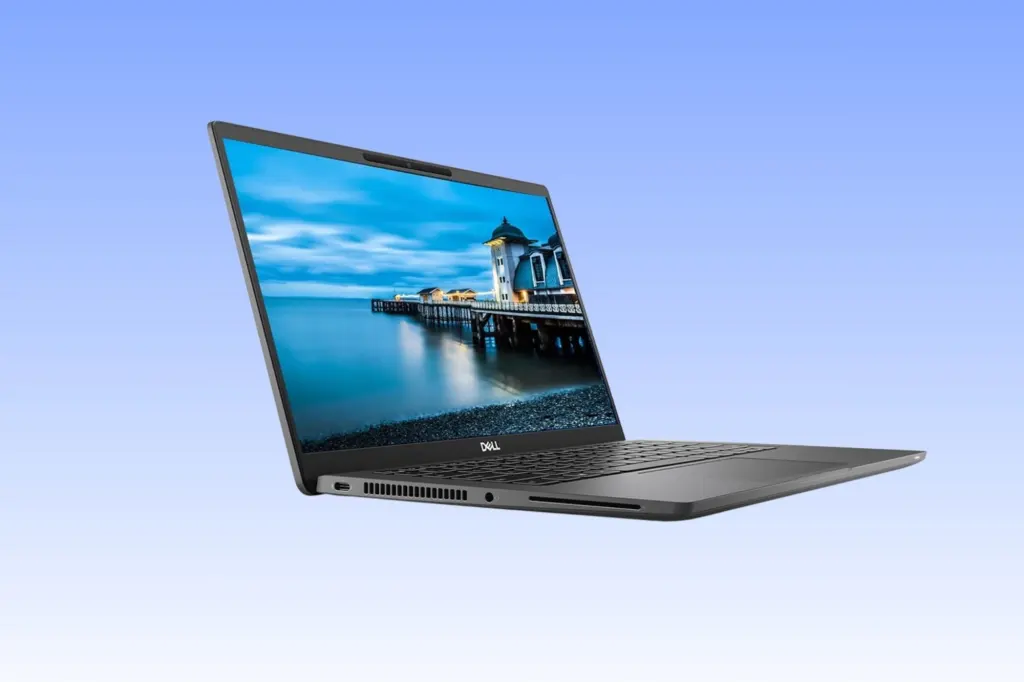
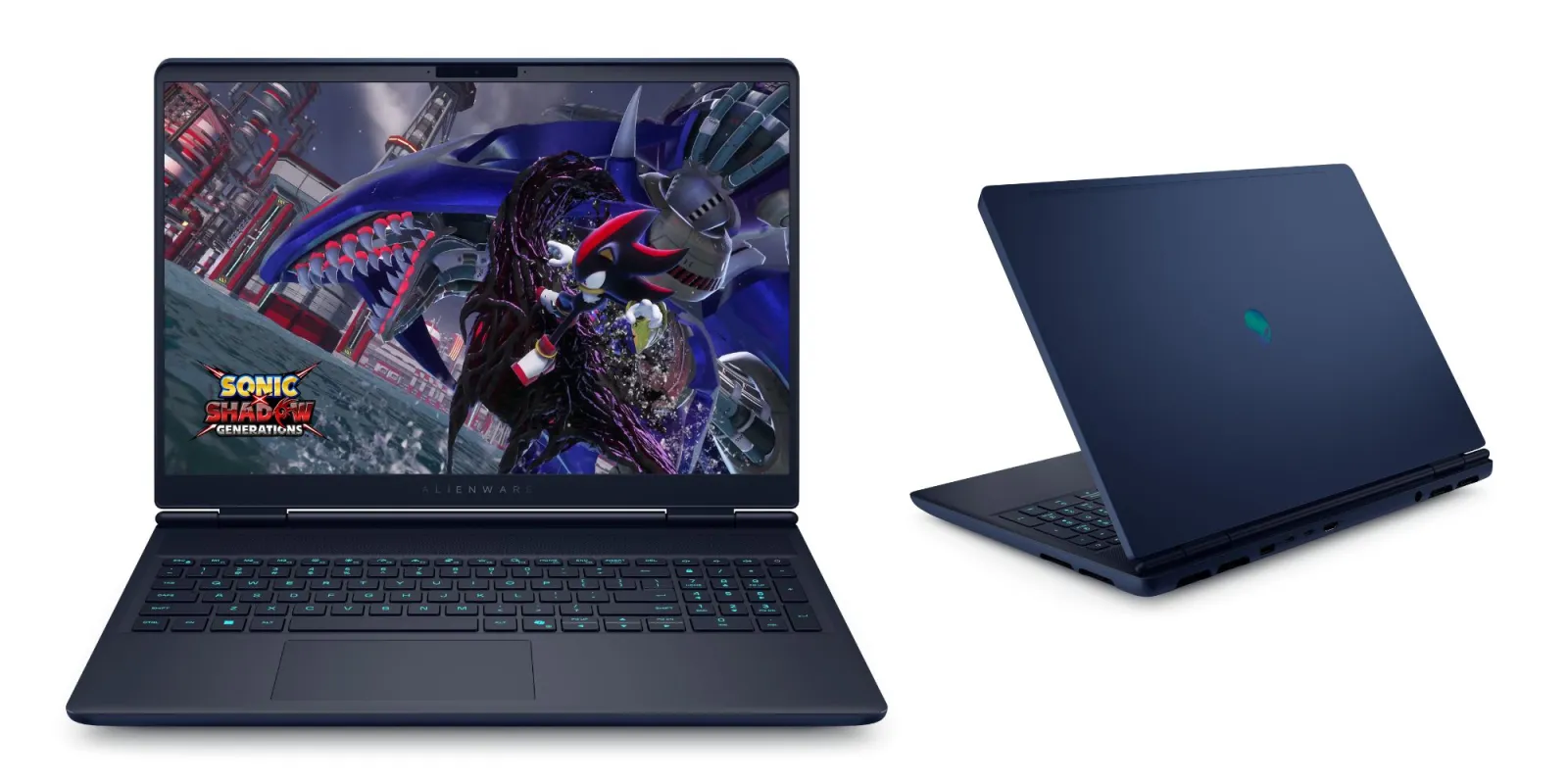
Refurbished and secondhand tech buying means choosing pre-owned devices that have been inspected, repaired if needed, and resold with clear condition ratings, saving money compared with new electronics while still giving you dependable performance and defined protections. For most people, the smartest move now is clear: choose certified refurbished devices from major retailers and brand-run outlets. These offer the best mix of secondhand electronics savings, warranty coverage, and hassle-free returns. Refurbished tech deals from these sellers are where budget tech buying meets peace of mind, especially as new laptop, phone, and tablet prices climb due to memory chip and RAM shortages. You get a professionally assessed device, access to back-to-school promotions on secondhand models, and far stronger protection than random peer-to-peer marketplaces, which often lack any warranty or return policy. In short: certified refurbished is the default choice for most buyers.

Why Secondhand Tech Is Surging Right Now
Secondhand tech is not a niche side market anymore; it is where mainstream buyers go when new prices feel too high. Rising component costs and a RAM shortage driven by increased use of AI are pushing new tech prices higher across phones, gaming consoles, computers and tablets. As a direct result, interest in refurbished products “shows no signs of slowing, especially amid a RAM shortage driven by increased AI use”. Surveys show that 30% of adults are now considering refurbished tech, and nearly 48% have looked at secondhand devices within the past year, often because newer models are too expensive. Refurbished tech deals are especially attractive for back-to-school shoppers who must buy laptops or tablets on tight budgets. Older devices avoid the newest chip costs, so they can still undercut brand-new models even as demand nudges refurbished prices upward.
How to Shop Refurbished Safely and Get Real Savings
To get the best secondhand electronics savings without headaches, treat this like a proper buying decision, not a gamble. First, prioritize seller reputation: buy from a certified retailer, a dedicated refurbished store, or a brand-run outlet you trust. These certified refurbished devices usually come with inspections plus limited-time warranties and money-back guarantees. Second, compare policies and prices across several major refurbished retailers and outlet sections; look closely at warranties, return windows, and key specs to lock in the strongest value. Third, check the item’s quality rating: condition labels like good or fair, visible dings or dents, and especially battery health matter greatly for phones and laptops. Finally, always pay with a credit card that offers purchase protection and keep receipts and tracking details, so you are covered if the device arrives damaged or gets lost shortly after delivery.
| Key Criterion | What to Look For | Why It Matters |
|---|---|---|
| Seller reputation | Certified refurbished retailer or brand outlet | Gives professional inspection and support if something goes wrong |
| Warranty and returns | Clear warranty period plus money-back return policy | Protects you from defects and misrepresented condition |
| Condition rating | Explicit grading (excellent, good, fair) plus notes on dings and dents | Helps you match price to realistic wear and tear |
| Battery life and age | Healthy battery and reasonably recent model with software upgrade support | Extends usable lifespan and keeps security features current |
Refurbished vs Secondhand Marketplaces for Back-to-School
If you are buying a laptop or tablet for school, certified refurbished retailers and brand refurb stores should be your first stop. Refurbished back-to-school tech still tends to cost less than new devices, and you can often stack limited-time refurbished tech deals with seasonal promotions. These sellers add real value through inspections, device grading, warranties, and money-back guarantees. Peer-to-peer platforms can sometimes beat outlet prices and throw in accessories, but they usually do not offer warranties, return policies, or professional assessments. That can leave you stuck with a device you are unhappy with. Experts explicitly advise against relying on informal marketplaces for most buyers, because they lack the protections needed if you are not satisfied. For back-to-school shoppers facing memory chip-driven price hikes, certified refurbished devices are the most reliable way to do budget tech buying without sacrificing school-year stability.
Buy if / Skip if
- Buy the certified refurbished device if you want secondhand electronics savings plus a warranty and clear return policy from a retailer you trust.
- Skip the certified refurbished device if you must have the absolute latest model and can already access new-device discounts that match refurbished pricing.
- Buy the certified refurbished device if you are a back-to-school shopper trying to control costs on laptops or tablets as memory chip prices rise.
- Skip the certified refurbished device if you are comfortable accepting more risk from peer-to-peer marketplaces that typically lack warranties and professional inspections.
- Buy the certified refurbished device if you care about battery health, software upgrade support, and professionally graded condition rather than guessing from a casual listing.