
The New GPU Reality: Old Cards, New Bargains
The current GPU pricing landscape is defined by generational overlap, where older Nvidia graphics cards return at launch prices and newer Blackwell models are discounted into the same brackets, breaking the usual performance-per-dollar ladder and forcing buyers to rethink what a budget or mid-range GPU really means.
Sixty-six months after launch, the RTX 3060 12GB has reappeared at retail for its original February 2021 MSRP of USD 329 (approx. ₱18,400), as if the last several generations never happened. At the same time, discounted RTX 5070 deals have pulled a higher-tier Blackwell GPU down to the same price as some RTX 5060 Ti 16GB models, while Amazon Prime–locked RTX 5060 offers push a new Nvidia budget GPU close to MSRP. Together, these GPU pricing anomalies flip the usual rulebook: newer no longer automatically means better value, and “mid-range” has drifted so far upward that older silicon can suddenly make more sense for many gamers.
RTX 3060 vs RTX 5060: When a Five-Year-Old Budget GPU Fights Back
The strangest twist in today’s market is that a resurrected Ampere card is muscling into the same conversation as Nvidia’s latest budget GPU. The RTX 3060 12GB has resurfaced at USD 329 (approx. ₱18,400), matching its 2021 launch price. Built on the mature Ampere architecture and using GDDR6, it sits outside the GDDR7 pricing pressure created by AI demand. That hardware context matters: the card’s 12GB of VRAM gives it breathing room in modern games and creator workloads where 8GB budgets start to pinch.
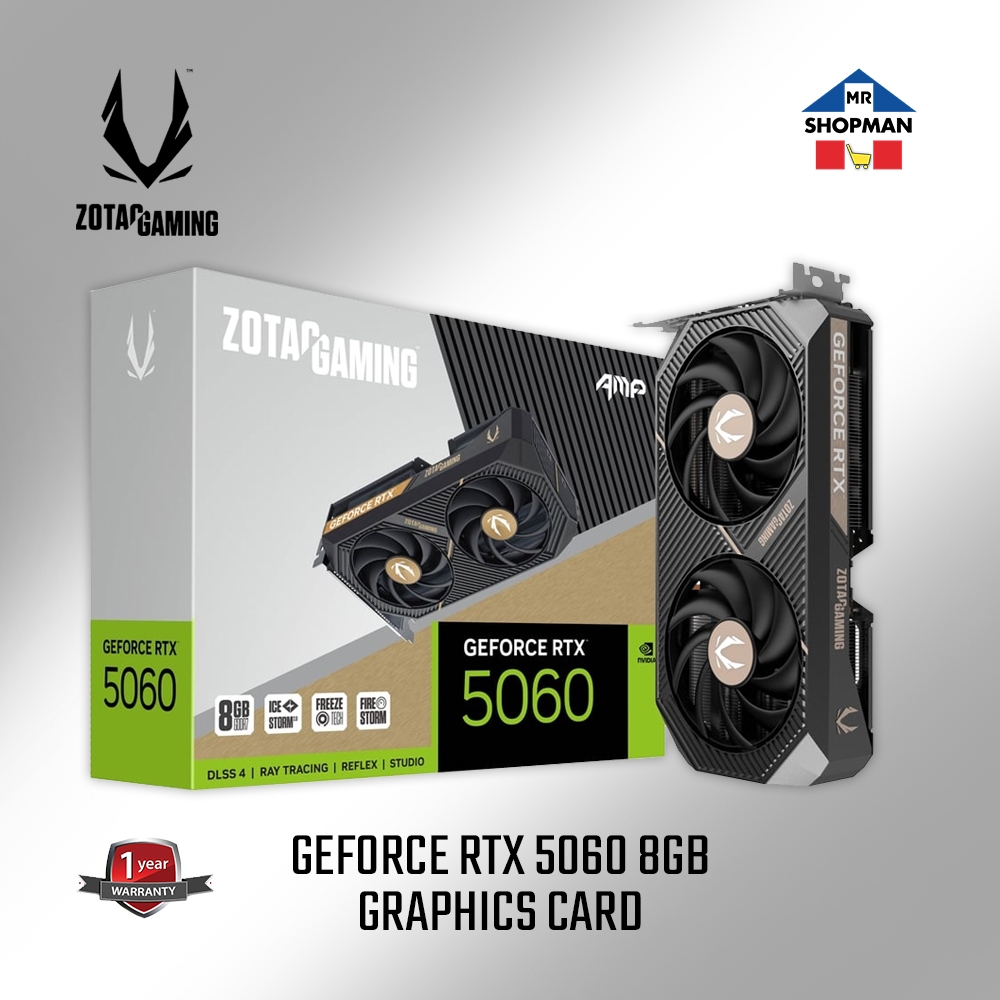
On raw speed, the RTX 5060 wipes the floor with it, often pulling 40–60% higher performance and adding newer encoders, Blackwell features, and DLSS 4.5 frame generation tricks. Yet the 5060’s 8GB framebuffer is an Achilles’ heel; in heavier titles and mixed workloads, the extra 4GB on the 3060 can matter more than a benchmark graph suggests. For those reasons, the RTX 3060 may be a better choice for builders whose workloads stretch beyond gaming into the places where the extra 4GB starts to make a difference. That is a damning verdict on how messy Nvidia budget GPU positioning has become.
RTX 5060 and Blackwell on the Cheap: Prime-Only, But Powerful
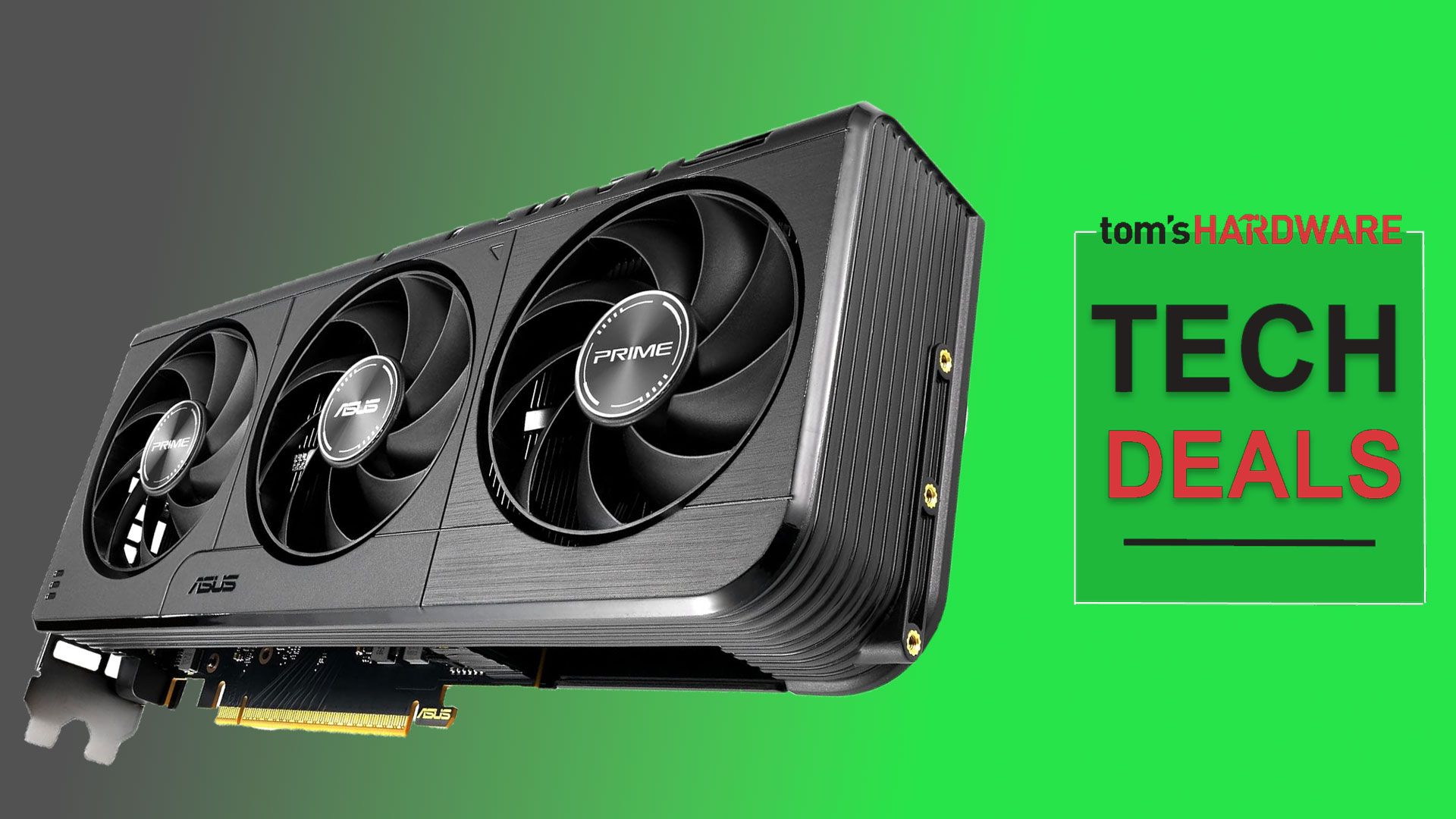
While the RTX 3060 quietly undercuts on memory, there is still a strong case for going new if you hit the right graphics card discounts. Amazon is running a targeted offer on an Asus RTX 5060 where eligible Prime members can grab the card for USD 301.62 (approx. ₱16,900), described as just USD 2 above MSRP. That price is lower than many RTX 3060 listings, which range from USD 329 to USD 359 (approx. ₱18,400–₱20,100). The catch? You must be a Prime subscriber and meet “other secret criteria” to see the deal.
If you are one of the lucky buyers, this is a rare low-friction path into Blackwell architecture at near-launch pricing. Despite having 8GB of VRAM, the RTX 5060 offers some of the strongest bang for the buck in its class thanks to its baseline Blackwell performance and support for DLSS 4.5 and MFG, when VRAM usage allows. In practical terms, that means smoother frame times, better upscaling, and a longer tail of feature support than any revived Ampere option. According to one review, “the smart money is definitely on the more modern Blackwell card” when the price gap to RTX 3060 disappears. The problem is that this smart money window is gated behind opaque retailer algorithms.
RTX 5070 vs 5060 Ti 16GB: Mid-Range Pricing Has Lost the Plot
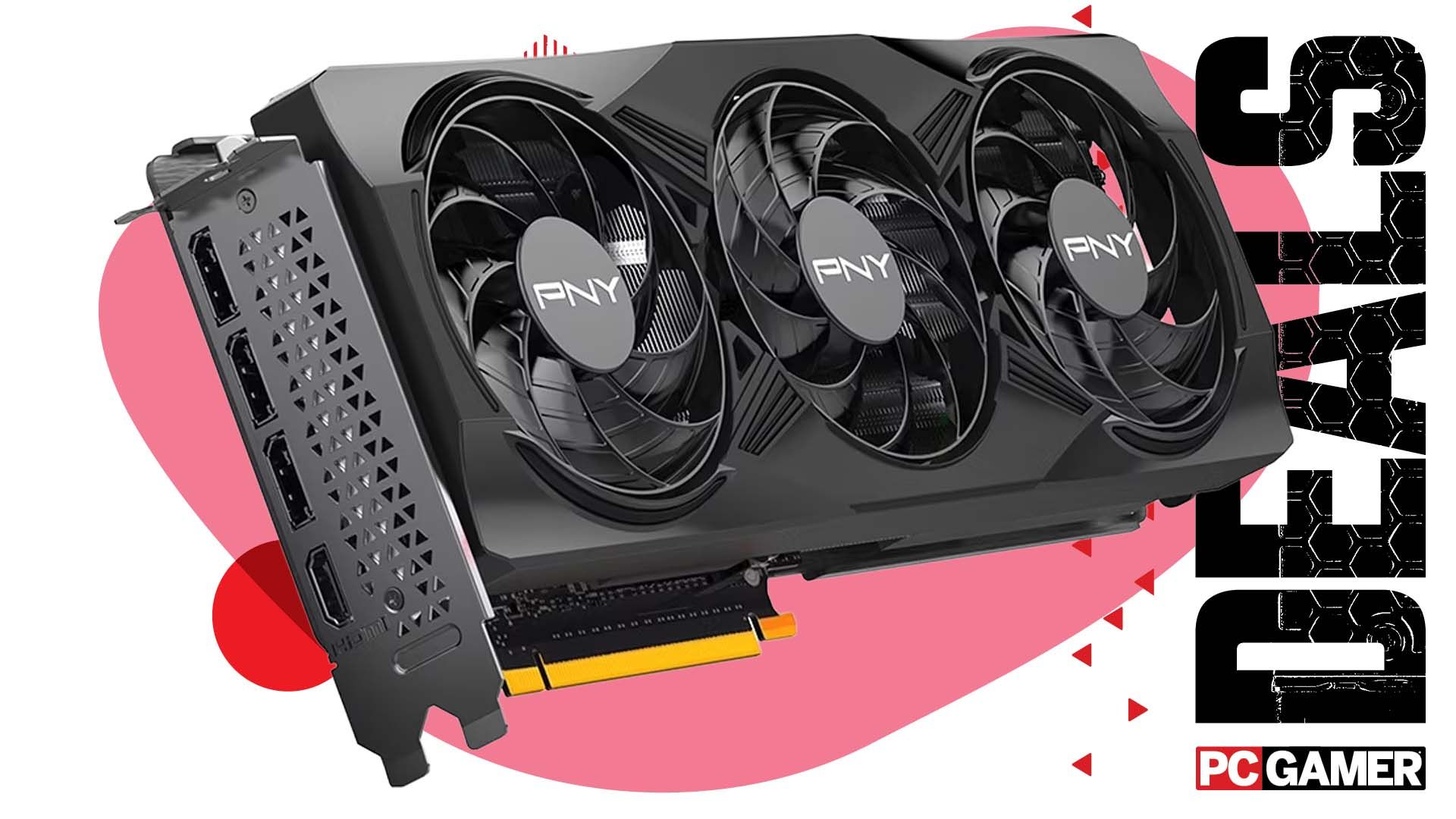
Move up to the mid-range and the value puzzle gets even stranger. Walmart is selling a PNY RTX 5070 for USD 560 (approx. ₱31,500), the cheapest this GPU has been all year and only USD 10 above its original MSRP. At that price, it becomes “your best bet for a GeForce graphics card” in the roughly USD 500 bracket for those unwilling to move to competing brands. The shock is that this RTX 5070 price now matches the cheapest RTX 5060 Ti 16GB available, erasing the usual generational hierarchy where Ti-branded lower-tier cards sit well below the next rung up.
Performance data makes the overlap look even more absurd. In 1080p tests across titles like Cyberpunk 2077 with RT Ultra and F1 24 at Ultra High, the RTX 5070 outperforms the RTX 5060 Ti 16GB by wide margins, often landing closer to rival higher-end cards while the Ti languishes behind. Yet both live in a crowded USD 500–600 (approx. ₱28,100–₱33,700) band where RX 9070 and RX 9070 GRE options also compete. So, yes, the RTX 5070 is actually a good deal right now, especially if you either do not want to spend extra on a higher-tier alternative or you have an unreasoned antipathy toward those competing GPUs. The 5060 Ti 16GB, priced alongside it, simply does not belong there from a performance-per-dollar perspective.
How to Exploit the Chaos: Buy Windows in a Collapsing Price Ladder
All of this points to a generational pricing collapse driven by inventory pressure and fierce retailer competition. One analysis frames the RTX 3060’s comeback as “more signs of market regression, but not necessarily bad news” for buyers. Another notes that the wider landscape has been barren for affordable upgrades, which makes both the targeted RTX 5060 offer and the sub-MSRP feel of RTX 5070 deals stand out even more. When a five-year-old card can undercut new silicon on VRAM, and a mid-range flagship matches the price of a weaker Ti variant, the market has stopped behaving in an orderly, generational way.
That chaos is an opportunity if you approach it strategically. In the lower tier, weigh 12GB of Ampere VRAM against the cleaner feature roadmap of Blackwell: the RTX 3060 can be the better GPU pricing anomalies pick for mixed gaming-plus-work, but the RTX 5060 becomes the obvious choice when graphics card discounts drag it under 3060 pricing. In the mid-range, if an RTX 5070 costs the same as a 5060 Ti 16GB, you buy the 5070—no exceptions. The generational labels on the box matter less than the performance-per-dollar snapshot on any given day. Right now, the smartest move is to ignore Nvidia’s product stack theory and buy wherever this broken ladder briefly lines up in your favor.