
The Pixel Foldable Problem: Good Ideas, Weak Execution
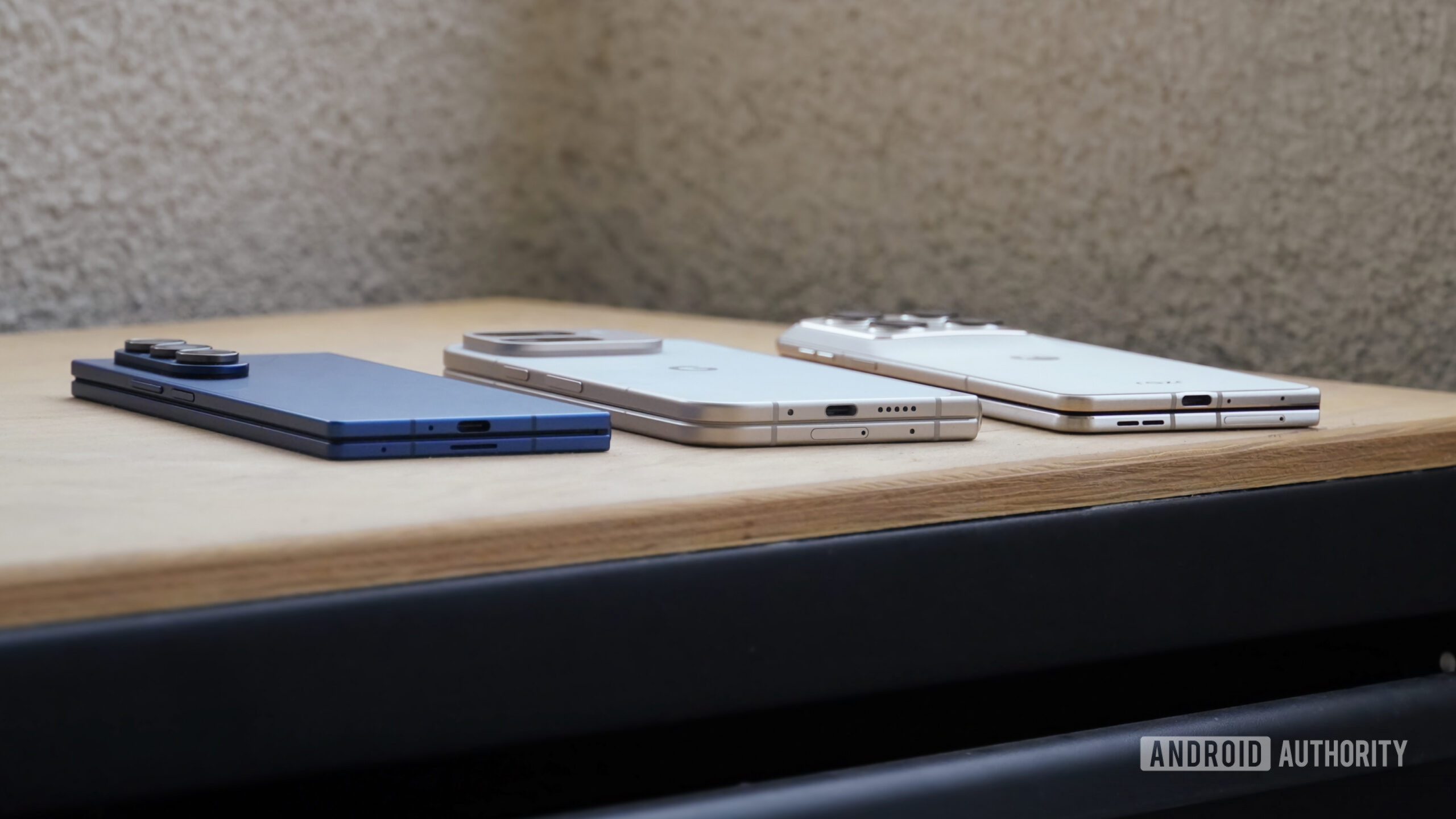
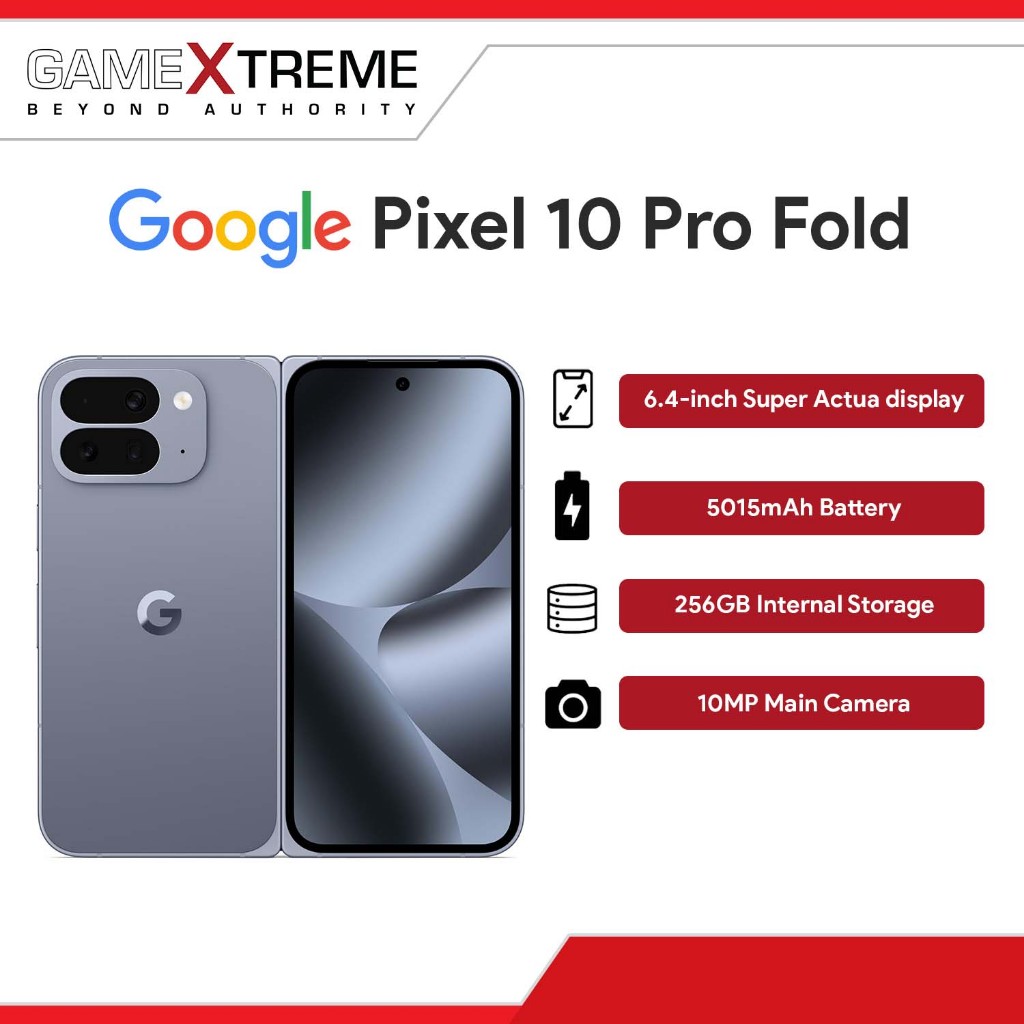
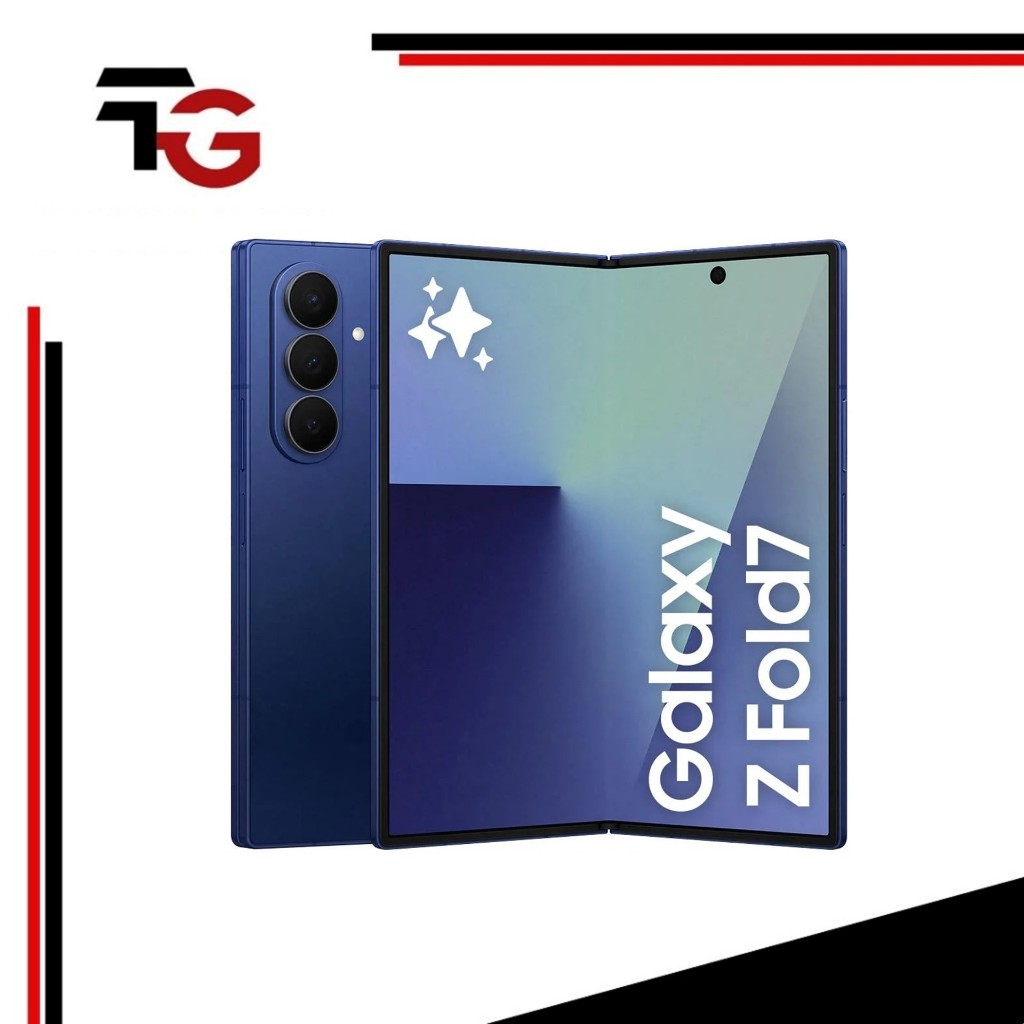
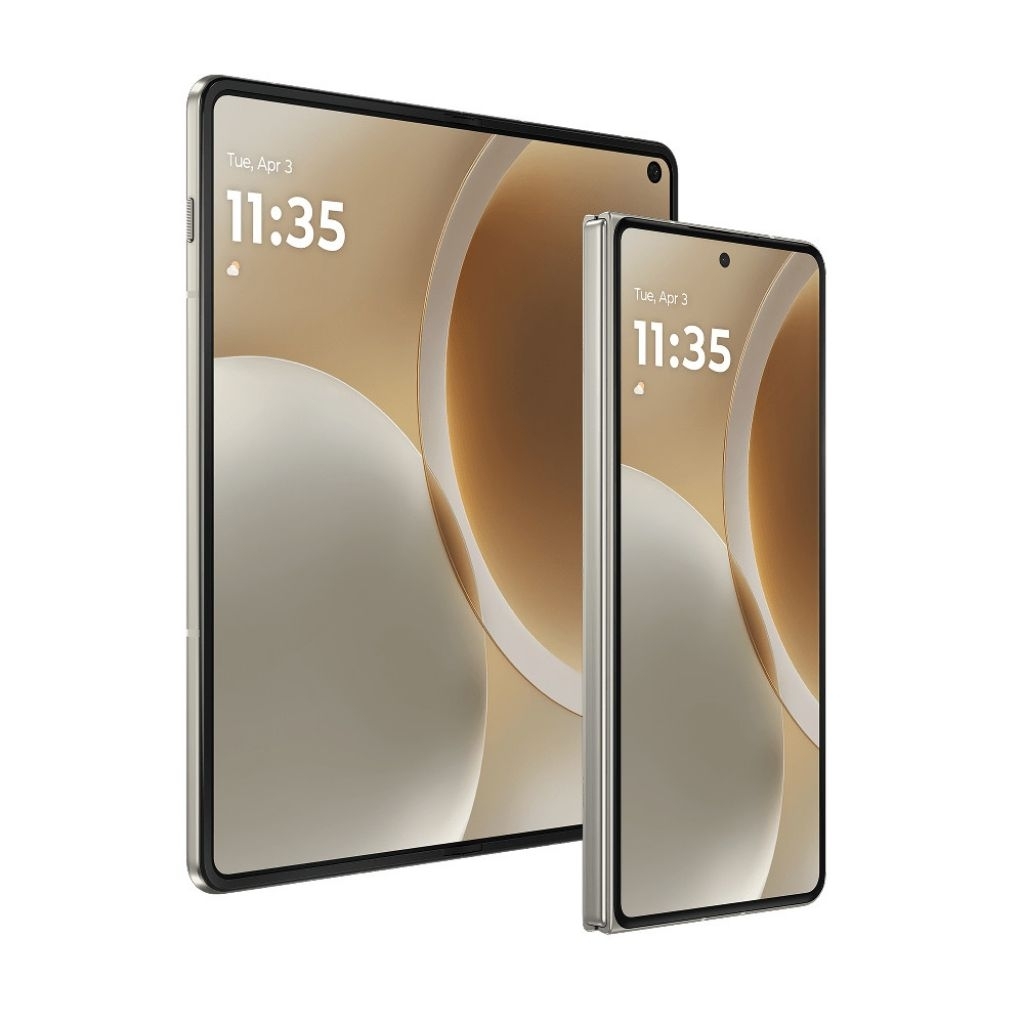
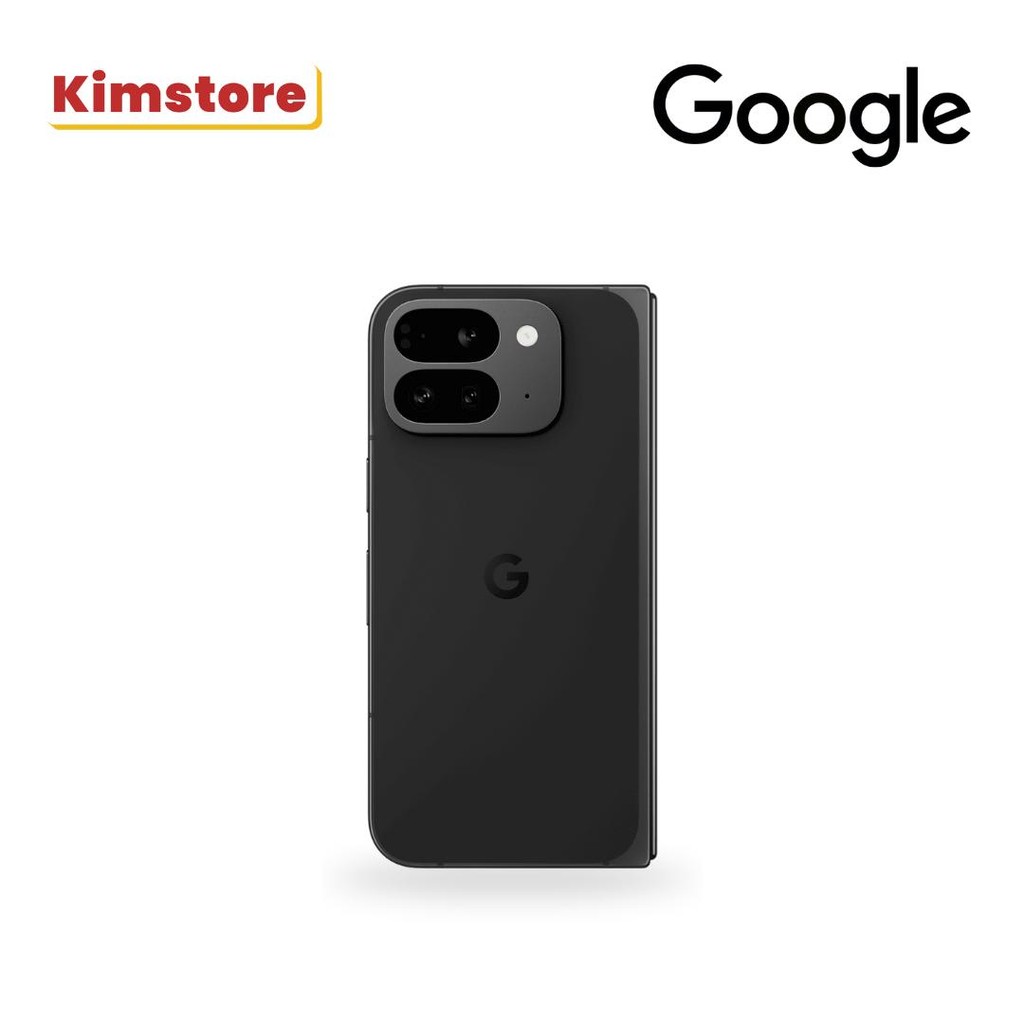
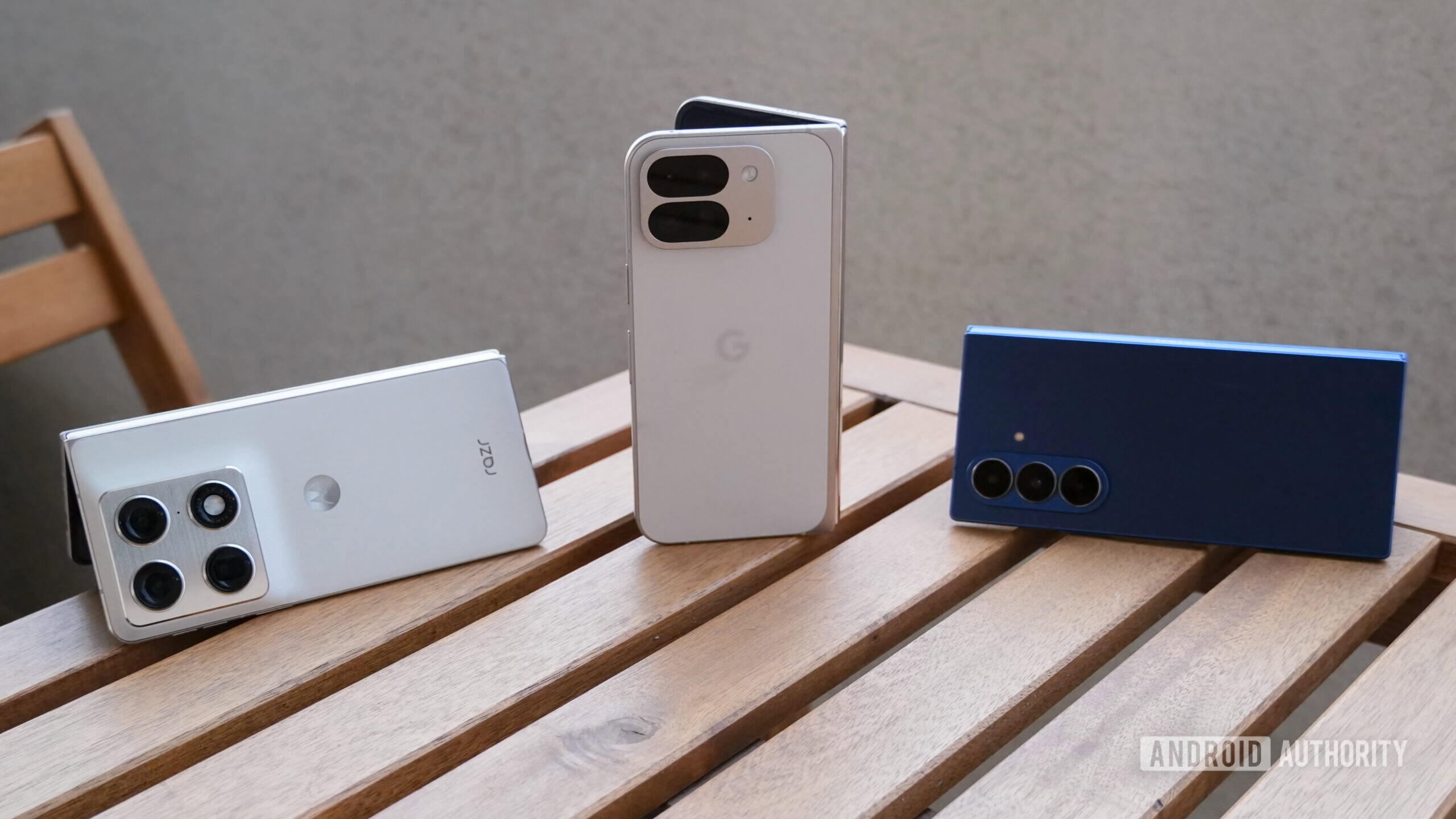
The Pixel 11 Pro Fold is Google’s upcoming large foldable phone, expected to refine the Pixel 10 Pro Fold with subtle design tweaks, updated hardware, and software changes so it can better compete with devices like Samsung’s Galaxy Z Fold 7 and Motorola’s Razr Fold in the increasingly crowded premium foldable market. Google’s foldables have always had appealing ideas: clean software, clever features like magnetic Qi2 charging, and strong water resistance. But using the Pixel 10 Pro Fold next to the Galaxy Z Fold 7 and Motorola Razr Fold exposes a hard truth: Google is behind where it matters most. You pay a premium for a foldable, and right now Samsung and Motorola deliver more polish, efficiency, and ambition. Early retail listings for the Pixel 11 Pro Fold show modest changes, such as a revised camera housing and 239g weight, plus a 6.5-inch 120Hz OLED cover display and up to 1TB of storage at USD 2,249 (approx. ₱126,000). That’s not enough by itself. Google needs six aggressive foldable phone upgrades or the Pixel 11 Pro Fold will repeat its predecessor’s mistakes.
Design and Power: Lighter Body, Bigger Battery, Faster Charging
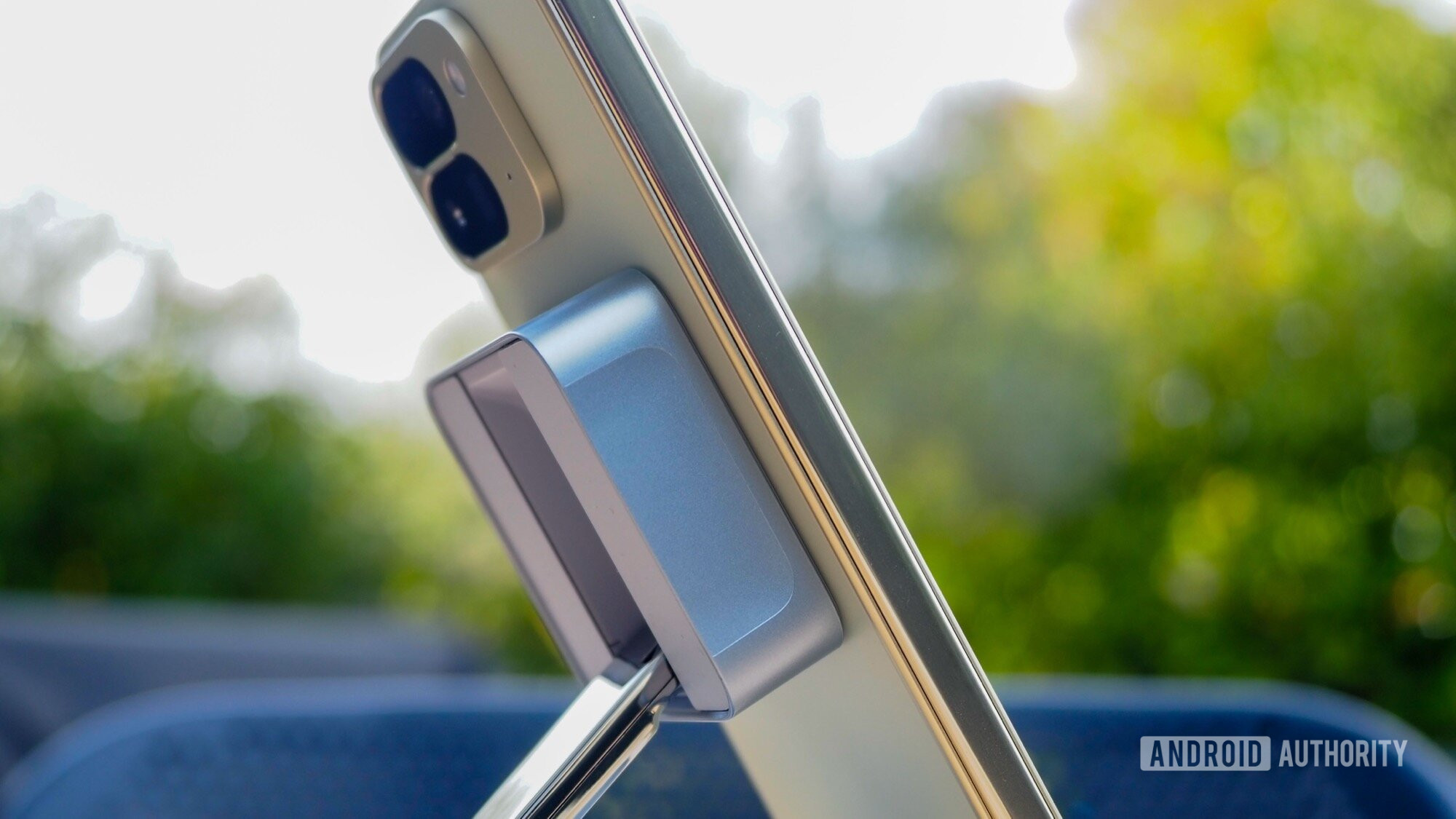
The first two upgrades are non‑negotiable: weight and power. The Pixel 10 Pro Fold tips the scales at 258g, even heavier than the Pixel 9 Pro Fold and a shocking 43g more than the Galaxy Z Fold 7 at 215g, plus 15g more than the Motorola Razr Fold at 243g. That makes day‑to‑day use feel like carrying a slab, especially when you remember the hinge corner still digs into your palm. Early Pixel 11 Pro Fold listings suggest Google is trimming that mass down to 239g, which is at least moving in the right direction. On battery and charging, the story flips. The Pixel 10 Pro Fold’s 5,015mAh cell and 30W wired charging outclass the Galaxy Z Fold 7’s 4,400mAh pack. But Motorola has now set the real bar with the Razr Fold’s silicon‑carbon 6,000mAh battery and up to 80W wired fast charging. According to one early analysis, “Motorola changed the game” for US foldables with that power setup. If Google’s next foldable drops to a 4,750mAh battery as leaks suggest, even with magnets and Pixelsnap support, it will feel like a step backward unless wired charging speeds climb meaningfully.
Brains and Multitasking: Processor and Software Must Catch Up
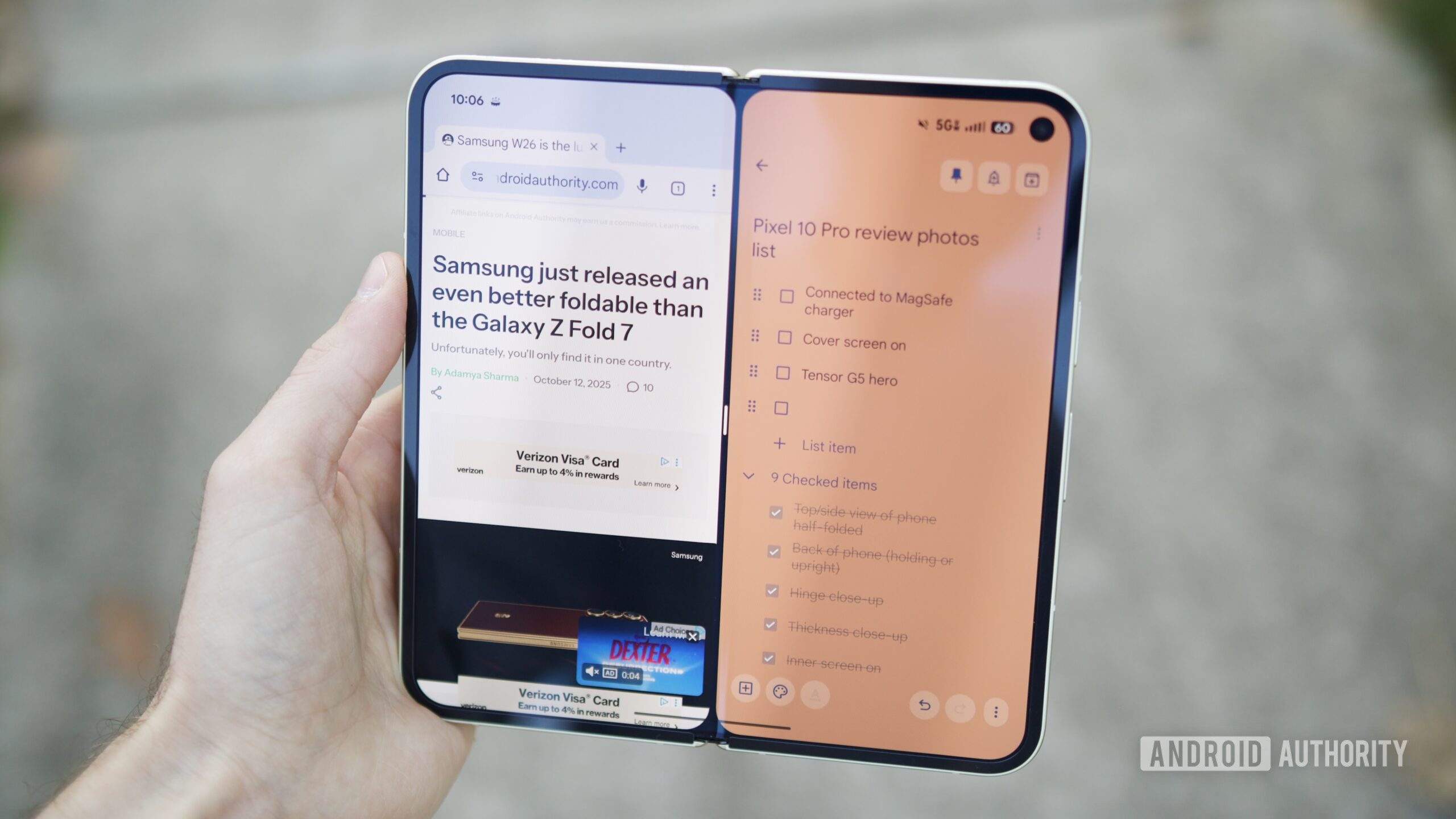
Performance and multitasking are where Google’s foldables feel most dated. The Pixel 10 Pro Fold introduced the Tensor G5 chip, yet it still lagged behind the Galaxy Z Fold 7’s Snapdragon 8 Elite in speed and efficiency. Worse, real‑world use of the Razr Fold showed that even a regular Snapdragon 8 Gen 5 could beat Tensor G5 in day‑to‑day responsiveness on a big inner display. If the Pixel 11 Pro Fold sticks with a similar processing philosophy, Google must at least optimize thermal behavior, sustained performance, and app loading to close the practical gap. On software, the situation is blunt: Google is losing the foldable multitasking race. Split‑screen and basic multitasking exist, but they don’t encourage you to truly use that large inner screen as a workspace. Samsung’s pop‑up views, Motorola’s Hello UI suggestions, and OnePlus’ Open Canvas‑style layouts show how foldables can feel like portable desktops. For the Pixel 11 Pro Fold, Google should “steal everything” — smart app pairing, floating windows, and playful multitasking shortcuts — or risk being the least capable foldable for power users.
Displays and Cameras: Premium Hardware, Not Afterthoughts
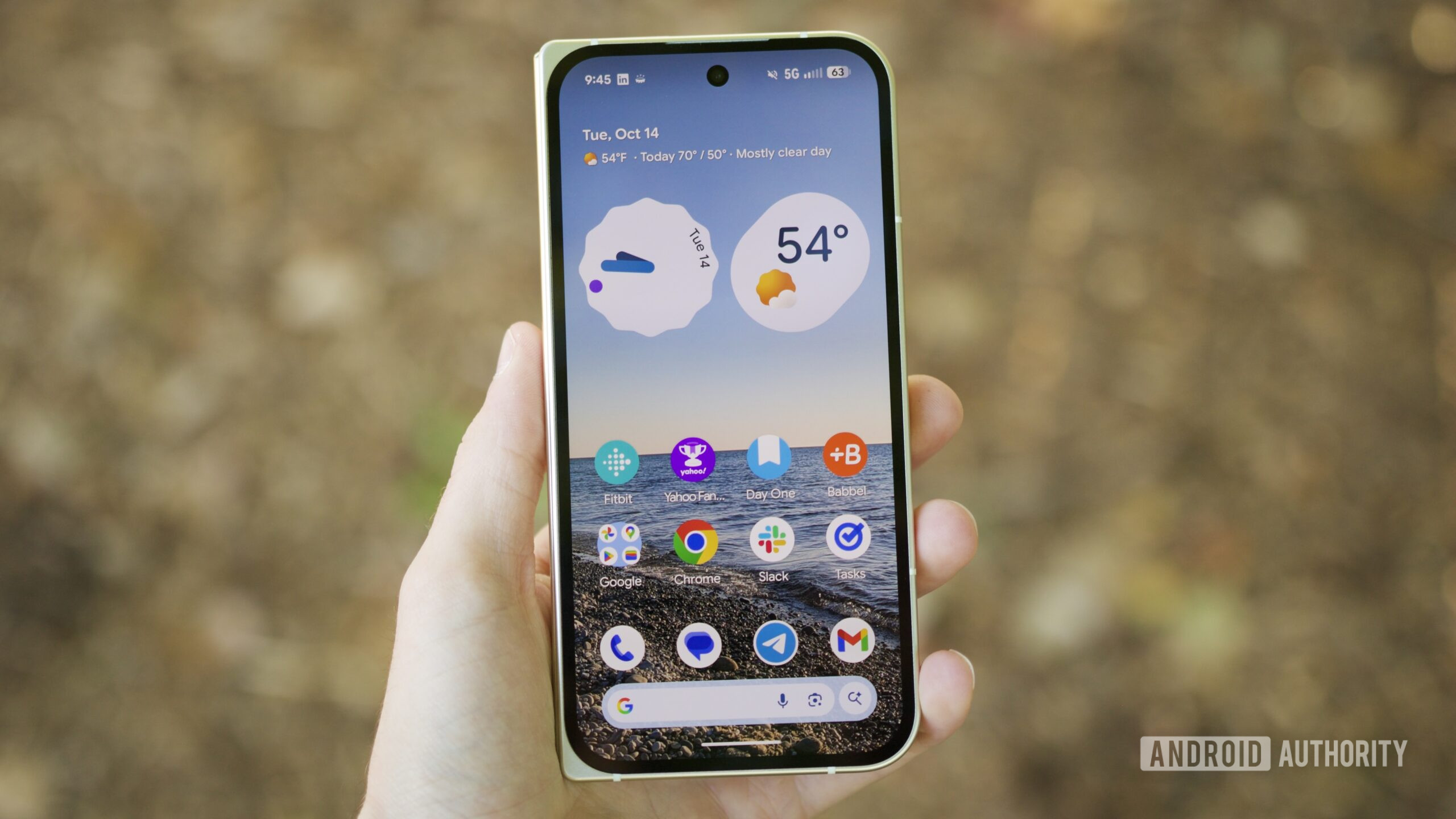
The outer display is often a foldable’s real home screen, and Google has treated it like an afterthought. Strong curves make the Pixel 10 Pro Fold’s cover screen bezels look thick, particularly near the hinge, which now feels retro next to sleeker Galaxy Z Fold and Razr Fold designs. The 6.5‑inch 1080×2342 OLED cover display on the Pixel 11 Pro Fold retains 120Hz, but still lacks LTPO, meaning no variable refresh rate and limited always‑on display options. On a device that starts at USD 1,899 (approx. ₱106,500) and rises to USD 2,249 (approx. ₱126,000) for 1TB, buyers deserve screens that look and behave like true flagships. The camera story is similar. Pixel phones built their reputation on photography, but Samsung and Motorola have gone aggressive on hardware, with the Galaxy Z Fold 7 offering a 200MP main camera and the Razr Fold a 50MP sensor. Google’s leaked design shows an expanded camera glass panel and a 13MP front camera on the Pixel 11 Pro Fold, along with 16GB RAM across all storage tiers. The new housing is welcome, but Google needs imaging upgrades plus smarter computational photography tuned for foldable use — more flexible zoom, better low‑light video, and inner‑screen camera tools — if it wants camera prestige to mean anything in this category.
The Six Upgrades Google Must Deliver
Foldables are no longer a novelty. With long‑term use of the Galaxy Z Fold 7 and months on the Razr Fold, it is obvious that Pixel foldables can’t compete unless the Pixel 11 Pro Fold improves in six areas: weight, thickness, battery capacity, wired charging speed, processor performance, and multitasking software. Slimmer bezels, LTPO cover screens, and camera enhancements are close behind those essentials. Leaked Amazon‑style retail listings hint that Google is at least listening: a lighter 239g body, refined camera glass that stretches edge to edge, and a thoughtfully specced 6.11×5.92×0.4‑inch folded footprint with Wi‑Fi 6E and Bluetooth 6 support show an effort to polish the hardware. But subtle refreshes won’t be enough to sway buyers who have seen what Samsung and Motorola can do. If Google treats the Pixel 11 Pro Fold as a cautious iteration, it will stay a niche curiosity. If it uses this generation to make bold Google foldable improvements — embracing power, software ambition, and design elegance — the Pixel 11 Pro Fold could finally stand as a real alternative in the foldable market, not a distant runner‑up.