
Voice-controlled music is finally inside Spotify, not outside it
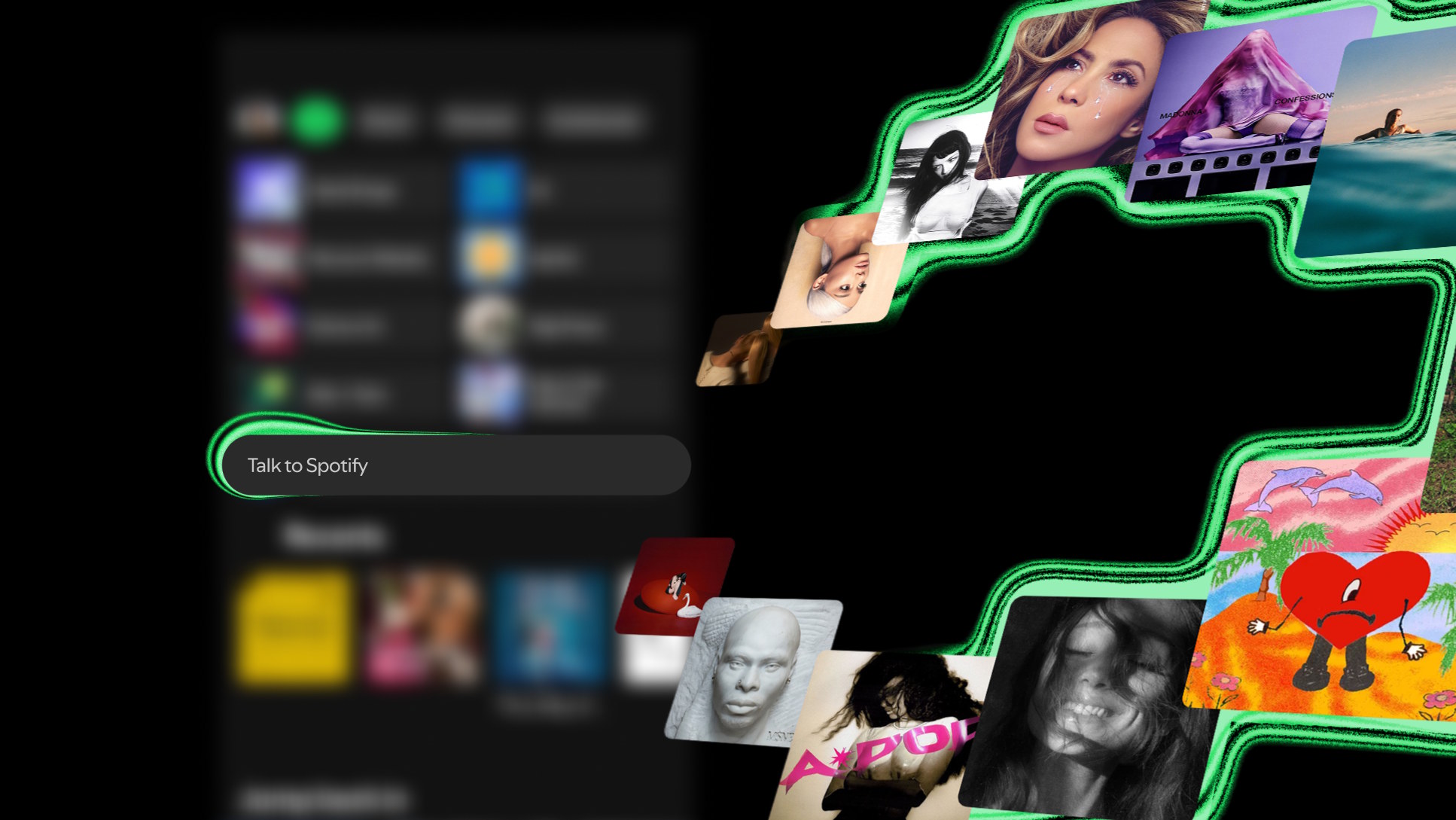
Spotify’s new AI assistant, Talk to Spotify, is a conversational chatbot inside the mobile app that lets Premium users search, control playback, and explore their listening history through natural language text or voice instead of tapping through menus or separate voice interfaces. The idea is bold: turn Spotify from a static list of playlists and buttons into a chat window where you talk about what you want to hear next and the app responds. This is not a neutral product update; it’s a clear statement that Spotify thinks your voice—and your data—should be the main interface to your music. And if you spend much time in the app, that shift will matter more than any new playlist brand or color refresh ever could.
In practice, eligible Premium subscribers can ask for something to play, listen for a moment, and then refine the selection with follow-up requests as their mood shifts, instead of restarting the process from scratch every time. The assistant appears across the Home and Now Playing screens, where you can press a microphone button or type your requests. With this omnipresent text-and-voice box, Spotify has essentially turned your listening session into a running conversation that you steer instead of a sequence of isolated taps.
How Talk to Spotify changes everyday listening
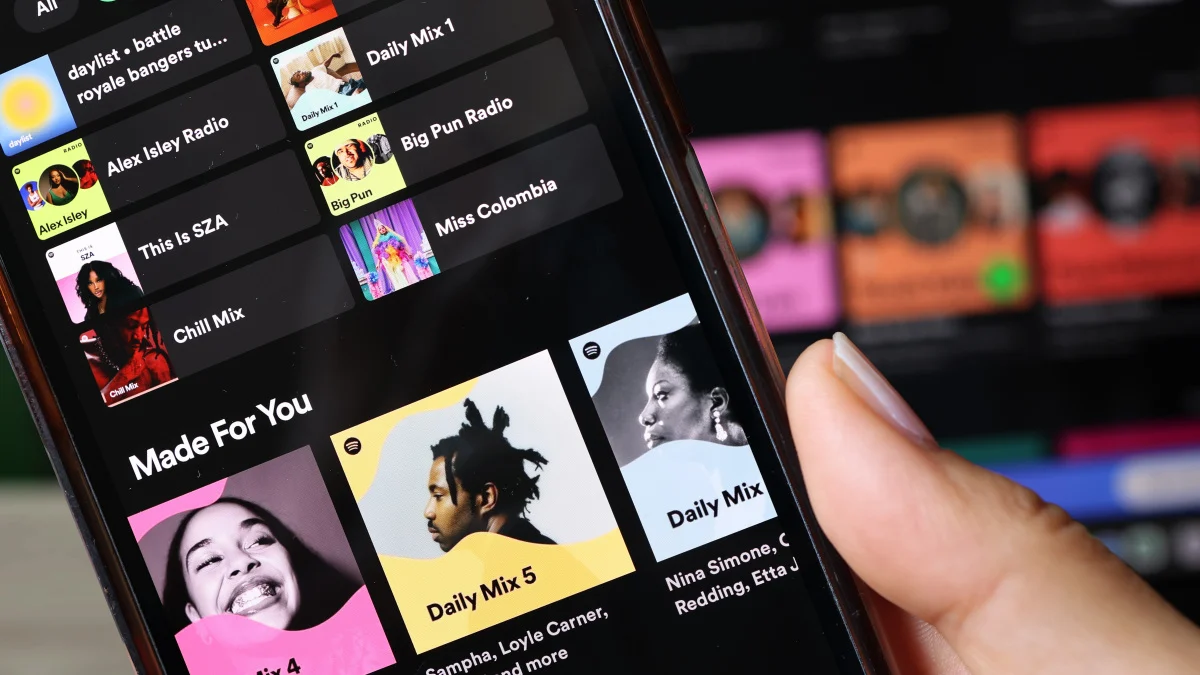
The practical impact of the Spotify AI assistant is straightforward: it aims to remove friction from everything you already do in the app and surface more of the data Spotify has on you. You can ask Spotify to “Play some artists I haven’t heard before,” then follow up with “save this song,” “follow this artist,” or “play more of this” to steer the rest of your listening without touching the screen. Eligible Premium users can start a vibe, live with it for a few tracks, and then nudge it toward “more upbeat” or “her newer music” instead of hunting through menus. This is chatbot music control in a very literal sense: your commands are the playlist engine.
The assistant also takes over chores that usually require several taps, such as saving songs, adding tracks to the queue, and following artists. Beyond playback, you can ask trivia-style questions about what you are hearing—when an album came out, what genre a track belongs to, or which other podcasts a guest has appeared on. That means fewer context switches to search elsewhere and less time lost in other apps. It’s a bet that the most compelling listening experience is one where discovery, control, and curiosity all live in the same conversational thread.
Your listening history becomes an insight engine
The most intriguing—and slightly unsettling—side of Talk to Spotify is how it turns years of listening data into on-demand self-analysis. Because Spotify tracks playlists, favorite artists, repeat listens, and streaming history, the assistant can answer questions about how your taste has changed over time, when you first played a song, which genres you favour lately, or how often you have streamed a particular artist. Instead of waiting for an annual Wrapped dump of your habits, you can interrogate them any day. That shifts Wrapped from a once-a-year event into a permanent mirror you can consult whenever you feel curious about who you have become as a listener.
According to Spotify, this conversational feature is rolling out as an English-language beta to Premium subscribers aged 18 and above on mobile, and responses “won’t always be perfect,” with user feedback shaping what comes next. That admission matters: accuracy and hallucinations are still a stubborn problem for even the best AI models, and Spotify’s assistant is built from a mix of its own technology and models from several providers to match different types of requests. In other words, Talk to Spotify is both a power tool for understanding your habits and an experiment whose reliability you should test rather than trust blindly.
A bigger AI strategy hiding behind a friendly chat box
Talk to Spotify is not an isolated gimmick; it is the next step in a clear AI-first strategy for the listening experience. Spotify has already woven AI into features like its AI DJ, which picks songs and talks between tracks, and a prompt-based playlist tool that builds mixes from mood descriptions. Executives recently described an “era of Generation,” where listening is shaped in real time around each user’s taste, context, and intentions rather than limited to static catalog browsing. A conversational AI embedded inside the app is exactly the kind of interface that can support that vision, because it constantly collects intent from your words.
Zooming out, Spotify is also working on Personal Podcasts that generate private audio programs from user prompts, as well as a desktop tool that creates personalised audio using listening activity and, if permitted, other personal information. On the creative side, Spotify and major music companies have announced licensing agreements for generative AI tools that let fans make covers and remixes, framed around consent, credit, and compensation for participating artists and songwriters. Put together, this is not merely about convenience; it signals a future where Spotify is both your main interface to sound and a platform where AI reshapes how that sound is chosen, explained, and even created.
Should you talk to your music app?
So is the Spotify Talk feature worth caring about? If you treat Spotify as background noise, maybe not. But if you spend hours a week exploring new artists, fine-tuning playlists, or wondering what your listening says about you, letting an AI assistant sit inside the app is a big change. With voice-controlled music and chatbot music control, Spotify is betting that conversation beats clicks—not only for convenience, but as a way to deepen your relationship with the service and keep you inside its ecosystem longer.
The trade-off is clear: in exchange for faster control and richer insight, you rely more heavily on an AI layer that can be wrong and that uses your data to personalise and generate audio experiences. If that bargain feels acceptable, Talk to Spotify could become the default way you interact with your music, podcasts, and audiobooks. If not, you can keep tapping—but expect future Spotify features to assume that at least some of its listeners are ready to talk back.