
iPhone 17 Pro vs Galaxy S26 Ultra: The Big Picture
The comparison between the iPhone 17 Pro camera and the Galaxy S26 Ultra camera is a head‑to‑head look at how their sensors and computational photography approaches affect real‑world image quality across everyday shooting situations, from low‑light street scenes and portraits to long‑range zoom shots and ultra‑wide landscapes.
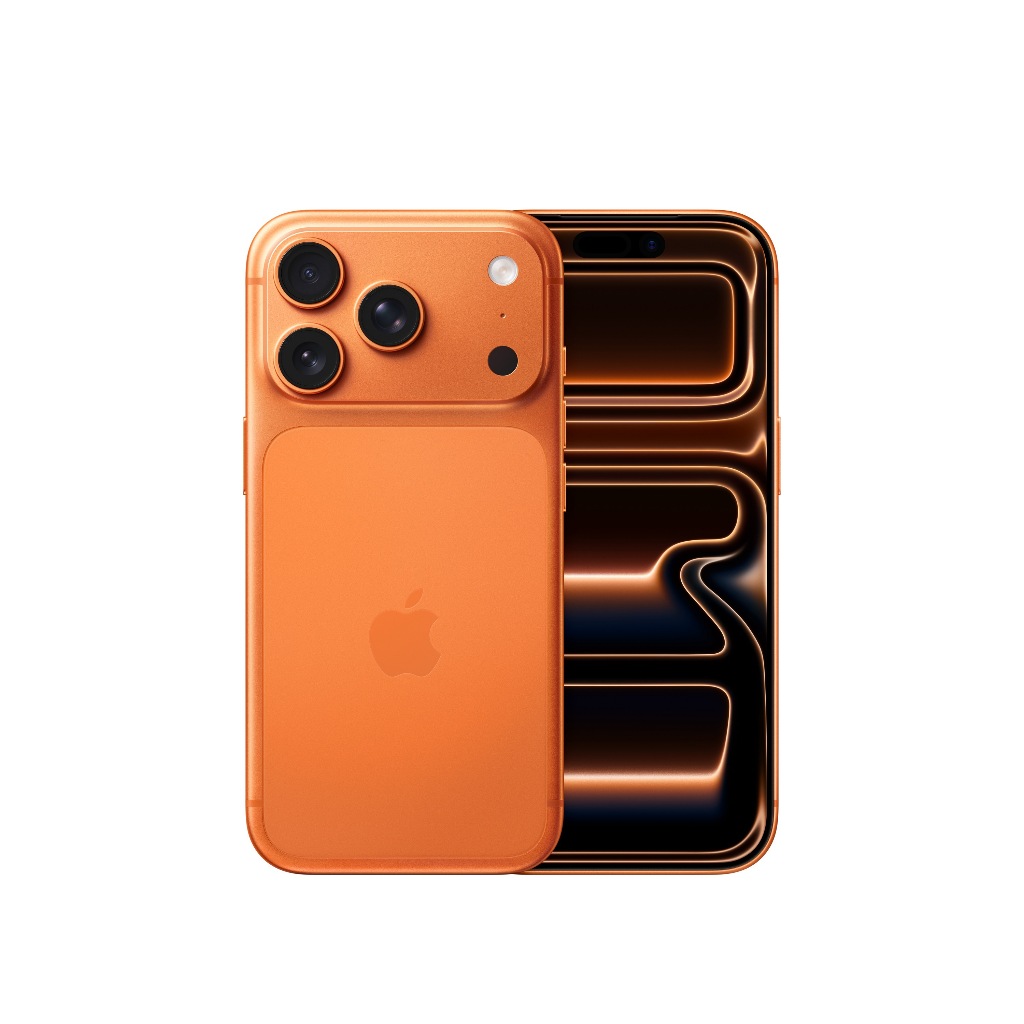
Both phones are top‑tier flagships with camera systems that can deliver stunning photos in a variety of conditions, earning them editors’ choice recognition and flagship status. In broad strokes, the iPhone 17 Pro leans toward clean, balanced images that creatives like to edit later, while the Galaxy S26 Ultra chases versatility with high‑resolution hardware and more aggressive image processing. The right choice depends less on which is “objectively best” and more on the look you prefer, since photography is subjective and what looks good to one person might not to another. If you enjoy natural tones and minimal fuss, the iPhone feels tailored to you; if you want every lens, mode, and long‑reach zoom possible, the Galaxy is more your speed.
| Spec / Approach | iPhone 17 Pro camera | Galaxy S26 Ultra camera |
|---|---|---|
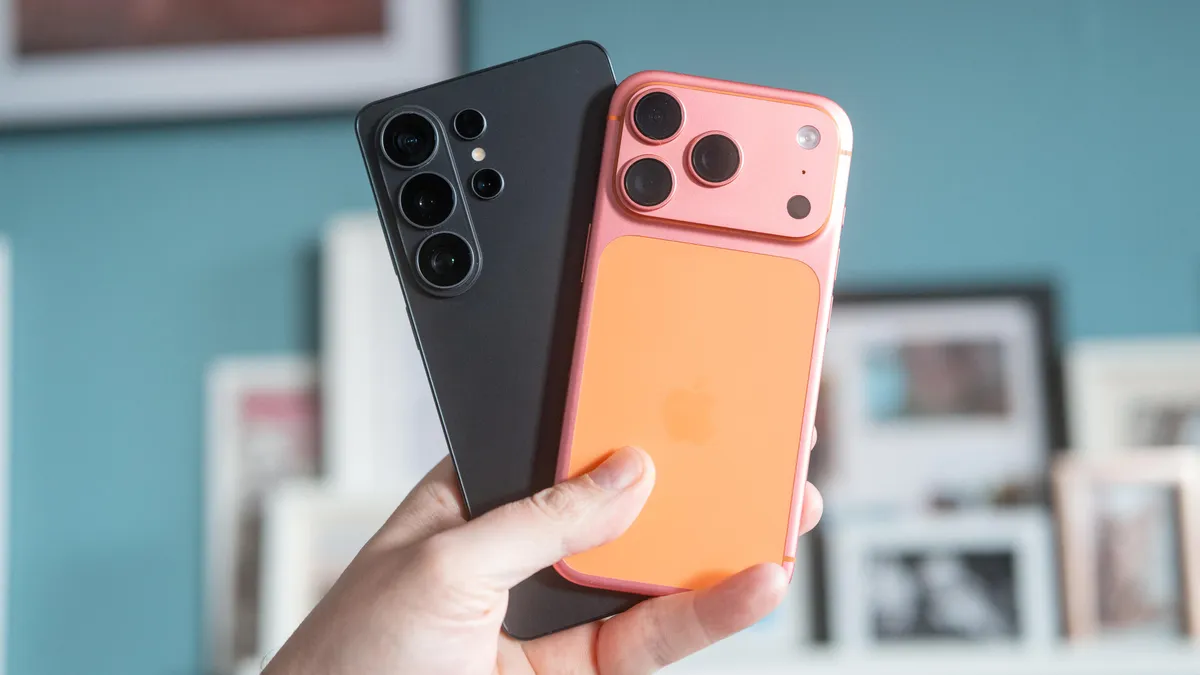
| Imaging philosophy | Computational balance with a focus on simple controls and consistent, natural‑looking color that creatives use as a starting point | Hardware‑heavy setup with more lenses, modes, and a focus on reach and apparent detail, plus punchier out‑of‑camera processing |
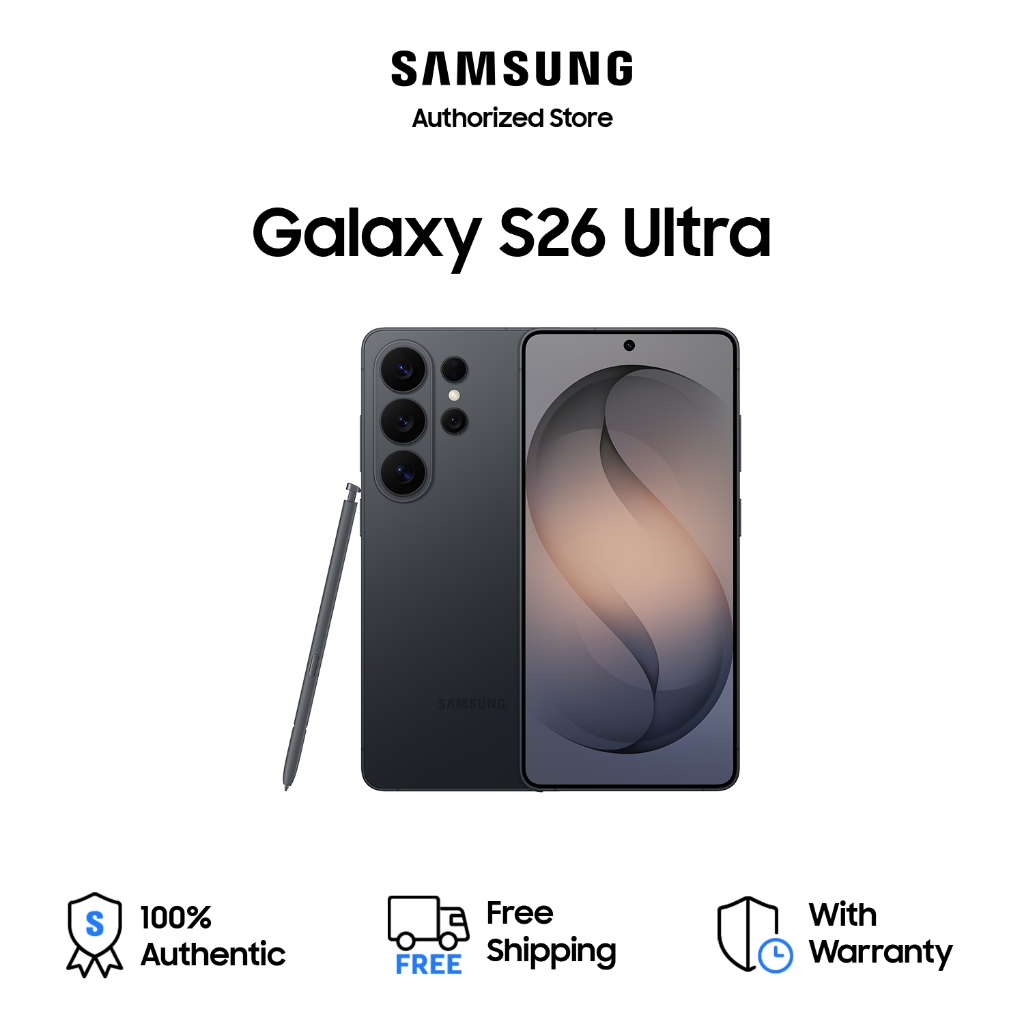
| Sensor highlight | High‑quality main sensor tuned for accurate focus and balanced colors that often serve as an industry benchmark | 200MP main sensor that allows deep crops and lossless‑style digital zoom from the primary camera |
| Zoom philosophy | Relies more on computational photography and mid‑range zoom, prioritising coherence and natural rendering over extreme reach | Emphasises long‑range zoom and high pixel count for detail, echoing the brand’s Space Zoom ethos and clean mid‑range telephoto framing |
| Color & tone | Balanced, often warmer and more natural; holds deeper shadows for mood instead of flattening scenes with heavy HDR | Tends toward cooler, more vivid output, often lifting shadows for brighter, HDR‑like images and stronger sharpening |
| Ease of use | Dead simple to use, fast focus, reliable results that appeal to working creatives and casual shooters alike | Packed with shooting modes and lens options, rewarding tinkerers who like to experiment with features |
Sensors and Software: Subtle but Important Differences
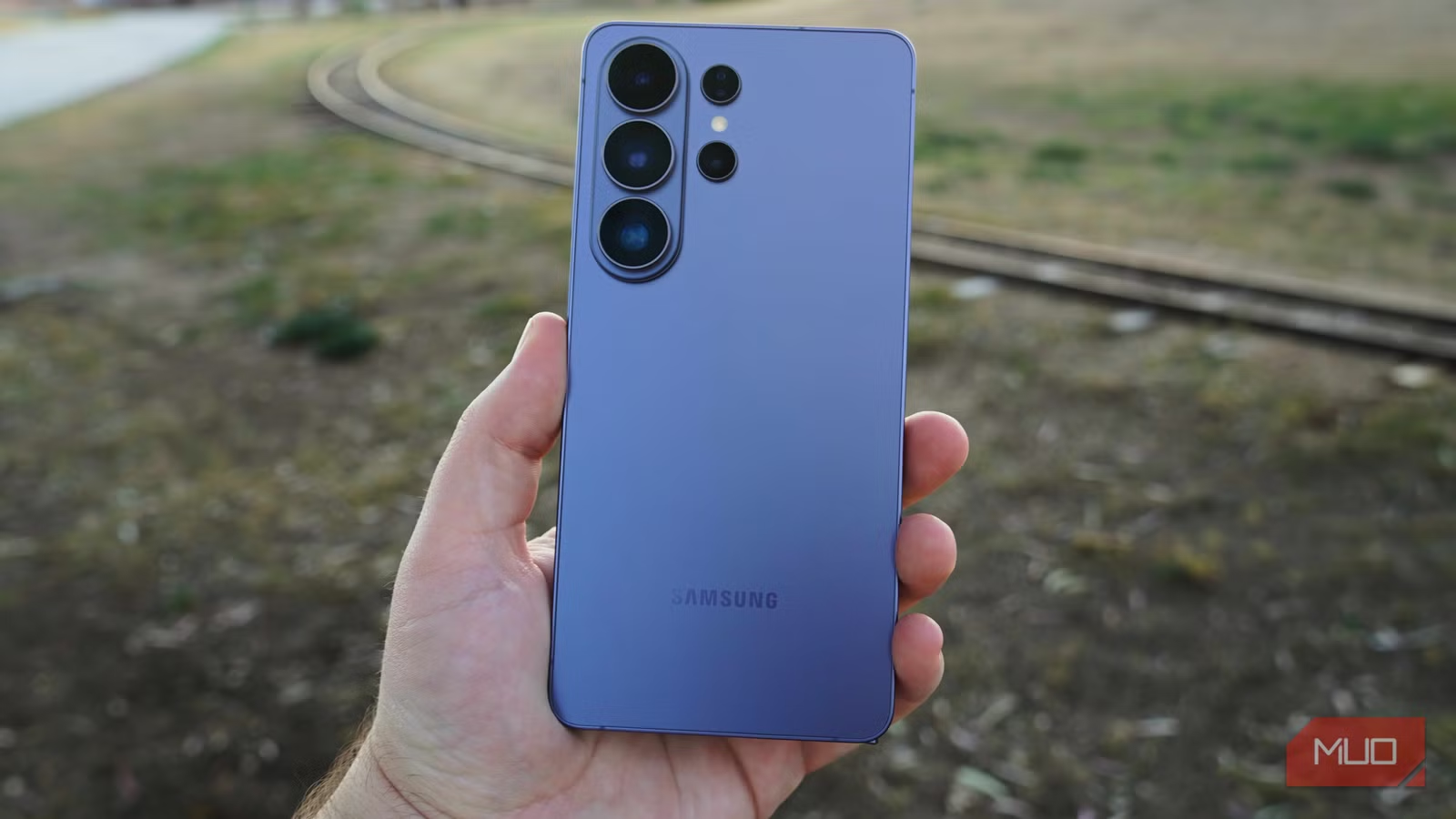
Under the hood, these phones represent two different answers to the same question: should a phone camera lean on huge sensors or smarter software? The Galaxy S26 Ultra stands out with its 200MP main sensor, which allows you to crop deeply into an image or use lossless‑style digital zoom without immediately reaching for a separate telephoto lens. The trade‑off with so many pixels is that they are smaller, which can complicate color capture and low‑light performance if the processing is not tuned carefully.
The iPhone 17 Pro counters with a more balanced, computational approach. Apple’s cameras are widely seen as a benchmark in creative circles because they are easy to use, nail focus, and keep colors balanced enough to grade later. Both phones rely on advanced multi‑frame night modes that stack nearly a dozen frames and use AI to brighten scenes and keep them sharp, and both use machine learning to deliver strong images without manual tweaking. In practice, the iPhone aims to look natural and coherent across its lenses, while the S26 Ultra sometimes shifts color and applies heavier sharpening between its main and ultra‑wide cameras, which can be distracting in side‑by‑side comparisons.
Daylight, Low-Light, Portraits, and Zoom in the Real World
In good light, both phones perform so well that differences often appear only under close inspection. With Apple’s Gold Photographic Style enabled, the iPhone 17 Pro often produces warmer tones that many find more natural, adding richness without making scenes look overly warm. When switched to the Standard style, the iPhone and Galaxy exposures look strikingly similar, though Samsung tends to boost green foliage and cooler tones for a more vivid look. According to one professional photographer who compared them directly, the S26 Ultra can resolve slightly more detail on fine elements like car trim or thin twigs against the sky, but those differences are invisible unless you zoom in side‑by‑side.
At night, both main cameras handle complex scenes capably in night mode, using their multi‑frame stacking to brighten and stabilise images. The iPhone often preserves deeper shadows and mood, while the S26 Ultra lifts those shadows and leans toward an HDR‑heavy look that some will see as flatter or more processed. In portraits and candid shots, the iPhone’s more natural rendering often wins over photographers who want a clean base to edit later. Zoom is where Samsung pushes ahead in versatility: its long‑range zoom options let you frame distant subjects more aggressively, echoing the brand’s focus on extended reach. The iPhone’s zoom is strong at moderate ranges but is more about consistency than extreme pull‑in power.
Which Camera System Fits Your Photography Style?
For photographers choosing a flagship phone comparison, the real question is which camera philosophy fits your habits. If you want images that resemble what you saw, with accurate tones and deeper shadows you can edit later, the iPhone 17 Pro is the safer bet; one reviewer sums up their preference with, “I’d much rather have a more natural image as a starting point, so the iPhone takes the win here for me”. If, instead, you prefer punchy, vibrant photos straight out of the camera, or you love to push zoom and explore every shooting mode, the Galaxy S26 Ultra camera will feel more rewarding.
There are shared caveats. For casual users who do not need professional‑level shots, any top smartphone camera will usually be more than enough. Many subtle differences in sharpness or micro‑detail are things you would never notice without a controlled, side‑by‑side pixel‑peeping session. Photography is subjective and taste‑driven, and AI‑assisted processing on both sides means you can often fix or improve images afterward. In the end, pick the system whose default look you enjoy, because that is what you will see every time you open your gallery.
Buy if / Skip if
- Buy the iPhone 17 Pro if you value natural‑looking colors, deeper shadows, and a clean starting point for later editing.
- Skip the iPhone 17 Pro if you prioritise extreme telephoto reach and want the most zoom flexibility from your mobile photography shootout.
- Buy the Galaxy S26 Ultra if you want a 200MP sensor, long‑range zoom, and punchier images that stand out without post‑processing.
- Skip the Galaxy S26 Ultra if you dislike heavier sharpening, stronger HDR, and occasional color shifts between lenses.
- Buy the iPhone 17 Pro if you prefer a simpler camera app with fewer decisions and consistent output that matches industry benchmarks.
- Skip the iPhone 17 Pro if you enjoy experimenting with multiple lenses, modes, and tuning a more feature‑rich camera interface.
- Buy the Galaxy S26 Ultra if you often crop or reframe your shots and want hardware that supports deep crops from a single capture.
- Skip the Galaxy S26 Ultra if you mostly shoot in good light and do not need its extra hardware complexity, since a simpler flagship may suit you just fine.