
What “best camera phone” really means in daily shooting
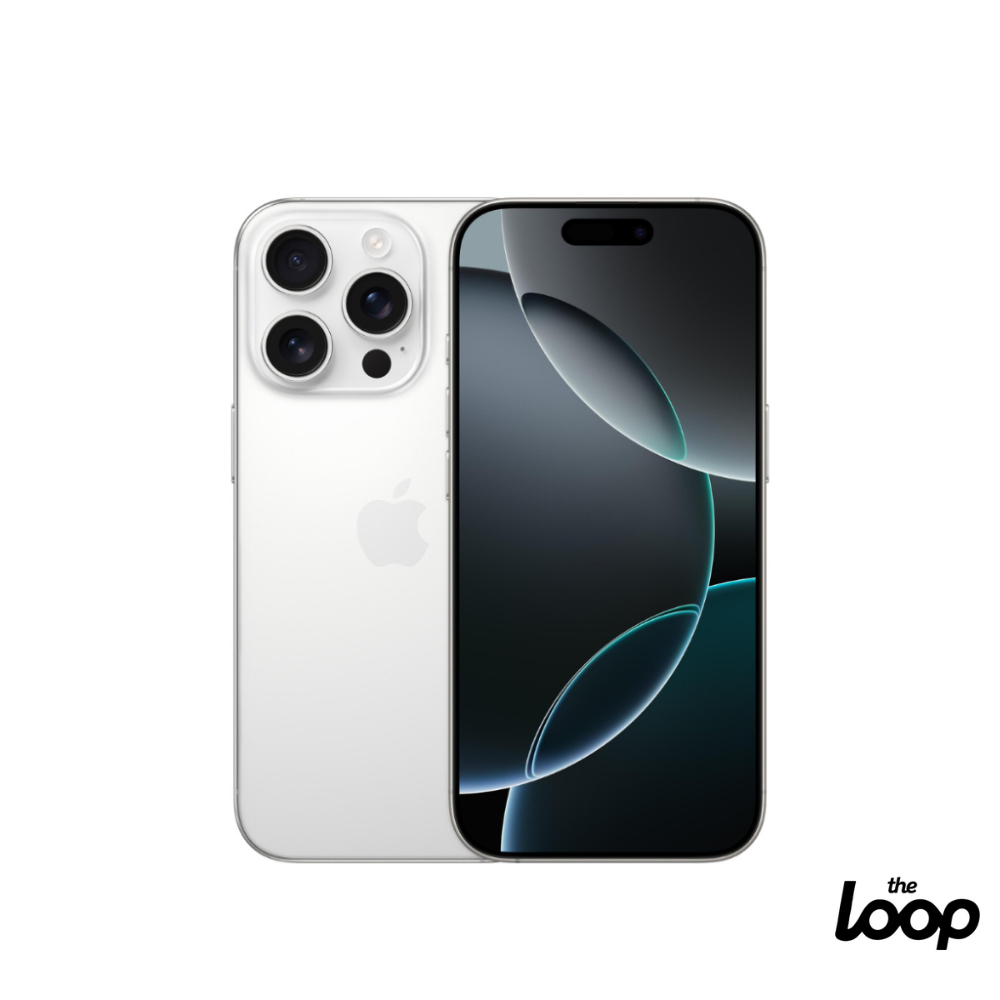
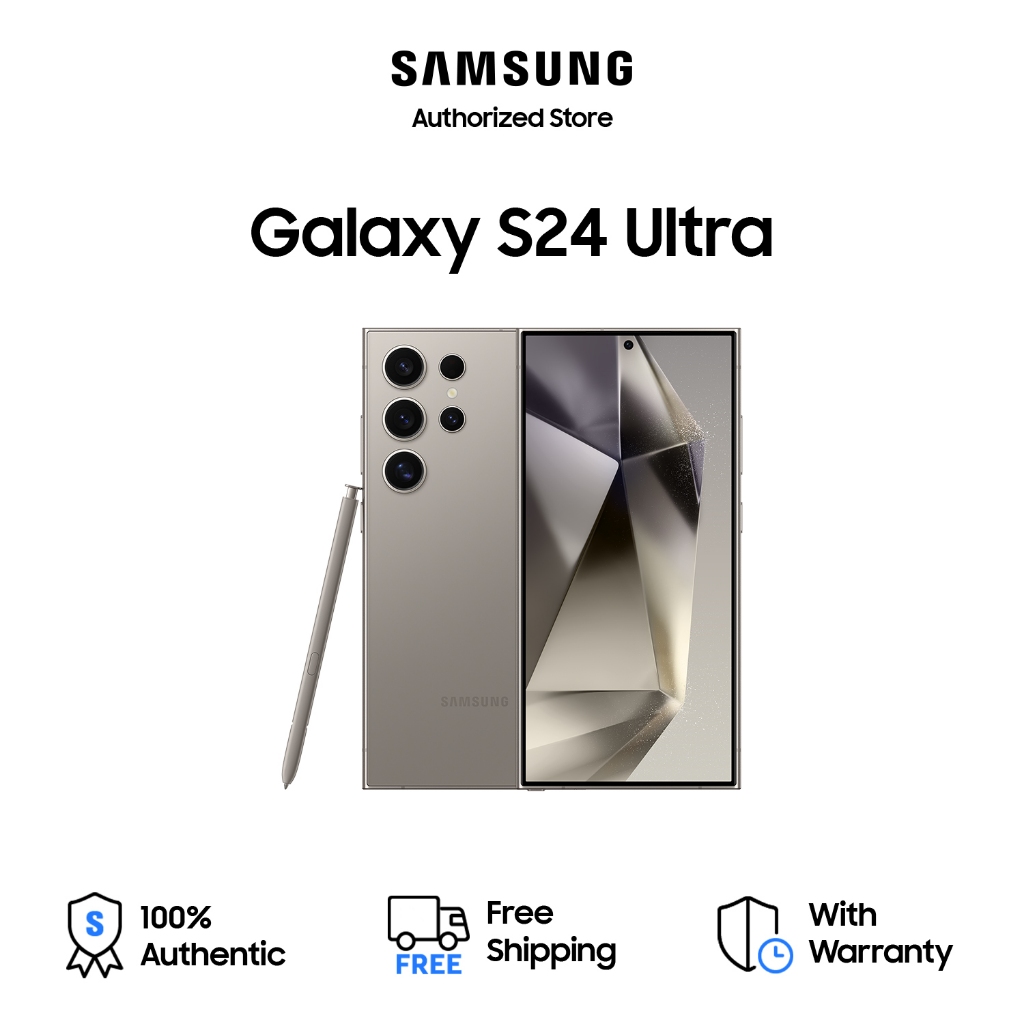
The best camera phones combine large sensors, smart processing, and usable tools so that non‑experts can capture sharp, well‑exposed photos in varied light without extra gear or complex settings, making them dependable cameras you will happily use every day instead of carrying a dedicated camera. In this flagship camera comparison, the iPhone 16 Pro Max, Pixel 9 Pro, and Galaxy S24 Ultra target the same goal with very different ideas. Apple leans on a 48MP main sensor and effortless color, Google leans on AI tools like Magic Eraser and Real Tone, and Samsung pushes smartphone sensor performance with high‑resolution zoom. In practice, each one wins in different mobile photography 2026 scenarios: the iPhone for low light and consistency, the Pixel for creative portrait editing, and the Galaxy for long‑range detail and flexible framing.
If you care mainly about point‑and‑shoot reliability and cinematic video, the iPhone is still the safe choice. Creators who love tweaking portraits and removing distractions from a frame will feel most at home on the Pixel, while anyone obsessed with wildlife, stadium events, or compressed telephoto perspectives will get more from the Galaxy’s long lens. All three belong among the best camera phones, but your best is the one whose strengths match how you shoot, not the one with the highest megapixel number.
Spec sheet face‑off: where the sensors differ
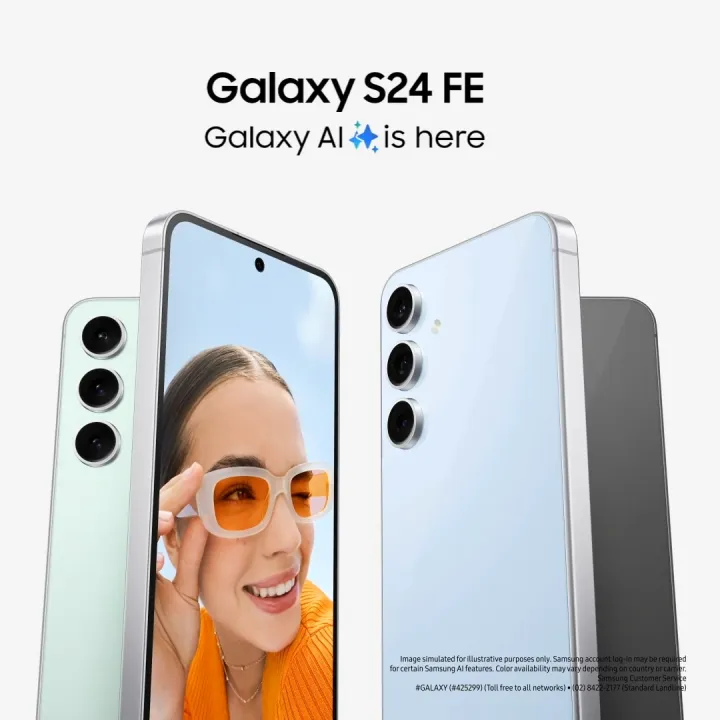
On paper, these phones are closer than fan debates suggest, yet their sensor stacks lead them down distinct paths. Larger sensors matter more than pure megapixel counts because they capture more light in less time, which reduces blur and improves sharpness in challenging light. The Galaxy family is the outlier with a 200MP sensor in its Ultra line, proving that extreme resolution can coexist with meaningful light‑gathering when paired with good optics and processing. Meanwhile, Apple and Google balance moderate resolution with tuned color and smart multi‑frame processing. Prices also signal where each sits: true flagships tend to start above mid‑range phones, while strong mid‑range models such as the Galaxy S24 FE can be found for under USD 500 (approx. ₱28,000), and some premium lines start at USD 799 (approx. ₱44,800).
| Spec | iPhone 16 Pro Max | Pixel 9 Pro |
|---|---|---|
| Main sensor resolution | 48MP main wide sensor tuned for balanced color and focus in demanding creative work. | High‑resolution main sensor backed by fast, simple shooting and strong AI features. |
| Notable computational features | Simple interface, industry‑standard color and focus; strong multi‑frame processing in poor light. | Magic Eraser, Real Tone, Face Unblur and more for AI‑assisted fixes and edits. |
| Zoom philosophy | Focus on realistic mid‑range zoom and consistent quality across lenses. | Uses AI‑backed zoom tools to extend reach while keeping detail. |
| Typical price band | Flagship‑tier pricing; higher than mid‑range models, reflecting premium camera hardware. | Flagship‑tier pricing; sits above affordable Pixel ‘a’ series models. |
This table highlights a key truth for mobile photography 2026: headline numbers give a hint, but how the phone handles noise, color, and texture across all lenses matters more when you are choosing between the best camera phones for real‑world use.
Low light and night scenes: why sensor and processing beat tripods
Night scenes are the hardest test of smartphone sensor performance. Larger sensors that gather more light in less time cut motion blur and help preserve detail without a tripod. Apple’s 48MP main sensor, combined with refined multiframe Night mode, is tailored for exactly this kind of handheld low‑light shooting, which is why its cameras often set the reference point in creative fields. With the iPhone, you can expect clean skies, believable color, and reliable focus in bars, city streets, or concert halls, with less need to reshoot because someone moved mid‑exposure.
Samsung and Google keep up in their own ways. Samsung’s bigger sensors on premium lines, plus optical stabilization, help hold sharpness when you zoom into dark scenes. Google leans harder on computational photography, stacking frames and denoising aggressively, so its low‑light photos stay bright and punchy with minimal user input. Higher‑end phones still pull ahead of cheaper models here, but the gap is shrinking, especially if most of what you shoot is in good light where mid‑range phones already perform well. If you shoot nightlife or indoor events often, this is the area where going for a flagship pays off most clearly.
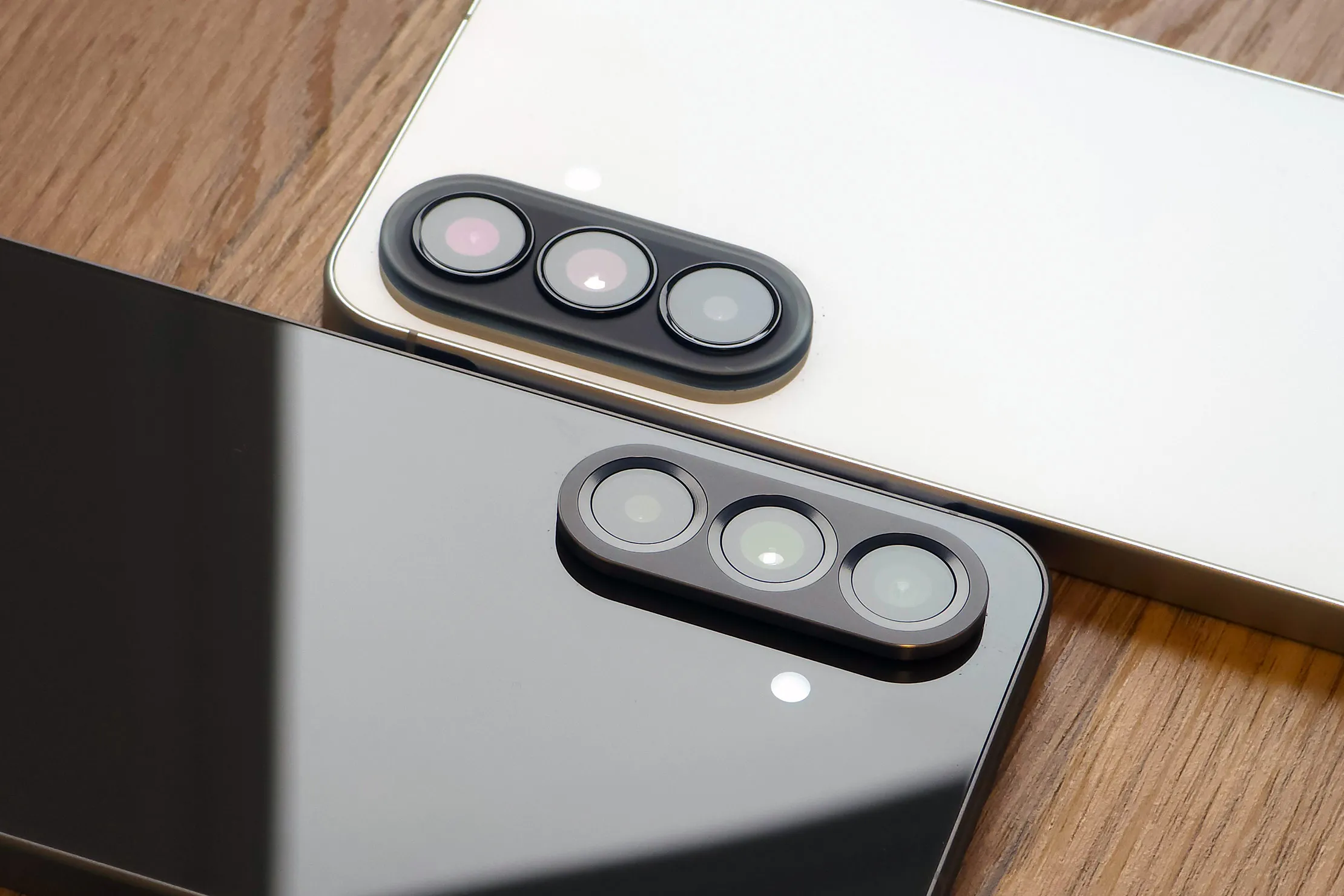
Portraits, AI editing, and zoom: three different ways to be creative
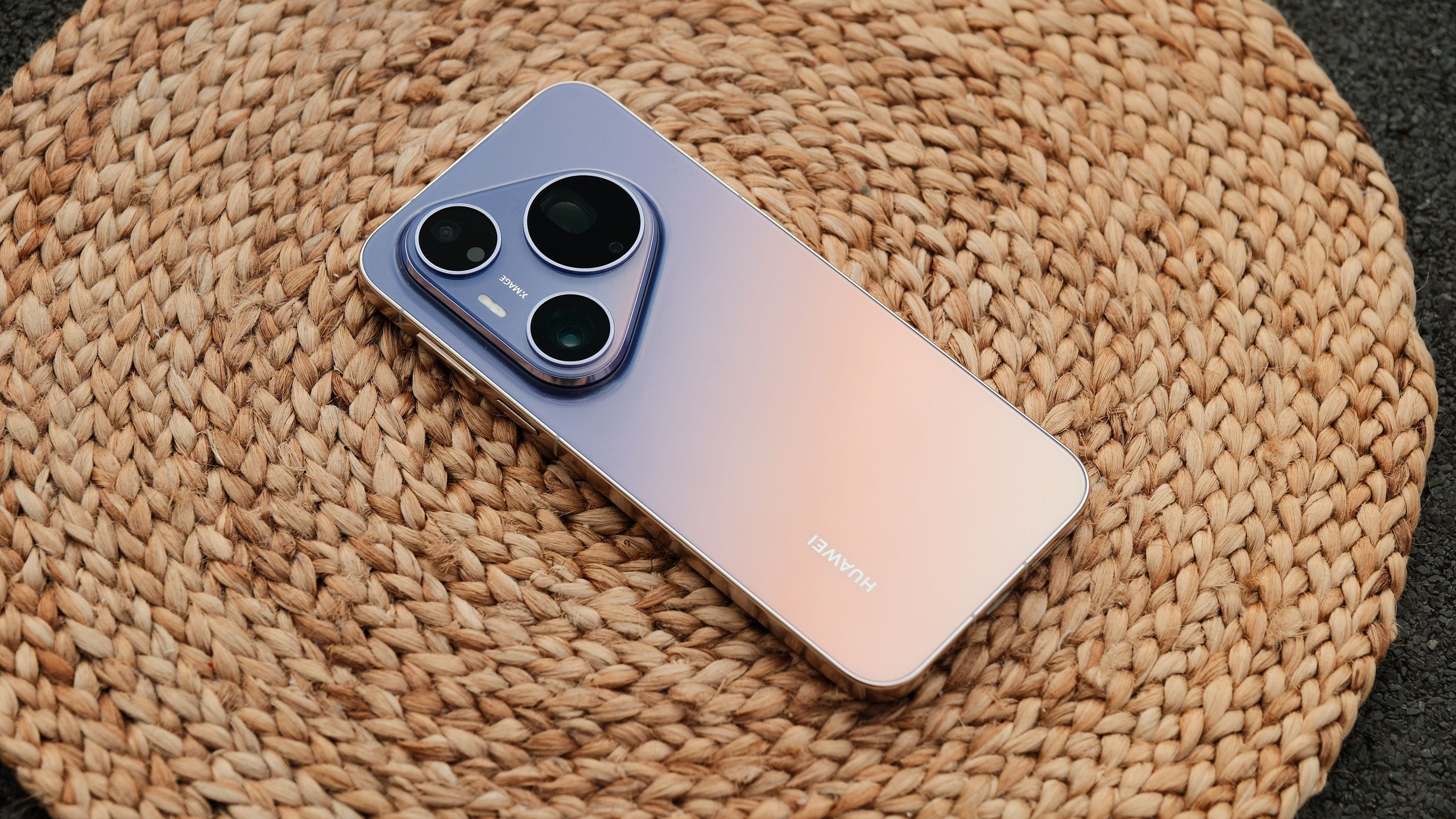
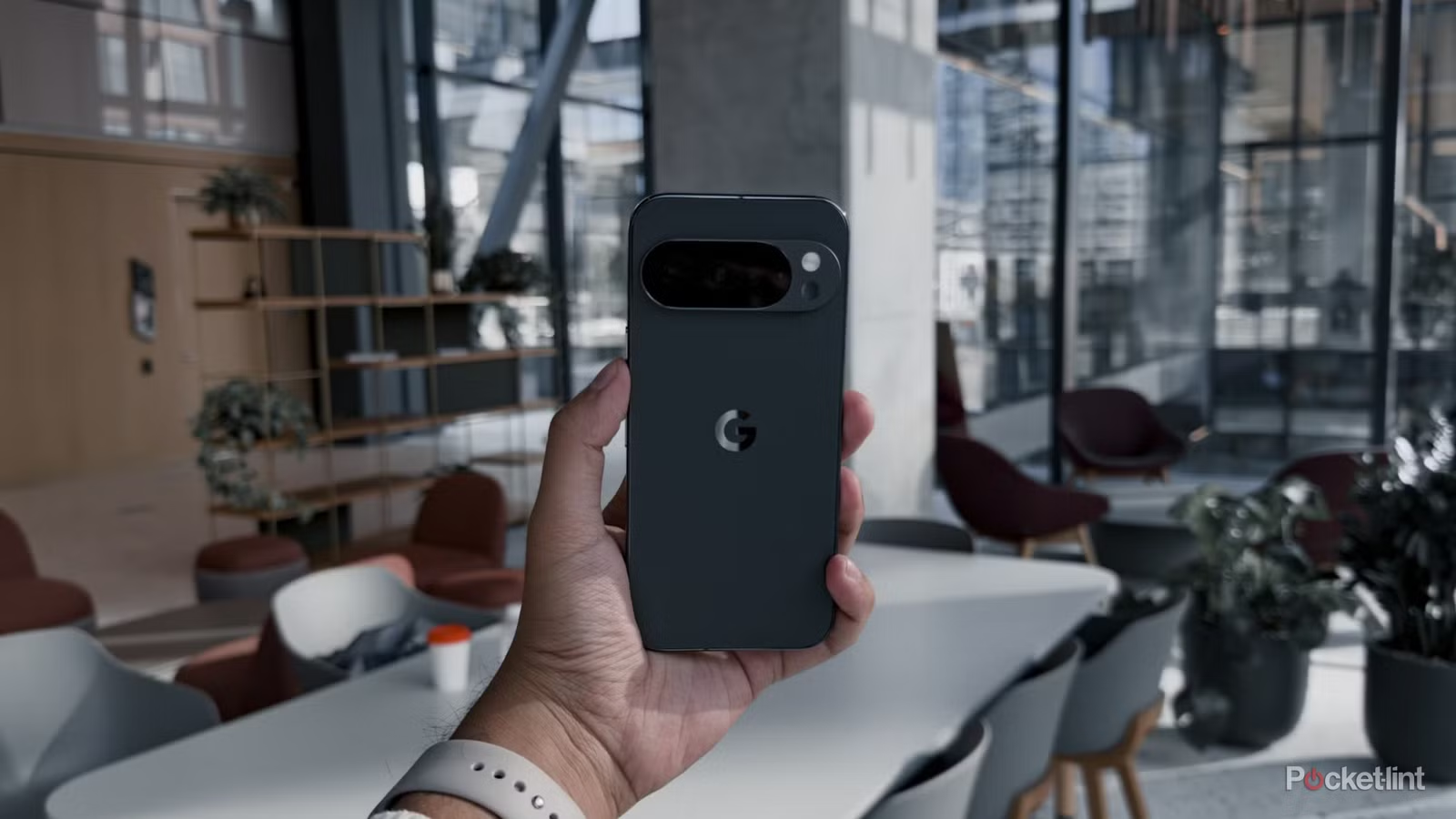
Portrait and editing tools are where the Pixel 9 Pro stands out in this trio. Google’s camera line is known for being fast, simple, and balanced, with an increasing amount of AI to make photography fun. Magic Eraser 2.0 builds on Magic Eraser to remove unwanted objects from a frame, while Real Tone works to keep skin tones accurate across a wide range of faces. Together with Face Unblur and other tools, the Pixel becomes a pocket editing studio for people who share portraits often and want polished results without learning desktop software.
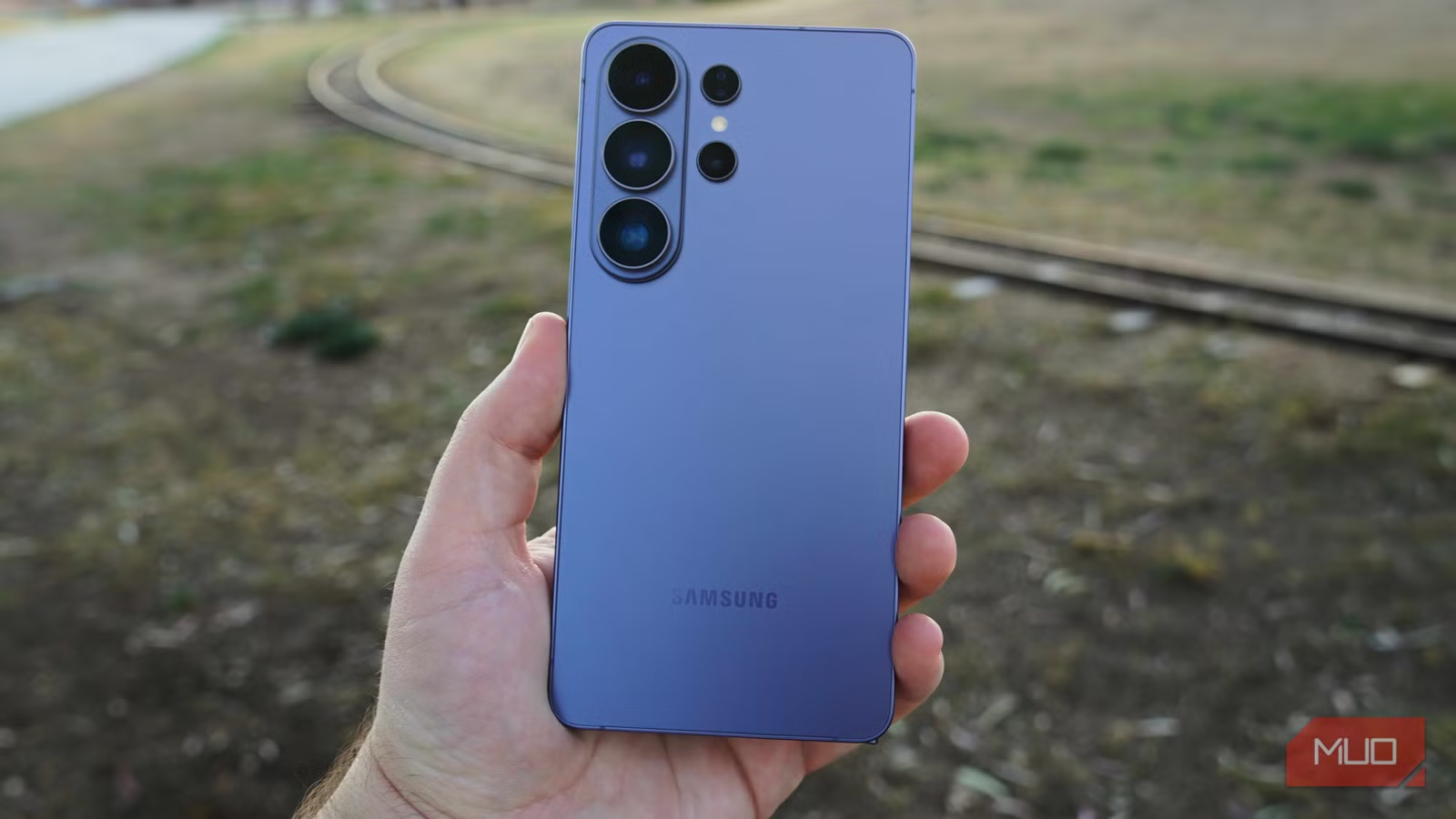
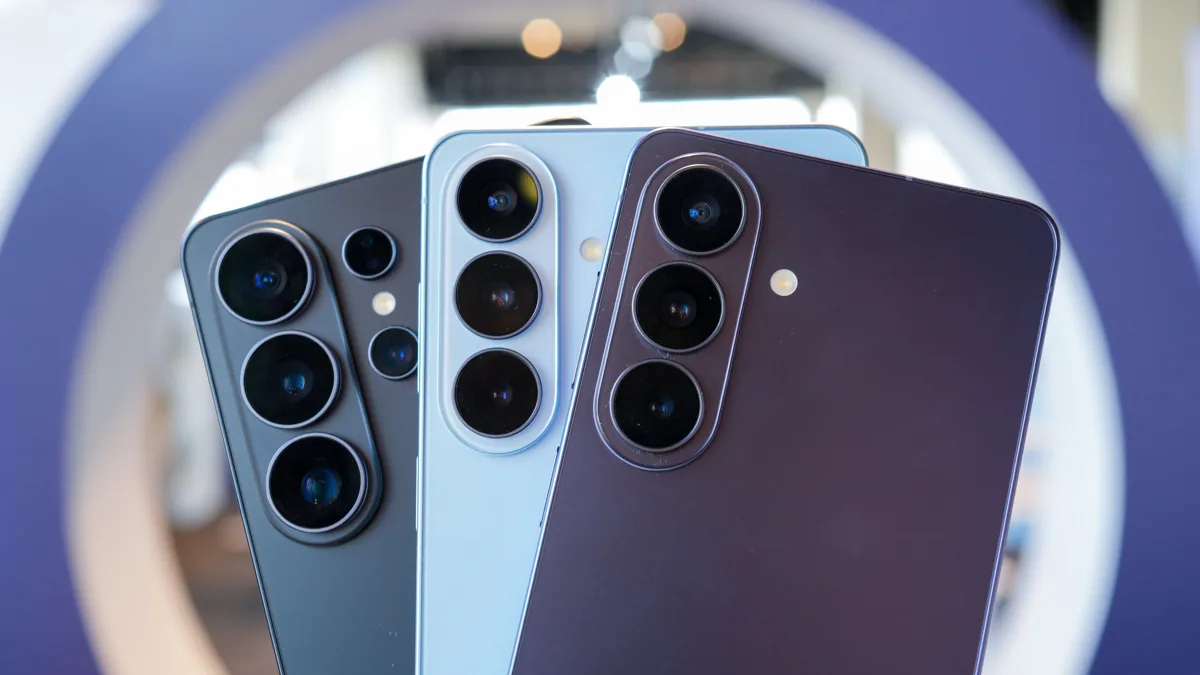
Samsung’s Galaxy S24 Ultra line leans toward those who think like videographers or wildlife shooters. Its 200MP‑class sensors, combined with long telephoto options, enable sharp mid‑range and extreme zoom images where other phones turn into watercolor smears. According to one expert source, “Samsung typically packs more lenses and shooting modes into its phones than competitors, with long‑range zoom that reaches 100x on its Ultra models.” Apple, meanwhile, focuses on believable depth blur, natural color, and seamless switching between lenses, which still makes its phones a favorite in creative industries. In short, the Pixel is for edit‑heavy storytellers, the Galaxy is for distance shooters, and the iPhone is for those who want portraits and videos that look natural out of camera.
Shared strengths, hidden weaknesses, and how to pick
Although their marketing differs, these three flagships share more strengths than weaknesses. They all sit among the best camera phones available from major brands, and their higher‑end models still tend to beat cheaper ones, especially outside of bright daylight. They also share one important caveat: most mainstream phones trail behind the most advanced international camera‑phone specialists in sensor size and bleeding‑edge technology, though that matters less if you do not need pro‑grade output. For many people, a top smartphone camera is more than enough, and you will not go badly wrong with any of these.
Price is the other shared concern. While some premium lines start at USD 799 (approx. ₱44,800), you can find capable mid‑range models with triple cameras for under USD 500 (approx. ₱28,000). That means you should decide based on how you shoot, not on owning the absolute newest sensor. If portraits and AI editing feel central, the Pixel‑style experience is worth the premium; if zoom and long‑range framing matter more, Galaxy‑style telephoto systems make sense; if you value consistent color, low‑light stability, and easy video, the iPhone‑style approach will fit you better. If you are willing to learn basic manual controls like ISO and shutter speed, you can stretch any of these phones even further for mobile photography 2026.
- Buy the iPhone 16 Pro Max if you want balanced color, strong low‑light performance, and fuss‑free shooting that fits creative workflows.
- Skip the iPhone 16 Pro Max if you care more about experimental AI editing tricks than about consistency out of camera.
- Buy the Pixel 9 Pro if portrait accuracy, Magic Eraser 2.0 object removal, and Real Tone skin rendering are central to your mobile photography.
- Skip the Pixel 9 Pro if you rarely edit photos and prefer a more traditional, optical‑zoom‑centric camera experience.
- Buy the Galaxy S24 Ultra if long‑range zoom, multiple lenses, and high‑resolution telephoto shots are your top priorities.
- Skip the Galaxy S24 Ultra if you seldom zoom, mainly shoot people at close range, and do not want to pay extra for advanced telephoto hardware.