
The awkward truth: laptops cost more but deliver less
Laptop price increases refer to the growing gap between what buyers pay and the actual performance, memory, and usability they receive, driven by component shortages, recycled processors, and confusing configurations that hide weaker specs behind shiny marketing labels, leaving most people with machines that feel slower, age faster, and cost more to upgrade than the laptops they could buy only a few product cycles ago. The uncomfortable takeaway is simple: your money buys less computer than it used to, and the burden of avoiding a bad deal has shifted heavily onto the buyer. Cheap laptops that looked fine two years ago are now a worse deal, because brands quietly cut RAM and storage while raising prices to protect margins. Treating the sticker as a shortcut to value is no longer lazy—it is an active risk.
Processor confusion and RAMageddon: how specs turned against you
The heart of today’s processor confusion is that chip names conceal more than they reveal. Microprocessor vendors are reusing old silicon and marketing it as new hardware, blurring the line between a genuinely new CPU and one that first shipped years ago. AMD has been criticized for rebranding several‑year‑old mobile Ryzen chips, while Intel hides its own recycling behind polite “Refresh” labels. That means a “new” productivity laptop might not be new at all—and it can still be priced like cutting‑edge gear. At the same time, a global RAM shortage has kicked off “RAMageddon,” where data center build‑outs are devouring the world’s RAM and SSD supply, making these components vastly more expensive. In turn, many laptops have quietly jumped in price, and Lenovo has already warned that high RAM prices are the new normal until 2030.
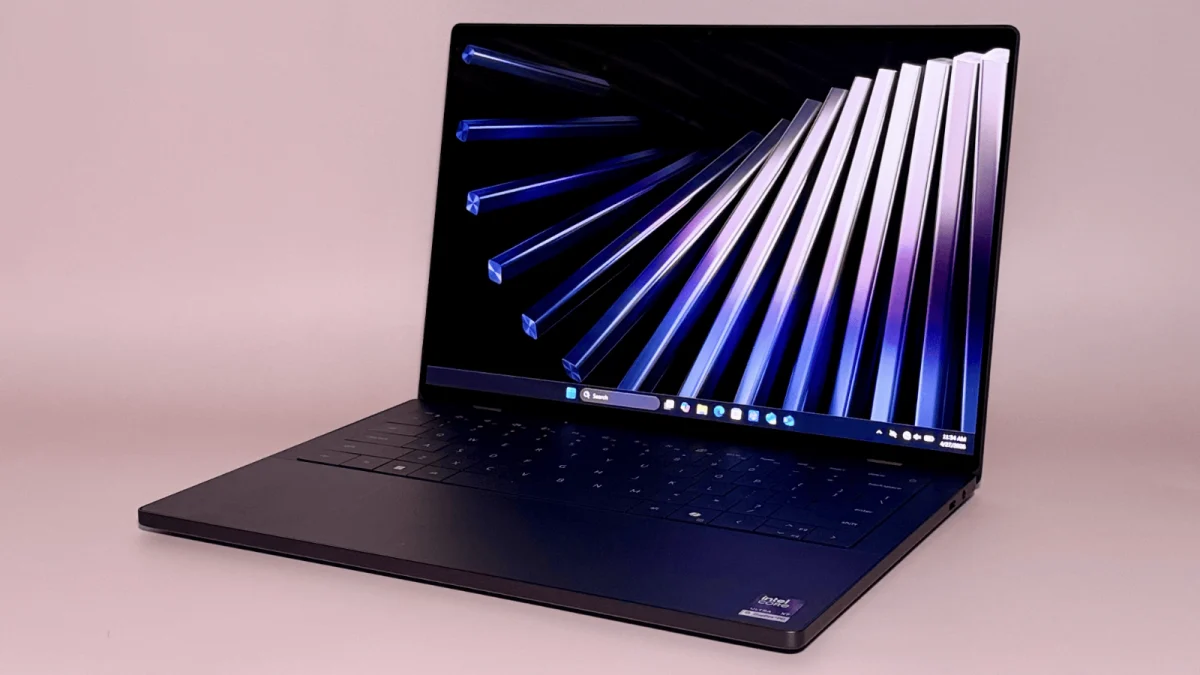
The XPS example: 31% hikes and shrinking value
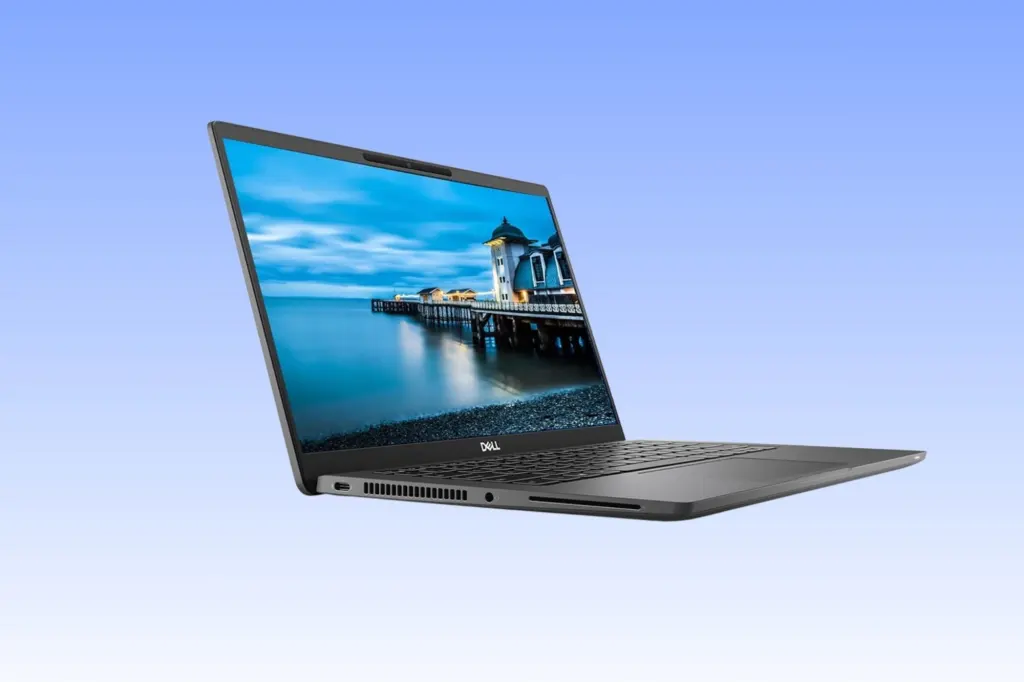
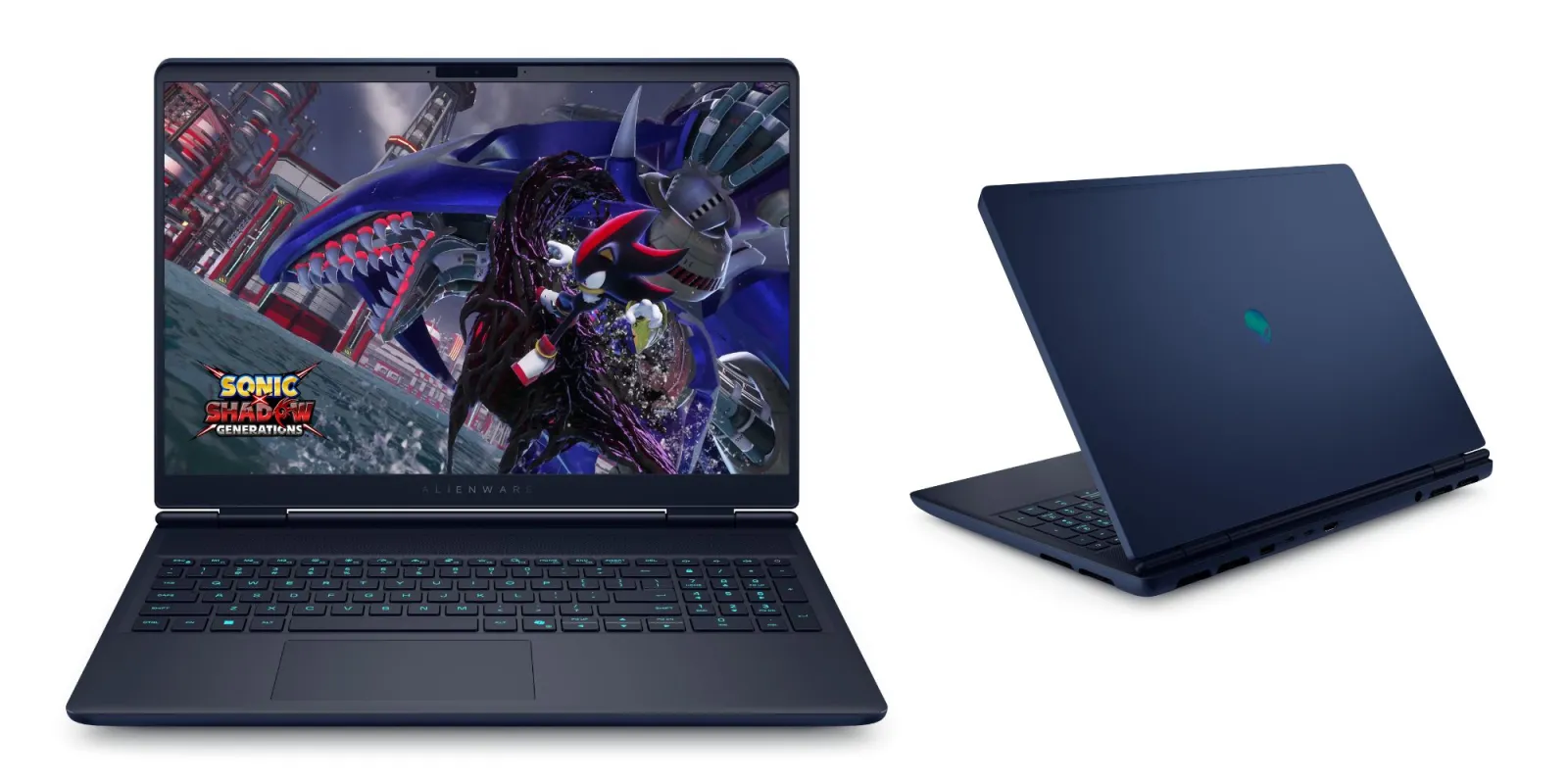
If you want to see how laptop price increases outpace real‑world gains, look at a single product line. Select configurations of the new XPS 14 have become up to 31 percent more expensive since launch at the start of the year. The starting price moved from USD 1,599.99 (approx. ₱89,600) to USD 1,889.99 (approx. ₱105,700), a USD 290 (approx. ₱16,200) jump for an entry‑level Core Ultra 5, 16GB RAM, and 512GB SSD. Higher trims climbed even harder: one upgraded XPS 14 with a Core Ultra X7 358H, Intel Arc graphics, 32GB RAM, 1TB SSD, and OLED touchscreen now costs USD 2,879.99 (approx. ₱161,000), up USD 680 (approx. ₱38,000) from USD 2,199.99 (approx. ₱123,000). And it is not an isolated story; Surface devices have reportedly risen by up to USD 500 (approx. ₱28,500) due to memory and component costs, while premium Chromebooks climbed by up to USD 250 (approx. ₱14,200). According to one report, “This crisis has been dubbed ‘RAMageddon’.”
Buyer traps: RAM, storage, batteries—and platform chaos
The modern laptop buying guide has turned into a minefield. The old advice to “buy more machine than you need” fails when brands quietly ship 8GB of soldered RAM to hit a tempting price, then charge steeply for upgrades. The 8GB laptop is now the trap to avoid first. Storage is another snare: a 256GB SSD looks fine until Windows, recovery partitions, downloads, and cloud sync swallow it, and many thin laptops no longer offer simple drive swaps. Battery claims are equally slippery; they describe the easiest possible life, not the reality of browser tabs, calls, and background apps. All of this plays out against messy CPU branding, decoder wheels for Ryzen chips, and AI PC labels that cannot fix a bad keyboard, dim screen, or weak ports. In short, understanding what you’re buying now demands decoding processor generations, platform quirks, and hidden upgrade costs before you click “checkout.”
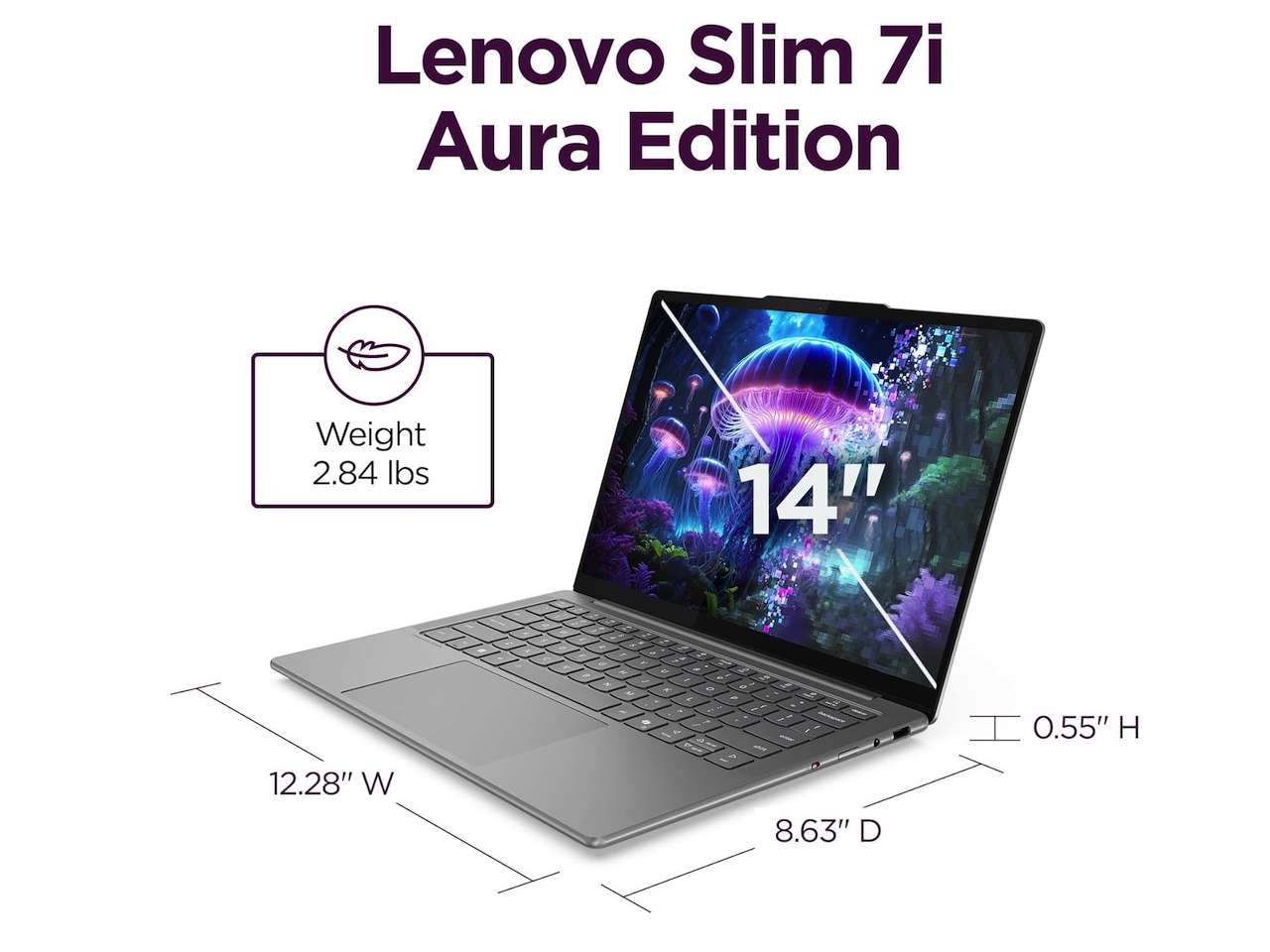
Windows vs MacBook value: why even skeptics are wavering
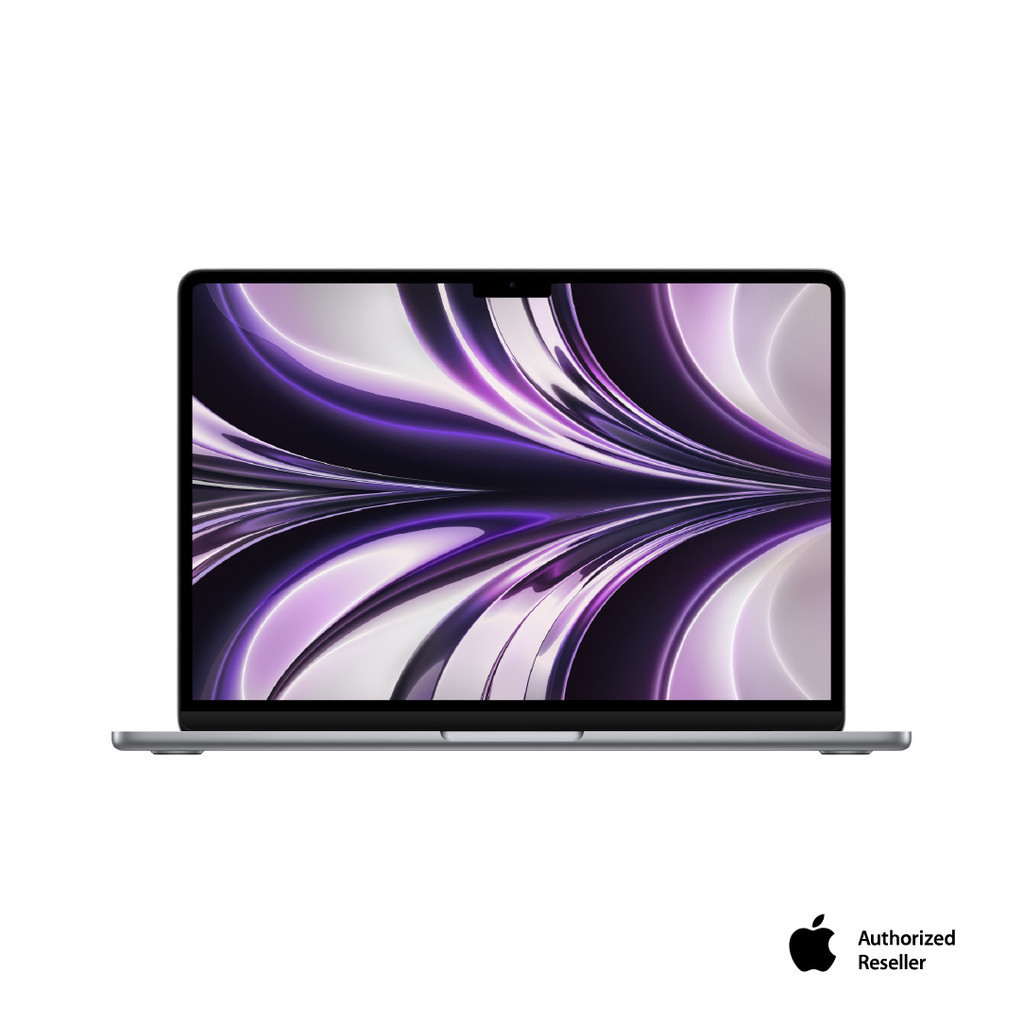
The most telling sign of how broken value has become is who is reconsidering their allegiance. One long‑time anti‑Apple shopper who mocked MacBook prices and lack of customization now says the Windows laptop market has been a “living nightmare,” and that a base M2 or M3 MacBook Air looks like the most reasonable value for money. They talk about hitting rock bottom, turning to “best ways to transition to MacBook from Windows” videos out of desperation. It is no wonder: memory and storage prices have made many Windows notebooks unaffordable for ordinary buyers, and even big brands admit that high RAM prices won’t ease before 2030. Meanwhile, MacBooks are described as offering an “incredible price to performance ratio,” with many users reporting 15+ hours of battery life on Apple silicon. Some Windows machines still offer solid deals, but the fragmented, confusing market is driving more skeptics to consider premium, more predictable alternatives.