
OxygenOS to ColorOS: The Big Switch, Plainly Explained
The OxygenOS to ColorOS switch is OnePlus’ decision to retire its long-time, near-stock Android software and move eligible phones to OPPO’s ColorOS 17 on top of Android 17, aiming to unify development, accelerate OnePlus phone updates, and deliver a more consistent experience across the wider OPPO ecosystem while keeping maintenance support for devices that stay on OxygenOS. This is not a minor tweak; it is the end of OxygenOS as a standalone platform and the start of a shared future inside OPPO’s software universe. OnePlus has framed the change as a way to simplify engineering and improve software quality by using joint research and development resources with OPPO. Fans who bought into the brand for its clean, fast software now have to decide whether those values survive under ColorOS or whether this marks the point where OnePlus stops feeling like OnePlus.
Why OnePlus Is Retiring OxygenOS and Reshaping Its Business
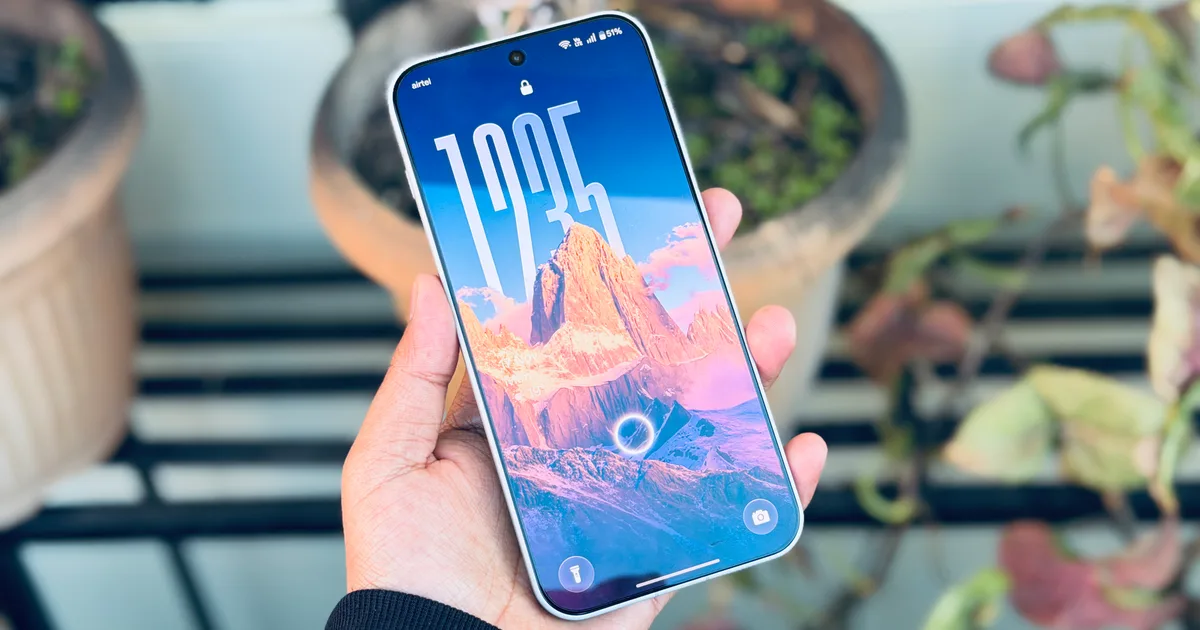
OnePlus is not killing OxygenOS on a whim; it is clearing the way for a single, OPPO-wide software stack. The company has said future OnePlus devices will transition to ColorOS as part of an operational realignment designed to simplify engineering, improve software quality, and make better use of shared research and development resources across the OPPO ecosystem. According to Moneycontrol, this unified approach is supposed to shorten software development cycles and deliver updates more quickly. In parallel, OnePlus confirmed the OxygenOS retirement in the same breath as its exit from North America and Europe, signalling that the brand is being pulled tighter into OPPO’s orbit while the parent restructures its smartphone business. OnePlus insists it will continue operating as usual in India, rejecting reports of a shutdown and asking media not to amplify unverified claims. Taken together, the move looks less like innovation and more like consolidation: fewer software branches, fewer markets, and less independence.
Which Phones Get ColorOS 17 and When
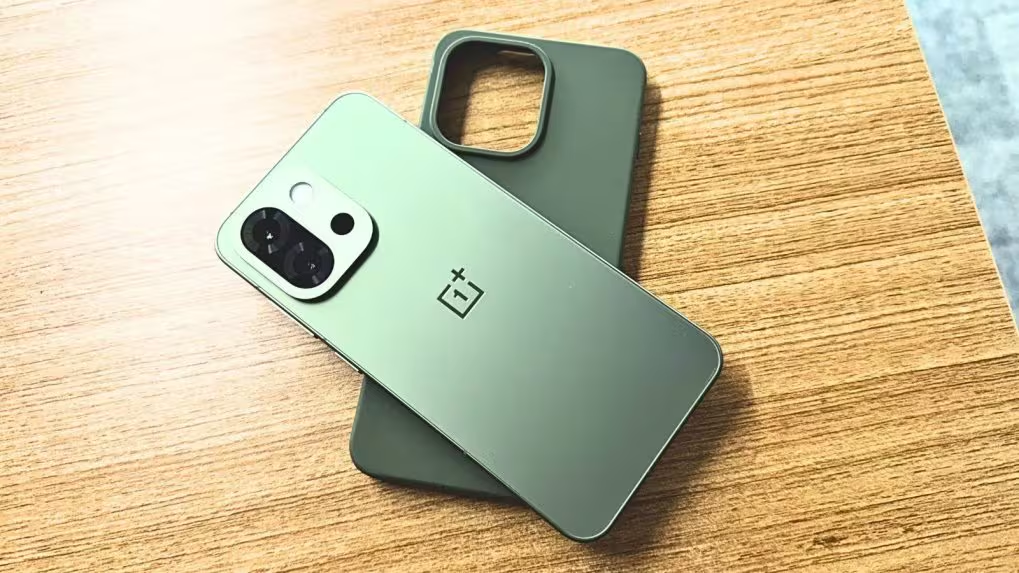
If you own a recent OnePlus phone, the ColorOS 17 update is very likely coming your way. OnePlus has said that once ColorOS 17 is live, users with eligible devices worldwide will be able to voluntarily switch to it, starting with the Android 17 cycle. An informed eligibility list, built from OnePlus’ past update patterns, suggests that the OnePlus Open, the OnePlus 15 and 15R, the 13, 13R, 13s, 13T, 12, 12R, and 11 in the number series are expected to move to ColorOS 17. In the Nord family, the Nord 6, 5, 4, Nord CE 6, CE 6 Lite, and CE 5 are tipped to transition, alongside the newer N6 and upcoming N6x phones, plus tablets such as the Pad 4, 3, 2, Pad Lite, and Pad Go 2. Earlier OxygenOS roadmaps pointed to an OxygenOS 17 rollout around November 2026; now that it is confirmed as ColorOS 17, that timing might shift, but the OnePlus 15 and 15R remain the best candidates to lead the rollout.
OxygenOS vs ColorOS: What You Lose, What You Gain
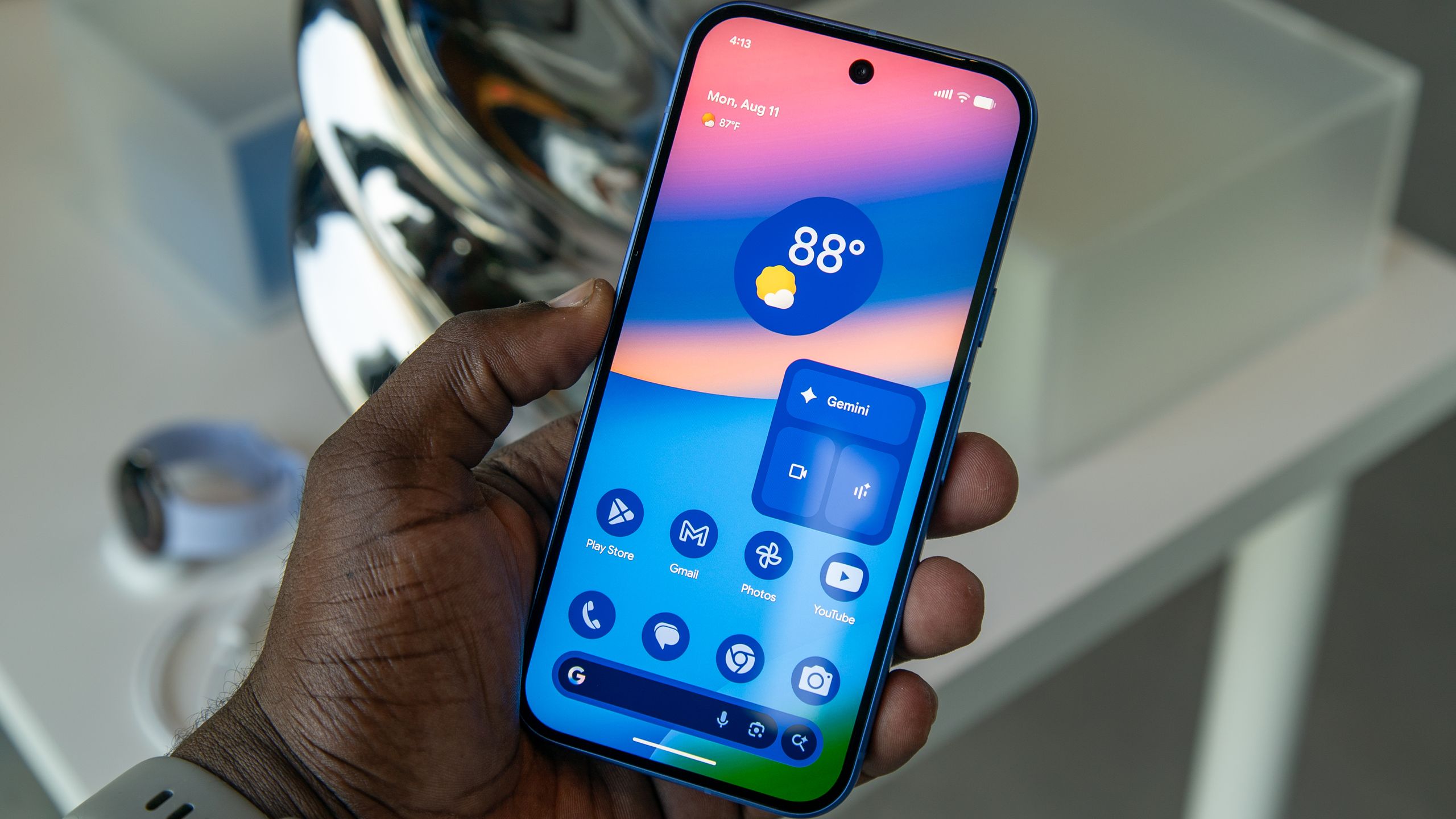
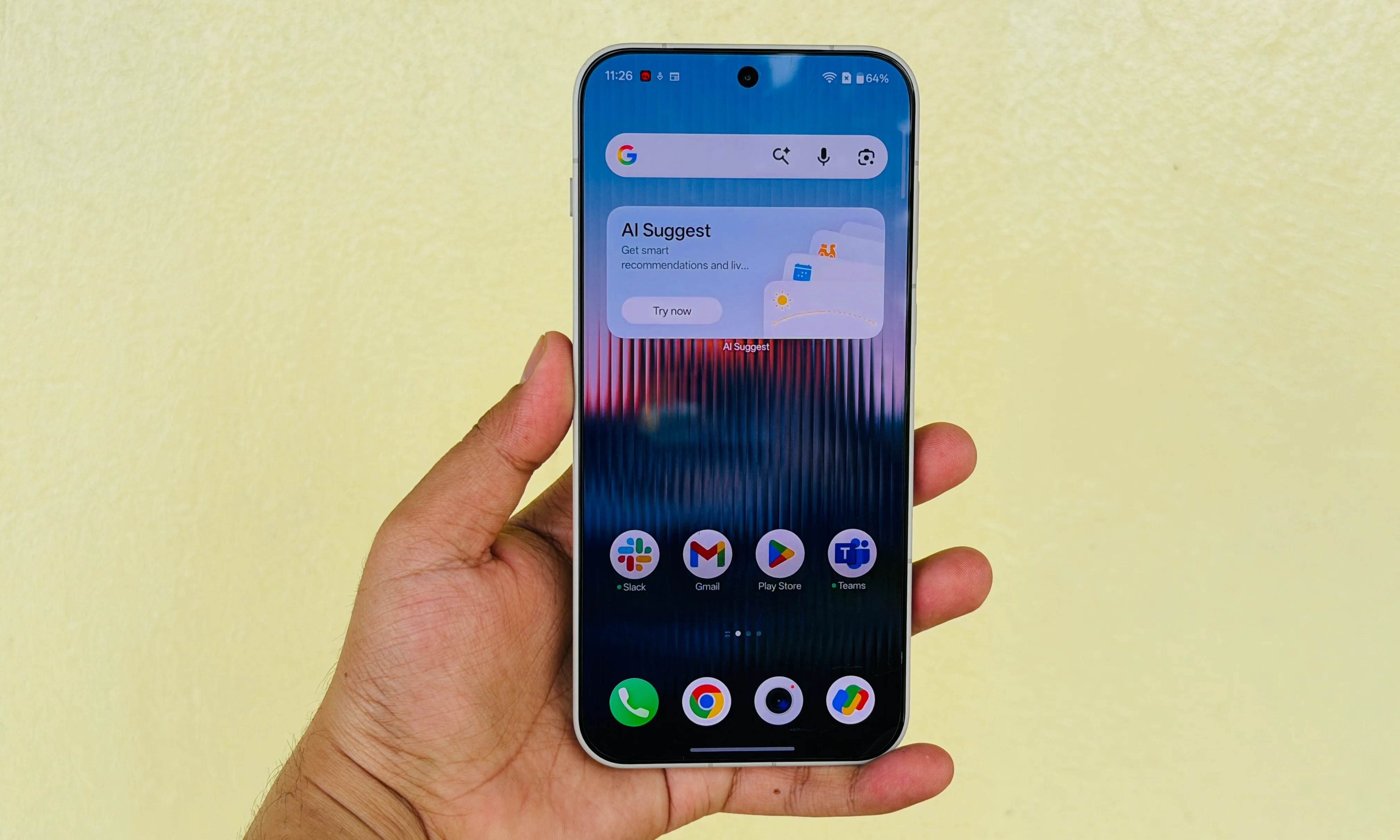
The emotional sting here is clear: OxygenOS has defined OnePlus for years, known for its lightweight interface and feel that closely resembled stock Android. ColorOS, by contrast, has always been heavier, with more visual flair and more aggressive background app handling being one of the key user-facing differences. In practice, this transition may feel less dramatic than the headlines suggest, because OxygenOS and ColorOS have shared the same underlying code base since OnePlus merged engineering resources with OPPO back in 2021. OnePlus insists its focus on a fast and user-friendly interface will remain intact despite the switch. The upside is pooled development and quicker feature rollouts; the downside is losing the distinct, minimal personality that gave OxygenOS its fan base. Whether ColorOS 17 can balance OPPO’s feature-heavy style with OnePlus’ performance-first ethos will decide if loyal users stay on board or start looking elsewhere.
Support, Rollbacks, and What This Means for Existing Users
For current OnePlus owners, the good news is that this is not a brute-force migration. Once ColorOS 17 is officially available, eligible phones will get the option to switch, not an automatic push. OnePlus has promised that every device will still receive the updates, security patches, and support it was originally promised, even if it never jumps to ColorOS. Phones that fall outside the ColorOS 17 scope will stay on their existing OxygenOS builds with maintenance support rather than full OS upgrades. Importantly, there is also a rollback option: if you move to ColorOS and regret it, OnePlus says you will be able to go back to OxygenOS, though the exact versions available for rollback have not yet been detailed. This safety net matters, but it does not change the direction of travel—OxygenOS is being retired worldwide, and ColorOS replaces it everywhere OnePlus still sells phones. In my view, the real test isn’t the transition itself; it’s whether OnePlus, now more tightly bound to OPPO, can keep delivering the kind of software experience that made people care about the brand in the first place.