
From Luxury Toy to Logical Upgrade
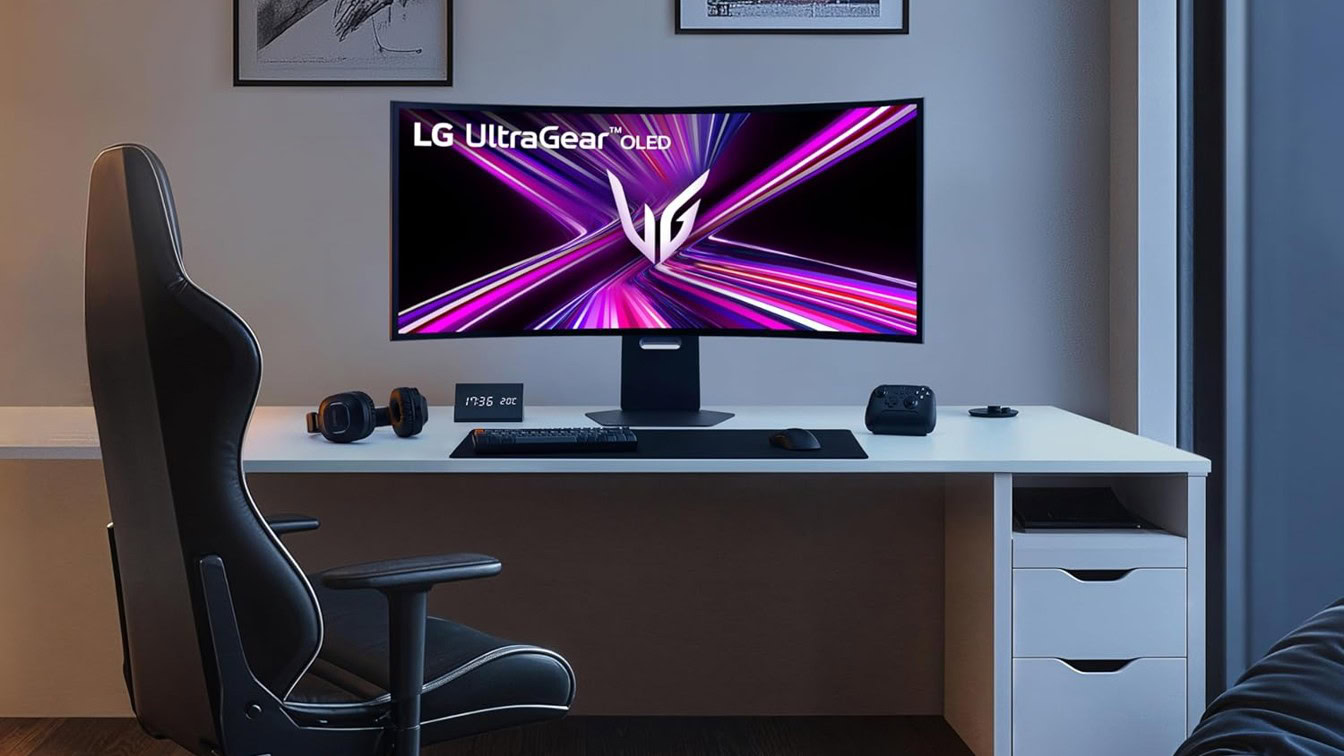
The new wave of OLED and mini-LED gaming monitors is a class of high-refresh, high-contrast displays that combine per-pixel or zone-based lighting control with competitive-level response times, bringing features once reserved for ultra-expensive flagships into a far more accessible price tier for everyday PC gamers.
The most important shift is simple: OLED gaming monitor price is no longer a deal-breaker. Recent 27-inch, 1440p panels based on both OLED and mini-LED can now be found under USD 350 (approx. ₱19,600), with mini-LED options like the KTC M27T6S around USD 290 (approx. ₱16,200) and OLED rivals such as the Alienware AW2726DM close to USD 350 (approx. ₱19,600). That used to be budget IPS territory; now it buys you elite contrast and response. Affordable gaming displays are finally worthy of high-end GPUs instead of holding them back. If you are still gaming on a washed-out 60 Hz panel, the bottleneck is probably your screen, not your graphics card.
Tandem RGB 4K OLED: Why This Generation Matters
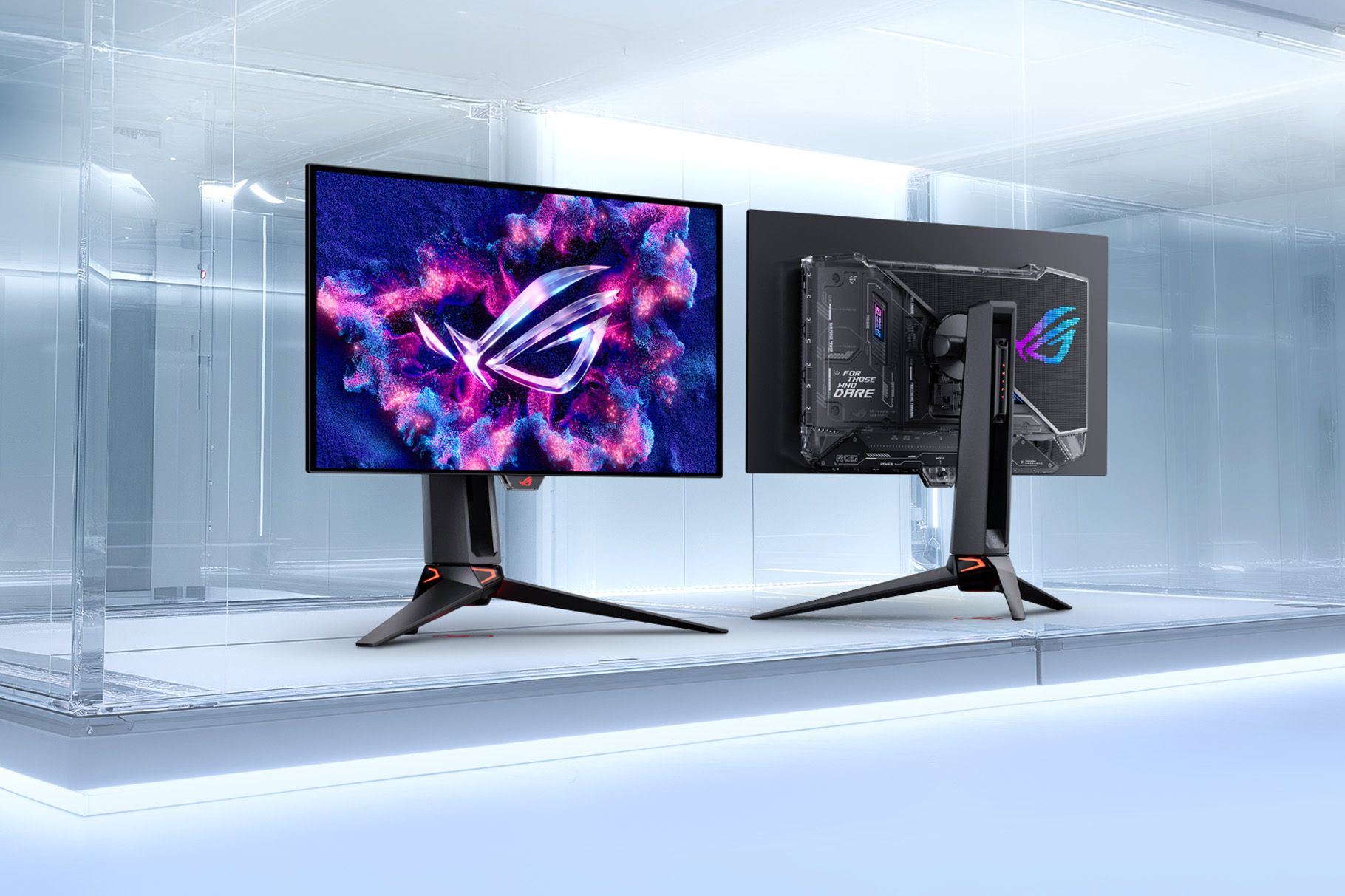
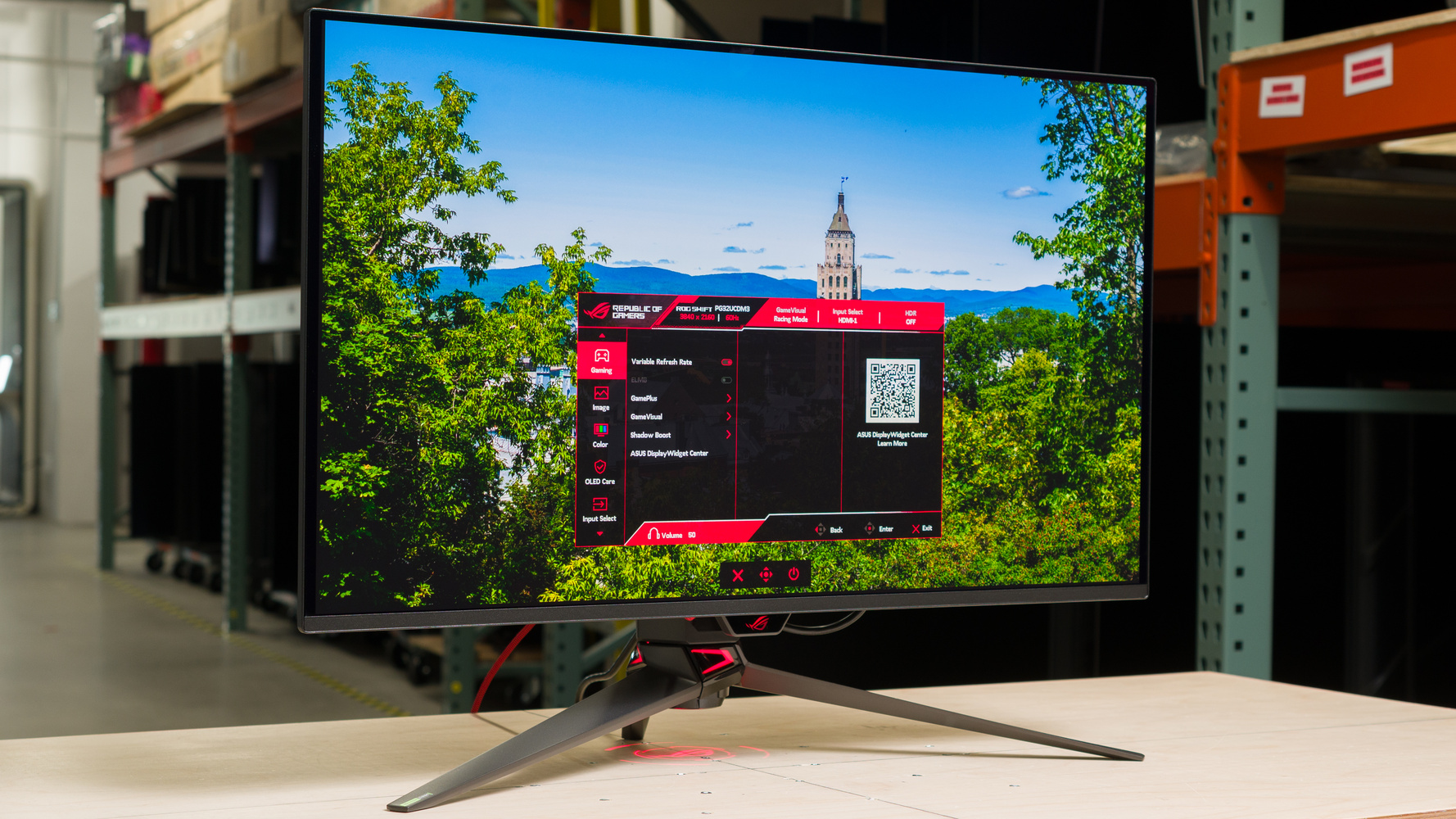
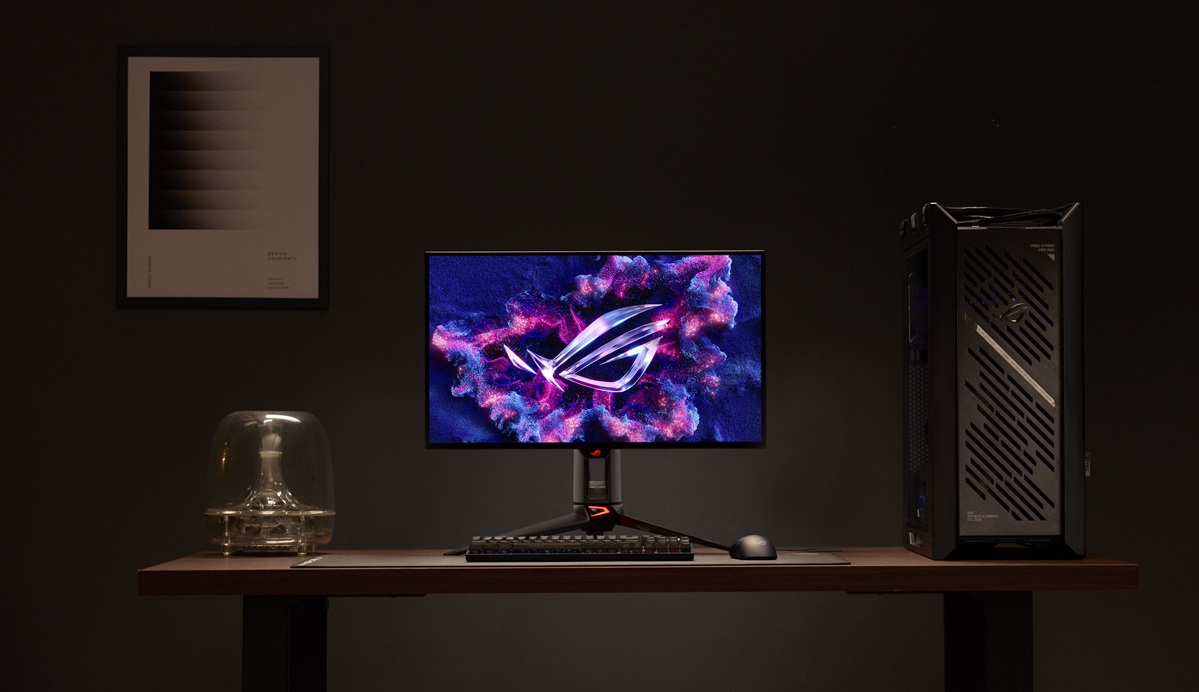
High-end 4K OLED monitors used to be synonymous with eye-watering price tags and awkward trade-offs for desktop use. That narrative is changing with tandem RGB OLED panels. ASUS’s new ROG Swift OLED PG27UCWM and PG32UCWM are the first commercial displays built on LG Display’s RGB tandem OLED technology, pairing 3840 × 2160 resolution with refresh rates up to 240 Hz in 27-inch and 32-inch formats. Both monitors use a true RGB stripe layout without the white subpixel that compromised text clarity on older WOLED designs, and they apply a TrueBlack Glossy coating for sharp, high-contrast imagery.
These are not cheap impulse buys: the PG27UCWM carries a suggested price of €1,149 and the PG32UCWM €1,259. But they are radically better thought-out flagship 4K OLED monitors. According to ASUS, “Both monitors feature a 4K true Tandem RGB OLED panel with a proprietary TrueBlack Glossy coating to deliver supersharp imagery and incredibly accurate colors”. Instead of chasing headline HDR numbers alone, they target a balance of gaming performance, color fidelity, and everyday desktop usability. For creators who also game, this generation finally looks like a monitor you can work and play on all day without squinting at fringing text.
Mini-LED Fights Back: The New Value Champion
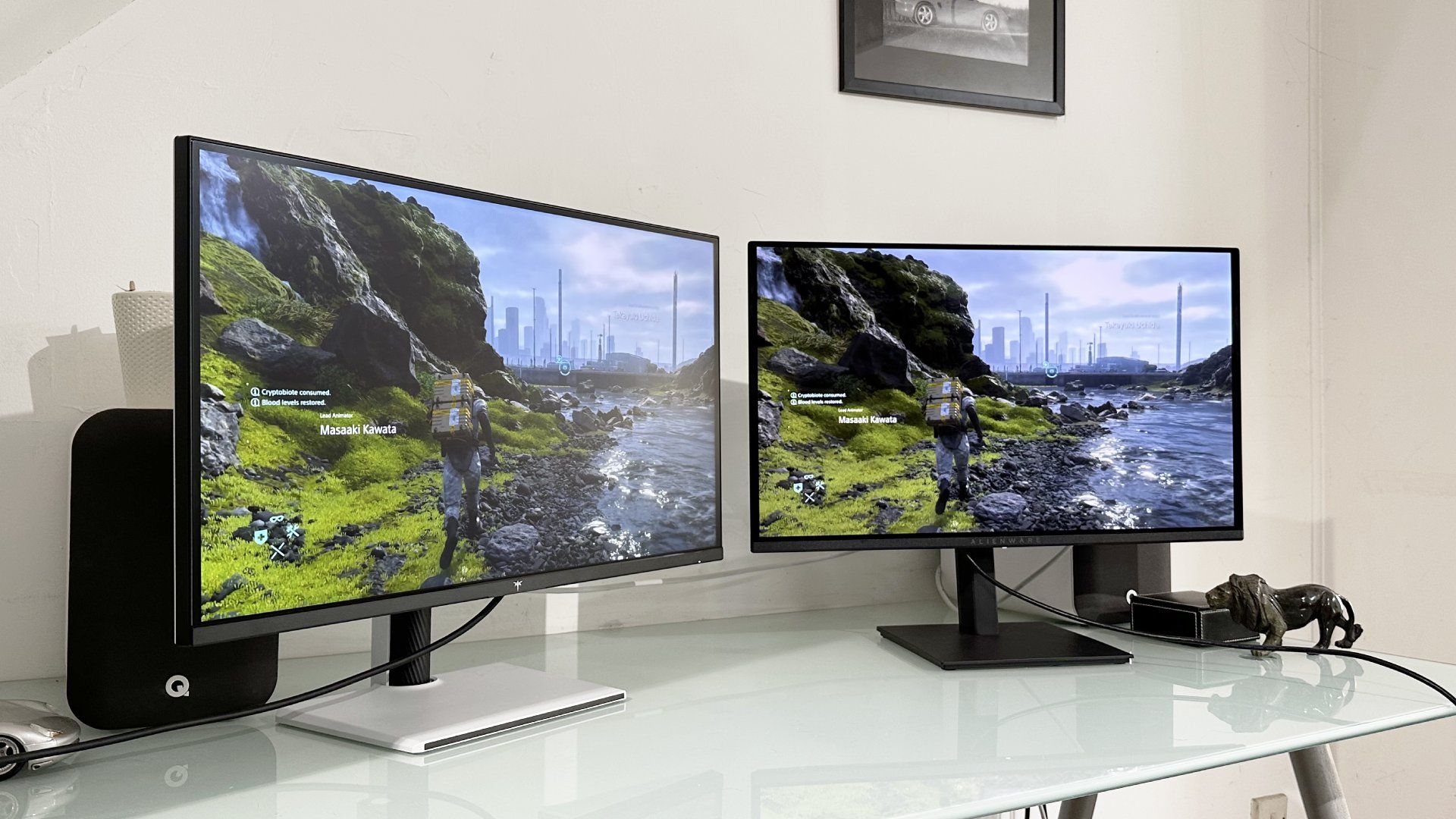
While OLED gets the hype, mini-LED is quietly becoming the value sweet spot for high-performance gaming displays. Recent 27-inch 1440p mini-LED monitors share the same sub-USD 350 (approx. ₱19,600) bracket as budget OLEDs, with the KTC M27T6S landing around USD 290 (approx. ₱16,200). That puts serious local dimming and high brightness into the realm of mainstream gaming monitor deals, not boutique specialty gear. The reviewer even notes that the KTC M27T6S was strong enough to change their opinion of mini-LED as a technology.
Mini-LED still relies on LCD panels, but its 1,000–2,000 local dimming zones deliver far better lighting control than old single-backlight designs. It has a clear advantage where OLED stumbles: full-screen brightness. Even the latest OLED monitors tend to stay under 350 nits across the whole screen, while some mini-LED models can exceed 1,000 nits. If you play bright HDR titles, or use your PC in well-lit rooms, that matters. The trade-off is that a coarse matte coating, like the one on the KTC M27T6S, can slightly soften the image and reduce perceived blacks and contrast. But if you want affordable gaming displays with punchy HDR and no burn-in anxiety, mini-LED is no longer the consolation prize—it is the rational default.
Competitive Speed for the Many, Not the Few
The most exciting part of this transition is that competitive-grade speed is trickling down instead of staying locked behind specialist esports panels. ASUS’s tandem RGB 4K OLED monitors can run at 4K up to 240 Hz, and they add a Dual Mode that flips them into Full HD at up to 480 Hz. That means one monitor can double as an absurdly sharp single-player display and a high-refresh arena for shooters. Combined with the inherent 0.03 ms response time typical of OLED panels, which removes ghosting and motion blur, you get accuracy and latency that used to require a separate 1080p TN panel.
To be clear, purist esports players may still prefer the cheapest, fastest 1080p TN screens, especially when every millisecond and dollar counts. But the point is choice. Competitive gaming benefits like 480 Hz modes and near-instant pixel transitions are no longer restricted to bland, low-contrast panels. You can buy a single high-end monitor that serves ranked play, story-driven games, and everyday browsing without feeling compromised in any of them. That is a genuine shift in how we should think about value.
The New Buying Rule: Match the Panel to Your Reality
We are past the era where OLED was an aspirational buzzword and mini-LED a niche experiment. Both technologies now span from sub-USD 350 (approx. ₱19,600) 1440p models to premium 4K OLED monitors above €1,100. The question is no longer “Can I afford this tech?” but “Which version fits how I actually play and work?” If you crave perfect blacks, near-instant response, and are comfortable managing brightness and burn-in risk, OLED is finally a practical choice from budget to flagship. If you value high brightness, HDR punch, and zero burn-in worries at a lower cost, mini-LED is a smart counter-offer.
There are downsides either way. OLED still trails in full-screen brightness and carries lingering burn-in concerns. Mini-LED can suffer from blooming and softening from aggressive matte coatings. Tandem RGB OLED sacrifices some HDR peak brightness—around 1,000 cd/m² rather than the 1,500 cd/m² of some older WRGB designs—in exchange for cleaner text and better color fidelity. But perfection was never the point. The point is that premium-level performance and features now live at prices and formats that make sense for far more people. If you were waiting for the “right time” to upgrade your display, that time looks a lot like now.