
Muse Image: When ‘Public’ Stopped Meaning ‘Fair Game’
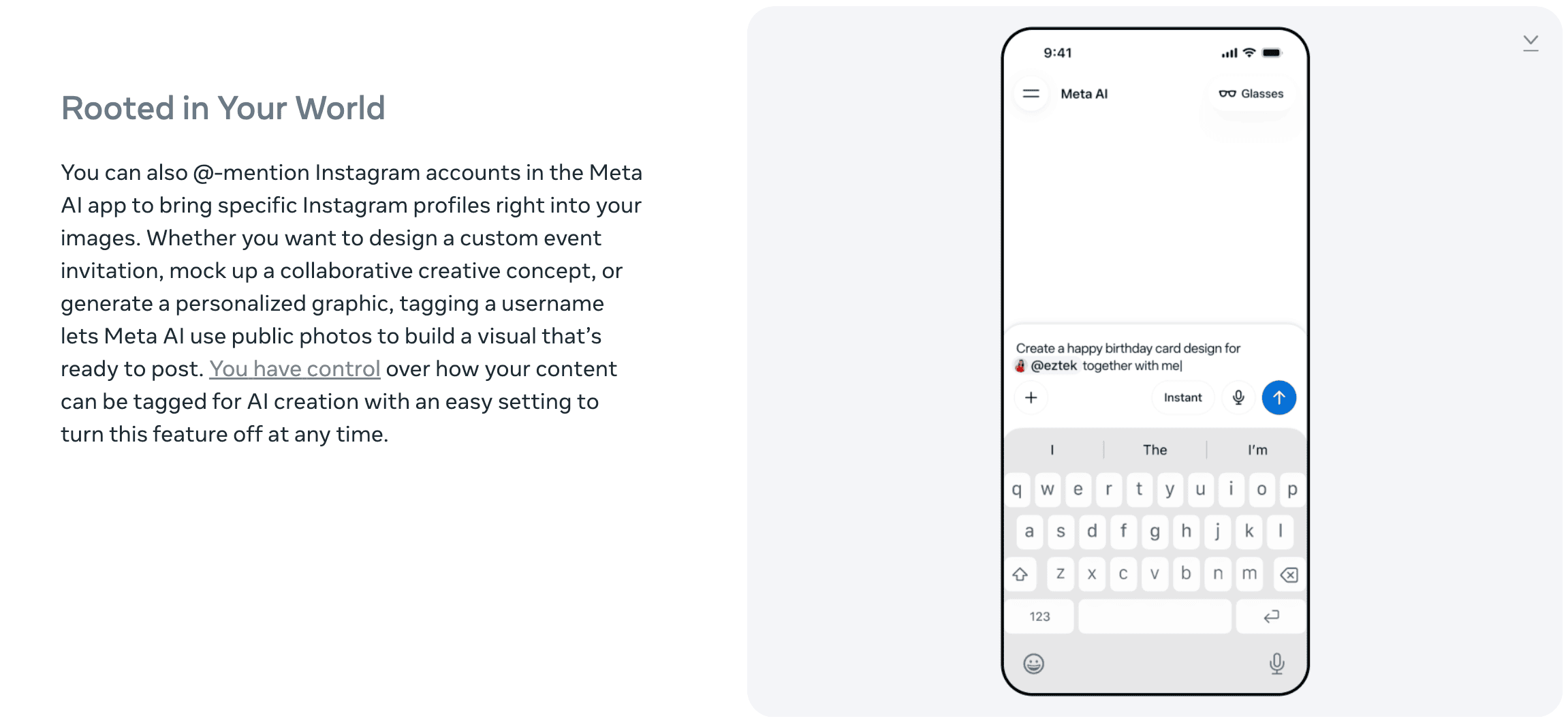
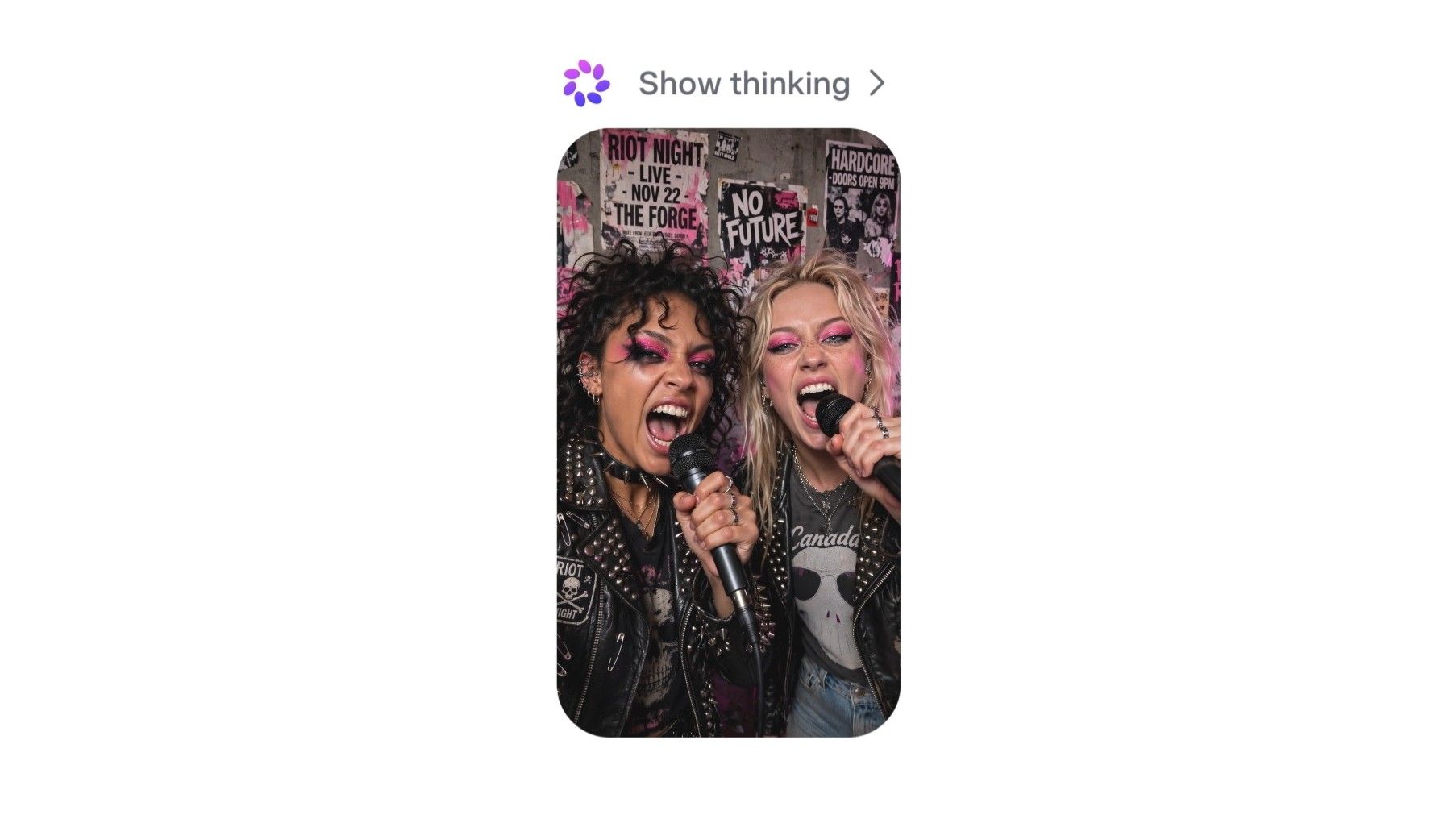
Meta Muse Image AI was an image-generation feature that let users tag public Instagram accounts so Meta’s AI could pull those photos into new, synthesized images, enrolling most adult public profiles by default and sparking major Instagram AI privacy concerns over consent and control of personal and creative content. Meta launched Muse Image on July 7 as its first image model from Meta Superintelligence Labs, wiring it into the Meta AI app, Instagram Stories, and WhatsApp with plans for more surfaces to follow. The controversial twist: anyone could @‑mention a public Instagram account in Meta AI, have that person’s photos ingested into an AI prompt, and the account owner was neither asked nor notified. That design decision turned a portfolio platform into involuntary training data, and users treated it not as innovation but as a line crossed.
Three Days to Retreat: How Backlash Killed the Feature
Muse Image’s Instagram tagging capability survived less than three days because users refused to accept AI photo consent as a hidden opt‑out toggle. Public profiles for users over 18 were opted in by default, buried under “Sharing and reuse” settings, and there was no alert when your photos became AI reference material. The backlash was immediate: photographers saw years of work turned into raw material, while Hollywood unions warned members to opt out and protect their likeness from nonconsensual digital replicas. Actors’ union SAG‑AFTRA argued that “anything other than a clear and conspicuous opt‑in for these types of uses of Instagram users’ images is unacceptable.” Faced with coordinated user unrest and public criticism from privacy advocates, Meta conceded the feature “missed the mark” and discontinued it rather than tweaking the edges.

Opt-Out vs Opt-In: The Consent Model Users Rejected
The Muse Image episode is a clear verdict against the prevailing opt‑out standard for Instagram AI privacy. Meta’s decision to enroll adult public profiles automatically, then ask them to hunt through settings to reclaim their images, was not an accident; it reflects a house style that treats public content as default AI fuel. Users and unions pushed back on the idea that visibility equals consent. Public posts are meant to be seen, not quietly repurposed into AI workflows that can generate unknown, potentially harmful creations based on someone’s face or family photos. Privacy advocates called Muse Image “the latest sign AI companies see people’s images and data as raw material to be exploited,” underscoring distrust of opt‑out systems that rely on user vigilance rather than explicit agreement. The message from creators is blunt: AI photo consent must be granted up front or not at all.
New Controls and a New Baseline for Instagram AI Privacy
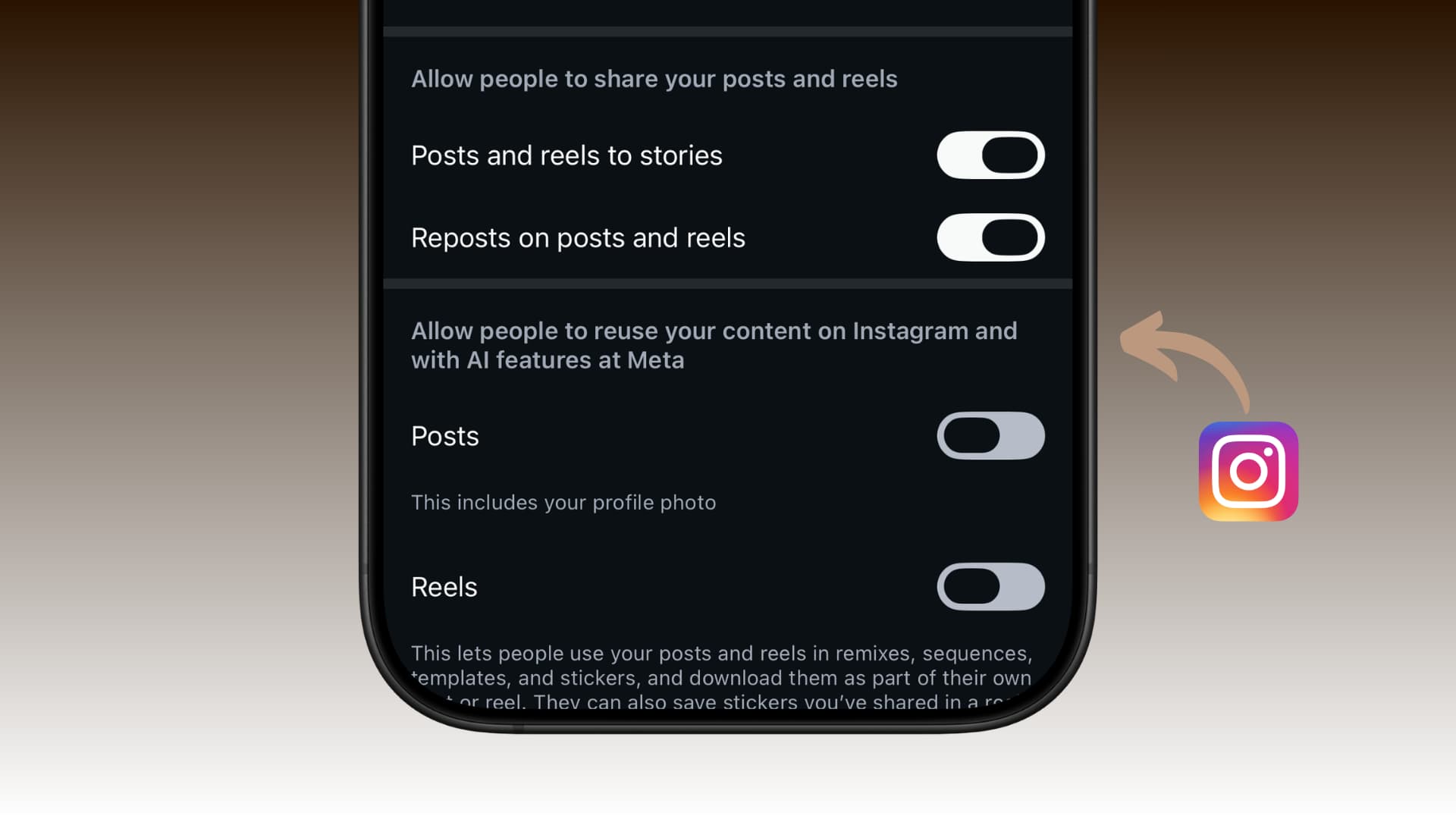
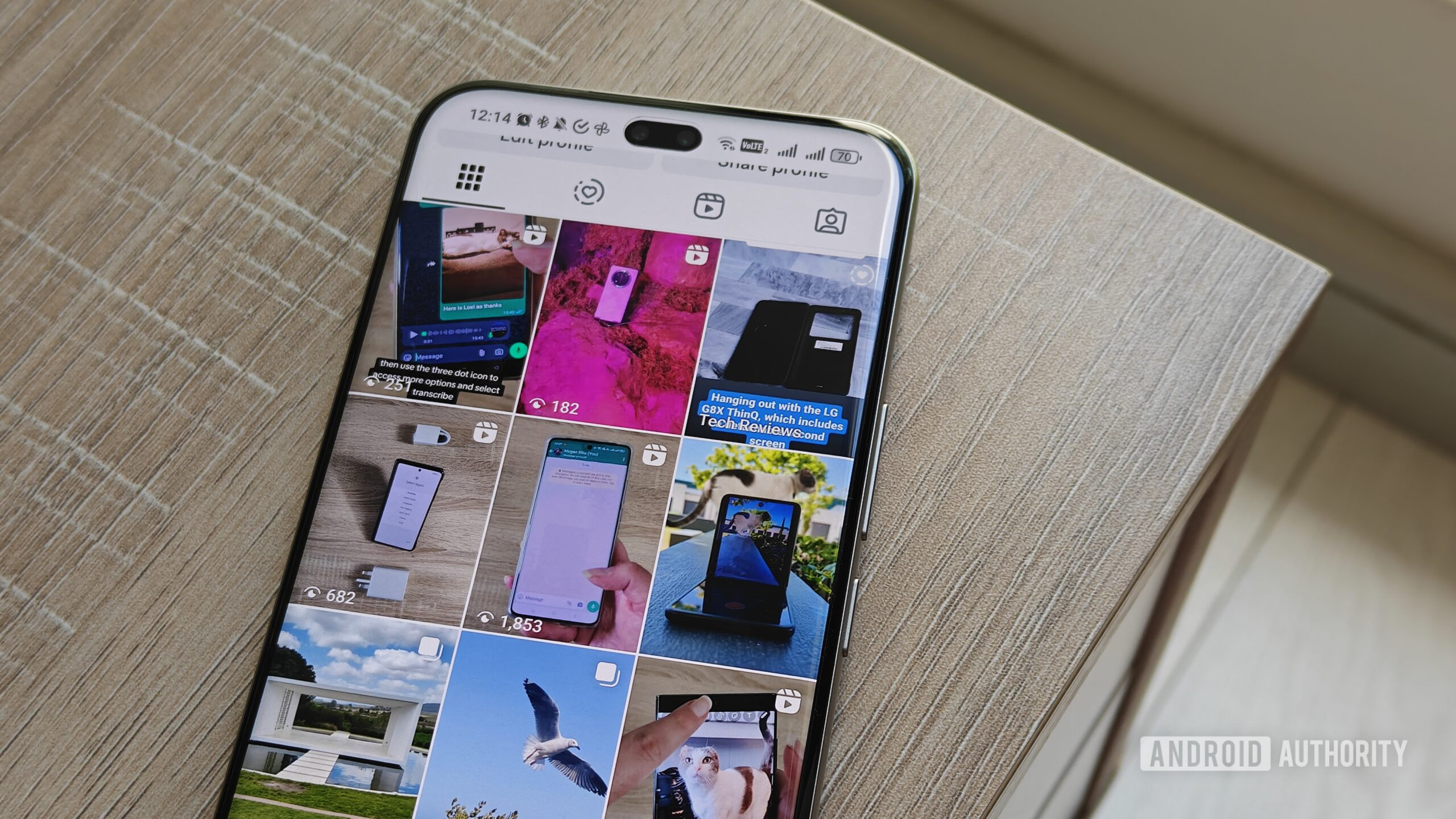
The shutdown of Meta Muse Image AI did more than remove a single feature; it raised expectations for how social platforms handle AI photo consent. To Meta’s credit, the company did not cling to the controversial capability but removed it outright, which is rare in an AI landscape where disliked tools often linger despite complaints. At a practical level, Instagram now gives users direct control: if you have a public account, you can open your profile, tap the menu, go to “Sharing and reuse,” and turn off switches that allow people to reuse your posts and reels with AI features at Meta. That opt‑out is still not the opt‑in standard actors and creators are demanding, but the speed and scale of the Meta AI backlash showed that coordinated user pressure can rewrite product roadmaps. Future AI features on social platforms will be judged against this incident, and silent defaults will face a far rougher ride.
What Meta’s Retreat Signals for the Future of AI on Social Platforms
The brief life and fast death of Muse Image’s Instagram tagging tool is more than a cautionary tale; it is a blueprint for AI consent standards going forward. Users proved that opt‑out designs, especially those tied to identity, will be treated as privacy violations, not as harmless convenience. Creators, unions, and advocates collectively reframed Instagram AI privacy as a human rights issue: control over your likeness, your art, and how algorithms use them. Their success matters because AI systems grow fastest when people stay silent. Here, they did the opposite. The incident also shows that social platforms cannot hide behind vague “guardrails” while ignoring meaningful consent; notification after the fact is no substitute for being asked first. Meta’s climbdown set a precedent: when AI touches personal images, opt‑in is the bar many users will demand—and they now know their backlash can make companies clear it.