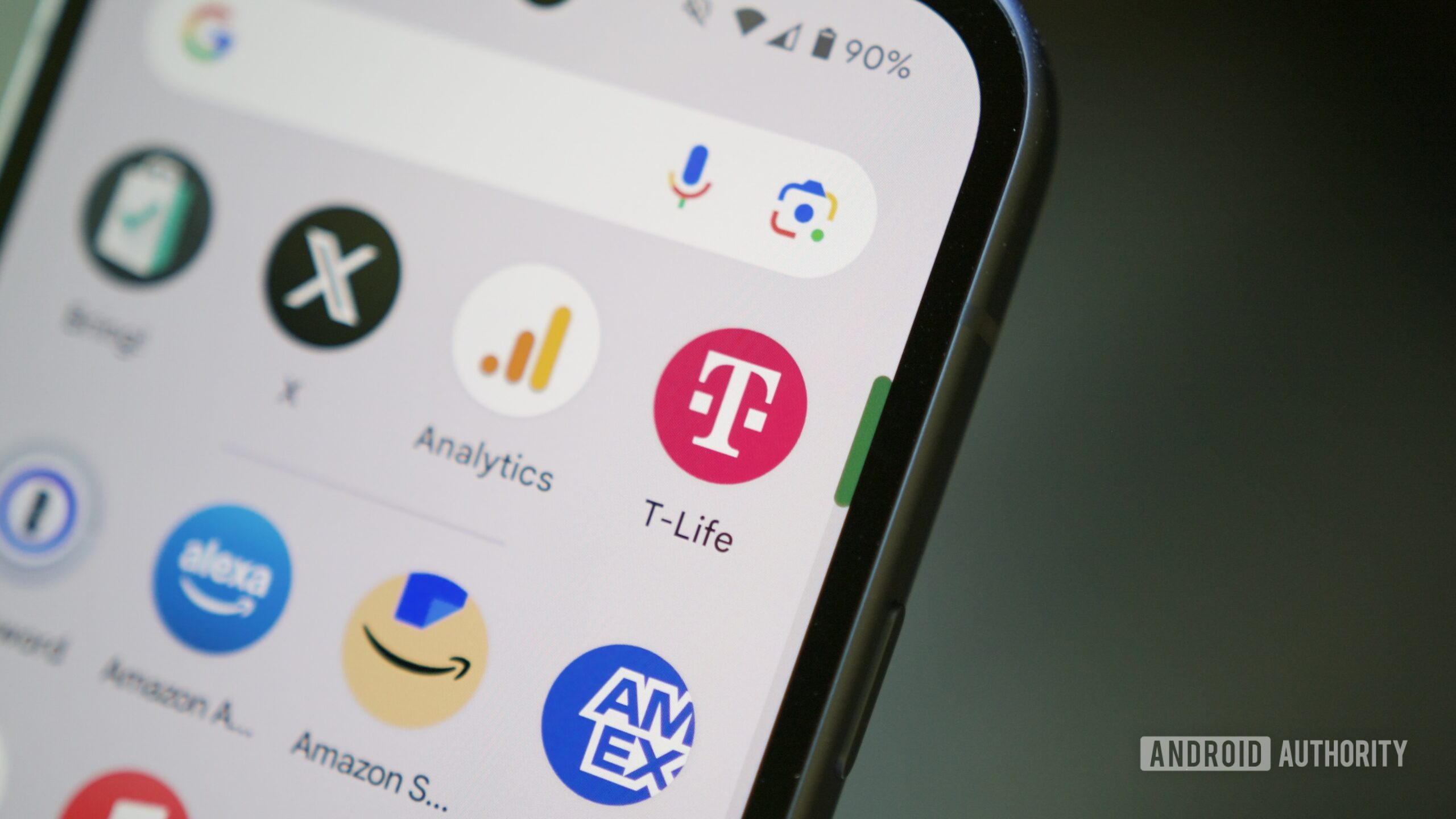

T-Life’s New “Personalization” Is About Power Over Your Data
T-Mobile’s T-Life app is an account-management and rewards tool that increasingly functions as a data collection hub, building richer customer profiles and interest-based preferences to personalize benefits and experiences while feeding broader carrier data privacy questions about how much a telecom provider can know about its subscribers.
T-Mobile has made T-Life central to the customer experience: the app already handles account management, shopping, support and customer benefits, and in physical stores all retail transactions now run through it. The company has publicly committed to “expanding personalization through richer account profiles and interest-based preferences,” promising tailored benefits and small touches like birthday recognition. That sounds pleasant, but this trend shifts power sharply toward the carrier. When your wireless provider controls both the network and an always-on app tied to your identity, personalization is inseparable from surveillance. You are not only a customer; you are also a data source. The unanswered question is whether these expanded profiles will remain confined to perks, or quietly plug into the carrier’s advertising machinery.

What T-Mobile Collects: Beyond One App, Into Your Network Life
The real issue is not a single app but the carrier-wide system of T-Mobile data collection. T-Life sits beside a broader ad infrastructure described in the company’s privacy notice, which lists three customer-facing programs. Relevant Ads uses app-usage information, demographic data that T-Mobile either buys or that customers provide, and a mobile advertising ID (MAID) to infer interests and deliver ads to your device. Tailored Offers and Ads, the current opt-in program, may analyze app usage, purchases, browsing activity, precise location and certain Customer Proprietary Network Information (CPNI) to build audience groups and personalize offers.
This ecosystem extends beyond T-Life itself. The company says it automatically receives device, app, network and location information whenever customers use its services, even if they uninstall the app. It may also allow third parties, including Google, to place cookies or pixels on its apps and websites for tracking and targeted advertising. In other words, deleting T-Life is not a privacy reset; it is a cosmetic change over a persistent tracking engine. The privacy risk is structural: your carrier sits between every app you use and the wider internet, giving it a privileged window into your digital life.
How Much Your Carrier Knows—and Why That Should Worry You
When a telecom provider talks about “richer account profiles” and “interest-based preferences,” it is signaling a decision to turn subscriber data into a business asset. T-Mobile says these details will surface benefits and experiences tailored to each customer, including small gestures like birthday recognition. But as one report notes, this push toward personalization raises concerns that it is “also a bid to gain more user data for advertising and marketing purposes.” That concern is not paranoia; it is an acknowledgement that personalization and targeted advertising share the same raw material: your behavioral and demographic data.
Carrier data privacy is uniquely sensitive because your provider sees more than any single app: network usage, approximate or precise location, device identifiers and, under some programs, elements of CPNI. Uninstalling T-Life does not end this collection; the carrier automatically receives device, app, network and location information when you use its services. The uncomfortable truth is that the more integrated T-Life becomes with account management and in-store transactions, the harder it is to separate what you must share to receive service from what the company wants to know to fuel marketing and analytics.
Practical Steps: Auditing T-Life and Opting Out of Targeted Ads
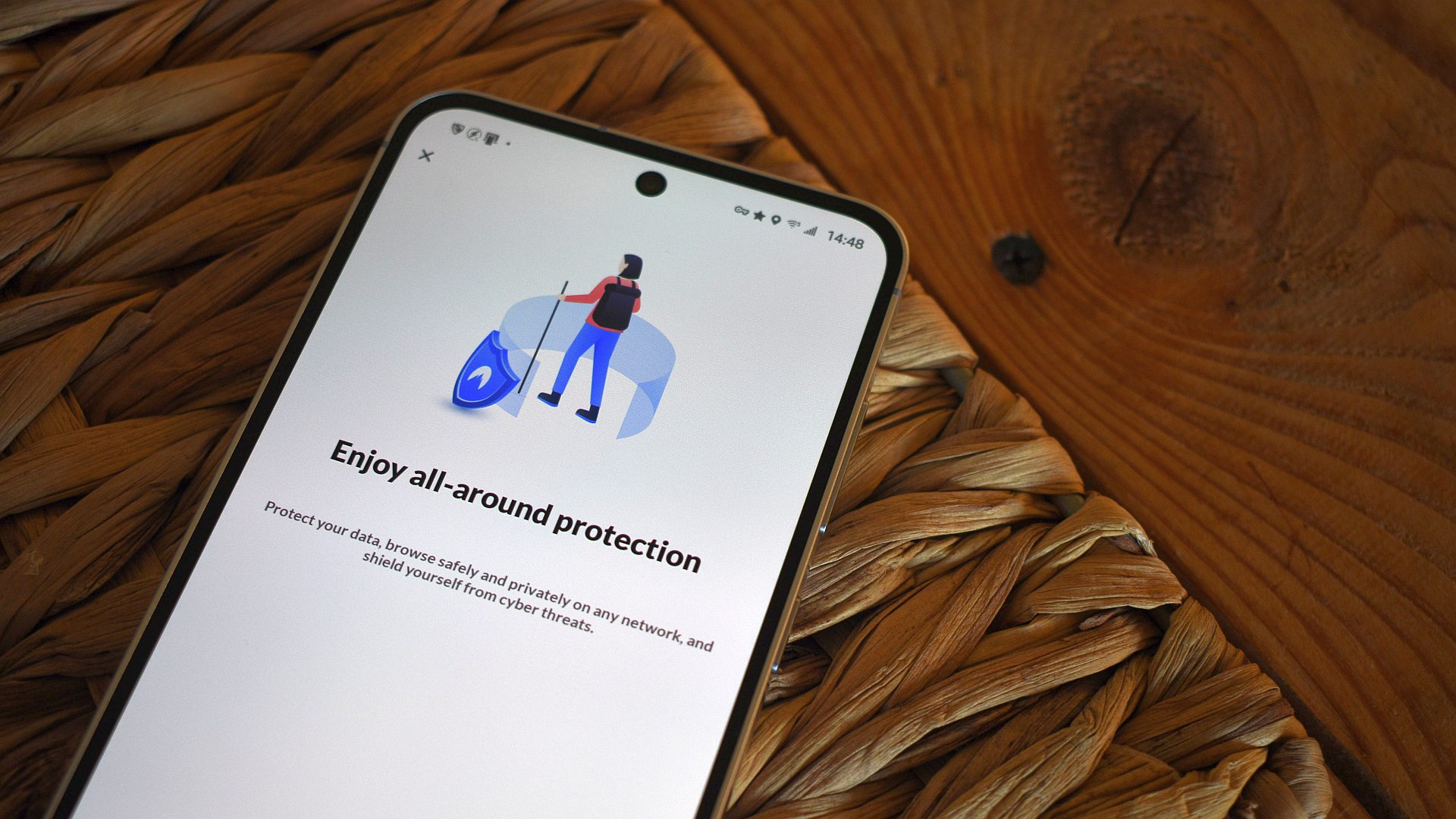
You cannot fully disconnect from carrier tracking without giving up service, but you can trim the data firehose. T-Mobile provides multiple app privacy settings and account-level controls, and you need to treat them as a checklist, not a single switch. Customers should review Relevant Ads, Tailored Offers and Ads, analytics settings and the Do Not Sell or Share option separately. In T-Life, you can open Manage, tap the gear icon, choose Privacy and policies, then open the Privacy Dashboard to inspect and adjust these settings.
On the device side, Android users can search Settings for Ads or Advertising ID and delete or reset this identifier, though menu names vary. Doing so limits identifier-based targeting on the device, yet it does not erase information already held by T-Mobile or stop processing needed to provide service. You should also assume that cookies and pixels from third parties may be present on carrier apps and websites and adjust browser and app settings accordingly. The goal is not perfection but reduction: cutting down the amount of data available for profiling and targeted advertising wherever you can opt out targeted ads without breaking core service.
What IT Teams and Organizations Need to Do Now
For enterprises, T-Life is not only a convenience app; it is a governance problem. IT teams should document privacy settings for managed accounts and review mobile device management policies around permissions, advertising identifiers and third-party components. One report points out that a recent third-party Android SDK flaw and a Microsoft 365 token vulnerability underline why governance must cover embedded software and authentication data, not only visible app permissions. When carrier apps blend account management, rewards and advertising, any weak point in that chain can expose corporate data or employee behavior patterns.
T-Mobile has a separate business privacy notice, while some very small business accounts opened with an individual’s Social Security number fall under the consumer notice. Organizations should confirm which notice and settings apply to corporate-liable, employee-owned and small-business lines. They should also make clear decisions about whether employees are allowed or required to use T-Life for account changes, in-store support and perks. The conclusion is blunt: organizations cannot rely on one privacy toggle; app permissions, carrier account choices and device controls all require separate review before you can claim to manage carrier data privacy responsibly.