
Variable Aperture: The Moment Mobile Cameras Grow Up
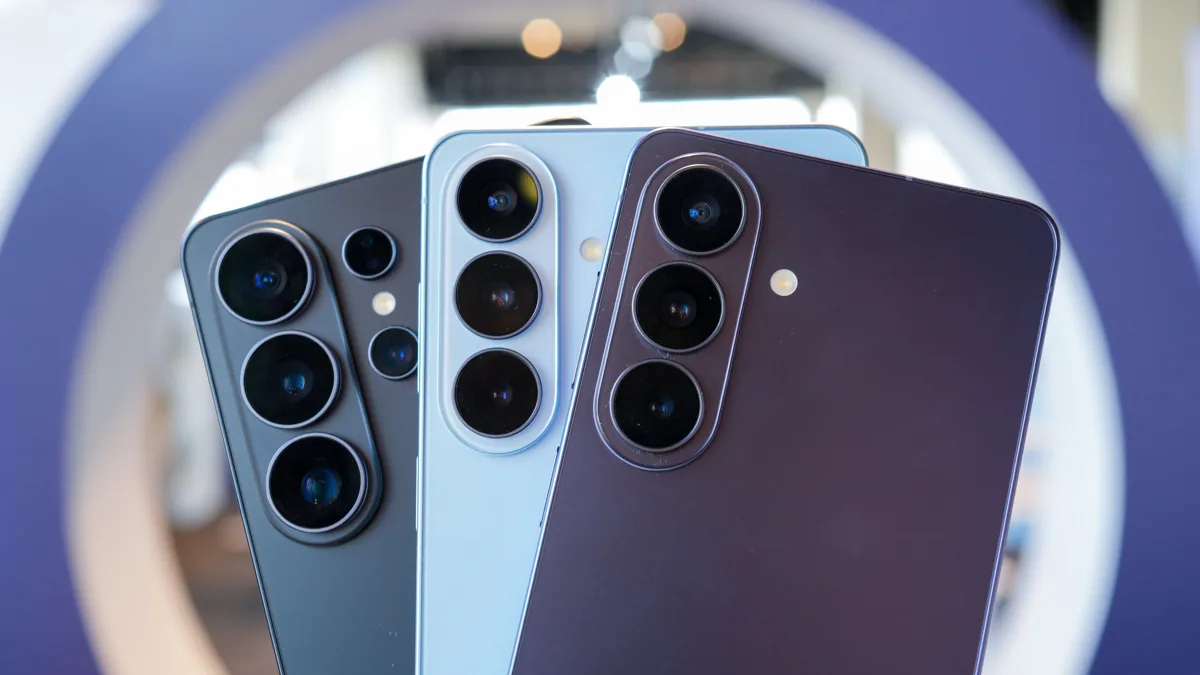
Variable aperture in the iPhone 18 Pro camera refers to a lens system that can physically widen or narrow the opening through which light hits the sensor, allowing the phone to adapt to changing brightness and produce more natural background blur in a way that fixed-aperture smartphones cannot match. This is the first smartphone upgrade in years that feels like it could reshape how people shoot everyday photos, not just tweak specs. Apple has already raised resolution across its three rear cameras to 48MP; now it is turning to controlling light instead of stacking more megapixels. If these leaks hold, the iPhone 18 Pro variable aperture iPhone will mark a clear line between old phone cameras and a new era where aperture is as important as the sensor.
From Computational Tricks to Authentic Depth of Field
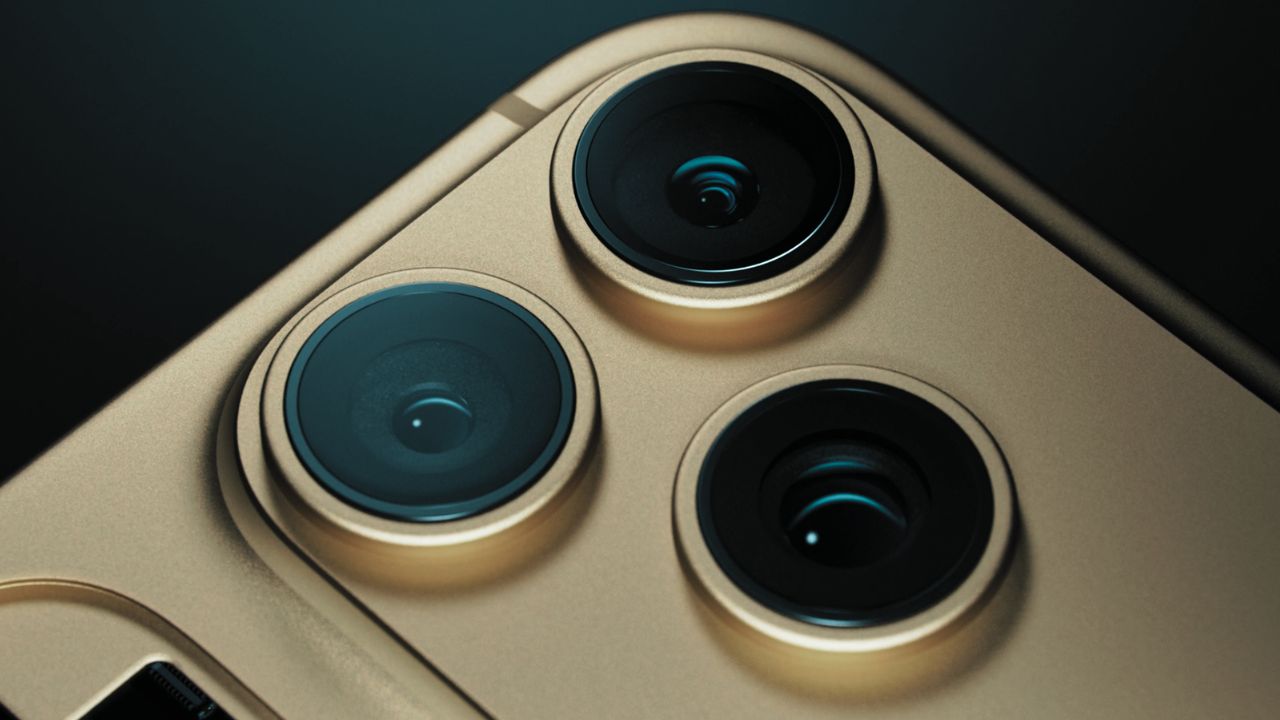
The most important shift is philosophical: Apple appears ready to move mobile photography aperture from a software illusion to a physical control. Current portrait modes fake smartphone depth of field with algorithms; they blur backgrounds after capture, often smudging hair, glasses, or edges. A real variable aperture lets the lens itself decide how much light and blur you get, instead of asking the processor to guess. On paper, the Sony IMX905 sensor keeps the same 1.22-micron pixel size, so the leap is not in raw silicon. The leap is in choice. Being able to narrow the aperture for sharp group shots and widen it for natural background separation finally answers what photographers have been asking for since phones became their main camera.
Why Dynamic Aperture Matters More Than Another Megapixel Bump
Dynamic aperture adjustment is a practical fix for the biggest everyday camera complaint: phones struggle at the extremes of light. The iPhone 18 Pro camera is rumoured to open wider in dim scenes to pull in more light and then close down in harsh sunlight to avoid blown highlights, instead of relying only on ISO and clever post-processing. That should mean cleaner low-light photos and more natural background blur with less dependence on heavy computational tricks. In theory, this does for exposure what Night mode did for dark scenes—except now the hardware is doing the heavy lifting. The telephoto, ultra-wide, LiDAR and front camera are expected to stay unchanged, signalling that Apple is betting one well-executed main lens upgrade will matter more than spreading small gains across four cameras.
Leaks, Launch Timing and the Cost of Real Camera Progress
The timing of these leaks is telling. After a ransomware attack on supplier Tata Electronics, people combed through internal files and surfaced the diagnostic log describing the iPhone 18 Pro’s variable camera aperture and Sony sensor pairing. At the same time, reports say Apple is considering a new two-stage launch strategy: iPhone 18 Pro, Pro Max and a first foldable phone in September 2026, followed by more affordable models like the base iPhone 18, iPhone Air 2 and iPhone 18e in spring 2027. According to Bloomberg, this staggered schedule aims to smooth revenue instead of relying on one big event. Hardware progress has a price: next-generation chip production could rise by 50%, and leaks suggest Pro prices may climb by up to USD 200 (approx. ₱11,200). That is the premium Apple seems willing to charge for a camera that behaves less like a phone and more like a dedicated camera.
Should You Wait? The Case for Holding Out Until September
We are in the familiar pre-launch period when people debate upgrading now or waiting for the September reveal. This time, the answer leans toward patience. The iPhone 18 Pro variable camera aperture looks like the biggest hardware change in Apple’s camera system this cycle, and it lands alongside a smaller Dynamic Island, brighter LTPO+ displays, thicker Pro Max battery and the A20 chip built on TSMC’s 2nm process with wafer-level memory integration. Overall, the Pro and Pro Max are expected to arrive in September, neatly aligned with Apple’s usual cycle but with far more emphasis on how the camera handles light than on flashy design tweaks. If photography is the main reason you upgrade, this is the rare year where waiting could transform your pictures instead of just refreshing your phone.