

The Rise of Specialized Mobile Apps
Specialized mobile apps are focused, profession-orientated tools built for narrow but demanding workflows, designed to replace generic software with tailored, native experiences that connect content, collaboration, and context in a single place for people who need to work fast on their phones, tablets, and laptops.
Three new launches make this trend impossible to ignore. Cadrage Studio brings a full pre-production suite for filmmakers to iPhone, iPad, and Mac via a subscription model, exiting early access and moving into the main app stores. Epis, from RoseBerry, targets vertical video microdrama audiences and creators with a direct-to-consumer app filled with originals and repurposed TV IP. Cited, from Eyes On Eyecare, aims squarely at retina specialists, mixing research discovery with social-style interaction. These are not generic utilities. They are opinionated tools that assume you live and work on mobile—and that your workflow deserves its own dedicated environment.
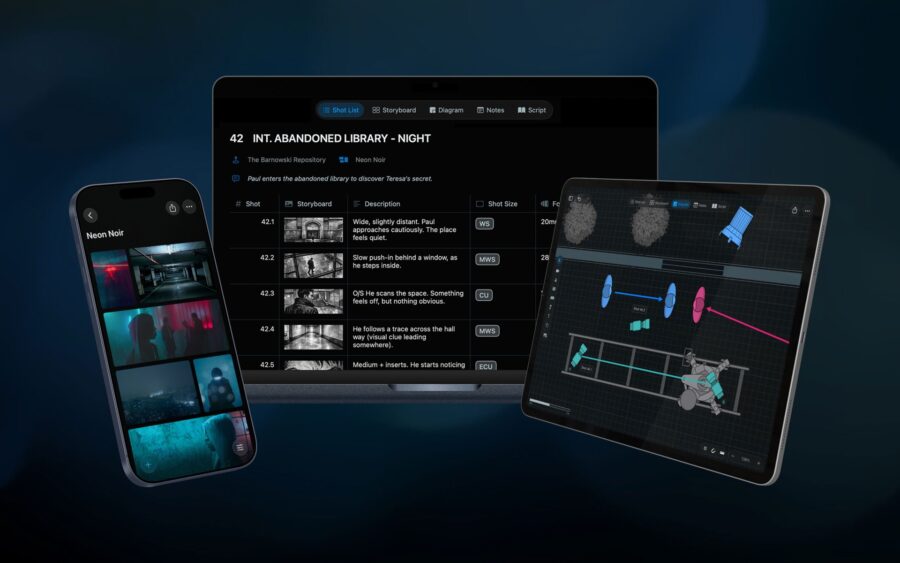
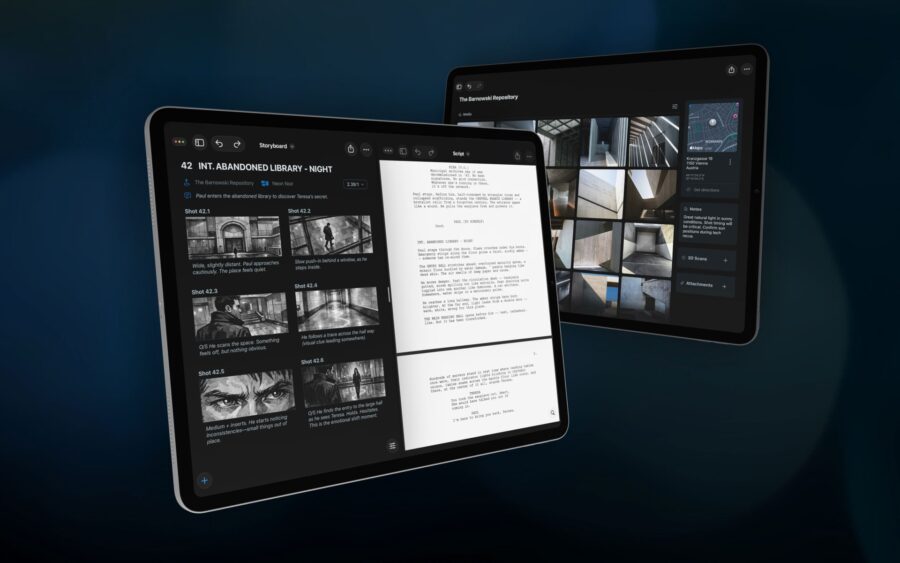
Cadrage Studio: A Prep Room in Your Pocket
Cadrage Studio is what happens when a trusted professional creative tool decides the phone and tablet should be the primary pre-production hub, not a fallback. Built by the team behind a widely used director’s viewfinder, this new suite extends from framing shots into the whole pre-production pipeline: shot lists, camera diagrams, mood boards, locations, and script live together in one connected workspace across iPhone, iPad, and Mac. It aims to replace the messy stack of shared folders, random documents, and single-purpose apps that many crews still juggle before a shoot.
The move to a subscription priced at USD 19.99 (approx. ₱1,120) per month or USD 99.99 (approx. ₱5,600) per year, with a 7-day free trial on the annual plan, signals confidence that filmmakers will pay for a reliable, always-synced prep environment. This is not an experimental 1.0 release; the company notes it has already been used on multiple feature films and commercials during a closed beta. Crucially, upcoming features are being developed with feedback from filmmakers already using the app on set, which keeps it grounded in real production pain points rather than abstract software roadmaps.
Epis: Vertical Video Grows Up
Vertical video apps have long been dominated by user-generated chaos, but Epis argues that mobile-first does not have to mean disposable. RoseBerry’s new app enters the booming vertical video microdrama market—which the company pegs as a USD 10 billion (approx. ₱560 billion) global opportunity—with a curated catalog of more than 100 bite-sized microseries at launch. Available globally via the major app stores and mobile web, Epis focuses on serialized stories told in 1–3 minute episodes, engineered to end on cliffhangers that keep viewers swiping and, importantly, paying or watching ads.
This is a direct challenge to the notion that vertical storytelling is only for salacious, low-rent content. RoseBerry has already struck deals with major independent production and distribution houses to adapt long-form shows into vertical microseries using a proprietary, AI-assisted 12-step process, giving older TV libraries new life on phones. According to RoseBerry’s founders, “Subscribers spend as much as 60 minutes per session on the app,” underscoring that vertical does not have to be snack-only. Weekly title rollouts and more than 25 original vertical productions in the pipeline, combined with plans for ad-supported viewing, suggest Epis wants to become a serious, multi-model platform for both audiences and IP owners.
Cited: Turning Research into a Social Feed
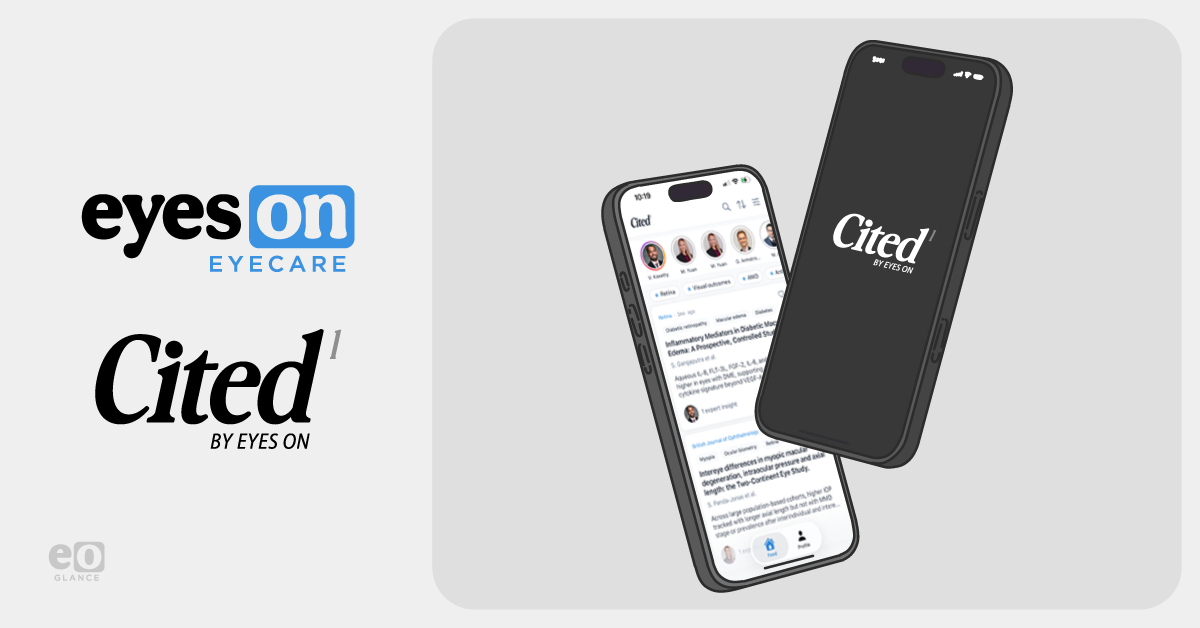
If Epis treats viewers as always-on drama fans, Cited treats retina specialists as knowledge workers who live in spare minutes on their phones. Billed as “PubMed meets Instagram Stories,” the app delivers a fast, swipeable feed of the latest peer-reviewed retina and ophthalmology research for iPhone and iPad. It exists because retina specialists make up the largest share of ophthalmology subspecialties, which translates into a heavy volume of research that clinicians struggle to keep up with; Cited offers a reimagined way to discover, digest, and react to that literature.
Each paper in the app comes with three layers: a plain-language AI summary, a direct link to the original source, and short video reactions recorded by practicing ophthalmologists. These “KOL Stories” turn static abstracts into 60-second perspectives that add caveats, context, and clinical relevance, transforming passive reading into conversation. As the company puts it, by pairing trusted summaries with candid peer commentary, the app turns literature review into an active, social experience among the specialists who treat these conditions. Cited is a pointed statement: for many clinicians, meaningful continuing education will happen in feeds, not PDFs.
Why These Niche App Launches Matter
Taken together, Cadrage Studio, Epis, and Cited show where professional creative tools and clinical utilities are heading: deep into narrow problems, and onto the devices people already use all day. Each product refuses the old assumption that complex work belongs on desktop-bound web platforms. Instead, they embed specialized workflows into native mobile experiences, aligning with how filmmakers, storytellers, and clinicians actually operate—between shoots, between episodes, between patients.
There are trade-offs. Subscriptions add cost pressure to already-expensive creative pipelines; microdrama’s cliffhanger economics risk prioritizing compulsion over craft; and social-style feeds for medical research must be careful not to turn nuance into sound bites. But the direction of travel is clear. The next wave of specialized mobile apps will not try to be everything for everyone. They will be unapologetically niche, tuned to specific professions and formats, and judged on whether they meaningfully compress the distance between idea, information, and action. For many users, that focus will be worth far more than another generic app icon on the home screen.