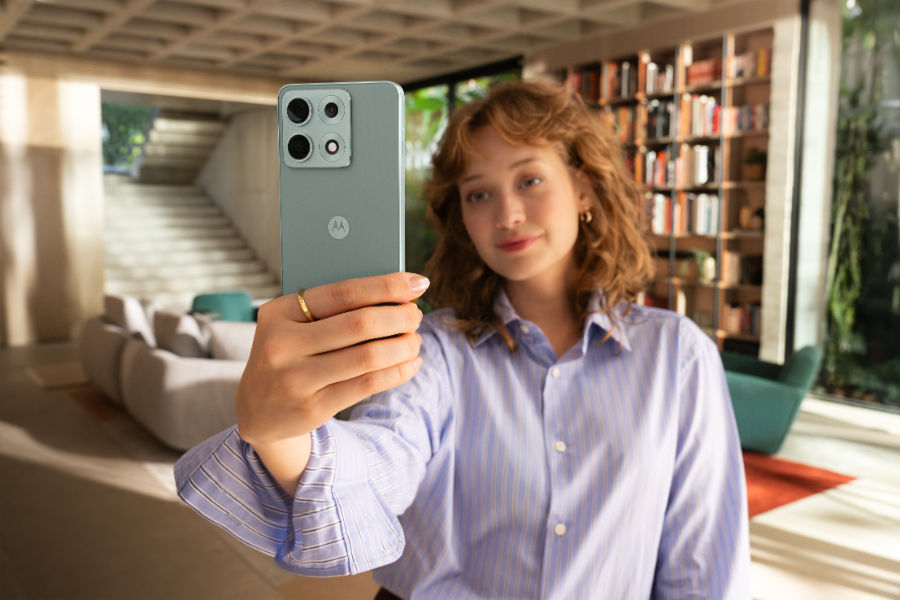

Qi2 without the case: why the Edge 70 Max matters
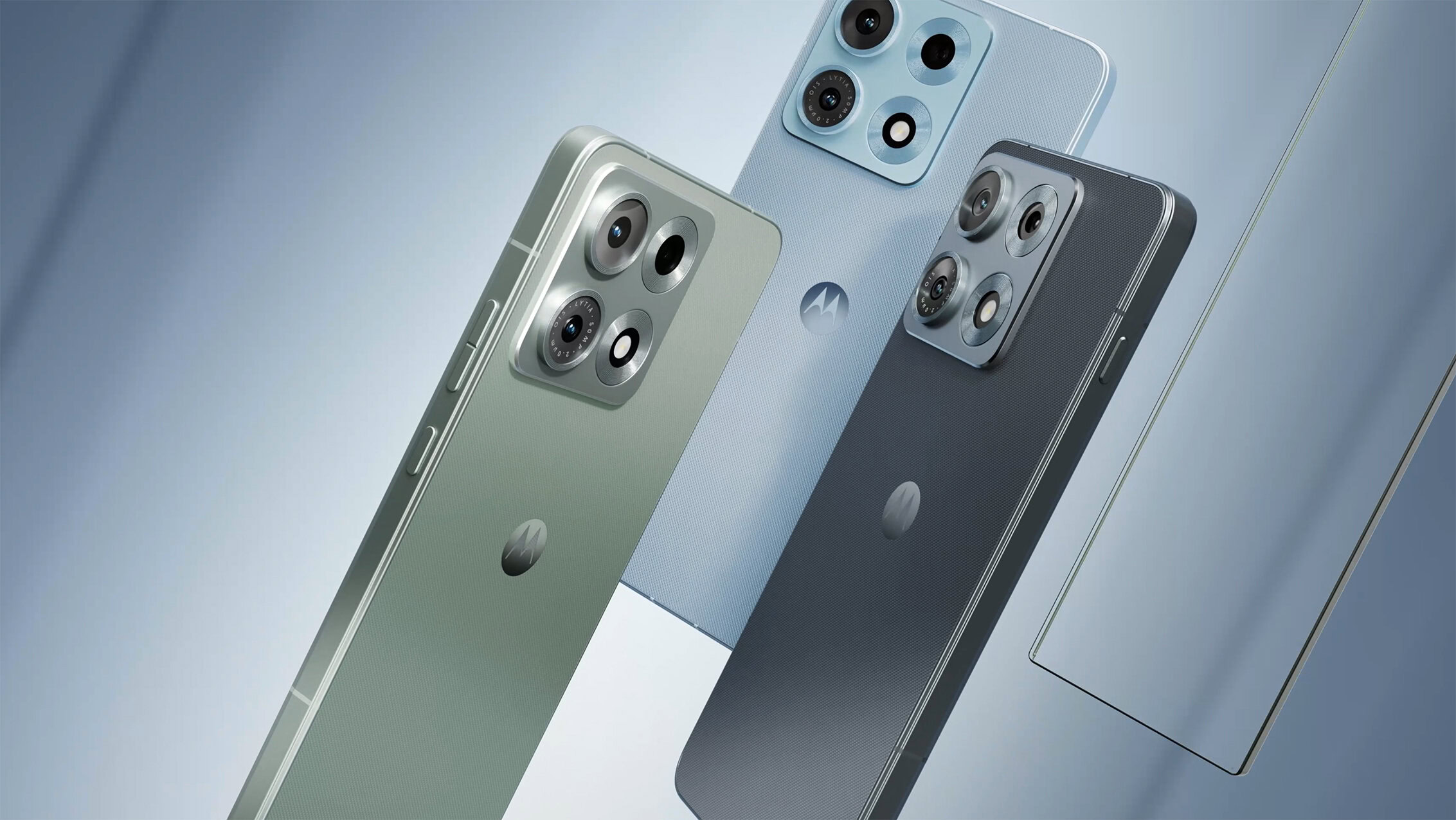
The Motorola Edge 70 Max is a mid-range Android phone that combines a 7,100mAh silicon-carbon battery, built-in Qi2 magnetic wireless charging, and rapid wired charging to deliver a charging experience that competes with and in some ways exceeds many flagship smartphones. Motorola has officially launched the Motorola Edge 70 Max with integrated Qi2 magnets in the phone’s chassis, so magnetic wireless charging and accessories work out of the box, without a special case or stick-on ring. That sounds like a small quality-of-life tweak, but it changes how this device fits into the Android landscape: magnetic car mounts, wallets, and stands become default, not expensive extras. Combined with that huge 7,100mAh cell, the Edge 70 Max turns charging from a chore into part of its identity—and that should worry rival brands that still treat wireless charging as a checkbox feature instead of a core experience.
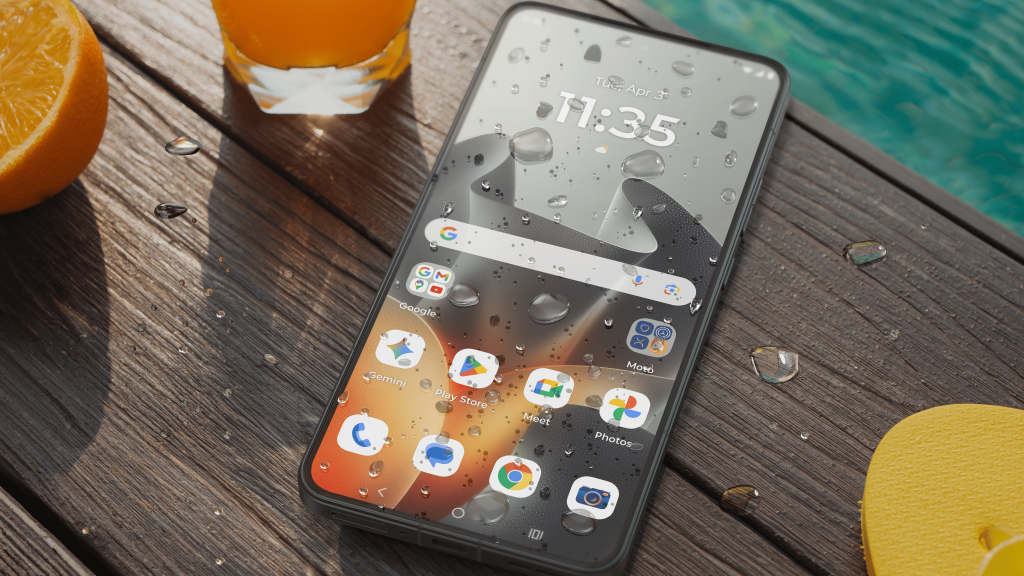
A 7,100mAh battery that embarrasses rivals
The heart of the Edge 70 Max story is its 7,100mAh silicon-carbon battery, Motorola’s largest yet in this series. At this capacity, it “blows similarly-priced rivals including the Galaxy S26 (4300mAh) and Pixel 10 (4970mAh) out of the water.” This is not marginally better; it is a different tier of endurance. One source notes that the Edge 70 Max should be a multi-day phone for most people, which is exactly what many users hoped flagships would deliver but rarely see in practice. Instead of chasing razor-thin frames at the cost of battery anxiety, Motorola leans into longevity. The message is clear: a mid-range Android phone can and should last through heavy social scrolling, GPS, and gaming without living on a charger. With 7,100mAh, less time is spent hunting for outlets and power banks throughout a busy day.
Qi2 magnetic charging that acts like a first-class feature
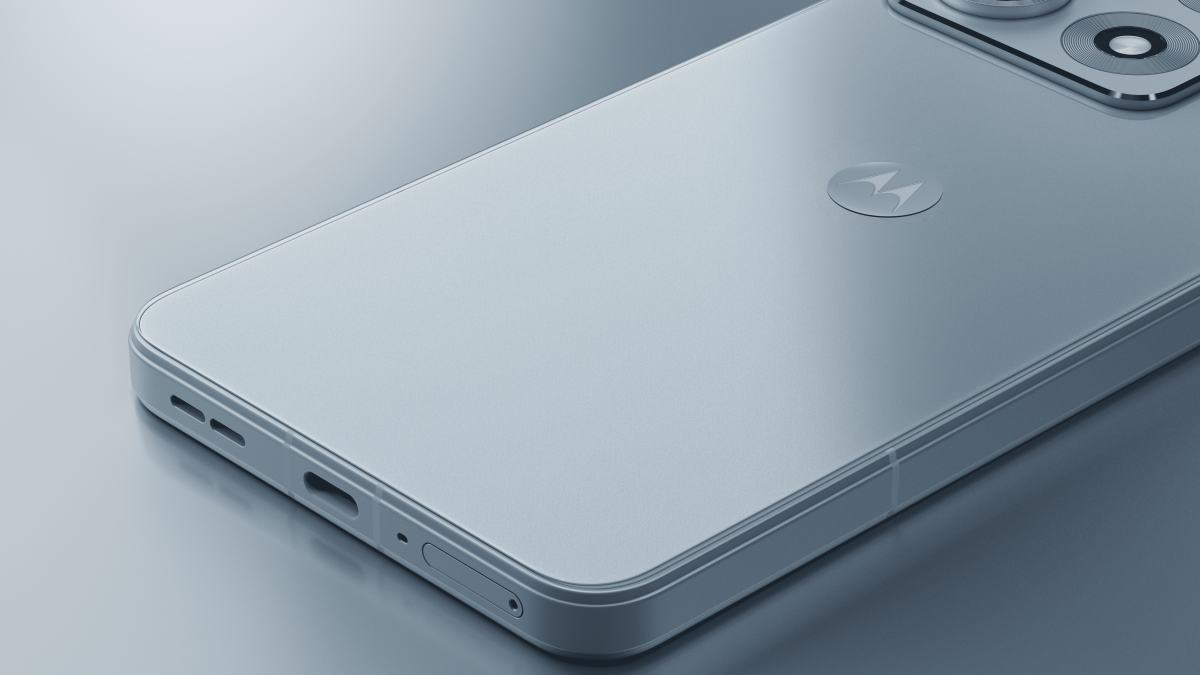
What sets the Edge 70 Max apart is not only that it supports Qi2 magnetic charging, but that the magnets are built into the phone shell itself. Most Android phones that mention magnetic wireless charging still require a magnet-equipped case; here, you clip a wireless charger, car mount, or magnetic wallet straight onto the bare phone. That convenience changes how people use wireless charging: no more third-party rings peeling off, no more worrying whether a case lines up correctly. Qi2 charging hits 25W, and in testing that power is maintained almost continuously until 90% before tapering off, allowing a wireless charge from 0 to 80% in about 72 minutes and a full 100% in 107 minutes. This is what wireless charging should have been years ago—fast, aligned, and ready out of the box, not an afterthought for accessory enthusiasts.
DxOMark numbers show the hardware isn’t hype
Big batteries and bold charging claims are easy; delivering real-world gains is harder. Independent battery testing shows that the Edge 70 Max’s combination of capacity, silicon-carbon chemistry, and charging control pays off. Measured results include around 31 hours of call time, more than 10 hours of camera use, nearly 30 hours of social media, and almost 21 hours of gaming on a charge. Wired charging reaches 90W on paper, but power is quickly throttled back to 30–40W to avoid overheating, leading to a full wired charge in about 70 minutes. That is a smart trade-off: sustaining battery health and safety instead of chasing headline numbers. On Qi2 wireless chargers, the phone holds close to 25W until 90%, meaning wireless charging is not a second-class option anymore. The lab data backs up the marketing, which is not something every phone can claim.
Redefining what mid-range Android phones should deliver
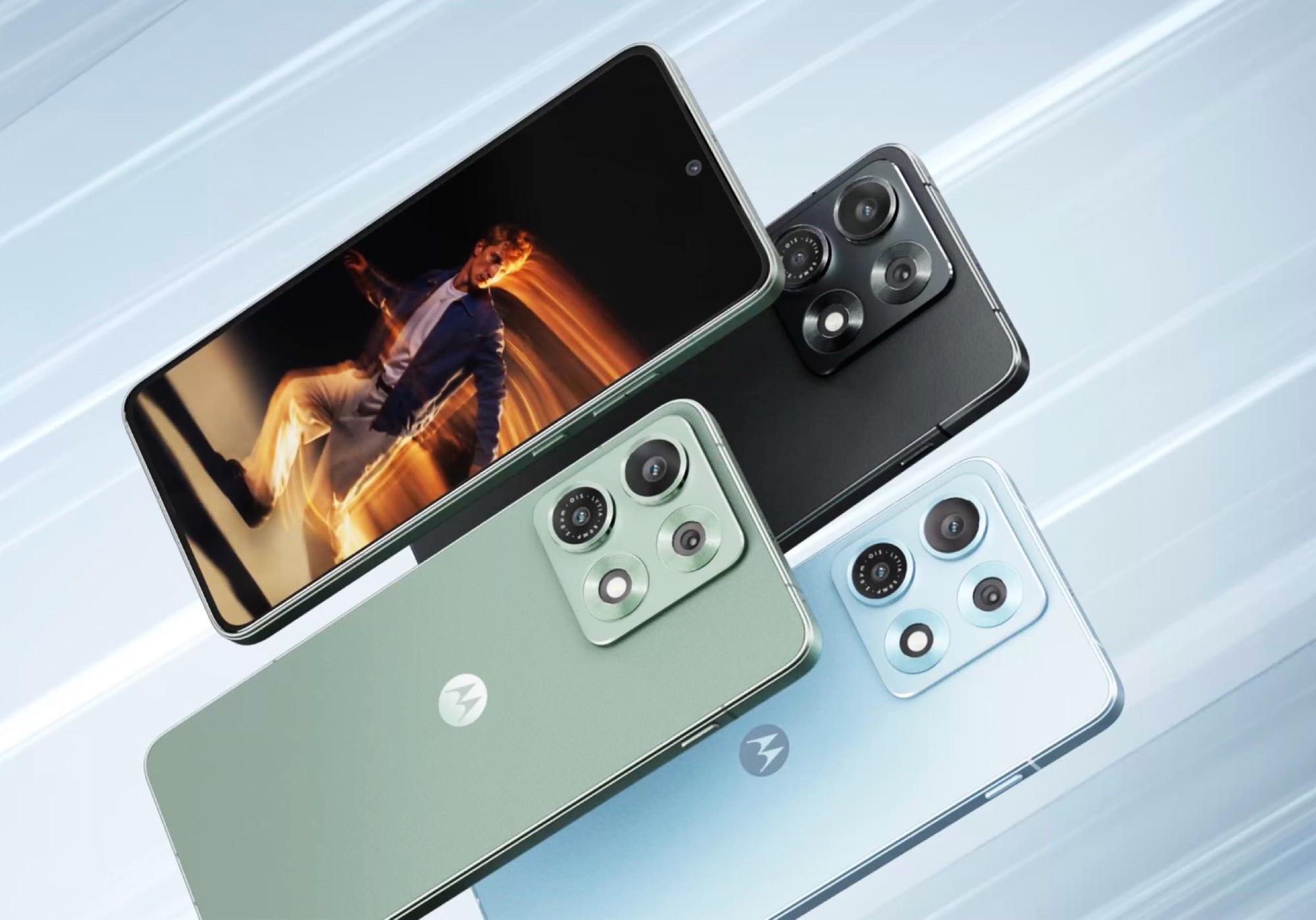
The Edge 70 Max does more than tick spec boxes; it draws a new line in the sand for mid-range Android expectations. At a starting price of £699.99/€799.99, it undercuts many flagships while delivering a 7,100mAh battery, 25W Qi2 magnetic wireless charging, and 90W wired speeds in one package. With its 6.82-inch Quad HD+ 144Hz AMOLED display, Snapdragon 8 Gen 5, IP68/IP69 rating, and promised software support, it clearly aims above its price bracket. The important shift is philosophical: premium charging is no longer reserved for top-tier models. When a mid-range phone lets you slap on a magnetic charger without a case and go days between full charges, flagships with smaller batteries and slower, fussier charging start to look outdated. The Edge 70 Max proves that endurance and convenience can be central features, not compromises or accessories.