
Galaxy Z Flip 8: Same Foldable Dream, Sharper Sticker Shock
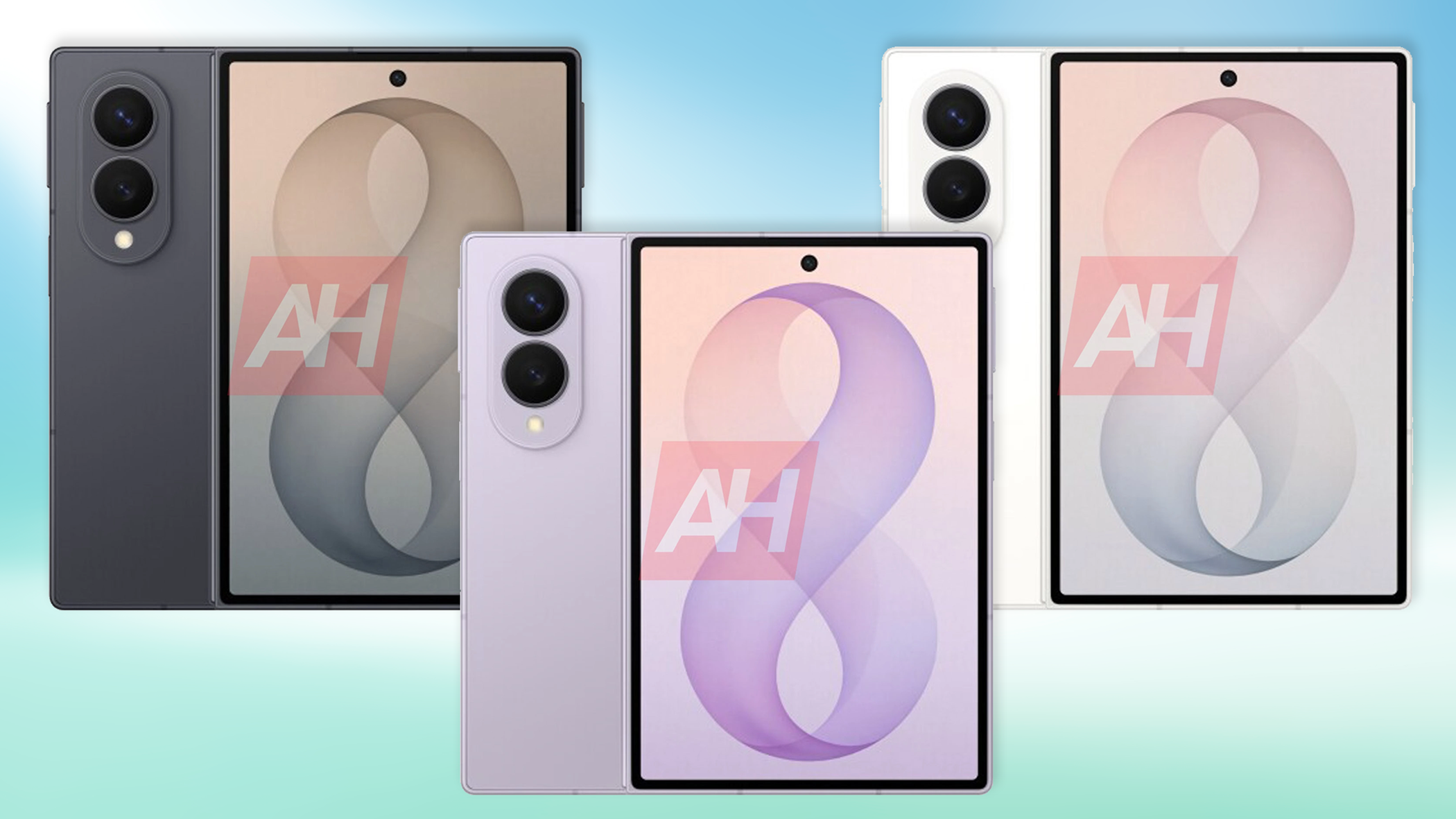
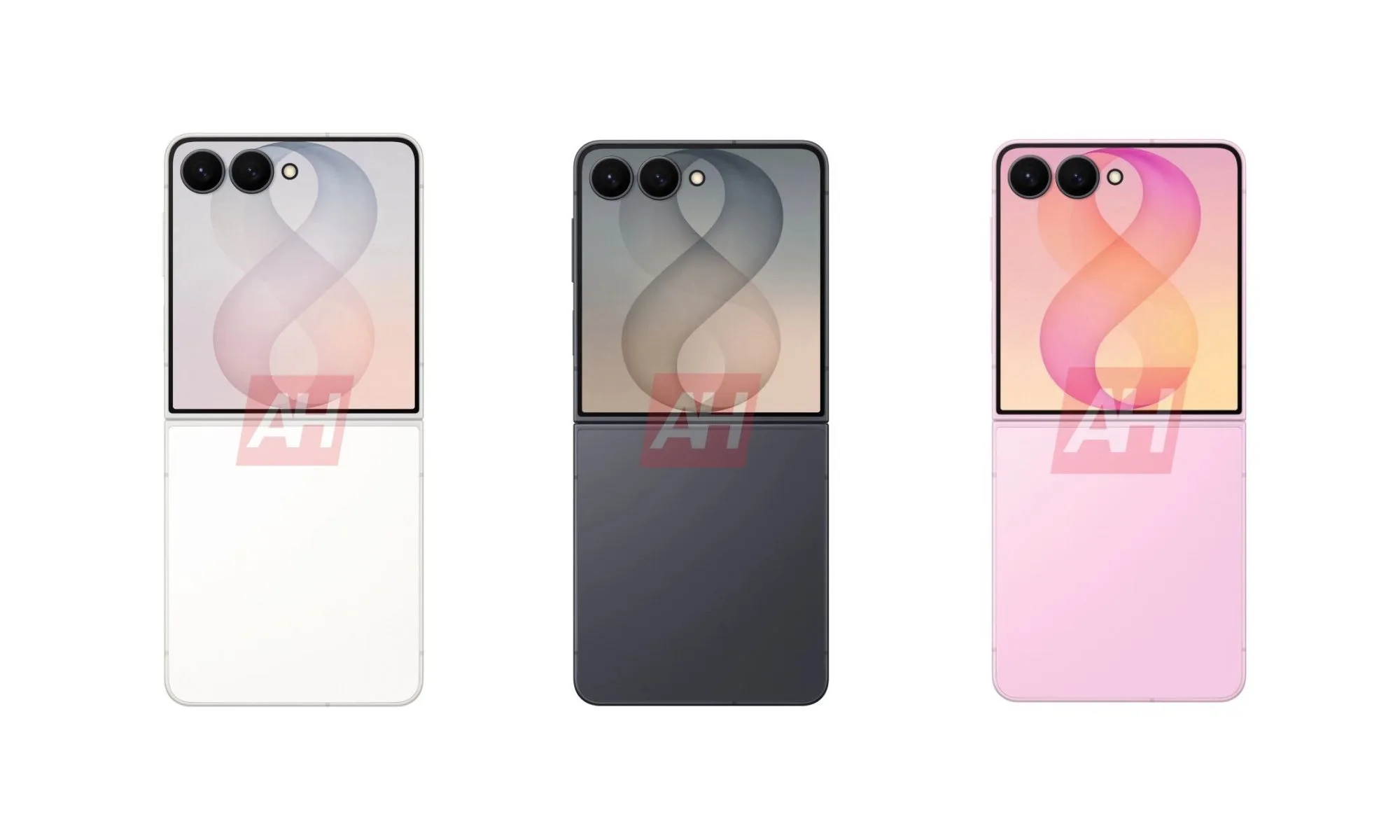
The Galaxy Z Flip 8 is Samsung’s new clamshell foldable phone that closely copies the Galaxy Z Flip 7’s design, display, cameras, and battery while raising the price and changing the processor, making its value proposition far more about brand and novelty than about notable hardware progress. The story starts with leaks a week before Samsung’s Unpacked event on July 22, where full specs, pricing, and official-looking renders spilled out from a German outlet. Reliable tipster Roland Quandt says the Flip 8 is “almost identical” to the Flip 7, with a new processor as its only major hardware upgrade. Against that backdrop, Samsung is raising the price by up to €180 while delivering almost no meaningful upgrades, a decision that crystallises a wider problem in premium tech: higher prices paired with stagnating innovation.
A Near-Carbon Copy Hardware Package at a Higher Price
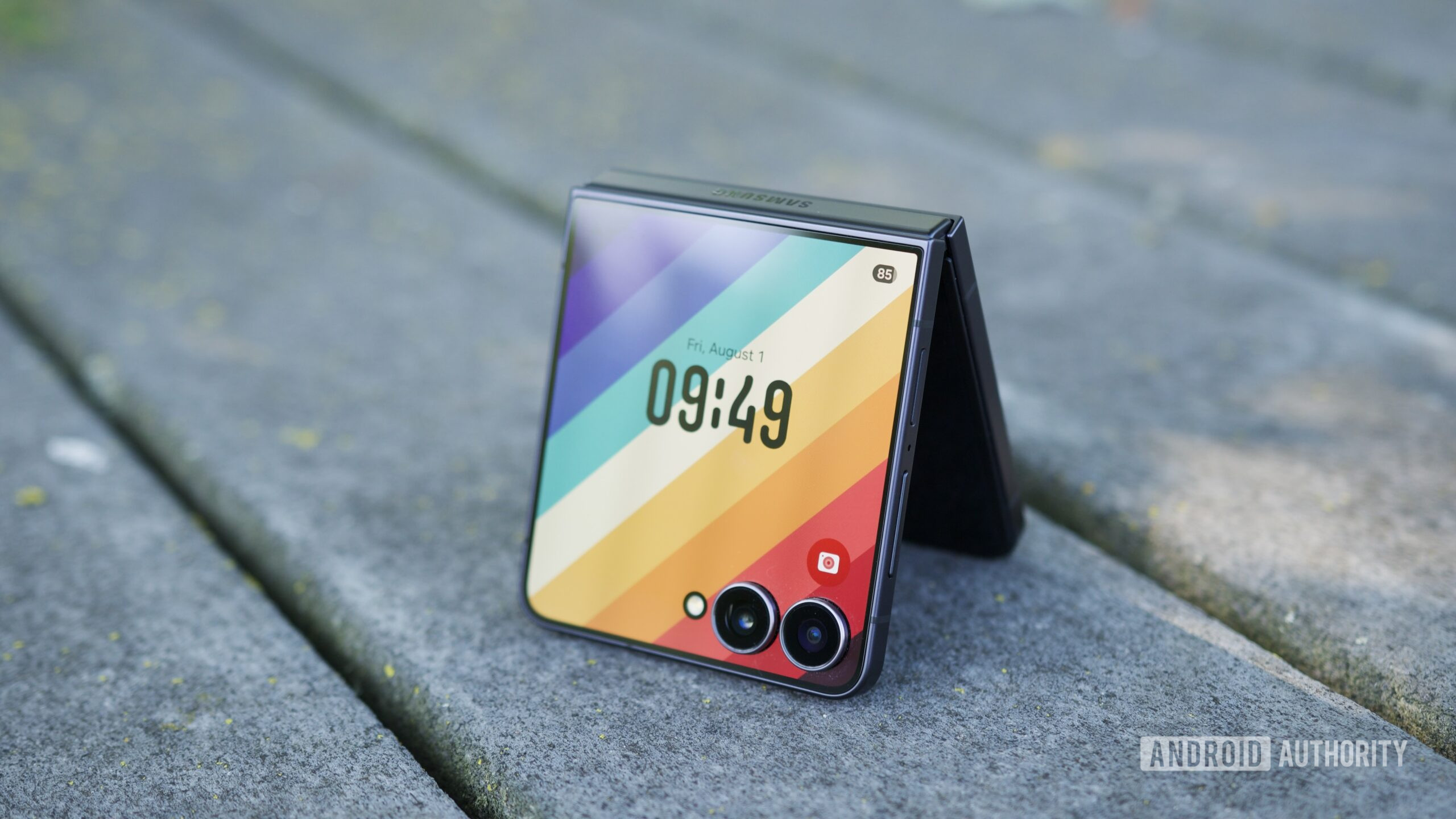
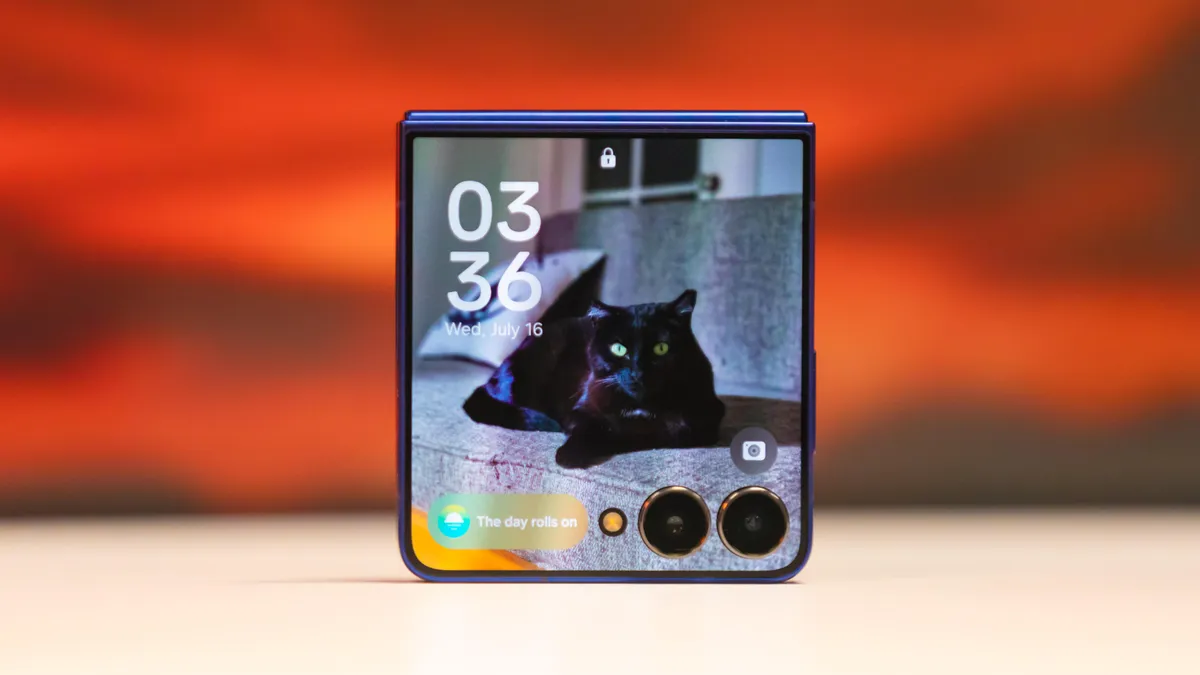
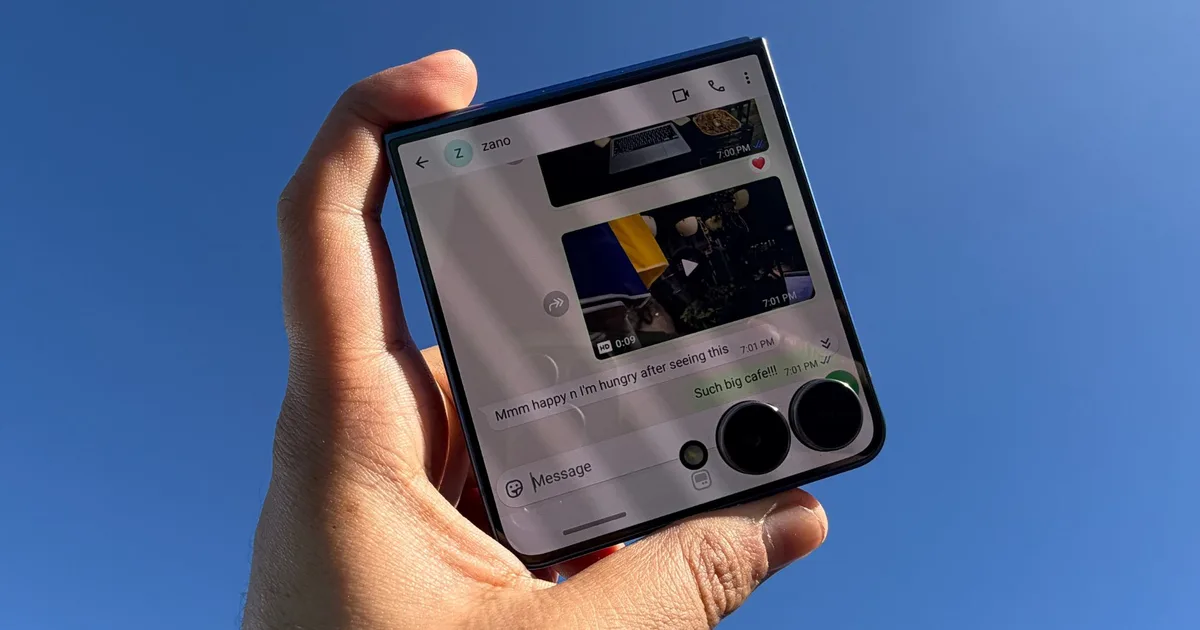
Strip away the marketing, and the Galaxy Z Flip 8 looks like a rerun. It keeps a 6.9‑inch Dynamic AMOLED 2X inner display at 120Hz and a 4.1‑inch Super AMOLED cover screen, with dimensions that grow by only 0.2mm in height and width when unfolded. The hinge has been refined so the crease is less obvious and the weight drops from 188g to 180g, plus wired charging steps up to 45W. But the cameras are identical: a 50MP main sensor with optical image stabilisation, a 12MP ultrawide, and a 10MP front camera, carried over from past generations. Battery capacity stays at 4,300mAh and RAM at 12GB. Those are fine specs, yet they amount to refinement rather than progress. For existing Flip owners, this makes the upgrade path almost impossible to justify and suggests Samsung is content to coast on yesterday’s engineering.
| Spec | Galaxy Z Flip 8 | Galaxy Z Flip 7 |
|---|---|---|
| Inner display | 6.9" Dynamic AMOLED 2X, 120Hz | 6.9" Dynamic AMOLED 2X, 120Hz |
| Cover display | 4.1" Super AMOLED | 4.1" Super AMOLED |
| Rear cameras | 50MP wide + 12MP ultrawide | 50MP wide + 12MP ultrawide |
| Front camera | 10MP | 10MP |
| Battery | 4,300mAh | 4,300mAh |
| Weight | 180g | 188g |
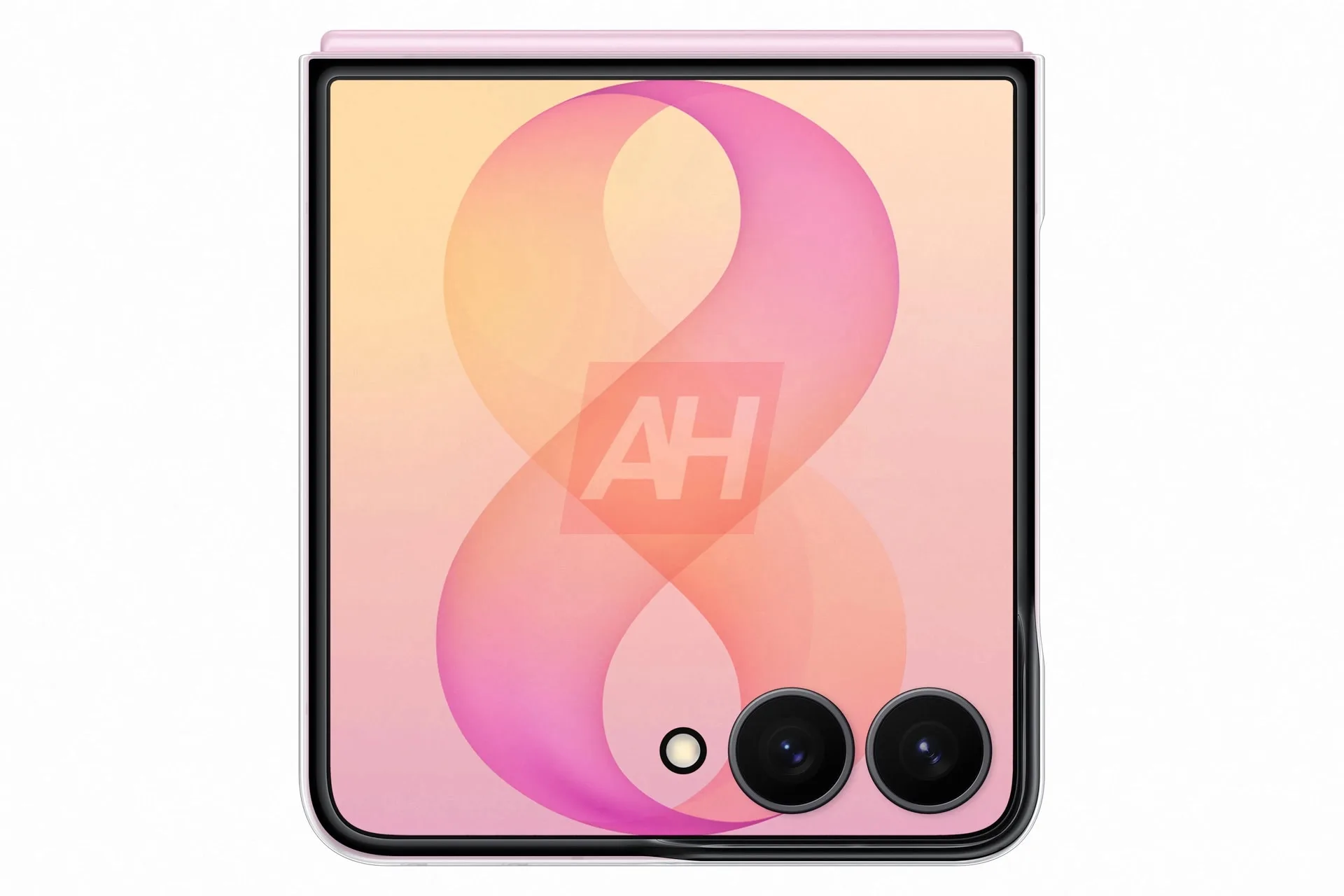
Chip Split and Price Hikes Undercut Foldable Phone Value
The most contentious change is inside the phone. In Europe and South Korea, the Galaxy Z Flip 8 uses Samsung’s Exynos 2600, a 10‑core chip clocked at 3.8GHz, instead of the Snapdragon 8 Elite Gen 5 expected in the larger Fold 8 and in US and Canadian Flip models. According to reporting on the leaks, Qualcomm’s processor may even cost Samsung less than its own Exynos silicon, leading to a regional split driven by economics rather than user experience. European pricing starts at €1,299 for 256GB and €1,499 for 512GB, increases of €100 and €180 over the Flip 7 respectively. A South Korean report pegs the phone at 1,683,000 won, up 198,000 won over its predecessor. In practice, European buyers pay that €100‑plus premium for a phone that is lighter but otherwise unchanged, and powered by the cheaper processor—a hard sell for anyone who cares about foldable phone value.
Premium Tech Stagnation: The Foldable Honeymoon Is Fading
The Galaxy Z Flip 8 is not a disaster, but it is a symptom. When a flagship foldable raises its price by up to €180 while offering “almost no meaningful upgrades,” it signals that the early honeymoon phase of foldables is fading into premium tech stagnation. Incremental tweaks—slightly slimmer bodies, marginally lighter weights, modest charging bumps—are being used to justify premium pricing, rather than bold improvements in battery life, camera quality, or durability. For Flip 6 and Flip 7 owners, even leak commentators admit the latest model “might not be worth the upgrade,” and last year’s hardware could become the smarter buy once discounts land. That dynamic erodes excitement and trains buyers to wait for sales instead of launch day. If Samsung wants foldables to stay aspirational rather than disposable, it has to stop treating them like safe, iterative slab phones with a crease.
What This Means for Buyers as Unpacked 2026 Nears
Samsung will unveil the Galaxy Z Flip 8 alongside other devices at its Unpacked event in London on July 22, with pre‑orders opening that day and retail availability expected in early August. Prospective buyers now face a clearer choice. In the US, the Flip 8 looks like a competent clamshell foldable with the stronger chip; in Europe and the UK, the same headline Galaxy Z Flip 8 price comes with the weaker processor and minimal hardware change. Even so, paying a premium for a device that offers essentially the same hardware as last year, while ditching the coveted Snapdragon chip, is a bitter pill to swallow. For first‑time foldable shoppers, the advice is plain: weigh launch‑day glamour against the reality that discounted older models may offer better foldable phone value. For Samsung, the message is sharper—price increases without visible innovation risk turning a pioneering product line into an expensive shrug.