
When a “Better” GPU Costs the Same: Defining Today’s Pricing Anomaly
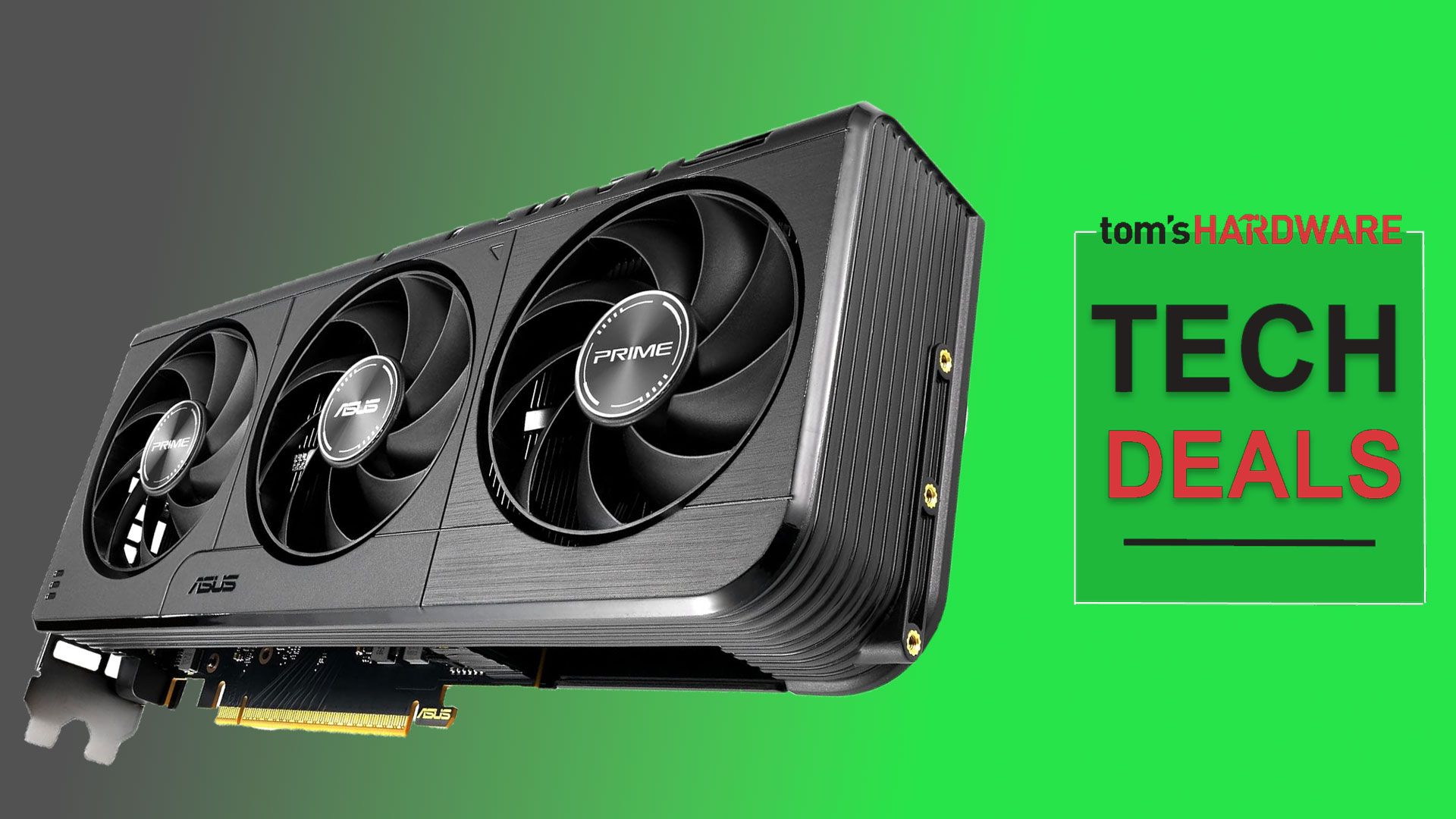
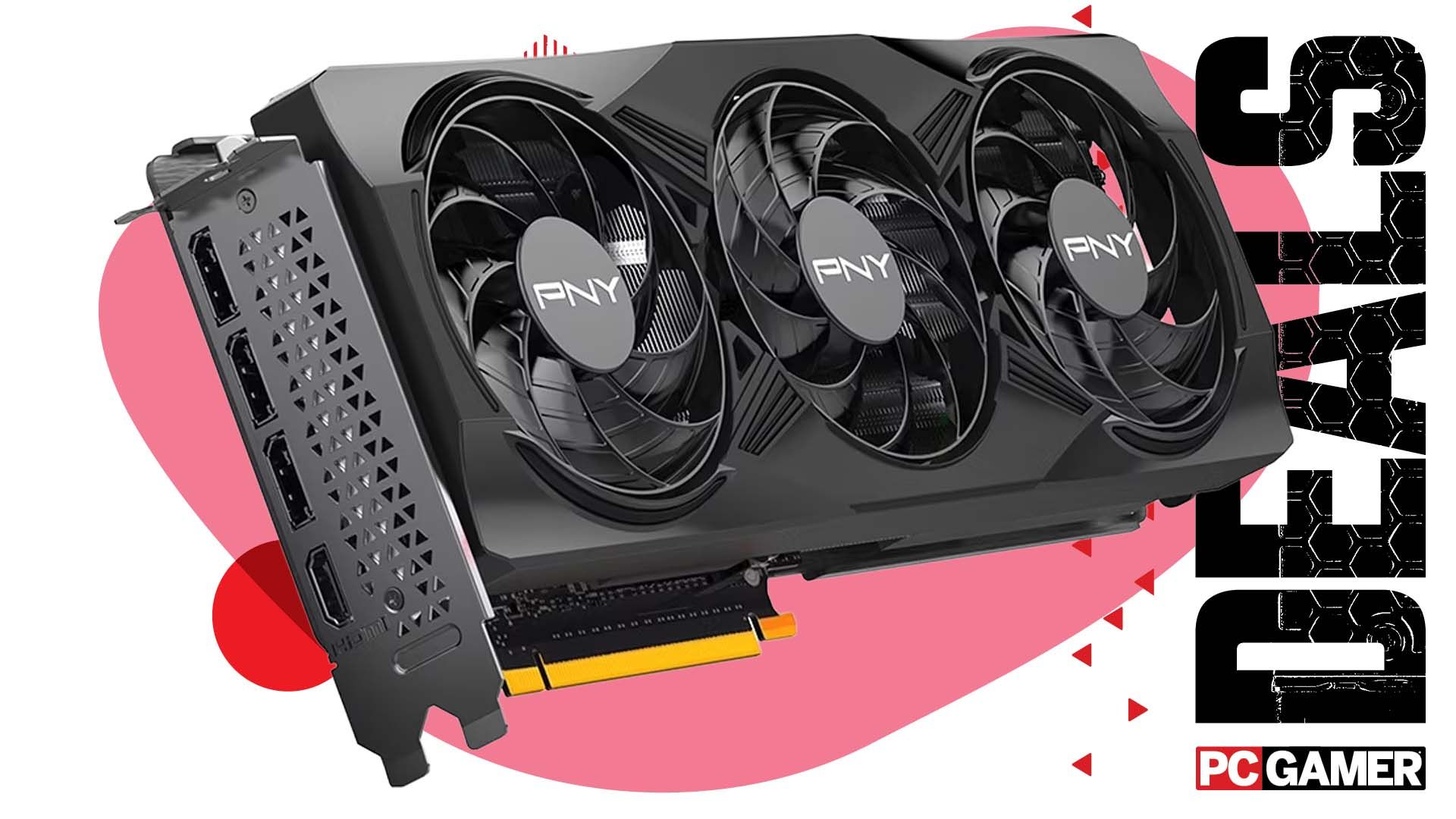
The current GPU pricing anomaly is a situation where a higher-tier graphics card, such as Nvidia’s RTX 5070, drops in price until it matches or nearly matches the cost of a supposedly cheaper mid-range or budget model like the RTX 5060 Ti 16GB, leaving gamers with overlapping price brackets and confusing value decisions instead of clearly separated performance tiers. This is not a minor hiccup; it’s a sign that the traditional ladder of budget, mid-range, and flagship cards is bending under market pressure. Right now, a PNY RTX 5070 is selling for USD 560 (approx. ₱32,500), which is the cheapest this card has been all year and only USD 10 (approx. ₱580) above its original MSRP. That same price also matches the cheapest RTX 5060 Ti 16GB found at retail, erasing the usual gap between a tier-up GPU and a supposedly cheaper, lower-performing model.
Inventory Pressure and a Crowded Mid‑Range: Why Prices Collapsed
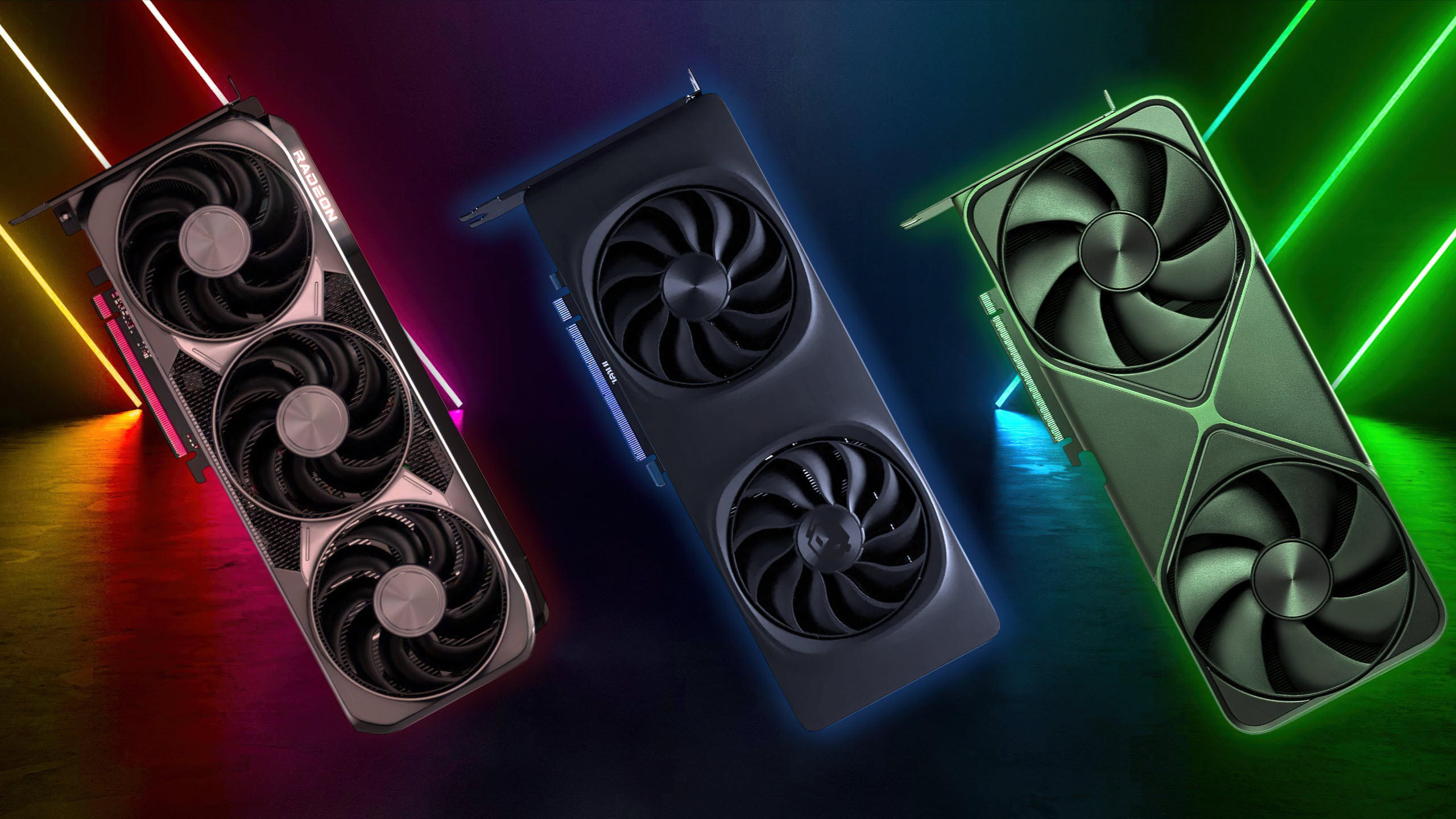
The RTX 5070 price convergence with the RTX 5060 Ti 16GB is not happening in a vacuum; it reflects a crowded, stressed USD 500–600 (approx. ₱29,000–₱35,000) segment where four different GPUs are fighting for the same buyer. In that band you find the RX 9070 GRE at the bottom, the RX 9070 at the top, with the RTX 5060 Ti 16GB and RTX 5070 squeezed between them. Those AMD cards have undercut and outperformed the mid-range RTX Blackwell option, forcing Nvidia-aligned retailers to lean on discounts to keep the 5070 moving. At the same time, newer architectures rely on more expensive memory like GDDR7, while older cards such as the RTX 3060 are built on mature Ampere silicon with GDDR6 that has not been hit as hard by AI demand. When inventories of both new and old GPUs sit on shelves, price compression is inevitable, and tier labels begin to lose meaning.
RTX 5070 vs RTX 5060 Ti 16GB: Performance, VRAM, and Real Value
At equal pricing, the RTX 5070 makes the RTX 5060 Ti 16GB look awkward. Benchmarks in modern games at 1080p and 1440p show the RTX 5070 consistently ahead of the 5060 Ti: for example, in Cyberpunk 2077 at 1080p RT Ultra, the 5070 delivers 72 average FPS versus 51 for the 5060 Ti. Yet both sit at about USD 560 (approx. ₱32,500), with the cheaper RTX 5060 Ti offering little besides a larger 16GB VRAM pool. That mirrors the paradox in the lower tier, where a five-year-old RTX 3060 12GB has reappeared at retail for its February 2021 MSRP of USD 329 (approx. ₱19,100), matching launch price to the dollar sixty-six months later. Earlier this month, an MSI Ventus RTX 3060 12GB was spotted at exactly that figure on Newegg. Despite its age, the RTX 3060 can be a better buy than an 8GB RTX 5060 for workloads that stretch beyond gaming, because modern AAA titles and creator tasks punish small VRAM buffers more than they did in 2021.
Cyclical GPU Value and the Return of 2021 Pricing
The reappearance of the RTX 3060 at its original USD 329 (approx. ₱19,100) MSRP is more than nostalgia; it shows how GPU value has become cyclical. After five years of launches, price surges, and shortages, we have an old Ampere card selling as if nothing had happened. The market looks like it is moving backwards, but the regression is not entirely bad news. This card sits in a different hardware economy: GDDR6 supply is healthier, AI demand is focused on newer memory types, and the mature architecture makes production cheaper. As a result, budget builders get a price that feels grounded while newer “budget” GPUs such as the RTX 5060 ship with only 8GB VRAM and face harsher workloads. When a five-year-old GPU resurfaces as a “timely, almost necessary” option for cash-strapped users, it exposes how out of touch some modern launch prices and specs are with real-world gaming and creator needs.
Buying Strategy in a Broken Tier System
For ordinary gamers, this GPU pricing anomaly turns what should be a simple choice into a minefield. The USD 500–600 (approx. ₱29,000–₱35,000) band is crowded, mid-range labels are blurred, and the RTX 5060 Ti 16GB “doesn’t know what business it has” being priced alongside the faster RTX 5070 except for VRAM bragging rights. The practical impact is clear: instead of climbing the usual ladder—budget to mid-range to flagship—you now need to ignore branding and focus on three things: frame rates, VRAM capacity, and total platform cost. The RTX 5070 is a good graphics card deal at today’s discount if you want Nvidia features and do not want to pay more for an RX 9070. Meanwhile, the resurrected RTX 3060 is a smart buy for mixed workloads where 12GB VRAM still matters and raw speed is less critical. The takeaway is blunt: treat GPU tiers as marketing, not truth, and let price-to-performance rule your cart.