
From Sidekick Screen to Primary Gaming Machine
High-end Android gaming tablets are touchscreen devices built around powerful mobile chipsets, liquid cooling, and high-refresh OLED displays, now capable of running demanding PC games through native emulation to deliver near-console portable gaming performance without a dedicated handheld or home system.
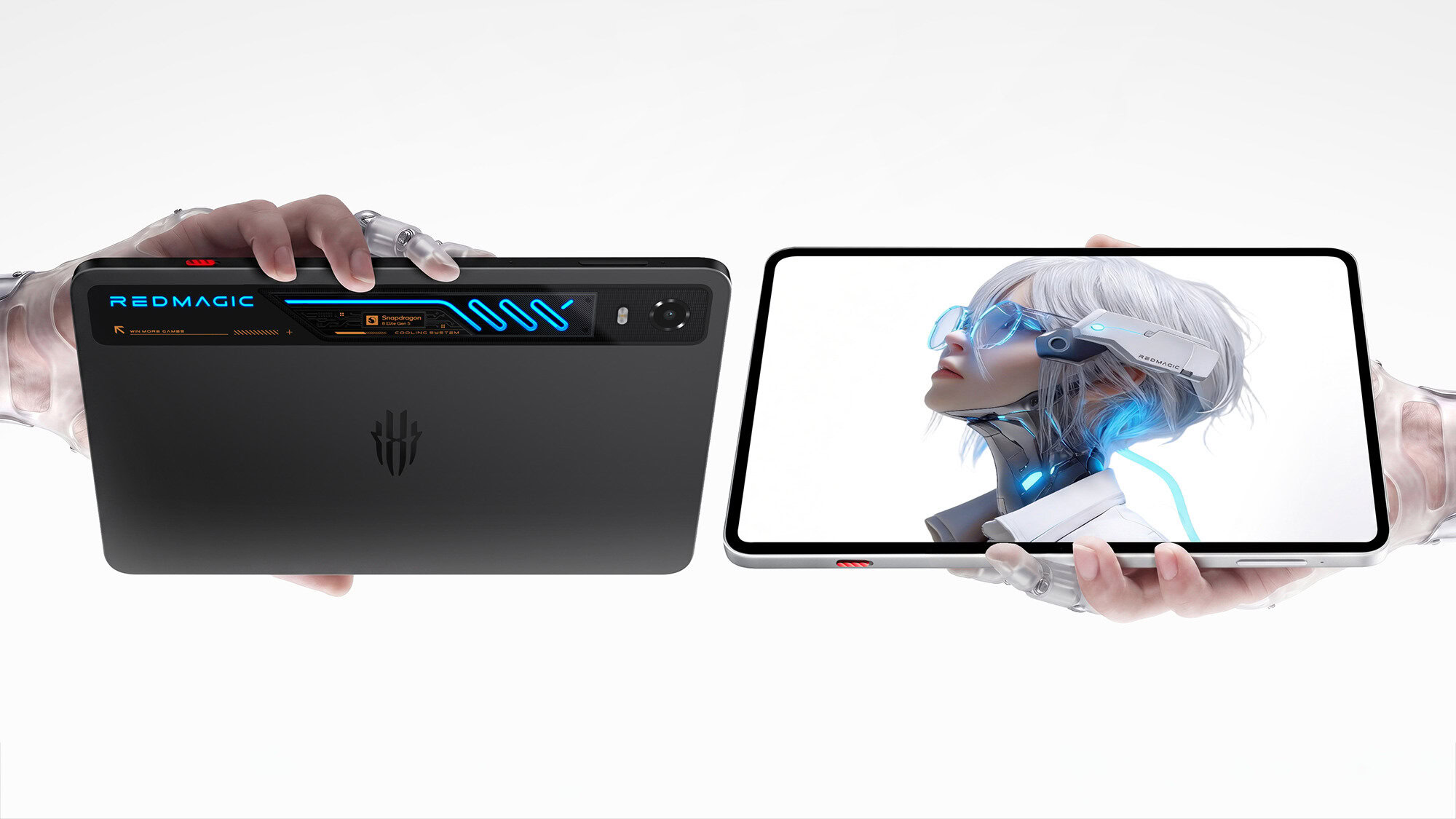
Android gaming tablets were once niche toys, a sidekick to a main PC or console. With devices like the Redmagic Astra 2, that hierarchy is starting to flip. This 9‑inch tablet, launched first in China as the Redmagic Gaming Tablet 5 Pro and now made official for global markets, is not positioned as a casual media slate but as a primary gaming rig. That shift matters: it signals that mobile hardware is no longer content to stream or mirror PC games, but to challenge them on their own turf through native PC game emulation on Android. The result is a new category where the tablet, not the console, is the center of portable gaming performance.
Liquid-Cooled Tablets and the New Thermal Arms Race
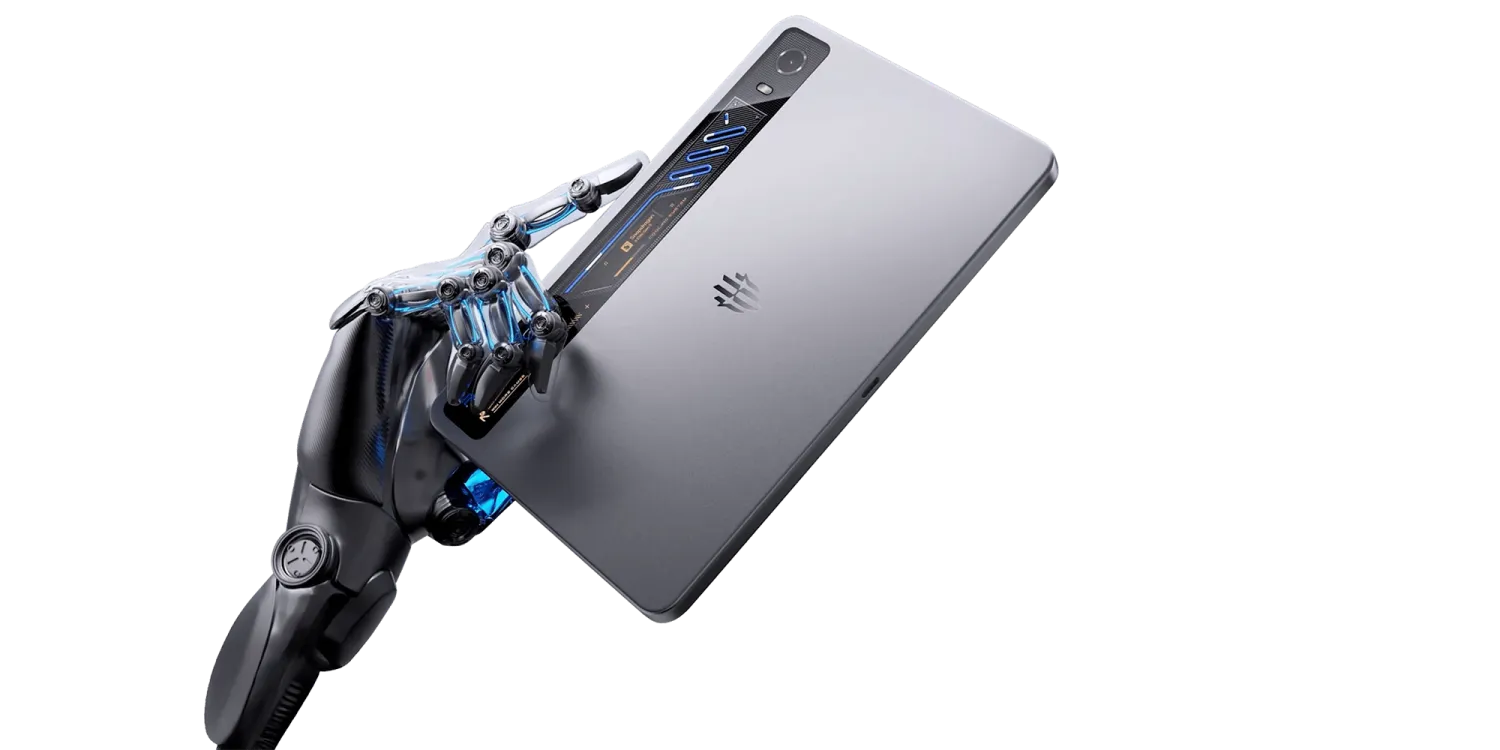
The most aggressive sign that Android gaming tablets are maturing is the move to liquid cooling. The Redmagic Astra 2 pairs a Snapdragon 8 Elite Gen 5 chipset with a liquid cooling system built specifically for gaming performance, a combination that marks a clear break from conventional thin-and-light tablets that throttle as soon as a game gets demanding. One report highlights a blue-hued liquid-cooling mechanism visible through the back glass, capable of operating between -60ºC and 125ºC, turning thermal management into both a functional and visual selling point.
This is not a cosmetic feature bolted onto a generic Android slab; it is a declaration that sustained high performance matters more than shaving a millimeter of thickness. By embracing liquid cooling instead of relying only on passive heat spreaders, these tablets signal that long sessions of high-frame-rate gaming are now a first-class use case, not an afterthought.
Snapdragon 8 Elite Gaming and Native PC Game Emulation
At the heart of this shift is Snapdragon 8 Elite Gen 5, the kind of chipset that once belonged only in top-tier phones but is now being tuned explicitly for gaming tablets. The Astra 2 uses this processor alongside a dedicated RedCore R4 gaming chip that drives customization features layered on top of games, underscoring that this hardware is built with play, not productivity, as the first priority.
The more disruptive move, though, is support for native PC game emulation. The Astra 2 is explicitly described as supporting native PC game emulation, which means it aims to run PC titles directly on Android instead of limiting users to cloud streaming or mobile ports. When combined with an 185Hz OLED display around 9 inches, a 2.4K resolution panel, and a Synaptics chip for faster touch response, the pitch is clear: Android gaming tablets are no longer content with mobile game catalogs; they want the PC library too.
Portable Gaming Performance Goes Mainstream
The most important change is that this power is no longer trapped in niche or regional experiments. The Redmagic Astra 2 is being positioned for a broad global market, with pricing confirmed in US dollars and a staged launch plan that includes early-bird vouchers in mid‑August, pre-orders later that month, and wider availability around late August. One outlet notes that the Astra 2 will be available starting at $/€699 for a 12GB/256GB configuration and $799 for 16GB/512GB, while another reports a starting price of $749 for the base variant and $849 for the higher trim. (USD 699 is approximately ₱41,000; USD 799 is approximately ₱46,800; USD 749 is approximately ₱43,800; USD 849 is approximately ₱49,600.)
Those numbers place Android gaming tablets squarely in the conversation with dedicated handheld PCs rather than budget media devices. Coupled with features like dual USB‑C ports with USB 3.2 Gen 2 and DisplayPort output, the category is stepping out of enthusiast forums and into mainstream retail shelves. The message is blunt: portable gaming performance is no longer a compromise; it is a product line.
Why Tablets May Win the Portable Future
Look at the Astra 2’s full package and a pattern emerges: Snapdragon 8 Elite gaming, liquid cooling, native PC game emulation, a 9‑inch 185Hz OLED, an 8,300mAh battery with up to 75W–80W wired fast charging, and Android 16 with a gaming-focused skin. These are not incremental upgrades; they are the specs of a category that wants to replace multiple devices at once. One source notes that the tablet’s battery is split into two cells and can be charged at up to 80W, while another specifies charging at up to 75W through both USB‑C ports.
The conclusion is hard to avoid: if Android gaming tablets continue down this path, they will push casual players to question why they own a separate handheld console or mini PC at all. They will not erase PCs or consoles, but they are redefining what “good enough” portable gaming performance looks like—and for many, that bar is now being set by liquid-cooled tablets rather than by traditional gaming hardware.