
Inkjet-Printed OLED Arrives in Gaming Laptops
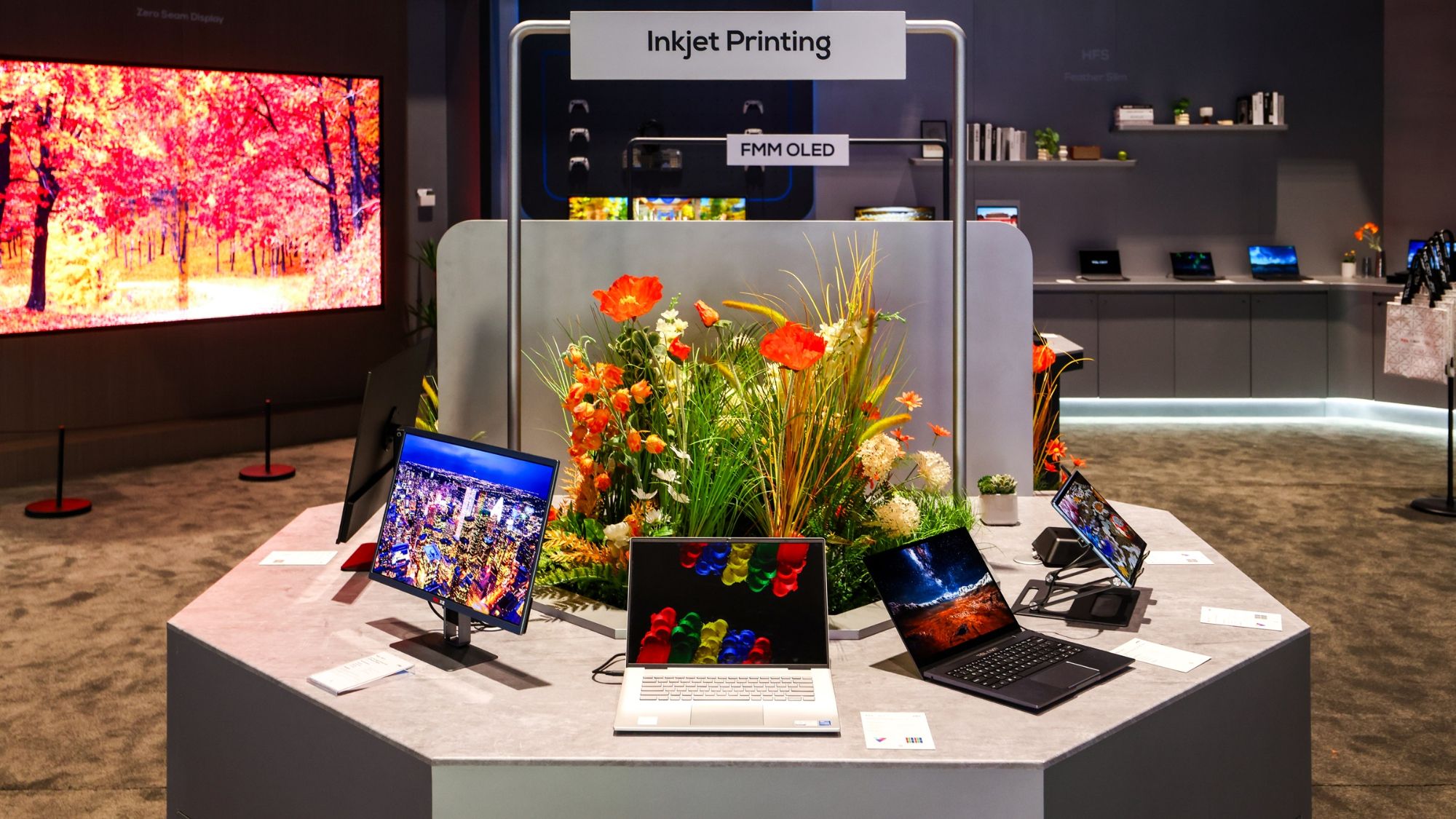
Inkjet-printed OLED is a display technology that uses a printing-like process to deposit OLED materials onto panels, promising lower manufacturing costs, higher production yields, and potentially better brightness than traditional vacuum thermal evaporation methods, while still delivering the deep contrast and rich color associated with OLED displays.
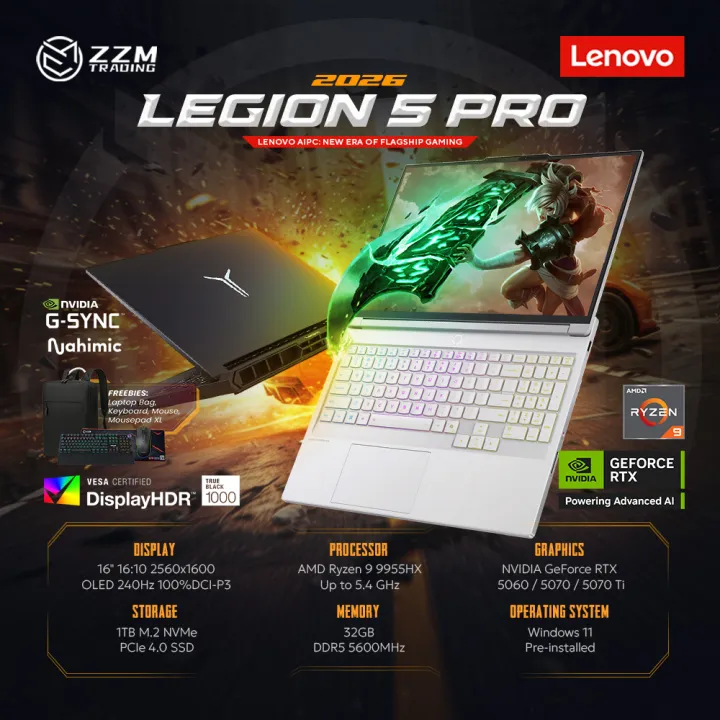
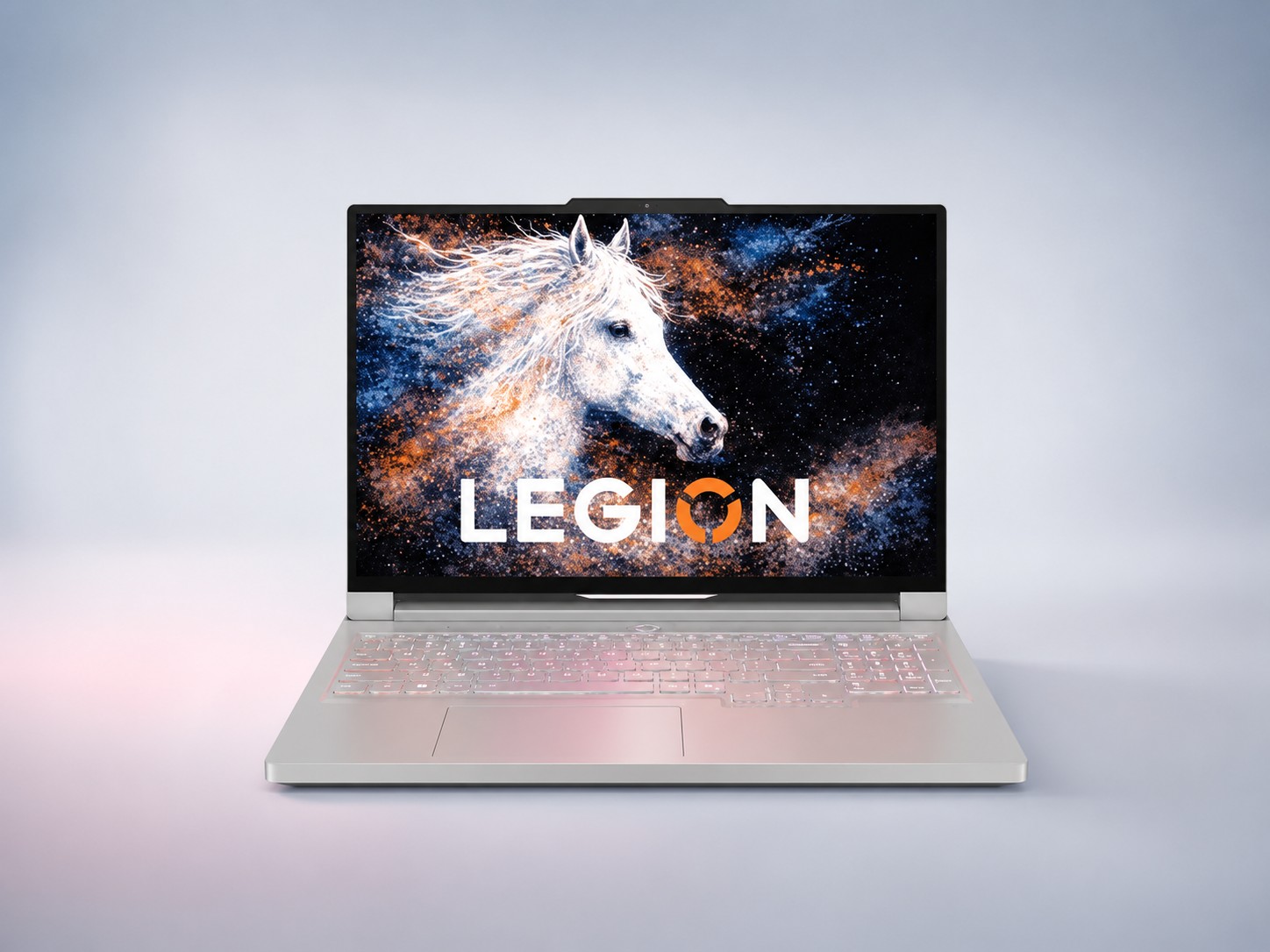
Lenovo’s new Legion R9000P is the first gaming laptop to ship with this inkjet printed OLED panel from TCL CSOT, pairing it with a 16‑inch screen running at 240Hz and covering more than 99% of the DCI‑P3 color gamut. That combination is not a raw spec breakthrough—240Hz gaming display panels and gaming laptop OLED screens already exist—but the manufacturing shift is the real story. By moving from vacuum thermal evaporation to inkjet printing, TCL’s panels are cheaper and simpler to produce, with higher yields. In other words, Lenovo is not just adding another flashy spec; it is helping turn a lab‑proven manufacturing idea into something that can, and likely will, scale into mainstream gaming hardware.
How TCL’s Printing Process Changes the Cost Equation
The Legion R9000P exists because TCL CSOT has spent years pushing inkjet-printed OLED from concept to mass production, and that long grind is starting to upend the economics of gaming displays. The panel in Lenovo’s laptop is “printed” instead of grown with traditional vacuum thermal evaporation, a process that is slower, more complex, and wastes more material. According to one report, the biggest advantage of IJP OLED over VTE is that it is cheaper and simpler to produce, resulting in higher yields.
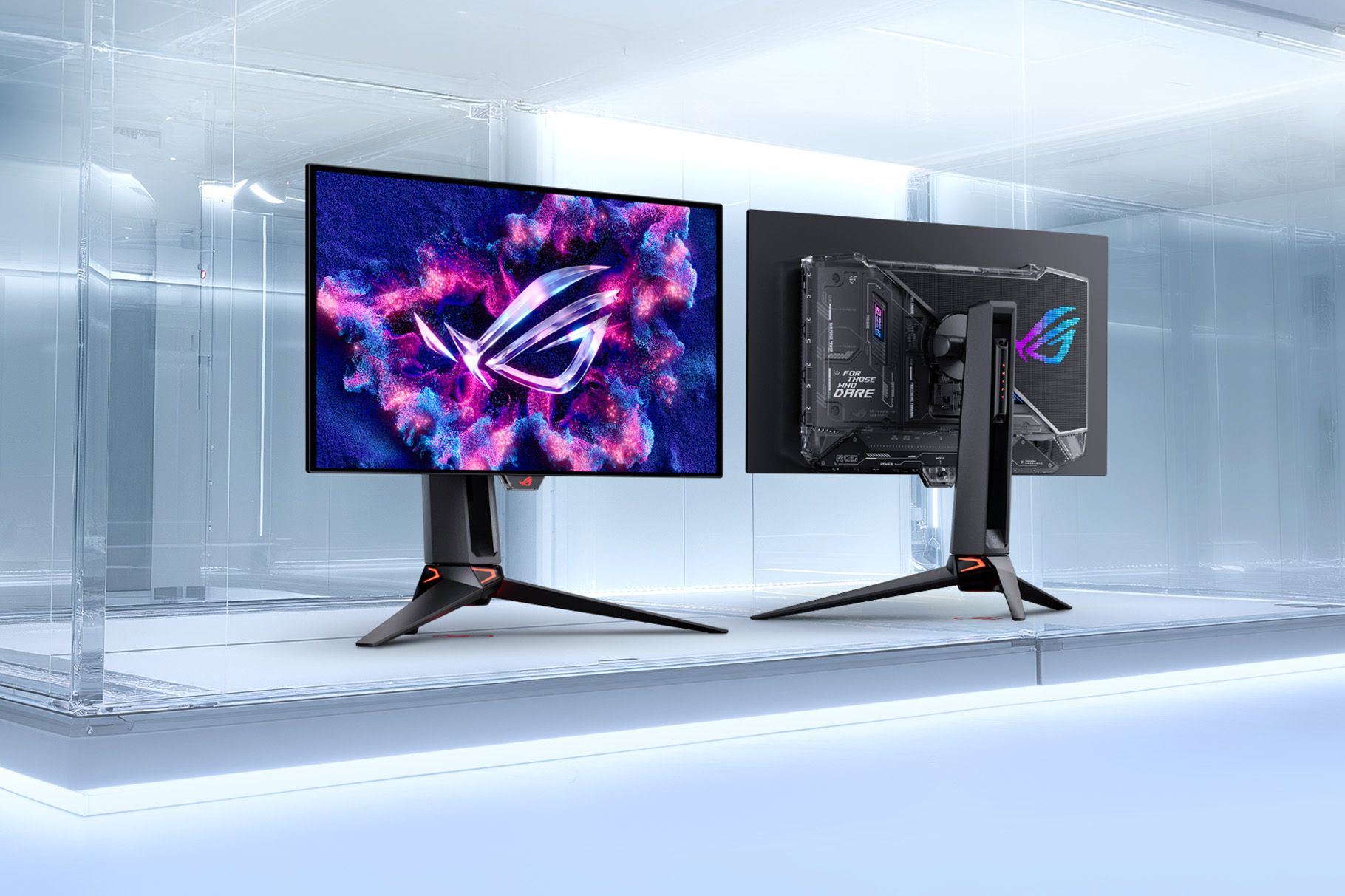
This is not a small, first‑run experiment. TCL CSOT has been developing inkjet-printed OLED since 2024, already mass‑producing a 5.5‑generation line and building out an 8.6‑generation line for larger, more numerous panels. Lenovo’s Legion R9000P is one of the first visible beneficiaries of that investment, alongside a new 27‑inch IJP OLED monitor launched earlier this week. If the yields hold and the promised cost savings are real, inkjet printed OLED could become the go‑to choice for display makers trying to push premium specs into mid‑range prices. That is the quiet revolution hiding behind one laptop announcement.
Performance: 240Hz OLED Without the Usual Trade-offs
From a pure spec sheet angle, the Legion R9000P looks like yet another high‑end gaming laptop OLED: a 16‑inch panel, 240Hz refresh rate, and over 99% DCI‑P3 coverage. Where this inkjet printed OLED gets interesting is how it aims to clean up the typical OLED compromises. The panel uses a true RGB stripe subpixel layout, which should cut down on the color fringing and fuzzy text that plague many OLED laptop screens. That matters if you game, then immediately tab into code, spreadsheets, or chat for hours.
Brightness is another promised win. TCL CSOT says its IJP OLED panels can achieve better brightness than traditional OLED, addressing one of the format’s weak points in sunlit rooms and on‑the‑go use. On paper, you get the fast response and deep contrast that make OLED a favorite among gamers, without sacrificing clarity in desktop tasks or visibility in variable lighting. We still need real‑world testing to see how well this specific 240Hz gaming display delivers, but the direction is clear: performance ceilings are no longer limited by the old manufacturing process.
From Flagship Toys to Everyday Gaming Gear
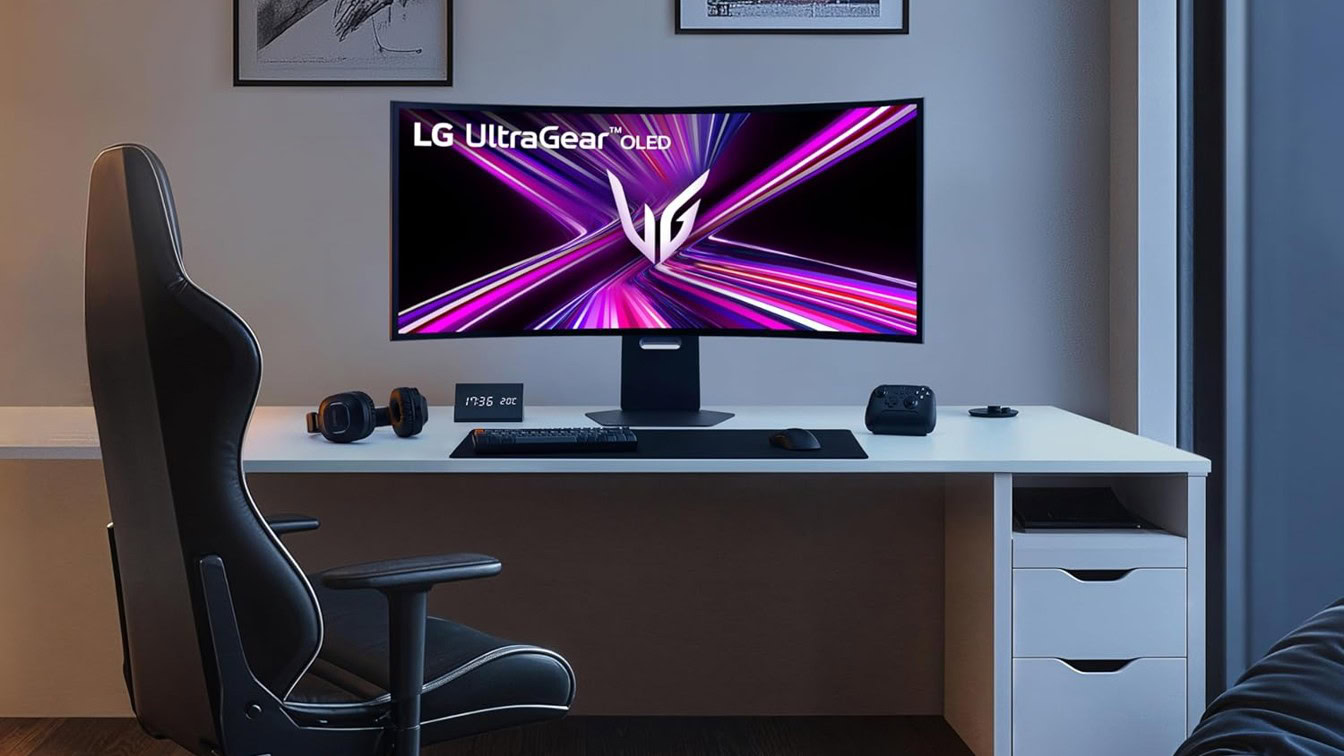
What makes the Legion R9000P consequential is not that it exists—it is that it hints at where gaming displays are heading. Inkjet-printed OLED is starting to show up not only in laptops, but also in new monitors, and it is expected to reach TVs and smartphones as production ramps. If the technology catches on, display makers expect it to cut the cost of some of the best OLED gaming monitors while keeping the same contrast and color benefits.
This is where mid‑range gaming hardware stands to gain the most. As component prices rise, manufacturers are looking for cost‑effective processes that still improve quality, and inkjet printing fits that brief. Over time, the same economics should make high‑quality OLED TVs more affordable and allow budget phones to compete visually with flagships. For gamers, that translates into a likely future where OLED is not a rare upsell, but the default option in many laptops, monitors, and portable devices. The Legion R9000P is less a one‑off halo product and more a signal that the display hierarchy is about to be rewritten.
What Comes Next for Inkjet-Printed OLED Gaming
Lenovo has not yet detailed the full specifications, pricing, or availability of the Legion R9000P, promising more information closer to launch. That uncertainty leaves one open question: will the end product reflect the promised affordability of inkjet-printed OLED, or will early units still carry a premium while factories ramp up volume? The answer will decide how quickly this technology filters down from flagship systems into the mid‑range gear most players buy.
What seems far less uncertain is the tech’s trajectory. TCL CSOT is already using inkjet-printed OLED beyond laptops, and industry watchers expect these panels to spread to more monitors, TVs, and phones. If that happens, the Legion R9000P will be remembered not as the endgame of gaming laptop OLED, but as the first visible proof that printing OLED at scale is viable. The display race is shifting from chasing ever higher refresh rates to reinventing how those panels are built—and gamers stand to benefit when manufacturing innovation, not marketing, drives performance forward.