
AI on your phone is becoming a market, not a monopoly feature
Android AI chatbot choice refers to new regulatory pressure that forces mobile platforms and messaging apps to open system-level access, hotwords, and core search data to multiple AI assistants so users can select alternatives instead of being locked into a single default chatbot chosen by the platform owner.
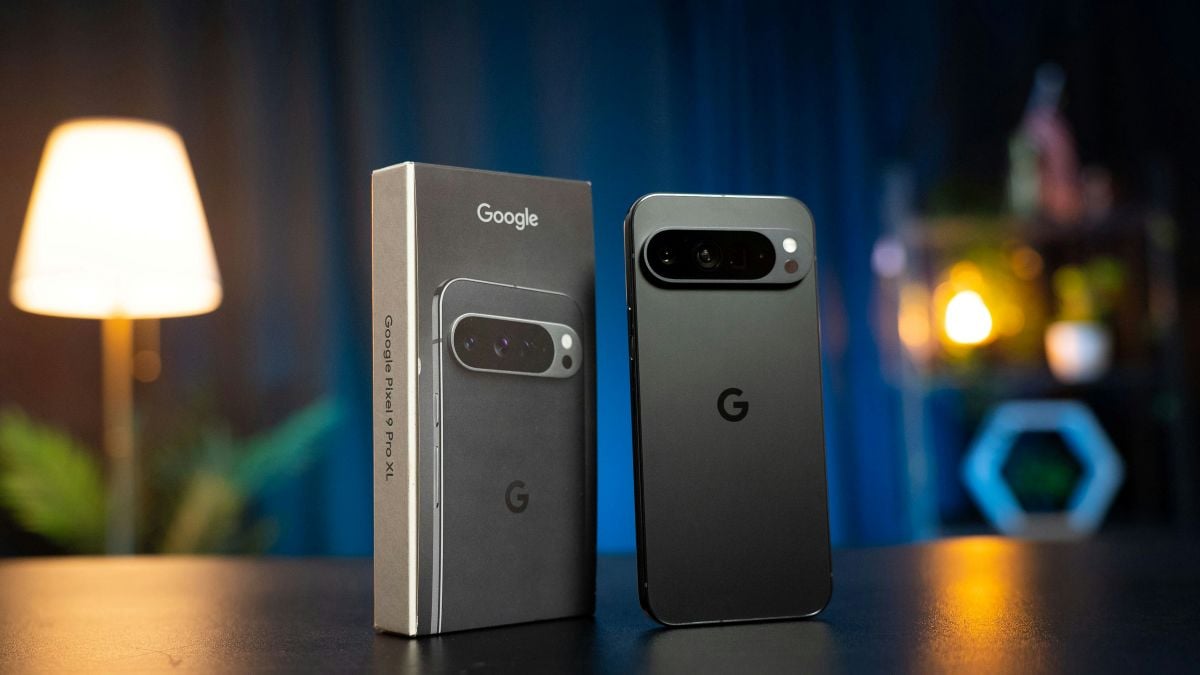
The most important shift is simple: your phone’s “smart” features are no longer supposed to belong to one company. Under guidance tied to the Digital Markets Act, regulators have demanded that Android be opened up so other AI chatbots can compete fairly with Google’s Gemini and Google Search. That means the operating system’s deepest hooks—search results, on‑device context, voice triggers—should not be reserved for one house assistant. In parallel, regulators told the company behind WhatsApp that it must allow third‑party AI chatbots in the messaging app for free in the European Economic Area. These are not cosmetic tweaks; they attack the default advantage that has quietly decided which AI you use every day.
What regulators are forcing open: hotwords, search, and in‑app AI
New EU mobile app regulations around “gatekeeper” platforms are targeting the points of control that matter most in mobile AI. Guidance under the Digital Markets Act says that competing AI chatbots should have the same tools that Gemini has on Android, including deeper interactions with the operating system and access to information from Google Search. Regulators argue that as long as Google keeps a monopoly on that data and integration, Android users cannot be meaningfully free to pick any AI chatbot other than Gemini.
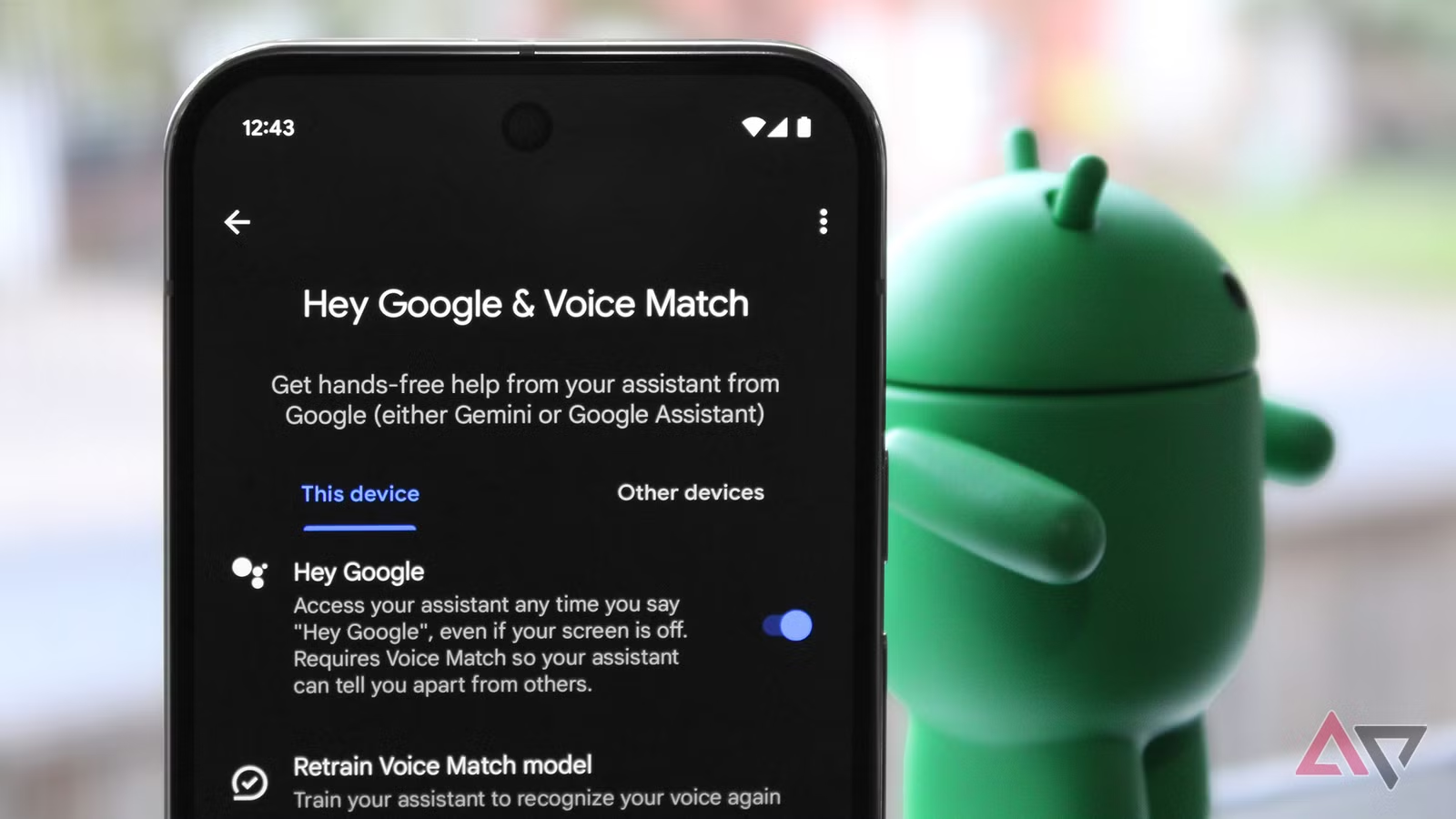
That principle extends to your voice too. Regulators want people to be able to use hotwords such as “Okay Google” or “Hey Google” to summon a different AI assistant. On the messaging side, the European Commission has ordered the parent company of WhatsApp to allow third‑party AI chatbots for free, after the platform previously banned them and then re‑admitted them only for a fee. In other words, the rule is: if the default assistant can run there, competitors must be allowed in as well.
What changes for you: real choice inside Android and WhatsApp
For ordinary users, the shift is about convenience and control, not legal theory. On Android, the goal is that you should be able to pick a Google Gemini alternative as your main AI, while still tapping into powerful system features. Instead of juggling separate apps, you could swap between multiple assistants from the same home button or hotword, and still pull from high‑quality search data and system‑level actions. That is what “Android AI chatbot choice” ought to mean in practice.
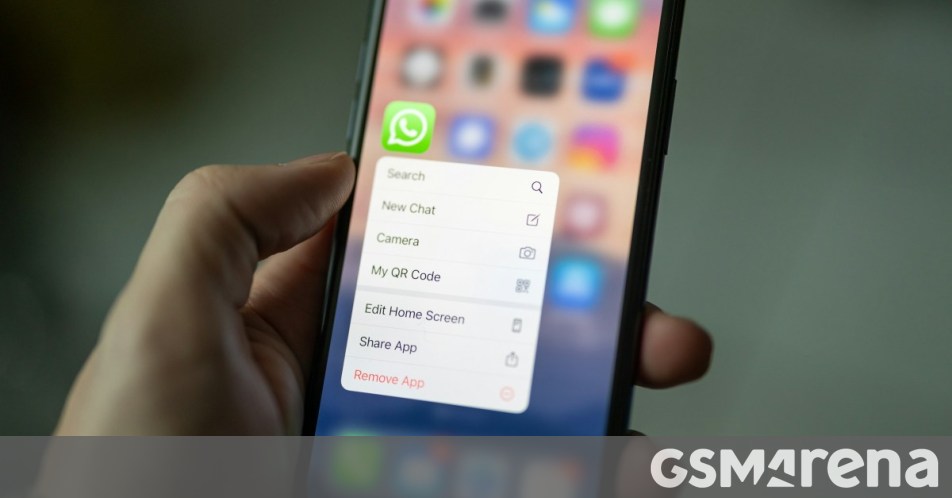
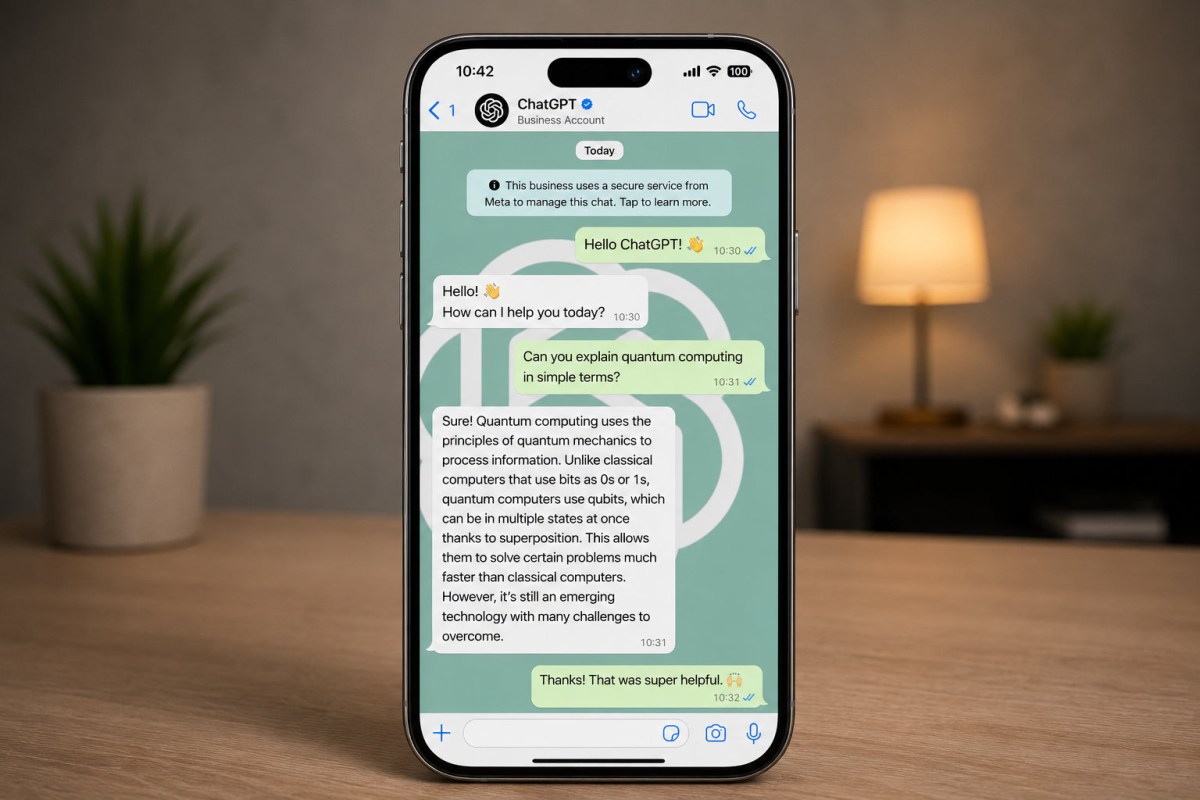
Inside WhatsApp, the change is concrete already. Because regulators intervened, ChatGPT is back as a third‑party AI chatbot and can be used in the app at the phone number 1-800-CHATGPT, without installing a separate ChatGPT app. Everything happens inside the chat window: you can ask questions, upload pictures, send voice messages, and generate images, all within WhatsApp. This is third-party AI integration as users actually experience it: you stay in your default messaging app, yet you are no longer limited to the AI chosen by the platform.
Why this fight is happening now—and why platforms are pushing back
Regulators are not waking up to AI in a vacuum. These moves follow a long series of clashes with large tech firms, and now the focus has shifted to AI as the “biggest new area of technology.” When one company controls the operating system, the search engine, and the default chatbot, it holds a powerful funnel for all future AI services. The EU’s argument is blunt: that concentration blocks real competition in mobile AI services and must be broken up by forcing access to the same tools Gemini relies on.
Platform owners are resisting, framed around security and privacy. Google has claimed that opening voice triggers and search‑level access to third parties will undercut user safety and security. Part of that concern is tied to how far Gemini has been integrated, including expanded access across Google’s services. Meta, meanwhile, is under investigation and has to maintain free access to third‑party AI chatbots in WhatsApp until the final decision is reached. The conflict is clear: regulators see structural monopoly power; platforms see demands to hand over their best AI hooks to rivals.
What comes next: AI choice may spread—or fragment
We are still in the early stages of this tussle, and no one knows exactly how far regulators will push or how neatly platforms will comply. But the direction of travel is obvious. According to the pattern seen with rules like the USB‑C mandate, changes enforced in one large market often influence products elsewhere because companies prefer not to maintain separate designs. This time, though, the fight is about software, which is easier to regionalize, so platforms might attempt to confine generous AI choice to certain markets while keeping tighter defaults elsewhere.
Even if that happens, competitive pressure will grow. Rival AI firms will want the same treatment wherever they operate, and users who see people elsewhere summoning different assistants with the same hotword will not be happy with less. The reasonable outcome is that AI assistants become a switchable layer on your phone and in your chats, like keyboards or browsers. Regulators have made their position clear: mobile AI should be a competitive market, not a single, unchangeable feature baked into your device.