

Google’s Pixel 11 Modem Pivot, Explained
Google’s move to replace Samsung’s Exynos 5G modem with a MediaTek 5G modem in the Pixel 11 series is a strategic hardware change that reshapes the Google Samsung supply chain while promising faster, more reliable smartphone connectivity across future Tensor-powered devices. This is not a minor spec tweak; it is Google rewriting one of the most critical layers of the Pixel experience: the modem that decides how strong your signal is, how long your battery lasts on mobile data, and whether your phone holds a call when the network gets crowded. According to new reports, the Pixel 11 series will use the new Tensor G6 chip with a MediaTek 5G modem instead of Samsung’s Exynos 5G modem. In practical terms, your next Pixel’s ability to stay online is being handed to a new supplier.
From Exynos to MediaTek: What Changed Inside Pixel 11
The heart of the shift is the Pixel 11 modem pairing: Google is expected to match its Tensor G6 chip with the MediaTek M90 modem, fabricated on TSMC’s 2nm process node. That alone signals a major internal redesign compared with earlier Pixels that leaned heavily on Samsung’s Exynos 5G modem. Android Authority found in an FCC SAR test report that the Pixel 11 series references MediaTek’s TA-SAR v2 algorithm, a strong hint that MediaTek silicon is in play. The chip is expected to support download speeds of up to 12GB/s on compatible cellular networks, a headline figure that pushes the Pixel 11 into bleeding-edge territory on paper. All four rumored models—Pixel 11, Pixel 11 Pro, Pixel 11 Pro XL, and Pixel 11 Pro Fold—are tipped to share this Tensor G6 platform and ship with Android 17 out of the box.
A Quiet Rewiring of the Google–Samsung Supply Chain
To understand the stakes, you need to look at the longer story of the Google Samsung supply chain. When Google revamped its Pixel smartphone series in 2021, it introduced a new design language and leaned on several Samsung hardware components. That tight relationship has been loosening: Google stopped using Samsung Foundry to fabricate Tensor chips for smartphones last year, and the modem change in the Pixel 11 series means one fewer Exynos component inside each phone. With the reported switch to MediaTek for cellular connectivity, Google may now depend on Samsung only for OLED panels, some camera sensors, and DRAM and UFS storage chips. This is Google unbundling the Pixel from a single hardware partner and spreading critical functions—processing and connectivity—across different silicon vendors. That should give Google more control, but it also raises the bar for how well everything is integrated.
What Users Gain: Speed, Resilience and New Lifelines
For everyday users, the Pixel 11 modem story is less about brand names and more about how often your phone fails you when you need it. The Tensor G6 and MediaTek M90 combination is expected to support download speeds of up to 12GB/s on compatible cellular networks, which, in plain terms, is more than enough to make network speed the least of your worries if carriers catch up. More interesting are the quality-of-life features: the chip also supports direct satellite connectivity for emergency calls and messages, as well as dual active 5G connections. Satellite support turns the Pixel 11 into a potential lifeline when you are far from cell towers, while dual active 5G suggests fewer compromises when juggling work and personal lines. If Google tunes this right, Pixel 11 could feel markedly more stable and dependable in fringe coverage than its predecessors.
Where Pixel 11 Goes Next
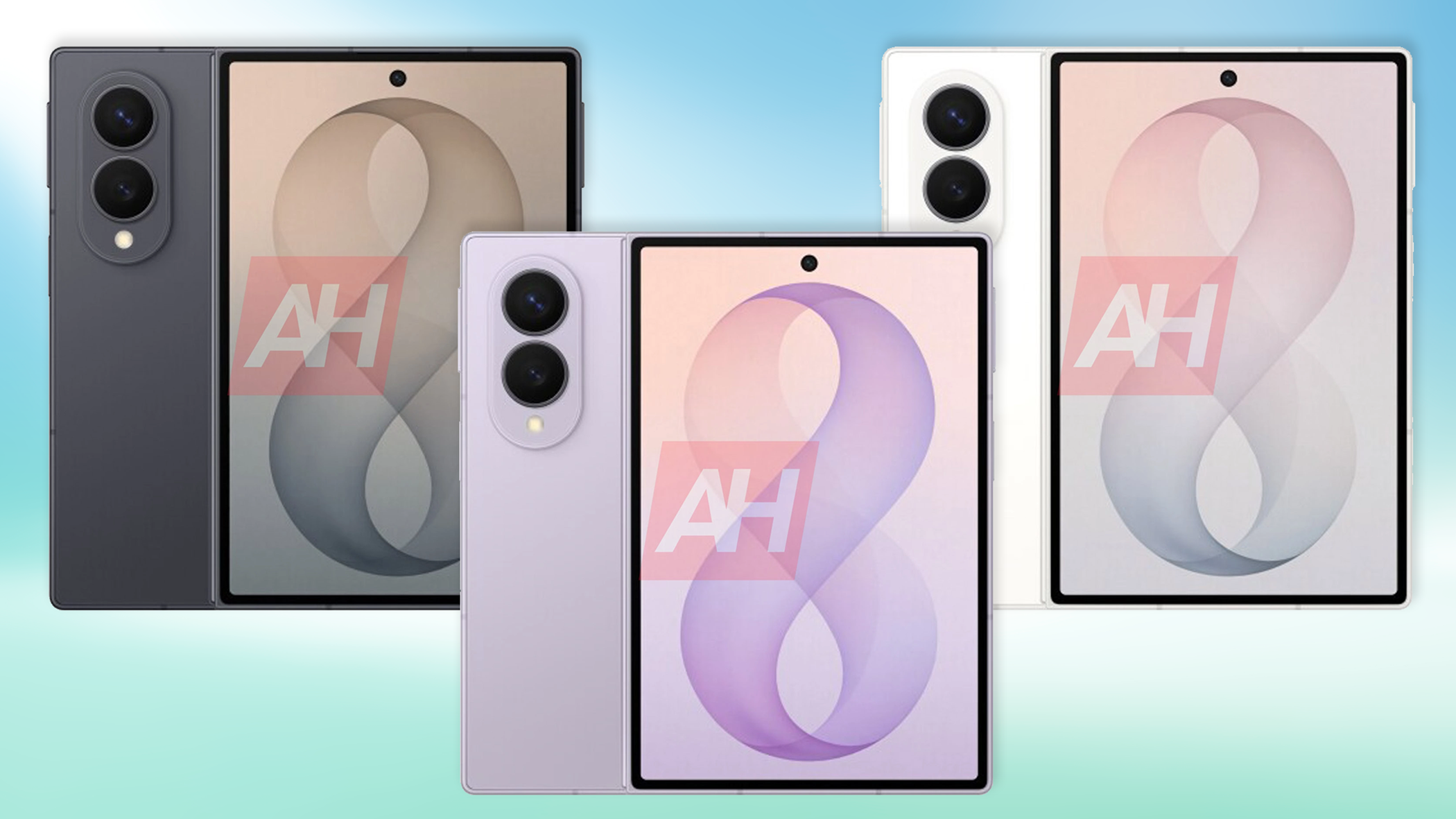
All signs point to the Pixel 11 series—Pixel 11, Pixel 11 Pro, Pixel 11 Pro XL, and Pixel 11 Pro Fold—launching on August 12, running Android 17 and sharing the Tensor G6 and MediaTek modem platform. They are expected to arrive a few weeks after rival foldable launches in the same season, which means Google is positioning the Pixel 11 lineup as a direct answer to other flagship ecosystems. The real test will not be synthetic speed records but day‑to‑day reliability: fewer dropped calls, steadier 5G, and a safety net when no tower is in sight. In that sense, ditching the Exynos 5G modem is a bet that a new Pixel 11 modem path can finally match Google’s software ambitions with hardware that treats connectivity as a first‑class feature, not an afterthought.