
Hide My Email: A Privacy Mask with a Hole in It
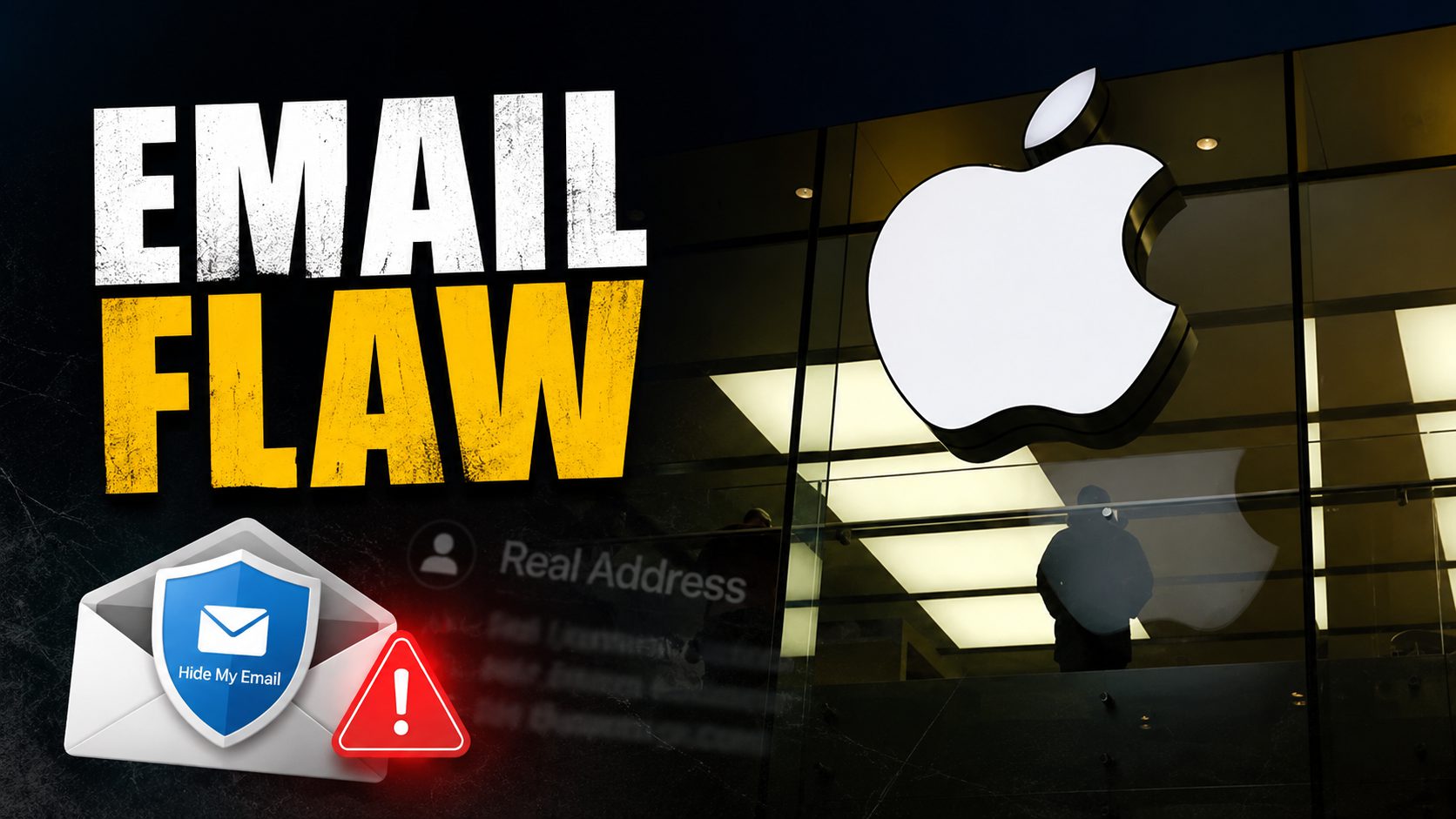
Apple Hide My Email is a paid iCloud+ feature that generates temporary, anonymized email aliases so users can sign up for services without exposing their real address, but a newly highlighted privacy flaw shows that these aliases can be used to uncover the true email address behind them, undermining the very protection Apple marketed.
This is not a minor bug; it strikes at the core promise of a feature sold as a privacy shield. Hide My Email routes messages through randomly generated iCloud.com aliases so websites and apps see only a throwaway address. Yet the privacy vulnerability lawsuit alleges those aliases are more like see‑through masks than armor. Research found that basic online identity search tools can analyze these iCloud temporary emails and reveal users’ real addresses, with 100% of tested aliases on two sites reportedly exploitable. That means anyone who relied on the feature’s anonymity for protection—not just spam control—may have had their email address exposed in ways they never agreed to.
What the Vulnerability Does—and Why It Matters
The core Apple privacy flaw is straightforward and alarming: a known vulnerability in Hide My Email exposes the true email addresses behind the randomly generated aliases. In practical terms, the aliasing layer—the part meant to keep your identity hidden—is porous. Research documented that 100% of Hide My Email addresses tested on two websites were exploitable, and controlled tests with volunteers reportedly showed the same 100% exploit rate. That is not a rare edge case; it is systemic failure.
Once a malicious actor obtains your real email address, they can plug it into public‑record databases to find your name, home address, phone number and other sensitive details. They might also tie that address to password lists from large data leaks, increasing the risk of account takeover. To be clear, there is no evidence that Apple IDs or passwords are directly exposed; the flaw targets the aliasing layer alone. No known real‑world attacks have been confirmed so far, but relying on an unbroken record of luck is not a security strategy.
From Bug Report to Privacy Vulnerability Lawsuit
This story is not only about a bug; it is about what Apple did after being warned. Security researcher Tyler Murphy discovered the Apple Hide My Email vulnerability in mid‑2025 and reported it in June of that year. Apple acknowledged the issue in July 2025 and later claimed it had been fixed by March 2026. Independent testing disagreed: in limited tests with volunteers, 100% of Hide My Email addresses were still exploitable.
On the legal side, a proposed class action, Alvarez v. Apple Inc., accuses Apple of false advertising, fraud and breach of contract for selling a privacy perk it allegedly could not deliver. The privacy vulnerability lawsuit argues Apple knew about the flaw for nearly a year yet continued promoting Hide My Email without adequate disclosure. It seeks class action status, a jury trial, and states the value of the claims exceeds USD 5 million (approx. ₱280,000,000). Another proposed class complaint alleges violations of California’s false advertising and consumer protection laws. Until a court weighs in, one truth is clear: privacy marketing without working privacy engineering is a legal risk.
Who Is Exposed—and How Bad Could It Be?
Hide My Email is used by people who do not want to hand over their main inbox to every subscription, store or untrusted website. That includes ordinary users avoiding spam as well as journalists, activists or lawyers who treat aliasing as a safety layer against harassment and tracking. In the controlled tests so far, 100% of aliases examined were exploitable, meaning every volunteer’s real email address could be inferred. The suit is divided into Californian and US‑wide Apple users, but the technical flaw does not respect borders.
If an email address exposed through this flaw is fed into public search tools, it can uncover names, physical addresses, phone numbers and other personal details. That opens doors for stalking, targeted phishing, doxxing, and persistent tracking across services. So far, there have been no confirmed real‑world attacks using this exploit. But the absence of proof is not proof of safety; the vulnerability functions like a loaded gun on the privacy stage. Whether or not anyone pulled the trigger yet, the risk exists as long as the bug remains live.
What Users Should Do Now—and What Apple Must Prove Next
Until Apple confirms a verified fix, users should treat Apple Hide My Email as unreliable for sensitive sign‑ups. Do not use it as the only shield when registering on platforms that could threaten your safety if your real identity is revealed—such as whistleblowing portals, political organizations or contentious forums. For shopping sites and newsletters, the risk is uncertain but non‑zero; assume your real address might leak and plan accordingly.
Practically, consider rotating aliases from independent temporary email services for high‑risk contexts, and audit where you used Hide My Email in the past. If you worry your address was exposed, you may want to tighten account security, enable multi‑factor authentication and watch for suspicious login attempts. As for the lawsuit, class actions must clear a lengthy certification process, so potential class members will have to be patient before they can formally join. Apple reportedly told the researcher a patch was expected “in the coming weeks,” yet independent checks still found exploitable aliases. This case now tests whether “privacy by design” is a binding promise or just a slogan printed on the box.