
Flex Titanium: A Structural Answer to Foldables’ Biggest Flaw
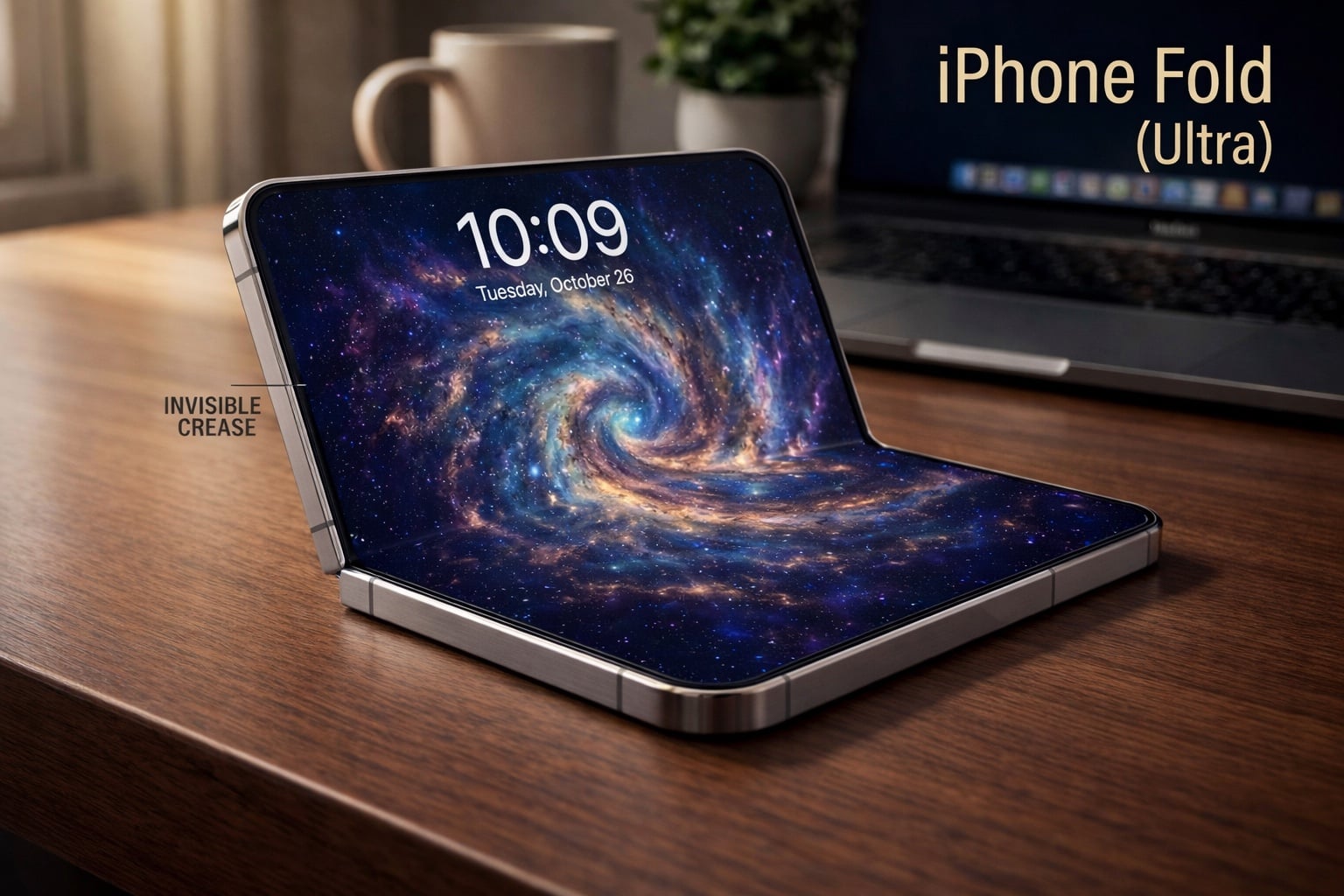
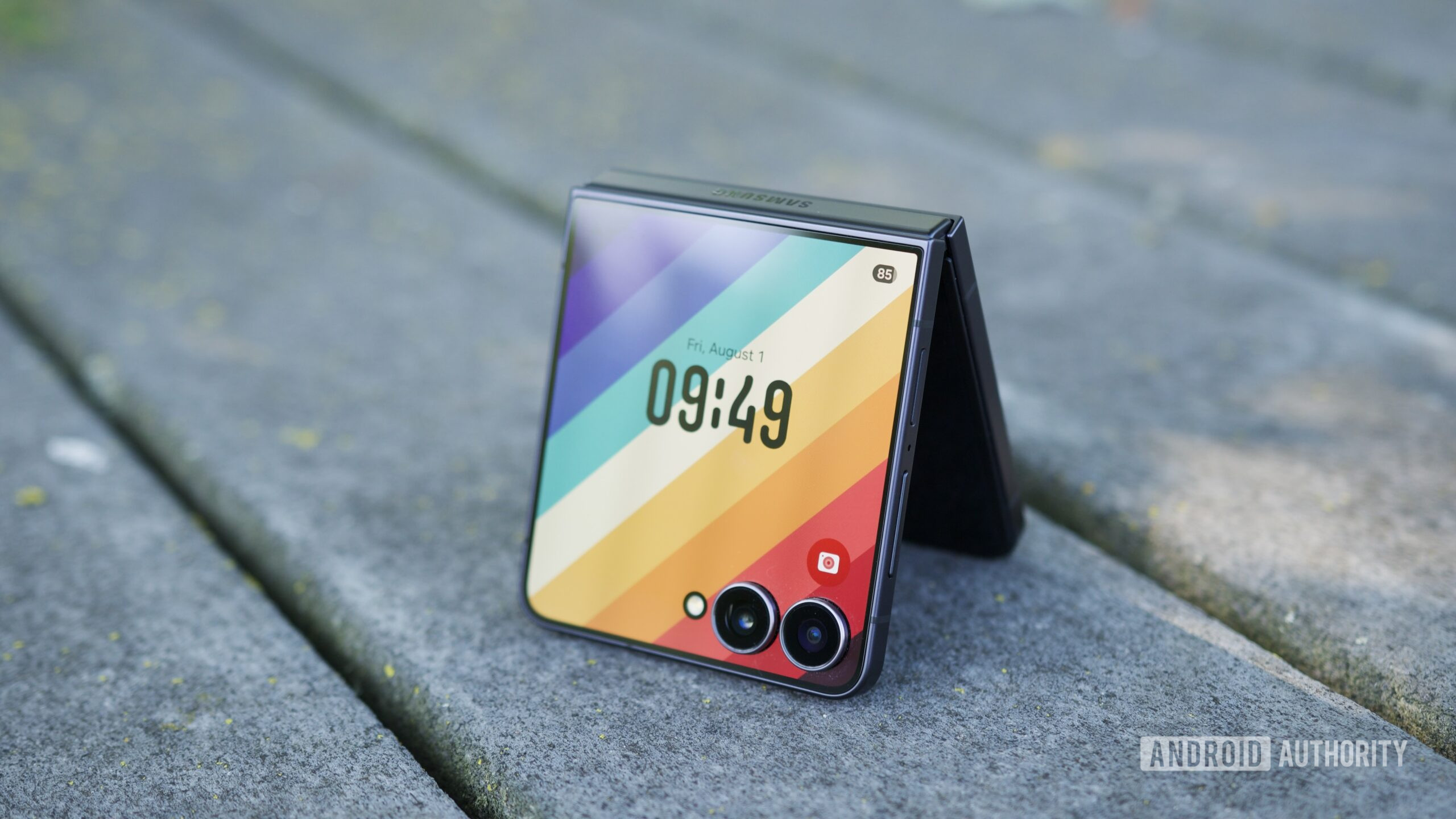
Flex Titanium display technology is Samsung’s next-generation foldable panel architecture that uses ultra-thin titanium layers inside the screen stack to reduce crease visibility, spread folding stress more evenly, and improve long-term durability without making the device thicker. That is the headline, and it matters because it finally tackles the real problem where it lives: in the display, not the hinge. Samsung announced Flex Titanium on July 15 as a dual-layer titanium structure developed over seven generations of foldable hardware, explicitly targeting the screen crease that has haunted every book-style and flip-style device so far. With the technology set to debut at Samsung Unpacked July 22 alongside the Galaxy Z Fold 8 launch and its siblings, this is less a quiet spec bump and more a public bet that foldable phones can graduate from early-adopter compromise to mainstream reliability.
How Flex Titanium Rewrites the Physics of the Crease
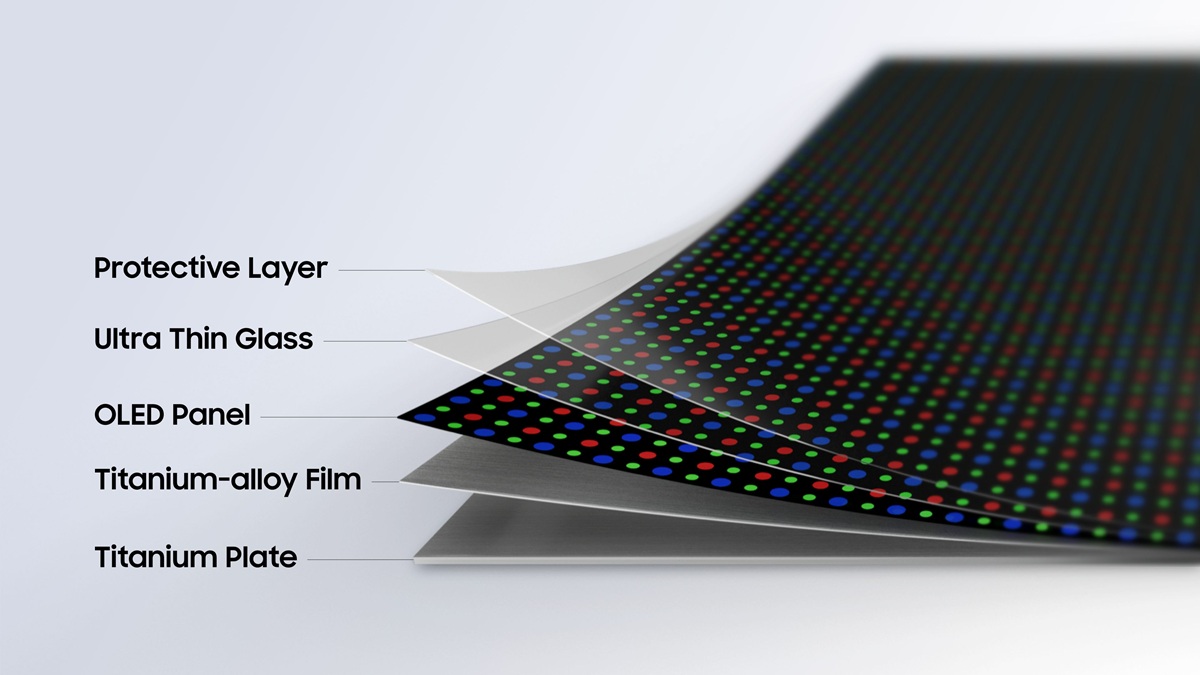
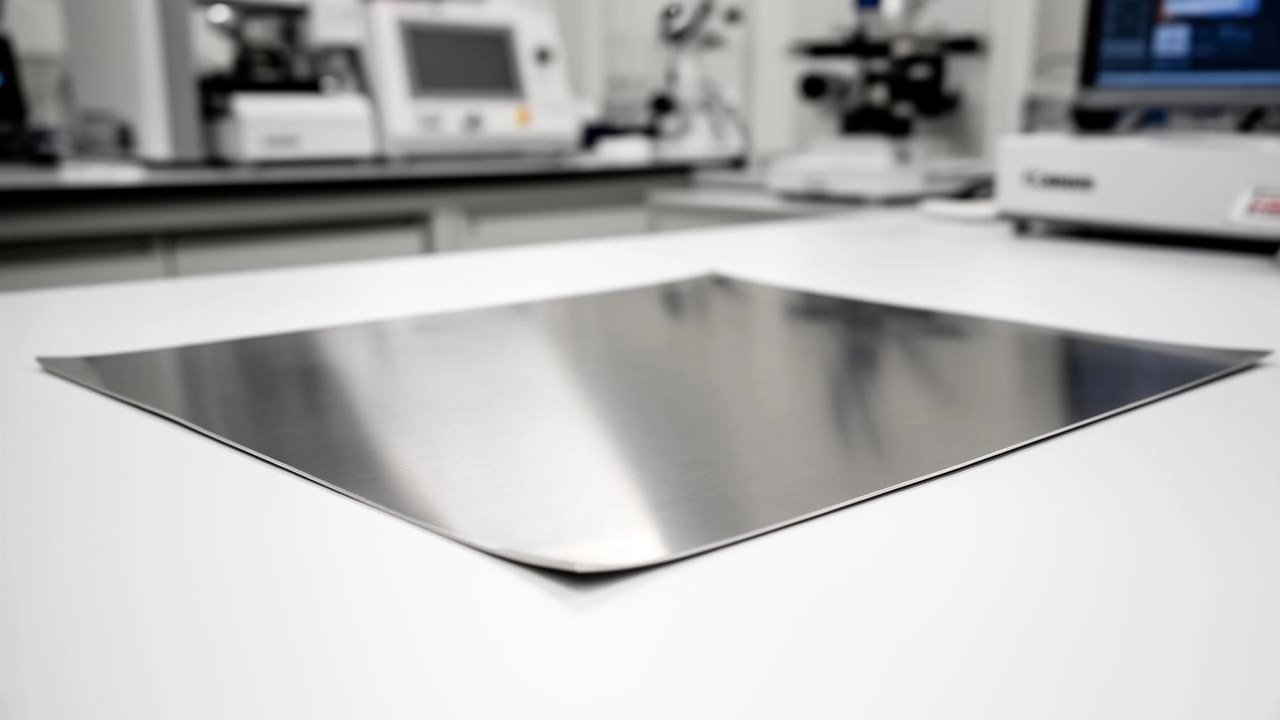
The visible foldable phone crease has always been a stress problem layered into the display, not a hinge quirk. Flex Titanium attacks that stress directly. Beneath the OLED panel, Samsung now places a titanium-alloy film with about 20 times the rigidity of the polymer film it replaces, yet rolled down to roughly one-third the thickness of a human hair. Below that sits a titanium plate that uses micro-patterned holes in the folding area to prevent stress from concentrating at a single line and to avoid cracks over repeated bends. This plate also bonds more tightly, removing the air gaps that contributed to past delamination issues. As Samsung puts it, the company has “achieved both flexibility and high durability by processing precise micro-pattern holes in the folding area of the titanium plate.” In plain terms, Flex Titanium is a foldable phone crease solution built into the skeleton of the display itself.
There is another quiet but important tweak: the cover window’s ultra-thin glass (UTG) thickness on the Galaxy Z Fold 8 is set around 60 micrometers, more than 30 percent thicker than the previous generation, which strengthens resistance to impact and further smooths the crease. The inner UTG stays at 45 micrometers, matching the prior model to balance feel and flexibility. Together, the titanium layers and UTG changes point to a clear design philosophy: make the fold line less visible and the panel more forgiving, even if it means more complex manufacturing and potentially higher repair costs for the titanium-reinforced structure.
Z Fold 8 and Z Fold 8 Ultra: Hardware Built Around the New Display
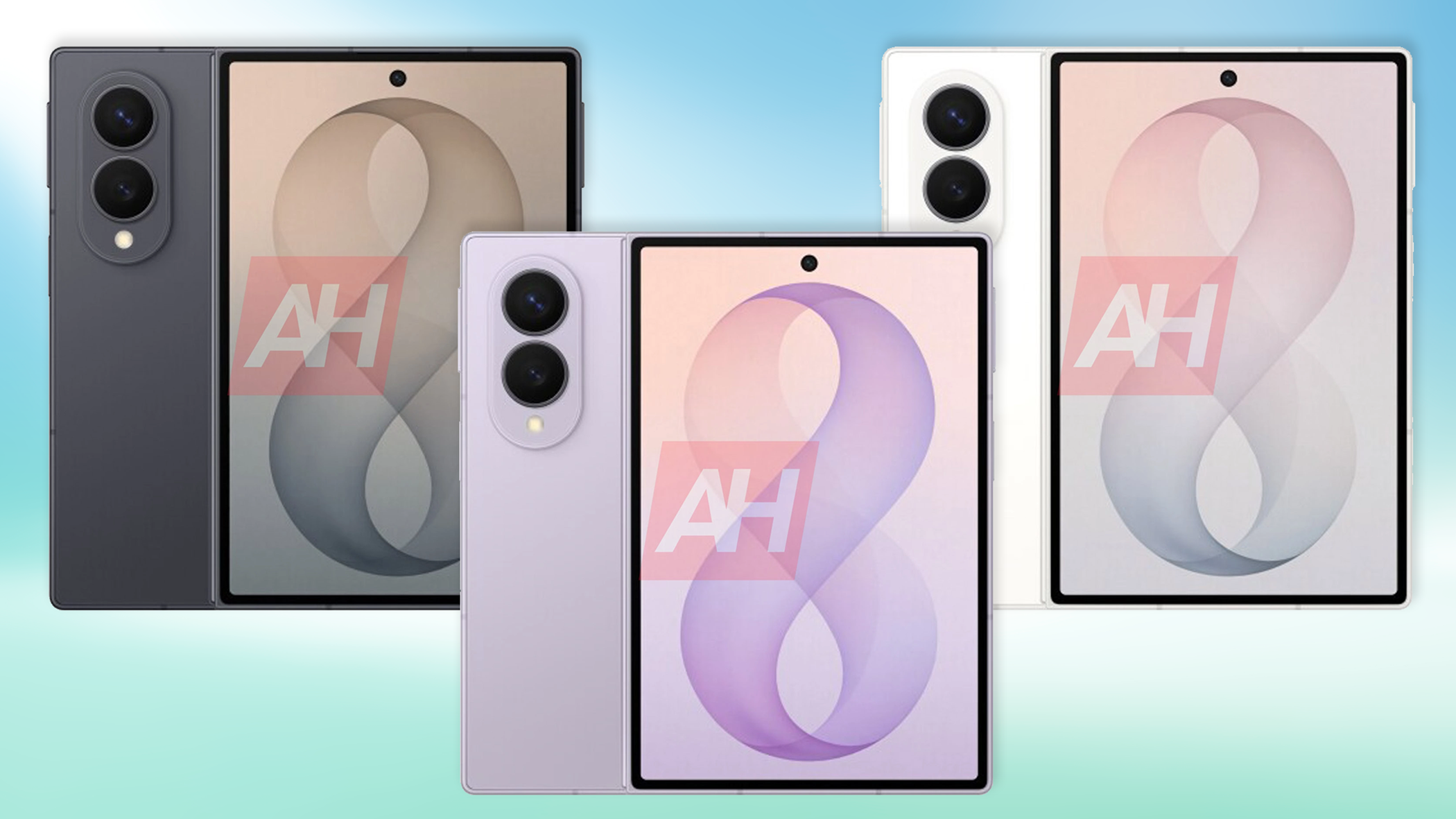
Samsung is not treating Flex Titanium as a bolt-on upgrade; it is rebuilding the Galaxy Z Fold 8 line around the display. Official leaks describe the Z Fold 8 as a wider, shorter “passport-style” device, with a 5.4–5.5 inch outer display at roughly 16:10 and a 7.6 inch inner panel at 4:3. The wider cover screen directly addresses a long-standing complaint: when folded, earlier Folds felt like remote controls, not phones. The 4:3 inner aspect ratio, meanwhile, makes landscape video show with smaller black bars than the near-square panels of older models. This is Samsung finally admitting that the Fold should be a phone-first tablet, not the other way around. Both screens are expected to remain high-end Dynamic AMOLED with up to 120Hz and HDR10+ support, anchored by a Snapdragon 8 Elite Gen 5 for Galaxy and up to 1TB of storage.
The Galaxy Z Fold 8 launch also marks a deliberate split within the line. The standard Z Fold 8 is said to use a pair of 50MP cameras instead of the triple system on its predecessor, while the Z Fold 8 Ultra becomes the true camera flagship with a 200MP primary sensor, 50MP ultrawide, and 10MP 3× telephoto. Battery capacity on the Ultra reportedly rises to around 5,000 mAh from 4,400 mAh on the previous Fold, bringing its endurance closer to slab-style flagships. The result is a lineup where Flex Titanium and the passport form factor are the shared story, but buyers choose between form factor curiosity and camera ambition. It is a smart segmentation move—as long as Samsung avoids over-pricing the Ultra in a market already hit by global memory shortages that have pushed device prices higher.
Why Reveal Flex Titanium Early—and What It Means for Flip 8 and Rivals
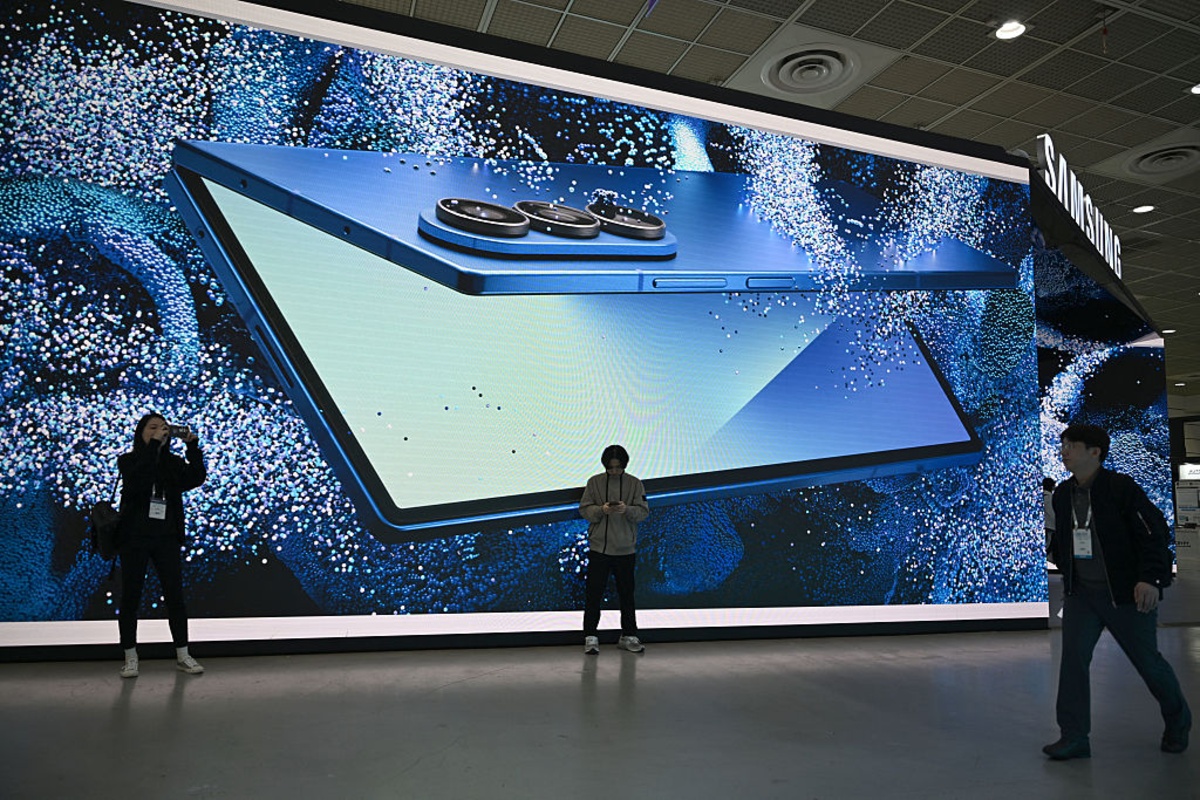
Samsung did something unusual: it revealed the guts of Flex Titanium a full week before Samsung Unpacked July 22, while its Galaxy Reserve program was already live. That early disclosure is not marketing fluff; it signals confidence that the company’s new foldable display durability story is finally compelling enough to stand on its own. Earlier foldable buyers complained loudly about mid-screen creases and long-term reliability, and those complaints have held the category back from mainstream adoption. At the same time, a major rival is widely expected to ship its first foldable later this year, using a different glass-based barrier between OLED and titanium. Samsung clearly wants to plant its flag first: its titanium film and plate are an explicit answer to a market that has grown tired of being told to “ignore the line in the middle.”
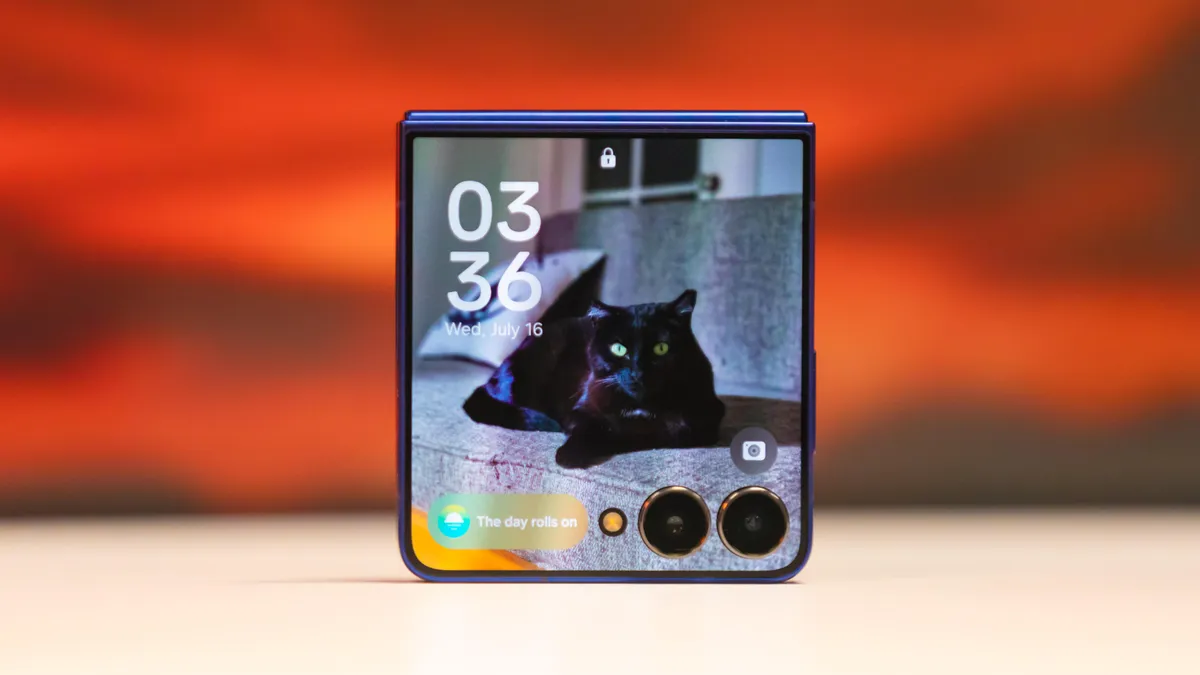
Flex Titanium is confirmed for the Galaxy Z Fold 8 lineup at Unpacked, but there is still uncertainty around how—and whether—it appears on the Galaxy Z Flip 8. Samsung describes the tech as for “the next generation of Galaxy foldable devices,” yet reports suggest the Flip 8 could use a different display assembly. That would be a mistake if it persists beyond a single cycle; the clamshell form factor arguably needs crease reductions even more. Still, July 22 is set to be Samsung’s most consequential foldable day since 2019, with three foldables, new watches, and the first Galaxy Glasses all arriving amid a constrained memory market. Galaxy Unpacked will stream live at 9 a.m. ET (2 p.m. BST), and a second, display-equipped model is already rumored for 2027. The foldable race is entering its second act, and Samsung wants everyone to know it believes the crease era is over.