
Release Radar, Redefined: From Algorithm Feed to Personal Mixtape
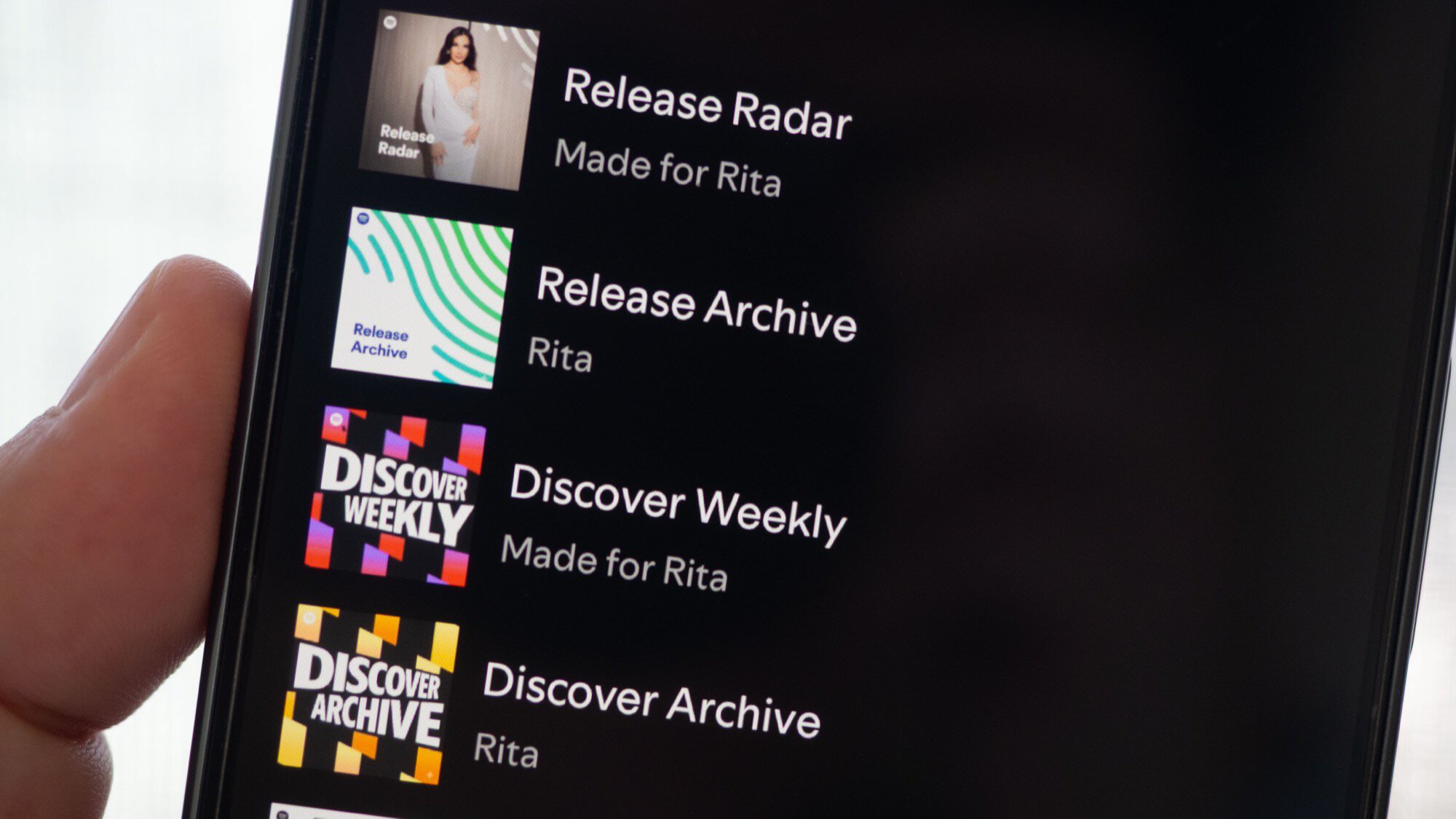
Spotify Release Radar is a weekly personalized playlist that drops every Friday with up to two hours of new music from artists you follow and related artists you might enjoy, designed as a discovery-focused mixtape that updates automatically to reflect your listening tastes and habits. That core idea has not changed, but the power balance between listener and algorithm is shifting. Release Radar was launched in 2016 as “another way to discover new music or artists,” pairing familiar names with promising newcomers. Now, Spotify is giving listeners sharper tools to guide those playlist recommendations instead of leaving everything to the black box. The key takeaway: Spotify is finally treating music discovery personalization as a two-way conversation, where you tell the system what kind of week you want, and it responds.
Granular Controls: Release Radar’s New Way to Steer Recommendations
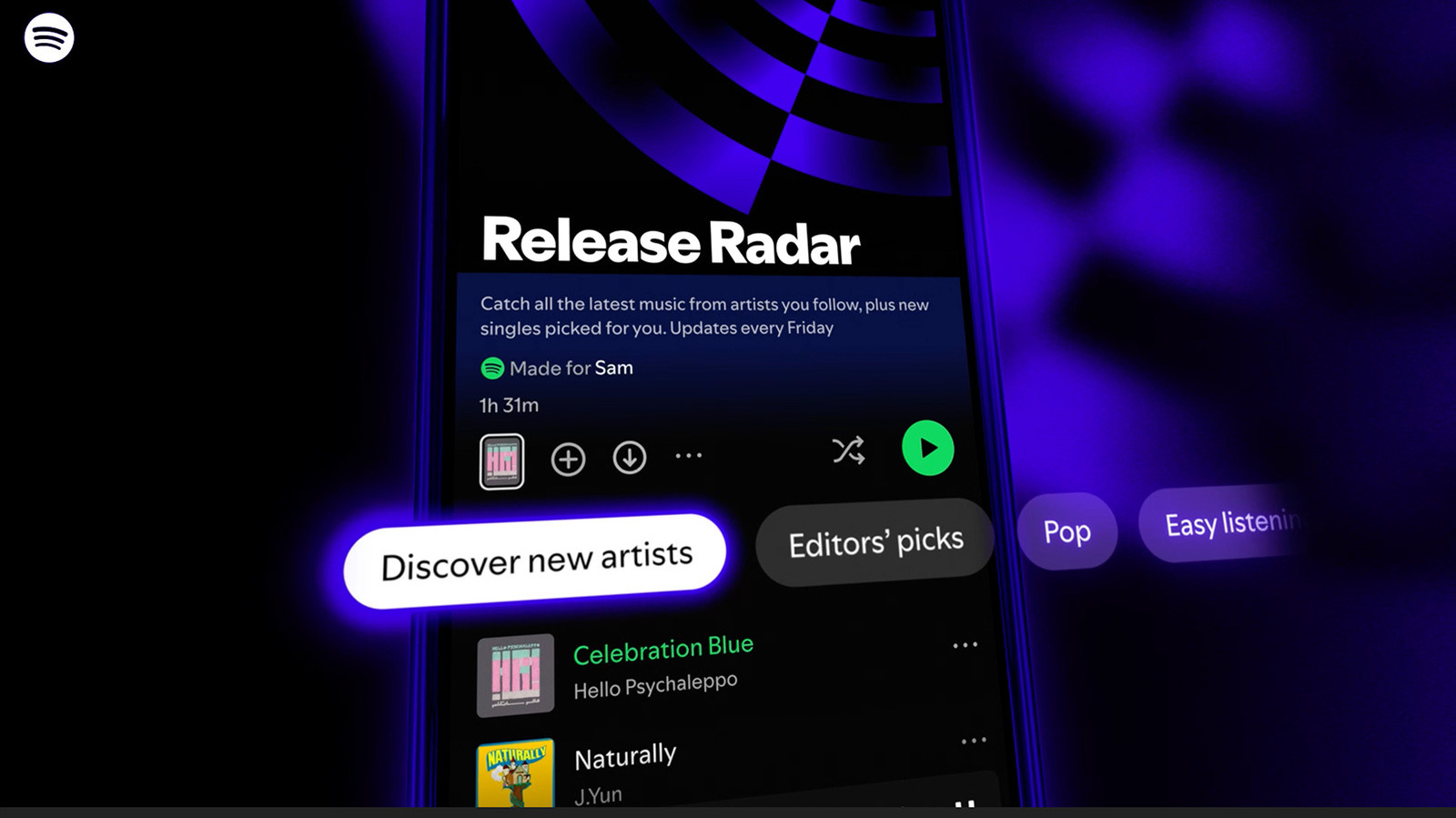
The most important change is not cosmetic; it’s control. Spotify has updated Release Radar with refined session controls so it can narrow down recommendations and serve more music that fits your taste. At the top of the playlist, you now see up to five options such as “Discover new artists,” “Editors’ picks,” “Easy listen” and “Pop,” among others. These are not passive labels—they are prompts that tell the algorithm how to shape that session. Want a calm Friday? Tap “Easy listen.” Feel like scouting the next underground favorite? Choose “Discover new artists.” Because Release Radar is a weekly drop with up to two hours of music from artists you follow plus similar names, these new controls sit right where you make decisions, turning playlist recommendations into a set of adjustable dials rather than a fixed feed. According to Engadget, “These new updates will let you fine-tune the playlist even further if you want to lessen the chances of getting tracks that you typically wouldn't like.”
Wordier Genre Filters: Action-Oriented, But Not Everyone’s Favorite
Alongside Release Radar’s new controls, Spotify is experimenting with a subtler but telling tweak: genre filters that speak in phrases instead of single words. Rather than plain tags like Hyperpop, Dance, Indie, Electronica or R&B, some users now see filters such as “Make it more dance,” “Go deeper into indie,” and “Lean into hyperpop.” This test is appearing first in Discover Weekly features and, as one Reddit user later noted, similarly phrased filters have also appeared in Release Radar. On paper, these multi-word filters are more action-oriented, hinting at what they will do to your music discovery personalization instead of simply naming a genre. In practice, they eat up screen space and require more swiping to view all five options, which some listeners understandably dislike. This is Spotify trying to turn vague mood and genre preferences into conversational commands—but it also risks overcomplicating what used to be quick taps.
Beyond One Playlist: Discover Weekly and the New Discovery Ecosystem
What matters most is that these changes are not siloed. Release Radar’s controls and the new phrased filters plug into a broader ecosystem of user-focused playlists, including Discover Weekly. Last year, Spotify rolled out genre and mood filters across some of these playlists, which was the first sign that it wanted listeners to steer algorithmic discovery rather than passively accept it. Now the experiment continues: the very same descriptive filters seen in Discover Weekly are showing up in Release Radar too. That means your weekly discovery is no longer a single playlist recommendation but a set of coordinated surfaces that react to your choices across sessions. You can decide whether this week should “go deeper into indie” or “lean into hyperpop,” and see that preference echoed in more than one place. For listeners who live inside these discovery playlists, that adds welcome consistency—even if the interface is getting busier.
More Agency, More Responsibility: What This Means for Your Listening
These tweaks may look minor, but they mark a clear shift in how music discovery personalization works on Spotify. Update after update, the company is moving from opaque curation to controllable discovery: refined session controls narrow Release Radar’s recommendations to better match your taste, while action-oriented filters in Discover Weekly and Release Radar invite you to shape where the algorithm goes next. In practical terms, these new updates let you fine-tune the playlist even further if you want to lessen the chances of getting tracks you typically wouldn’t like. The upside is obvious: more agency, fewer skips, and discovery that reflects what you feel like hearing right now. The trade-off is that you must decide how adventurous to be. If you keep dialing everything toward “Easy listen,” you might blunt the surprise factor that made Release Radar compelling in the first place. The smart way forward is to treat these controls as a spectrum—some weeks for comfort, some weeks for risk—and let the algorithm learn from both.