
The Harsh Truth: Physical Discs Are the Only Real Price Check on Digital Games
Physical game prices are the result of retailer competition and discounting on boxed discs, while digital games are prices set inside closed platform storefronts where first-party publishers face little direct pricing pressure and can maintain launch-level prices long after release, making physical copies between 40% and 90% cheaper in many comparisons. This is the uncomfortable core of the digital vs physical games debate: discs are not nostalgic trinkets, they are the only serious counterweight to platform-controlled pricing. Once they disappear, there is no outside force left to challenge whatever Sony, Microsoft, or any other platform decides a game should cost. That is why the coming shift away from discs is less about convenience and more about whether ordinary players can still afford to build a library without timing every purchase around a limited digital sale window.
Data Shows Discs Undercut Digital by 40–90%—And That’s By Design
The pricing gap between PlayStation disc pricing and digital storefronts is not an accident; it is structural. A detailed game price comparison of 16 PS5 titles found the platform’s own store was almost always more expensive than retail, and on any given day you were statistically more likely to find a lower price on a shelf than in the first‑party store. Documented examples show physical game prices routinely undercut digital by 40–75%, with extreme cases approaching 90%. Lost Soul Aside sold for USD 9.99 (approx. ₱560) on disc during a major sale while the digital version was USD 39.59 (approx. ₱2,220) at the same time. Metal Gear Solid Delta: Snake Eater was roughly USD 25 (approx. ₱1,400) physically versus USD 42 (approx. ₱2,360) digitally, and NBA 2K24 hit USD 29.99 (approx. ₱1,680) on a store shelf while the platform store wanted USD 79.99 (approx. ₱4,480). Digital cost 167% more in that case.
Why Retailers Slash Disc Prices While Digital Stores Hold the Line
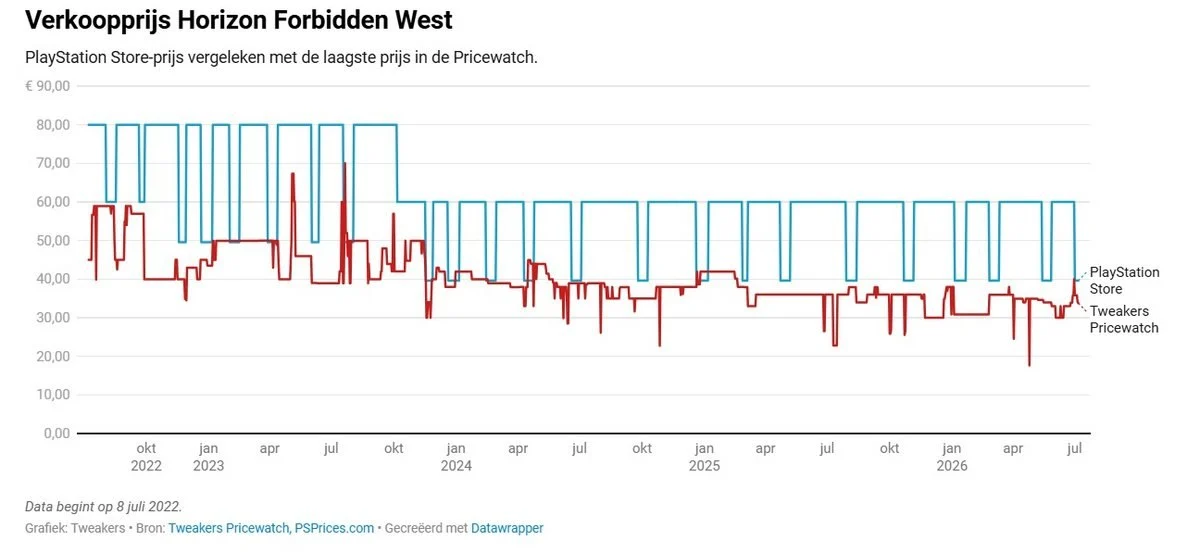
Retail stores have always been the quiet heroes of budget game shopping because their business reality forces prices down over time. Unsold inventory takes up space and ties up cash, so physical game prices drop permanently as retailers compete for buyers. That competition is baked into tools that track disc deals across many shops, showing that the average retail price at launch is almost always cheaper than the platform store, and that even with frequent sales, digital prices rarely beat the disc. Horizon Forbidden West stands out mainly because it is one of the only first‑party titles to receive a permanent digital price cut; most others snap back to launch price whenever they are not on sale. In contrast, physical copies drift downward and stay there. When you strip away retailer rivalry and second‑hand trading, you remove the two biggest forces pushing prices toward what players can actually afford.
January 2028: When Digital-Only Becomes a Price Problem, Not a Tech Milestone
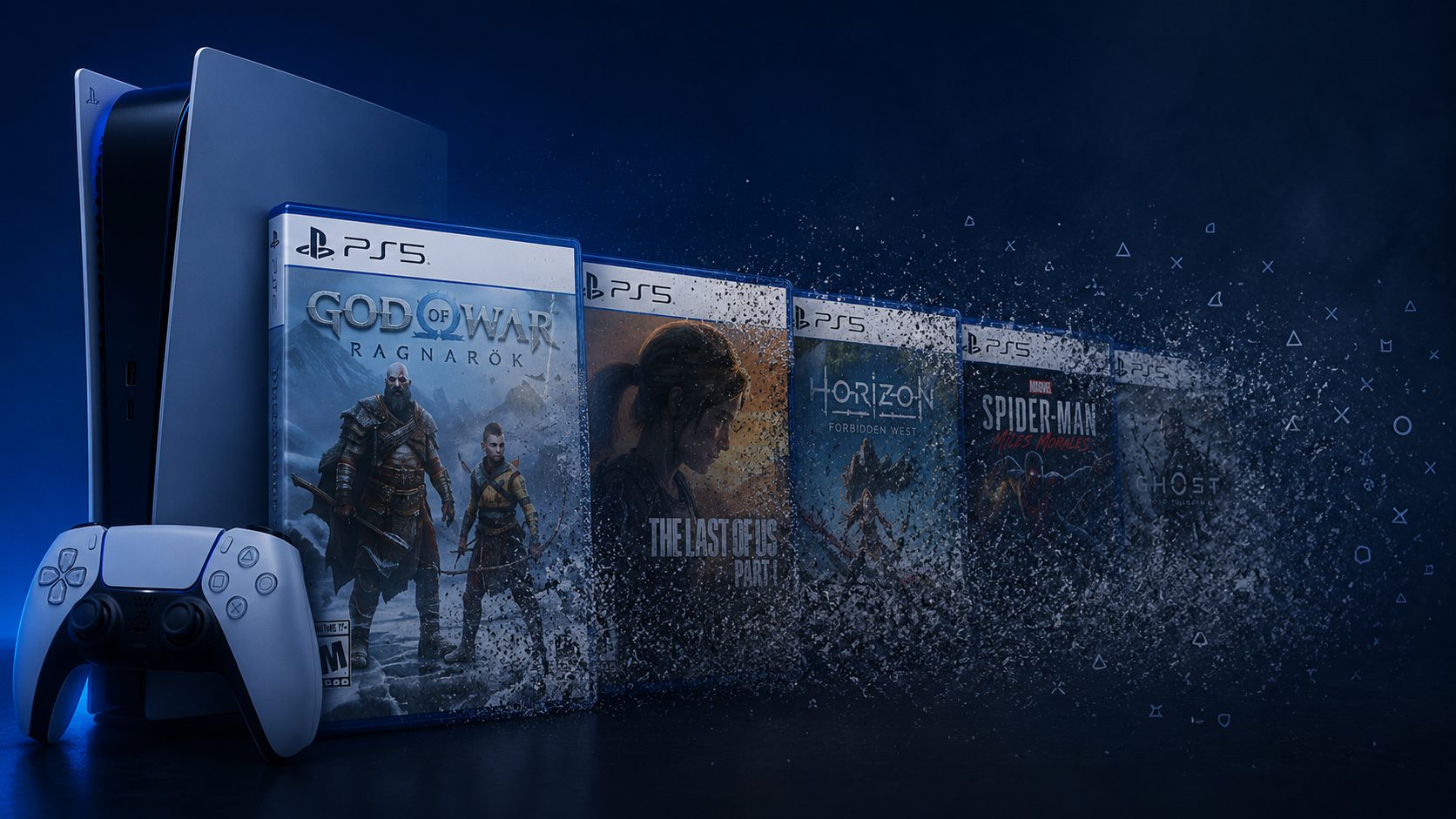
Sony has confirmed that starting January 2028, all new PlayStation game releases will be digital‑only, ending physical disc production for future titles and turning the cheaper option into a relic. Industry analysis says that by Q4 FY2025, roughly 85% of full‑game sales on PS4 and PS5 were already digital, and the company frames this move as a natural response to consumer behavior. The problem is that the remaining slice of disc buyers is made up of the people most sensitive to price: budget‑conscious players, parents, and those who cannot rely on huge downloads. As one tech commentator warned, “Going full digital can mean the games on the PlayStation Store are more expensive than if you were to buy it physically.” With physical and second‑hand markets reduced or removed, PlayStation will consolidate more power over game pricing, and average costs are likely to rise when buying from first‑party stores becomes the default.
What Budget Gamers Lose When Discs Die—and How to Fight Back Now
The most painful casualty of the end of discs is the used‑game market. Trading in three older games to fund a new release is a pricing ladder that digital licenses cannot replicate; when discs go, that math dies with them. Once you are forced to buy from a first‑party store, you will on average pay more than if you had retail or second‑hand options. Price‑tracking tools can help you time digital sales, but that demands patience and luck; a USD 10 (approx. ₱560) disc picked up on clearance demands neither. Industry watchers already see broader shifts across the gaming ecosystem that favor platform control over consumer flexibility. The blunt conclusion is this: the PS5 is almost certainly the last PlayStation where your disc drive can save meaningful money on new releases—plan your library accordingly. If you care about budget game shopping, stock up on physical copies now, while retailers are still panicking their way into 40–90% discounts.