


Sales Events Are Quietly Becoming Essentials Festivals
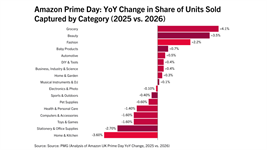
The shift from chasing headline-grabbing gadgets to hunting everyday essentials discounts describes how shoppers during major sales events increasingly focus on practical, frequently used products instead of big-ticket technology buys, reflecting more cautious budgets and a desire for reliable value from seasonal sales trends and smart shopping essentials. That shift has a digital backbone that most people overlook: cookies and data. Retailers and marketing platforms store and access information on your device, including unique IDs in cookies, to personalize ads, content, and social features, and to analyze how you use their sites. In other words, your browsing behavior is continuously turned into insight about what you will buy next—and right now, that insight points toward practicality over prestige.
Your Data Is Steering You Toward Essentials, Not Splurges
If you feel like your feeds are pushing pantry staples, beauty basics, or cooling gear more than flagship phones, that is no accident—it is a direct result of how aggressively platforms collect and analyze your data. They use a wide mix of cookies and related tools for information storage and access, measurement and analytics, personalization, content selection, and ad targeting. One platform openly works with 413 third-party vendors to power this data-driven decision-making. That scale matters: millions of micro-signals about what people click, abandon, or buy are nudging marketing teams to highlight practical deals, not status symbols. For budget-conscious tech deals, that means you are more likely to see mid-range devices or useful accessories than the latest high-end hardware—because the data says shoppers are tightening their priorities.
The Hidden Cost of Opting Out of Personalization
Privacy-conscious shoppers might be tempted to slam the door on cookies. You should—up to a point—but understand the trade-offs if you care about smart shopping essentials. Some cookies are strictly necessary for core functions like purchasing and fraud prevention; if you disable them, parts of shopping sites may not work properly. Turning off advertising cookies has more subtle consequences: you will still see ads, but they will be generic, and likely less relevant to the deals you care about. In practice, that means fewer tailored alerts for everyday essentials discounts and more noise in your feed. The focus on personalization exists for a reason: according to one data policy, cookies are used "to provide you with the best possible experience" and to personalize ads and content based on your interests. You are trading targeted value for broader anonymity.
Cookie Settings Are Now a Shopping Strategy Tool
Most shoppers treat cookie banners as a nuisance; they should treat them as a tuning dial for how they experience seasonal sales trends. Platforms let you manage cookie preferences from browser settings and dedicated "Cookie Settings" links, often on every browser and device you use. That means you can keep essential and analytics cookies that help sites function and surface better deals, while throttling the more intrusive tracking you do not want. Just be aware: some cookie-management solutions rely on cookies themselves, so heavy-handed blocking can create new glitches. For serious deal hunters, the smart move is not a blanket rejection but a considered mix—keep what improves discovery and checkout, cut what feels excessive. Your settings decide whether your Prime-style sales experience feels like a curated essentials outlet or a random ad carousel.
What Comes Next for Deal Hunters in a Data-Driven Market
The way cookies are governed is not fixed, and that matters for anyone chasing budget-conscious tech deals and everyday essentials discounts. One major cookie notice states that it may be revised from time to time, in line with legal requirements, and recommends revisiting the notice regularly to stay informed about how cookies are used. That is a clear signal: rules, tools, and marketing tactics will keep evolving. For shoppers, the implication is simple but important. As policies tighten or expand, the visibility of essentials-focused offers, the relevance of tech promotions, and the friction in checkout flows will all shift. The savviest buyers will start treating privacy pages and cookie settings as part of their shopping routine. If you want sales events to work for you, not against you, your data choices are now as important as your wish list.