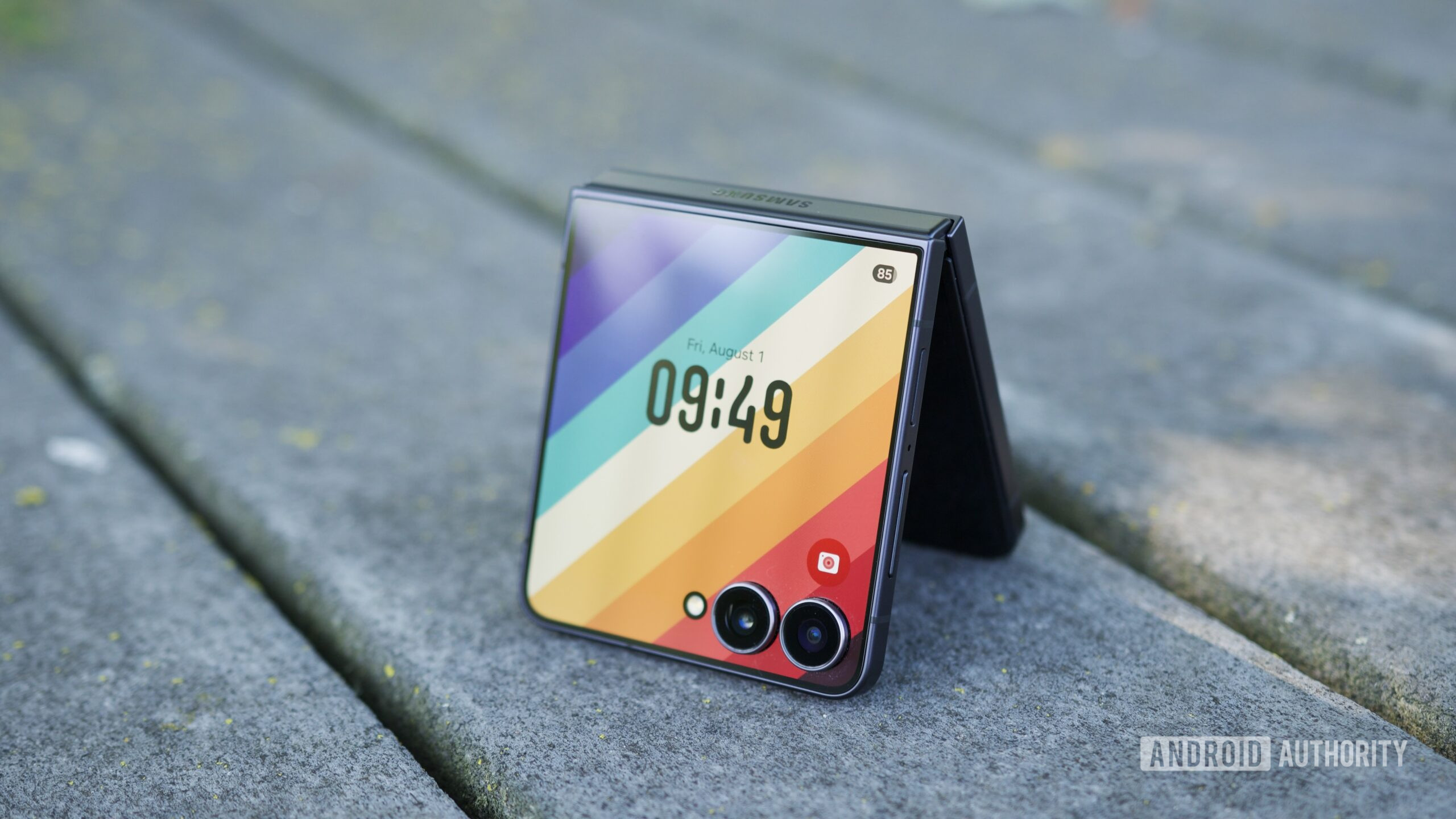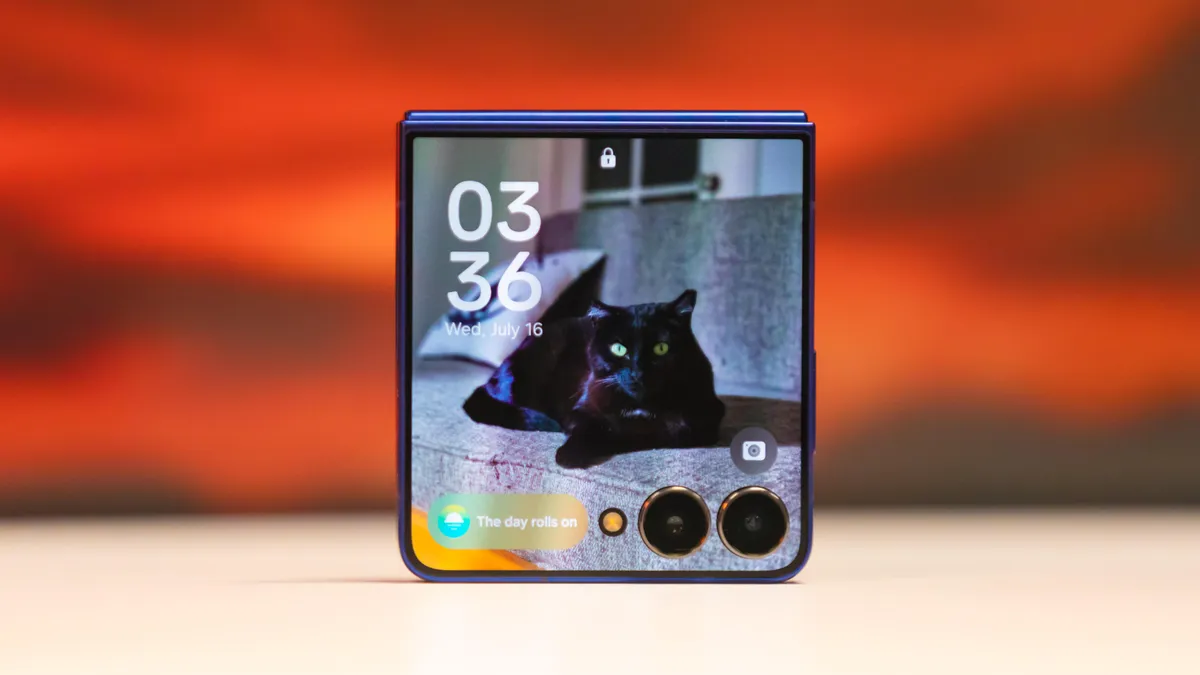
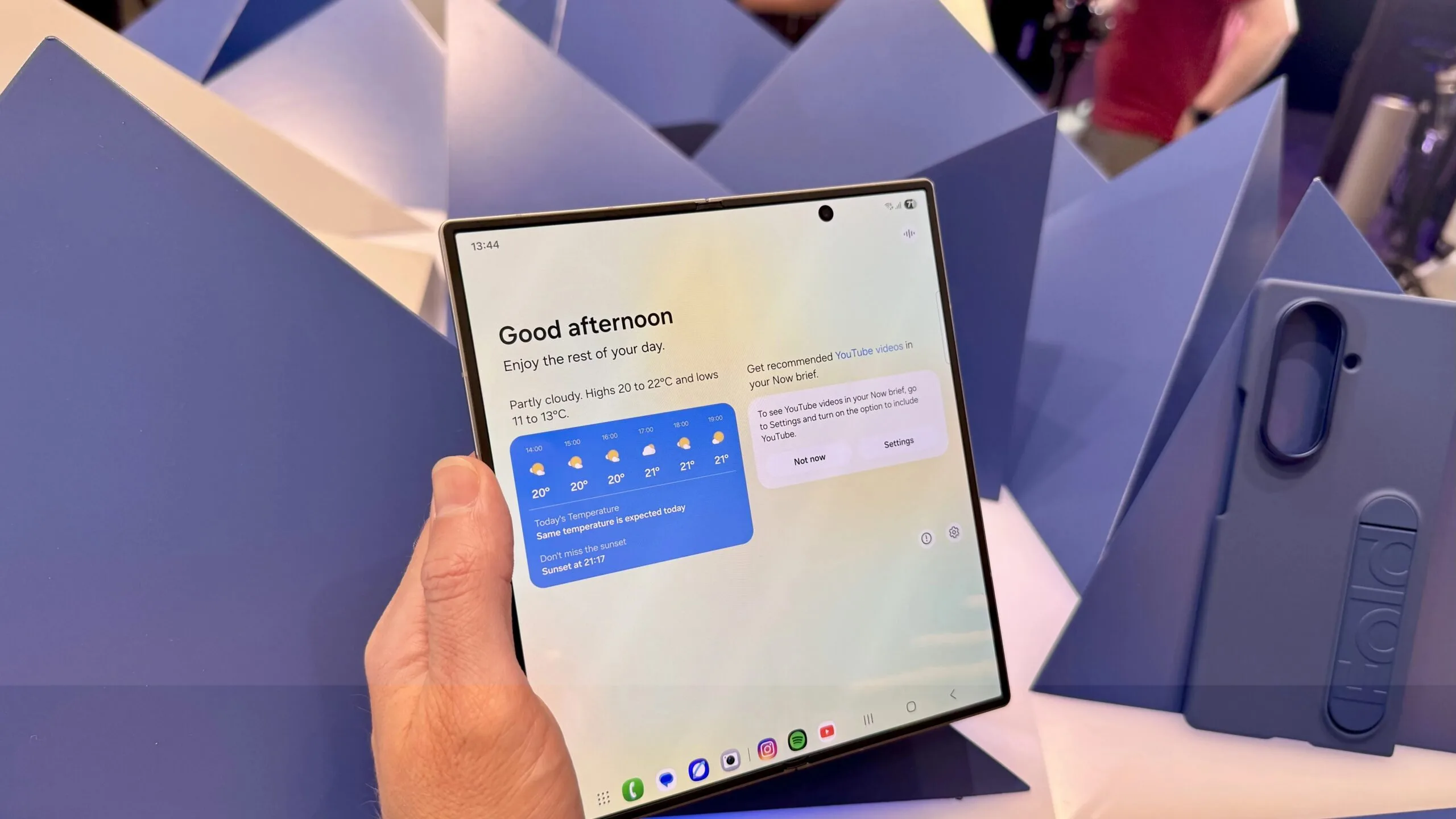

A nearly creaseless Galaxy Z Fold 8 Ultra and why it matters
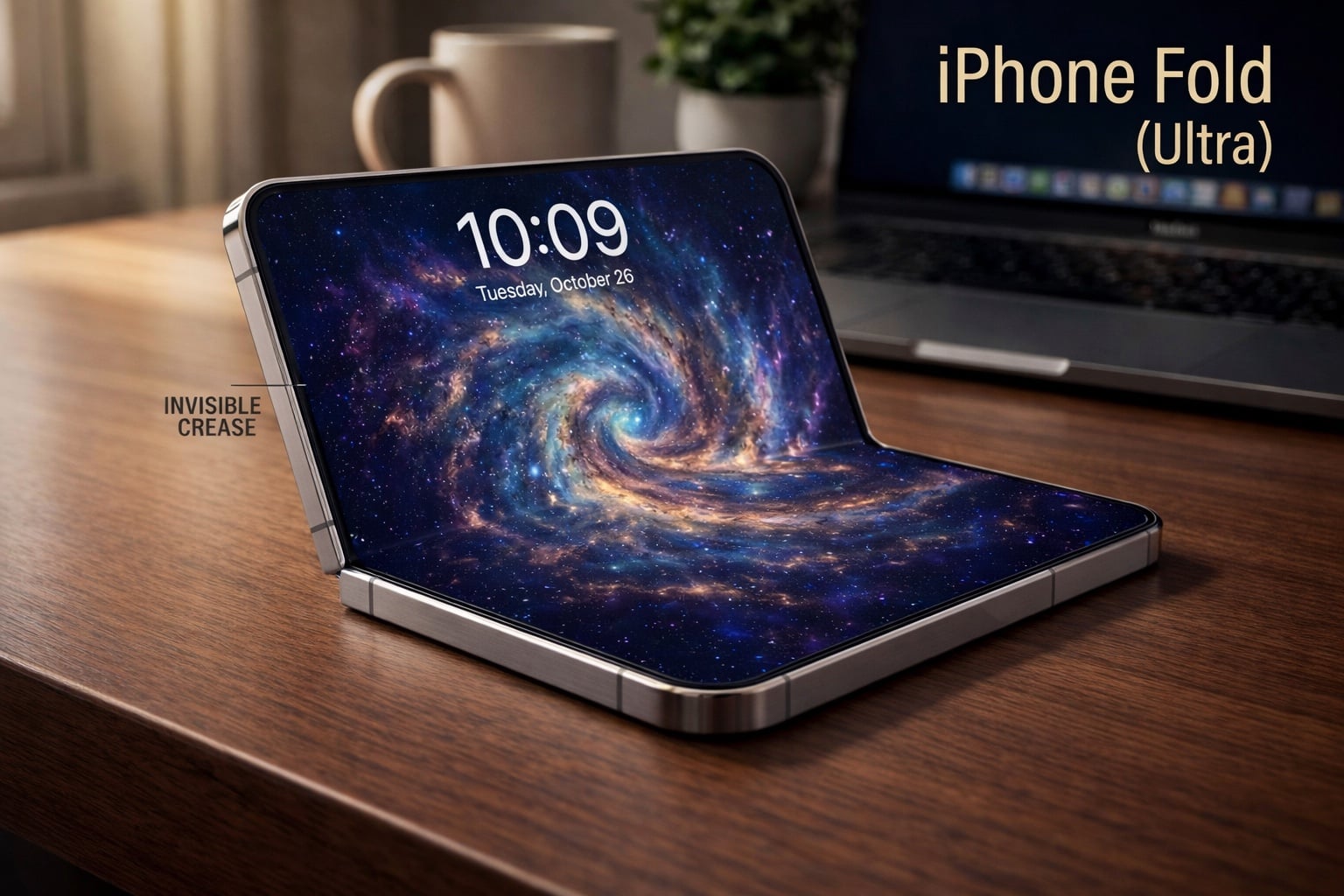
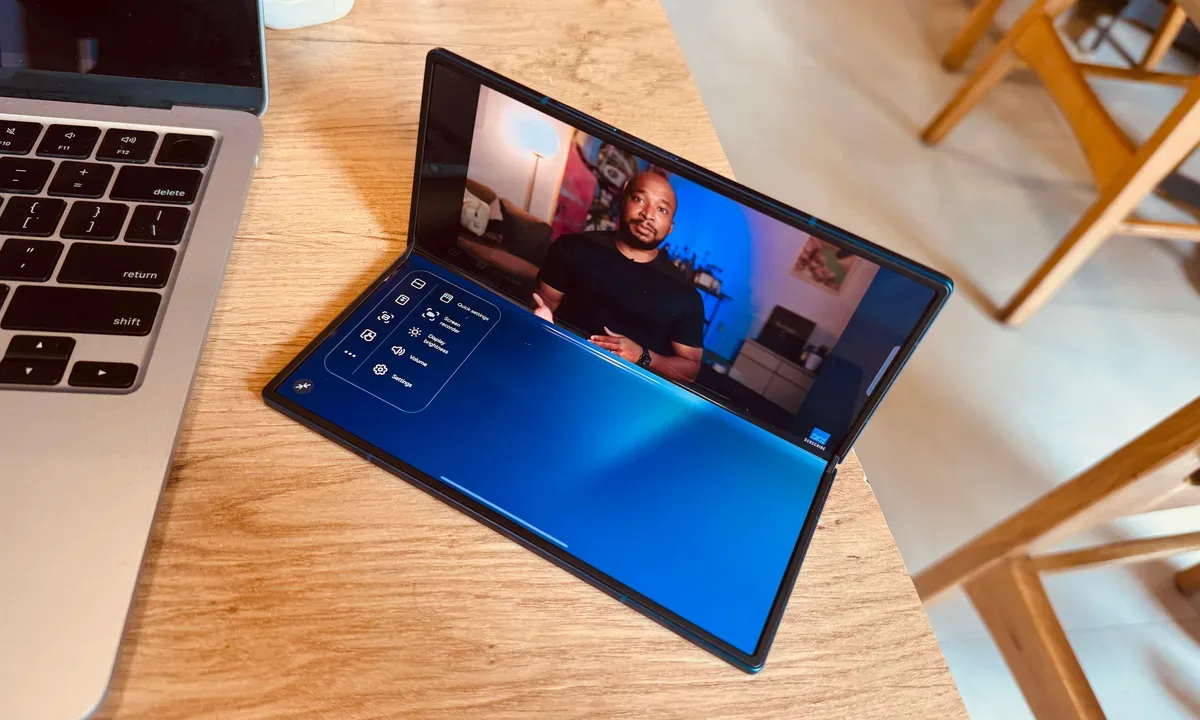
The Galaxy Z Fold 8 Ultra and its creaseless foldable display refer to Samsung’s next flagship book-style foldable phone, whose leaked inner screen and hinge technology aim to make the foldable phone crease dramatically less visible while improving durability, battery life, and everyday usability compared with previous Galaxy Z Fold generations. That is the headline story of this leak: for once, a foldable’s defining feature is not the crease you must learn to live with, but how close the device may come to erasing it as a daily annoyance. A video shared by tipster Momentary Digital on Weibo shows a phone claimed to be the Galaxy Z Fold 8 Ultra with a crease-free display in real-world use, with the fold line barely visible even when a video plays across the center of the screen. The catch is that another leaker later argues this device is actually a blue Galaxy Z Fold 7, and that the Fold 8 Ultra’s panel will be even more impressive. Regardless of who is correct, the leak signals a clear direction: Samsung foldable technology is now focused squarely on attacking the foldable phone crease instead of treating it as an inevitable compromise. This timing is not accidental. Samsung is set to launch the Galaxy Z Fold 8, Galaxy Z Fold 8 Ultra, and Galaxy Z Flip 8 at its Unpacked event on July 22 alongside new smartwatches, so early visuals of a creaseless foldable display are priming expectations before the official reveal. If the company delivers a crease that is as hard to see in normal use as this leak suggests, the Fold 8 Ultra will not just be another spec bump; it will be a statement about what a premium foldable should feel like to use.
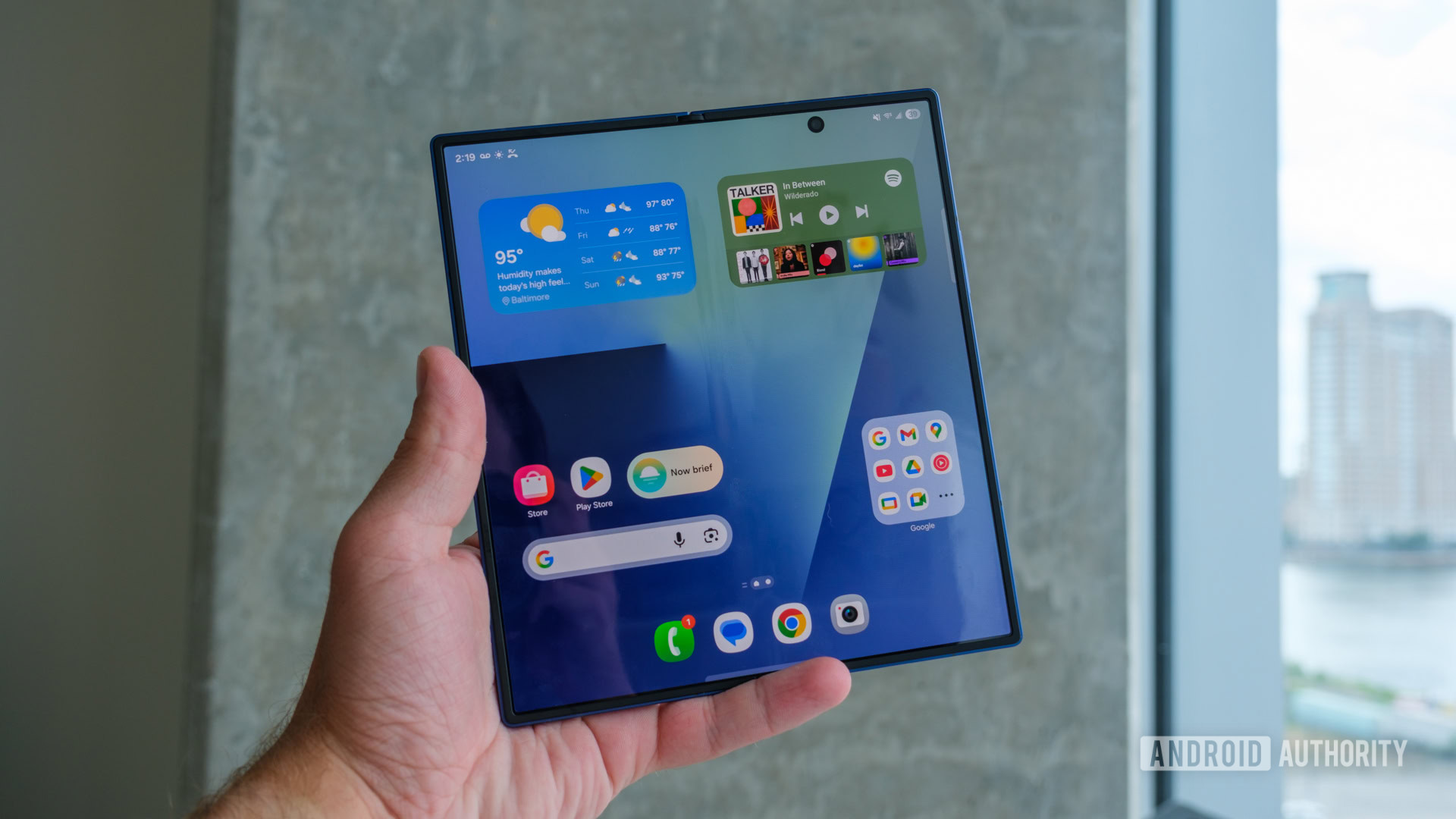
Flex Titanium: the engineering push against the foldable phone crease
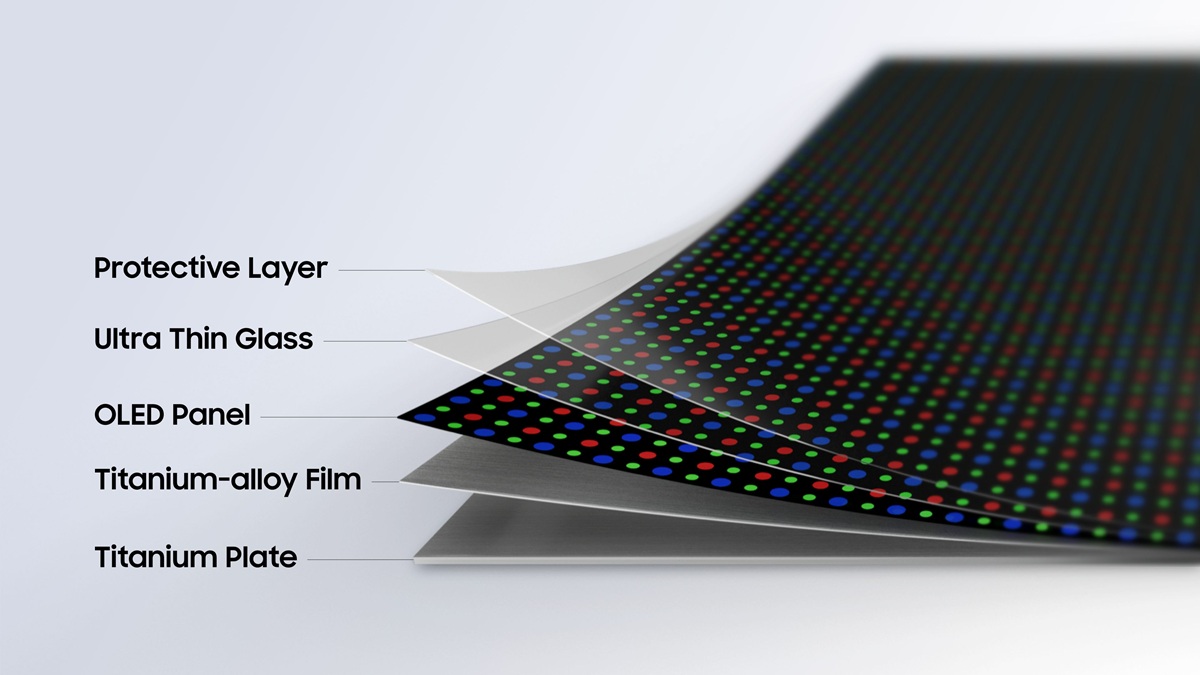
The alleged creaseless effect on the Galaxy Z Fold 8 Ultra is not magic; it is the result of targeted changes in Samsung foldable technology, especially around the hinge and inner display materials. The company has confirmed a new Flex Titanium technology that combines a titanium alloy film with a titanium plate in the hinge area to improve overall durability and reduce the visibility of the foldable phone crease on both the Fold 8 Ultra and the wider Fold 8 family. In plain terms, Samsung is reinforcing the part of the phone that bends so the display can flex more gracefully instead of crumpling into a deep valley. According to company executives, the crease on this generation is described as "dramatically less visible than anything the company has shipped before,” a strong claim for a product line that has been defined by its center wrinkle since the first Fold launched. That promise is backed up by testing: the inner screen on the Fold 8 series has been rated to survive 500,000 folds at room temperature, suggesting long-term structural integrity that should matter far more than launch-day glamour shots. There is a necessary note of caution. Creases on foldable displays can worsen over time, and no leak can tell us how many folds the device in question has seen. Even if the Fold 8 Ultra starts out nearly crease-free, repeated folding will stress the panel and hinge, and the question becomes whether this titanium-backed design slows the aging process enough to keep the crease discreet throughout a typical ownership cycle. That is the real test of this engineering breakthrough, and one users should watch closely after release.
Specs, price hikes, and what ordinary users actually gain
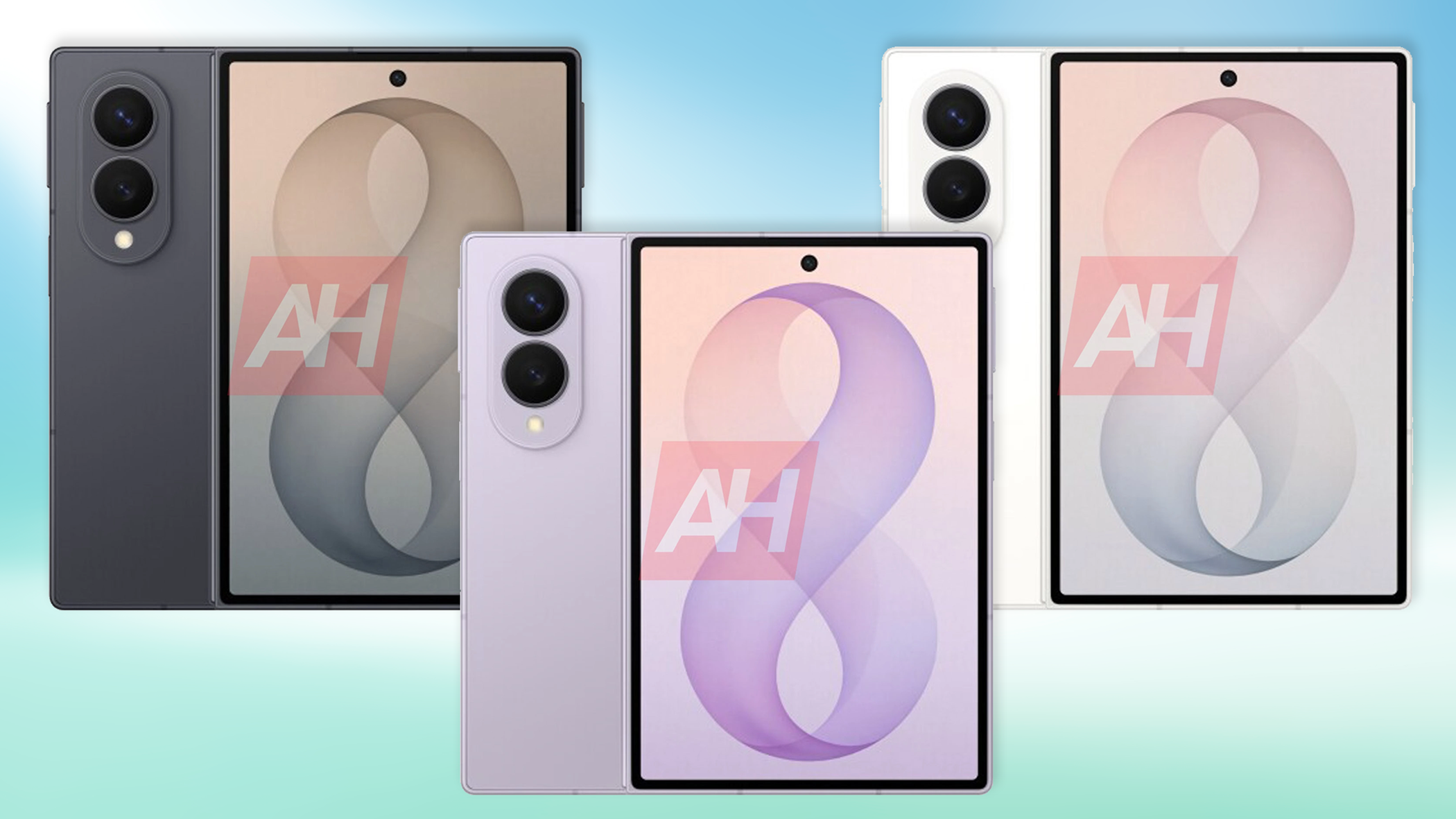
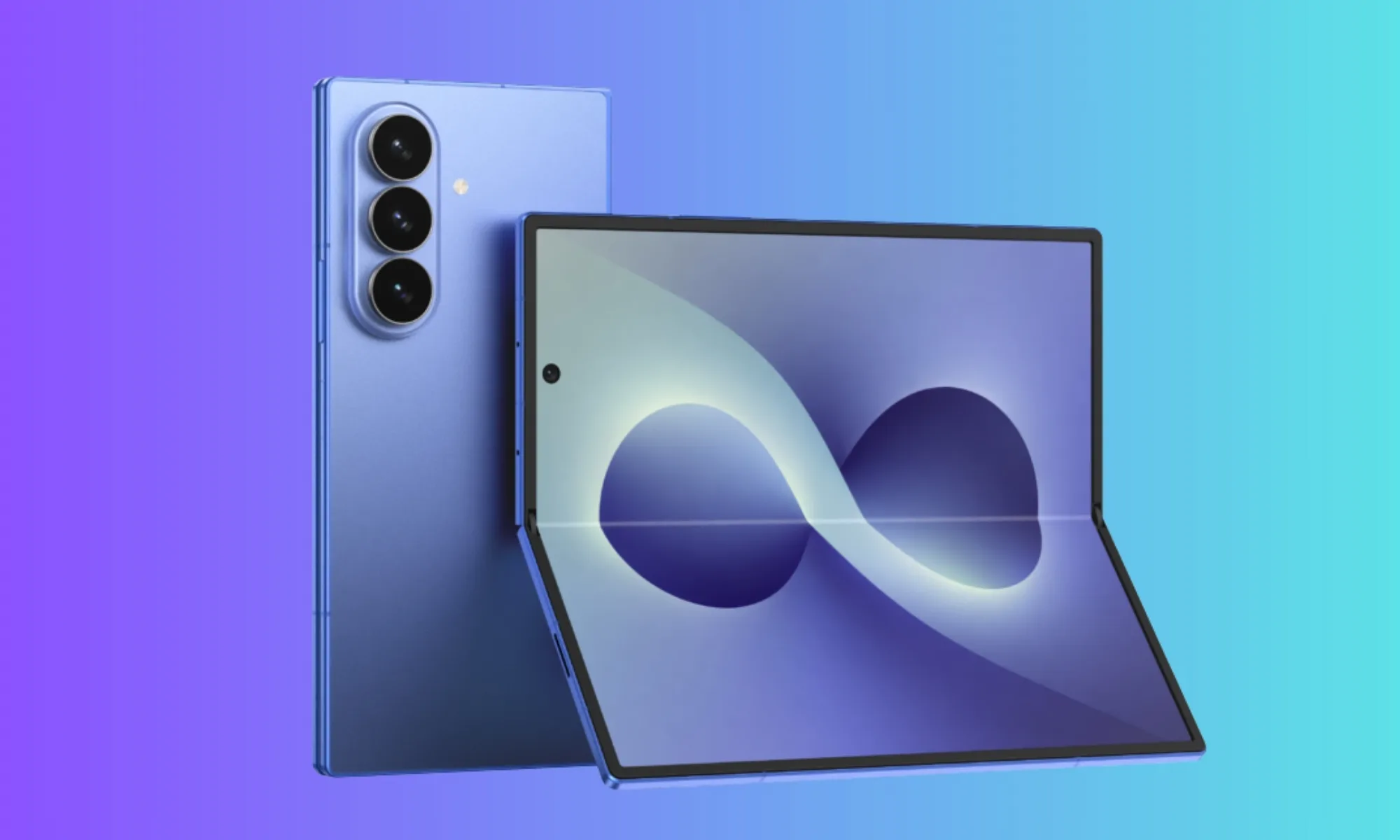
The creaseless foldable display gets the headlines, but the Galaxy Z Fold 8 Ultra’s broader hardware package is what will decide whether this device feels like a meaningful upgrade in daily use. Leaked specifications point to a familiar book-style form factor with an 8-inch Dynamic AMOLED 2X inner display at 2,504 x 2,256 resolution and a 6.5-inch cover display at 2,520 x 1,080, both running a true variable 1–120Hz refresh rate. Peak brightness on the inner panel could reach 3,600 nits, a step up from the 2,600 nits of the previous Fold 7, which should help content cut through glare and make split-screen work more comfortable. The phone is expected to use the Snapdragon 8 Elite Gen 5 for Galaxy, giving it overclocked prime cores for stronger multitasking and gaming performance compared with standard versions of the chip. More important for ordinary users is the battery upgrade: the Fold 8 Ultra is tipped to ship with a 5,000mAh cell, compared with the 4,400mAh battery in the Fold 7. Paired with the chipset’s power efficiency, that 600mAh increase should translate into tangible improvements in battery life, especially for those who push the large inner display through long workdays. Those gains will not come cheap. European pricing is rumored to start at €2,199 for the base model with 256GB of storage, and leaked US pricing suggests a starting point of USD 2,099 (approx. ₱118,000), roughly a USD 100 (approx. ₱5,600) increase over the previous Fold 7. Users are being asked to pay more during a global memory crisis that is pushing component costs up, and that means the creaseless experience and battery improvements must feel like everyday benefits, not marketing tricks, to justify the jump.
| Spec | Galaxy Z Fold 7 | Galaxy Z Fold 8 Ultra (leaks) |
|---|---|---|
| Inner display size | 8.0 inches | 8.0 inches |
| Inner resolution | 1968 x 2184 pixels | 2256 x 2504 pixels |
| Peak brightness | 2,600 nits | 3,600 nits |
| Battery | 4,400mAh | 5,000mAh |
| Thickness (unfolded) | 4.2mm | 4.1mm |
Durability, daily usability, and the road ahead for foldables
For ordinary users, the real impact of a creaseless foldable display is psychological as much as technical. A deep foldable phone crease constantly reminds you that your expensive device carries a compromise at its core; reducing it to a faint line or making it hard to notice in motion changes the emotional tone of the product. It makes the Fold 8 Ultra feel more like a large tablet that happens to fold, not a fragile experiment you must handle delicately. The new hinge and material design seek to address long-term durability fears at the same time. With testing that rates the display to survive 500,000 folds at room temperature, and IP48 dust and water resistance that matches the Fold 7, Samsung is working to make repeated folding feel routine rather than risky. Still, users should remember that lab tests are controlled; dust, drops, and heat will be harsher in real life. For people who use the inner screen as a workspace, the combination of higher brightness, sharper resolution, and a crease that is dramatically less visible should improve split-screen multitasking and reduce visual fatigue. On an 8-inch inner display, productivity tools and creative apps have far more room to breathe than on a conventional phone, especially when two apps share the screen. If the crease fades into the background instead of cutting through the middle of a document or timeline, foldables finally begin to deliver on their promise as everyday productivity devices rather than tech curiosities.
Conclusion: a defining moment for Samsung foldable technology
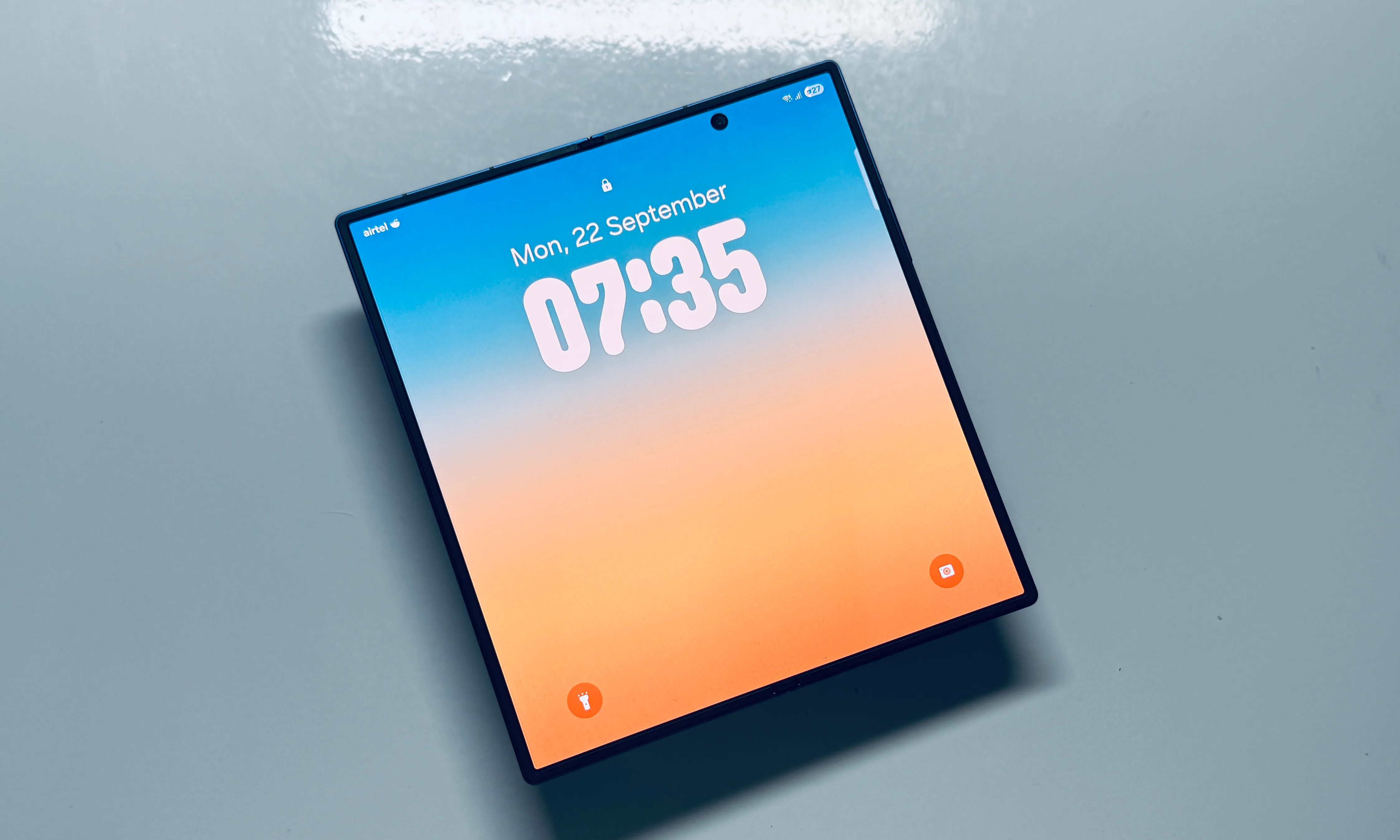
The leaked creaseless foldable display tied to the Galaxy Z Fold 8 Ultra is more than a cosmetic tweak; it signals Samsung’s decision to tackle the foldable phone crease directly through new display materials and Flex Titanium hinge engineering rather than treating it as the cost of doing business. With a brighter 8-inch inner panel, a larger 5,000mAh battery, and a Snapdragon 8 Elite Gen 5 core, the device is shaping up as a substantial update to the established book-style form factor rather than a radical redesign. Samsung is expected to announce the Fold 8 Ultra at its Unpacked event in London on July 22, with sales likely starting around August 5, giving buyers about two weeks to place pre-orders. Between now and then, more leaks will tempt people to treat the "creaseless" claim as settled fact. That would be premature: we have yet to see how the crease holds up after months of folding and unfolding, and whether this technology will filter across the foldable lineup in a consistent way. The sensible stance is cautious optimism. The early video suggests a dramatic improvement in crease visibility, and Samsung’s own durability figures and hinge design changes support that direction. If the final hardware matches these expectations, the Galaxy Z Fold 8 Ultra could mark a turning point where the biggest flaw in foldable phones becomes a minor quirk. If it does not, the crease will remain the nagging reminder that foldables are still a work in progress, no matter how much power or battery life they pack.