
The new math of AI: pay once, use everything
AI subscription bundling is the practice of paying a single, relatively low annual fee to access multiple large language models in one app, instead of maintaining several separate, higher-priced subscriptions tied to individual AI providers for similar everyday assistant tasks.
The core shift in AI right now is economic, not technical: users are discovering that the convenience they once paid USD 20 (approx. ₱1,120) a month for in one AI assistant can be matched or exceeded by cheaper bundles and even free self-hosted setups. ChatGPT Plus at USD 240 (approx. ₱13,440) a year looks less like a default and more like a luxury when an app can offer GPT, Claude, Gemini, and Sonar access for USD 29.99 (approx. ₱1,680) per year. That gap is not a small discount; it is a total reframing of what “premium AI” should cost. Users are responding with their wallets, and the message is clear: single-model subscriptions have lost their pricing power.
Bundled AI apps: one subscription, many brains
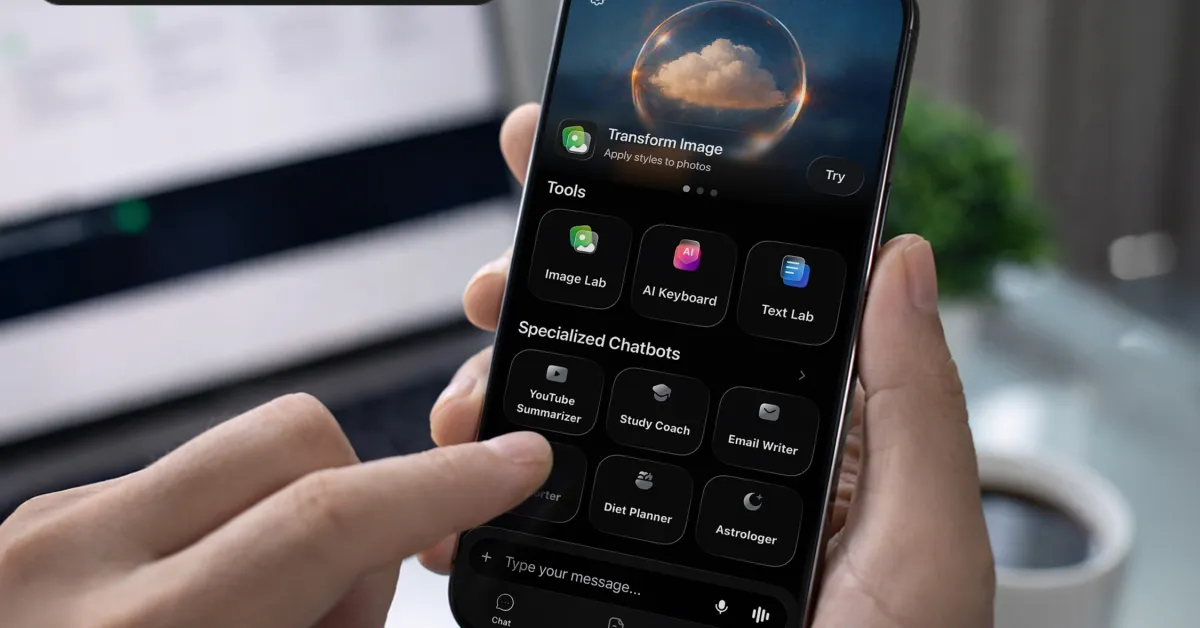
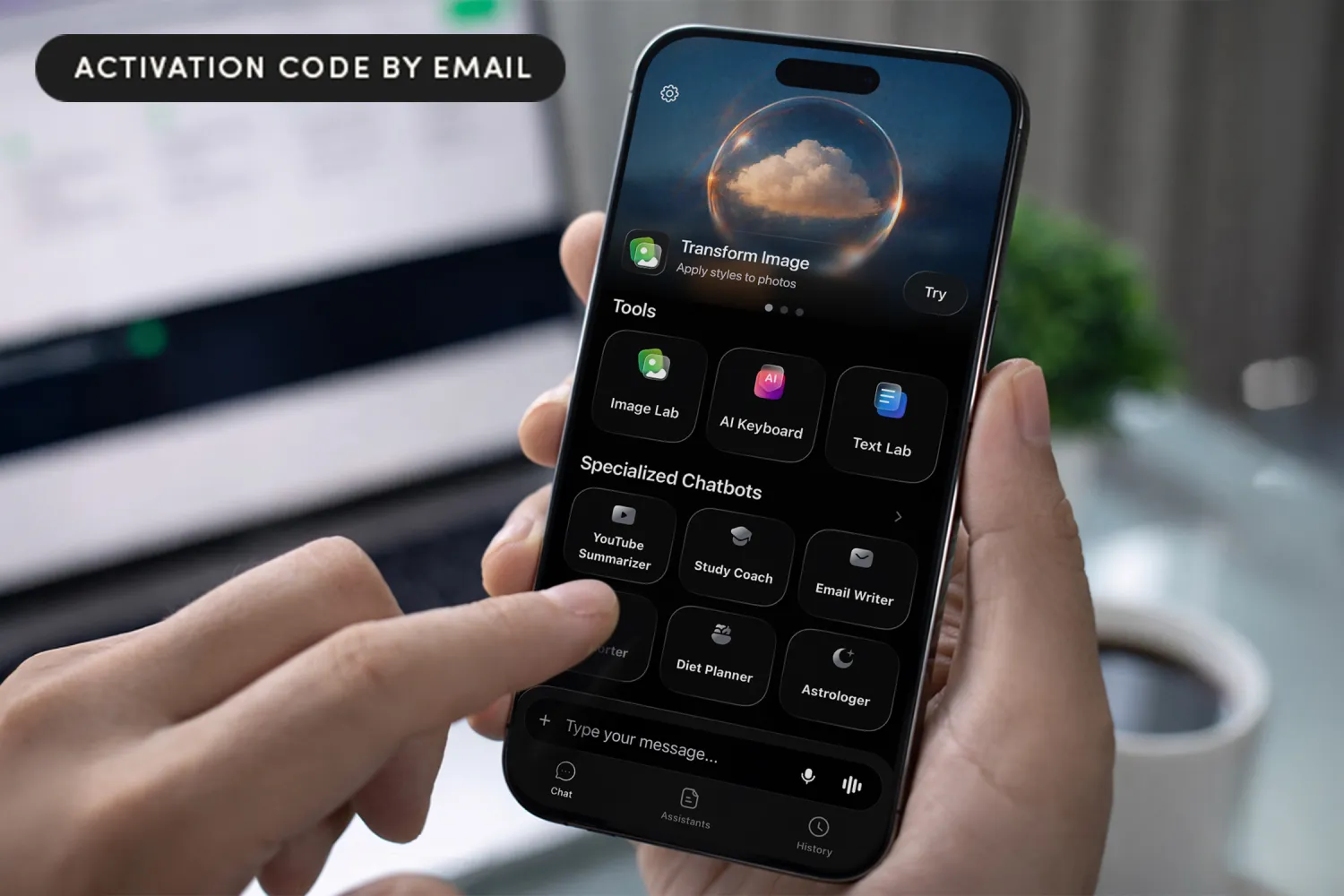
If you want an affordable AI assistant app today, you do not need to lock yourself into one lab’s ecosystem. A one-year subscription to ChatOn costs USD 29.99 (approx. ₱1,680) and is “not locked to a single lab’s model”. Instead of gambling that one assistant can handle every task, users get paid-tier model access to GPT, Claude, Gemini, and Perplexity’s Sonar from a single interface.
That bundle includes access reported by users to GPT-5, GPT-4o, o4-mini, Claude 4.5 Sonnet, Gemini 2.5 Pro, and Sonar Pro, with daily caps most people say they never hit under normal use. This is not a full replacement for a direct ChatGPT Plus or Claude Pro subscription, but for everyday work—summarizing documents, generating images, editing photos, or doing real-time web search—it is “more than enough for most day-to-day use”. In effect, aggregator apps are turning Claude Gemini GPT access into a single product feature, and that fragments demand for individual AI subscriptions overnight.
Local LLMs and Tailscale: free beats cheap
Price pressure on AI subscriptions is not coming only from bundles. It is also coming from users who sidestep the subscription model altogether by self-hosting. One power user describes how they have “been running local LLMs for a while now,” using tools like Ollama and models such as Qwen2.5-Coder on a repurposed desktop. The missing piece was mobility: away from home, they still paid for ChatGPT Plus mainly for convenience.
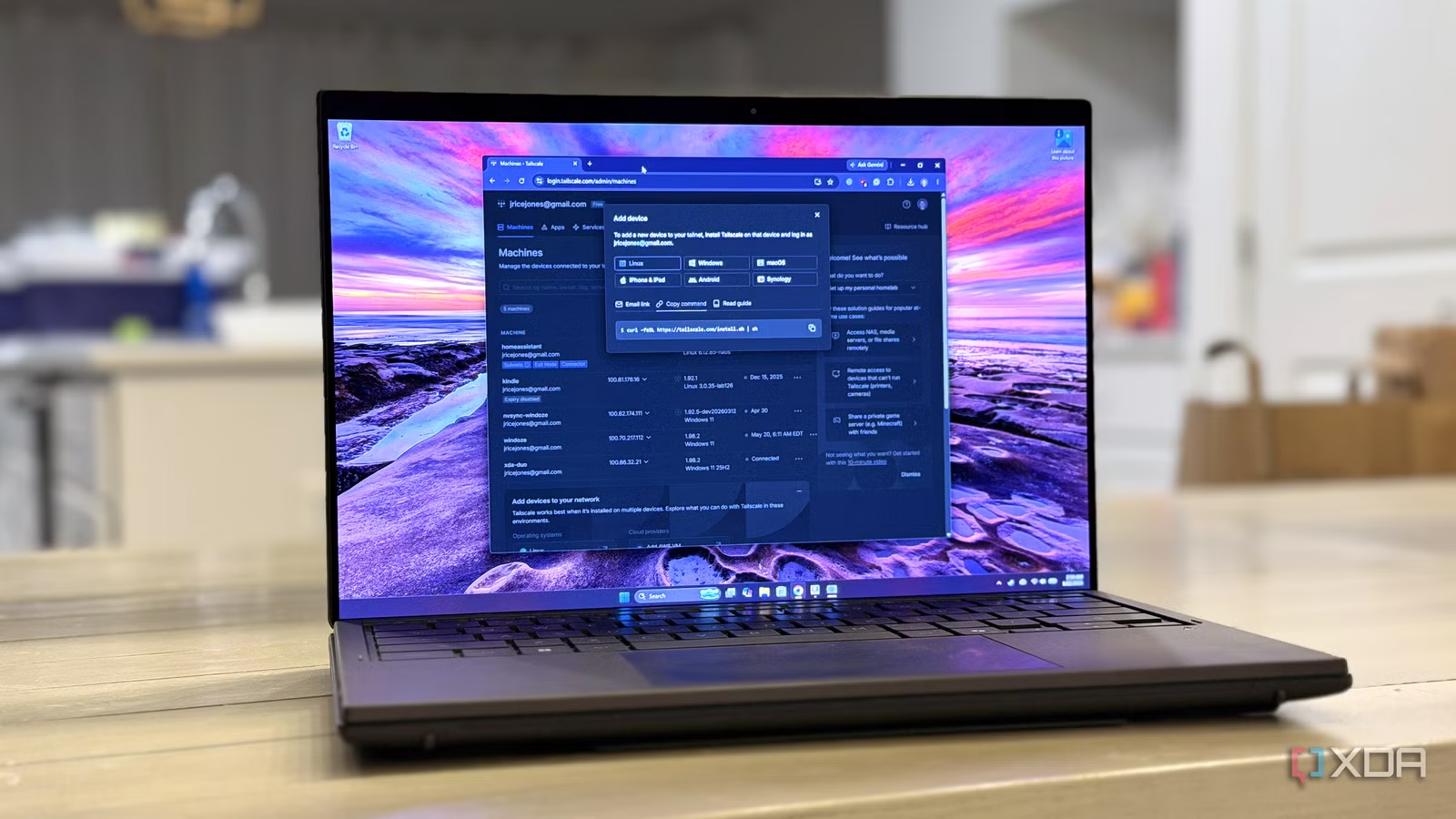
Tailscale changed that equation. By using the mesh VPN to create a private network across their devices, they can now “reach my local LLM from anywhere, exactly the way I was using ChatGPT, except none of my conversations were leaving my house, and AI wasn't costing me a subscription fee every month”. With Open WebUI providing a ChatGPT-style interface and MagicDNS giving them a friendly URL, their home model is now in their pocket. The result is blunt: “Now that my local LLM has the same universal access as cloud AI, the extra cost is less worth it”.

What this means for ChatGPT and single-model plans
The traditional AI subscription pitch was simple: pay one fee and get a single, powerful assistant everywhere. That logic breaks down when users can get multi-model access for one-eighth the annual price or route free local models over a VPN. According to one report, “ChatGPT Plus is USD 240 (approx. ₱13,440) a year” while “a one-year subscription to ChatOn costs USD 29.99 (approx. ₱1,680) and isn’t locked to a single lab’s model”. That quote should worry any company whose primary product is a standalone AI subscription.
At the same time, cloud AI has not disappeared from these users’ lives. The same person who canceled their paid plan still keeps the ChatGPT app installed as a backup and depends on its free tier for rare, heavy reasoning jobs or when their home server is down. This is the new pattern: single-model services become fallback utilities, while bundled AI subscription pricing and self-hosted setups handle the bulk of everyday work. It is hard to see how USD 20 (approx. ₱1,120) per month survives that reality without serious reinvention.
The next phase: fragmented, cheaper, and more private
Market fragmentation is often framed as chaos, but in this case it looks more like consumer correction. Third-party aggregator apps are already pulling demand away from direct subscriptions by offering AI subscription bundling that feels like a streaming-service bundle for language models: one account, many providers. At the same time, self-hosters are adding Tailscale and similar tools to turn their home servers into personal clouds, with plans to use features like Funnel to share access with friends and family in the future.
A one-year term for apps like ChatOn also “sidesteps the usual skepticism around ‘lifetime’ software deals” and gives users “a year of confirmed access” before any longer commitment. That lowers the risk of experimenting with Claude Gemini GPT access in one place, while those comfortable with home labs enjoy “knowing that everything stays on my local network, for free”. The conclusion is unavoidable: the age of the single, expensive, cloud-only AI assistant is giving way to a mix of affordable AI assistant apps and private, DIY setups. Users are no longer paying for AI itself; they are paying, selectively, for convenience—and only when it earns the price.