

Flex Titanium: The First Serious Attack on the Foldable Crease
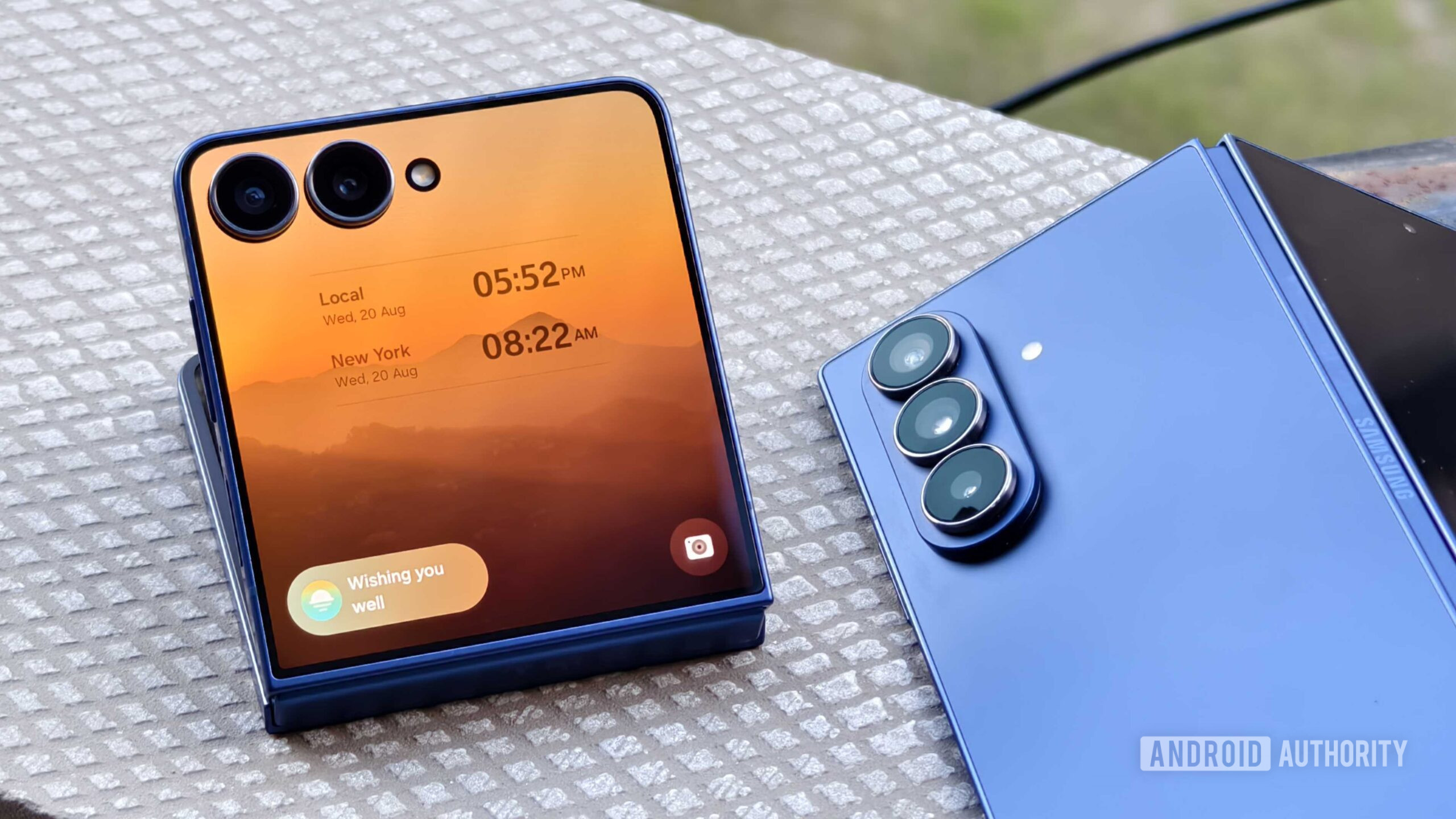
Samsung’s Flex Titanium display is a new foldable screen structure that replaces plastic support layers with ultra-thin titanium components to reduce creasing, increase rigidity, and make foldable phones feel closer to traditional smartphones in daily use. That is the real story heading into the next Samsung Unpacked event: foldables growing up, not showing off. On July 22, Samsung will reveal the Galaxy Z Fold 8 series and Galaxy Z Flip 8 at its Unpacked event in London, positioning them as proof that foldables are no longer experimental toys but premium, everyday devices. This is an opinionated move. Instead of chasing wild concepts, Samsung is spending its marketing capital on a mundane problem: the foldable phone crease. It is betting that the next wave of buyers care more about how a foldable feels and looks on the hundredth open than about novelty. If Flex Titanium delivers, the Galaxy Z Fold 8 could mark the first foldable that stops apologizing for its hinge.
Inside Flex Titanium: Engineering the Crease Out of the Experience
Flex Titanium is not a marketing name slapped on the hinge; it is a reworked display stack built around a dual titanium structure. Samsung has replaced the conventional polymer film installed beneath the OLED panel with a titanium alloy film, then backed it with an upgraded titanium plate to support folding forces. The titanium alloy film is about 20 times more rigid than the old plastic layer, which should cut deformation from repeated folding and make the central crease less visible in real use. To keep the phones thin, Samsung mills this titanium layer down to roughly one-third the thickness of a human hair, then uses precision machining on the titanium plate to shrink micro-holes around the fold area so that force is spread more evenly when you open and close the screen. The result, if the claims hold, is a Flex Titanium display that bends where it should without imprinting a permanent valley down the middle.
Galaxy Z Fold 8: Passport-Style Fold, Familiar Specs, New Priorities
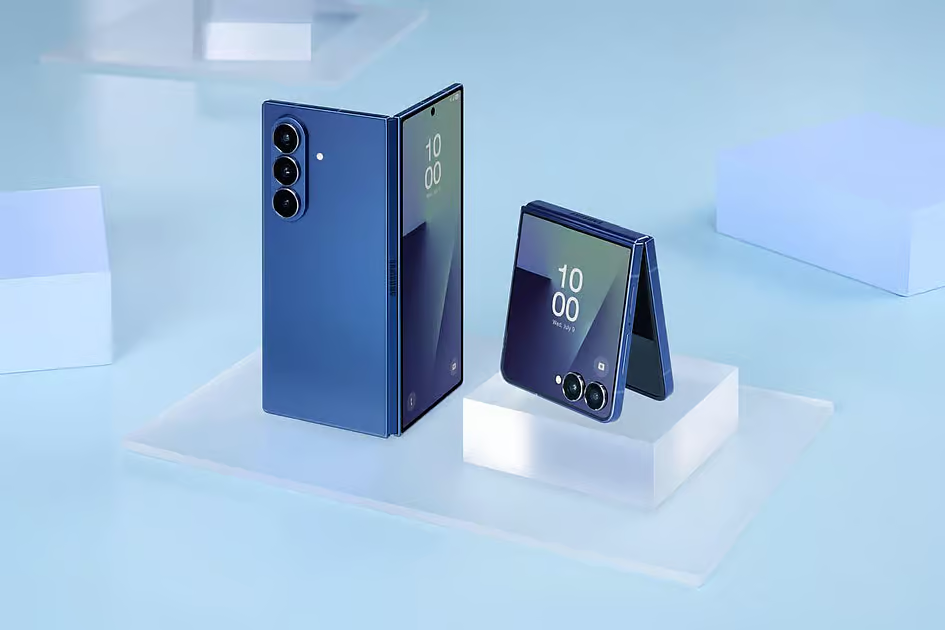
Samsung’s move to a “passport-style fold” shows how far its foldable strategy has shifted from novelty to practicality. The new wide-fold form factor increases horizontal width and shortens vertical height so the Galaxy Z Fold 8 behaves like a regular smartphone when closed and a tablet when open, rather than a tall remote control. This alone could fix one of the biggest everyday complaints about earlier Fold designs. Under that Flex Titanium display, the standard Galaxy Z Fold 8 is set to carry a 5.5‑inch cover screen and a 7.6‑inch internal Dynamic AMOLED 2X panel, both running at 120 Hz, plus a Snapdragon 8 Elite Gen 5 for Galaxy processor with 12 GB or 16 GB of RAM and up to 1 TB of storage. Peak brightness is expected to hit 3,600 nits, around 1,000 nits higher than before, which should pair nicely with lower reflections for outdoor use. This is not a radical spec sheet; it is a refined one, and that is exactly Samsung’s point.
Ultra Ambitions: 200MP Cameras and a Two-Track Foldable Strategy
The Galaxy Z Fold 8 Ultra is where Samsung stops pretending foldables are niche and starts treating them like its most premium flagships. The new Ultra tier mirrors the split in Samsung’s slab lineup and is clearly meant to secure the very top of the market. The Ultra model brings a larger 6.5‑inch cover display, an 8.0‑inch inner screen, and a bigger battery than the standard Fold 8. More importantly, it is the first Fold series device with a 200 MP main camera, a spec previously reserved for top-tier bar phones. According to one report, this high-resolution sensor is paired with a wider aperture for better low-light shots and backed by multi-frame night processing, real-time LUT previews, object-aware noise reduction, and APV video encoding. In plain terms, Samsung is betting that computational photography and sheer pixel count can erase the old compromise that a foldable camera is “good enough” but never best-in-class.
Seven Years of Iteration: Can Samsung Stay Ahead as Foldables Go Mainstream?
Samsung’s confidence around Flex Titanium comes from time in the field more than from one clever design. Since the original Galaxy Fold in 2019, the company has quietly iterated through failures and fixes: the first Fold proved the concept, the Galaxy Z Flip reframed it as a compact device, and the Fold3 and Flip3 added IPX8 water resistance to ease fears about daily durability. Later generations became thinner, used stronger materials, and introduced a Flex Hinge that allowed the phones to close flatter and feel less like prototypes. Now the stakes are higher. Rivals from several brands are pushing their own foldable ideas, and Apple is expected to enter the category with its own crease-reducing glass layer and foldable design in the second half of the year. Samsung’s message heading into Unpacked is clear: the experiment phase is over, and Flex Titanium is its proof. If the crease finally fades into the background, the question will not be whether foldables are ready—it will be whether anyone can afford to ignore them.