
The New Foldable Battleground: The Crease
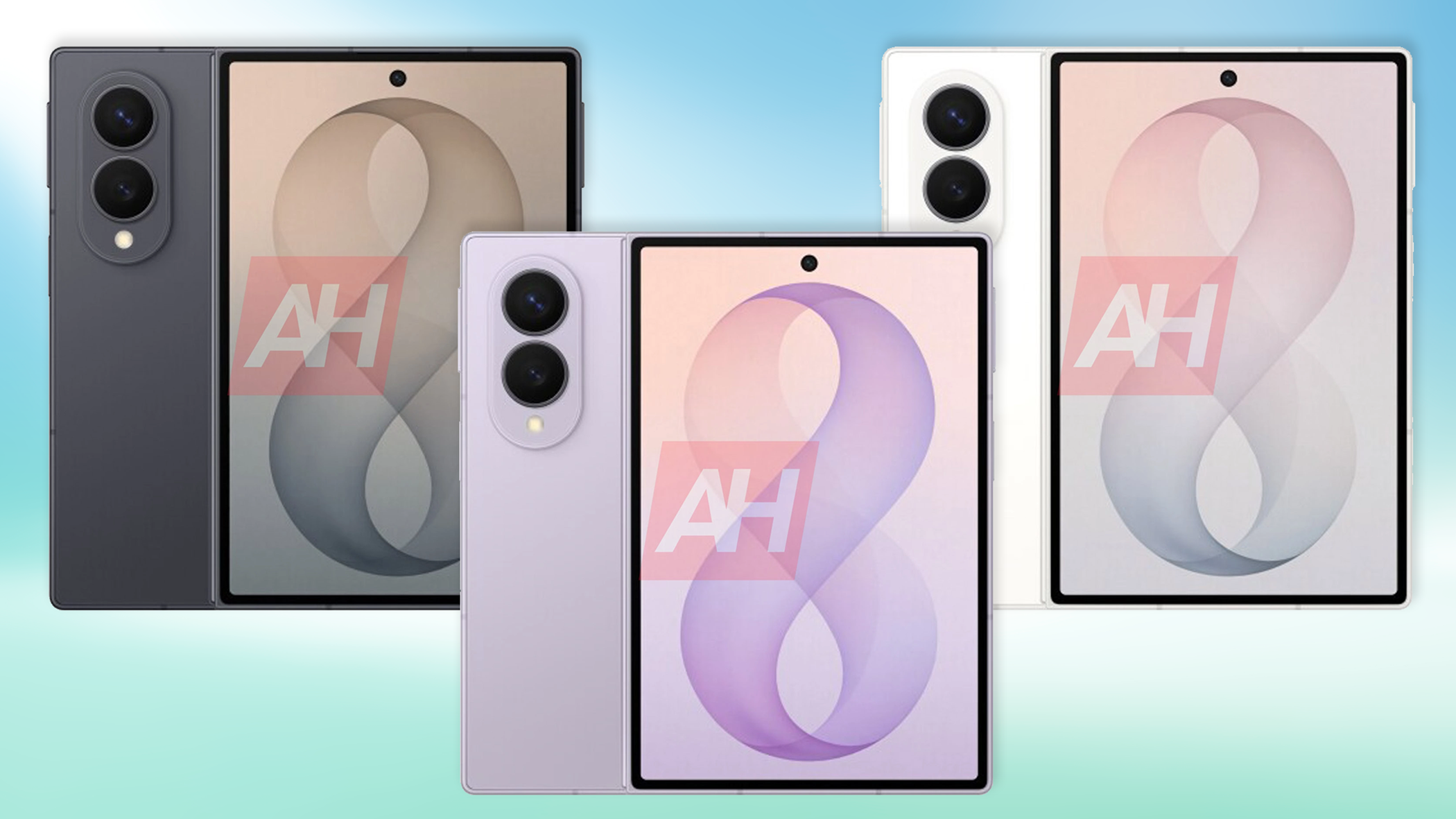
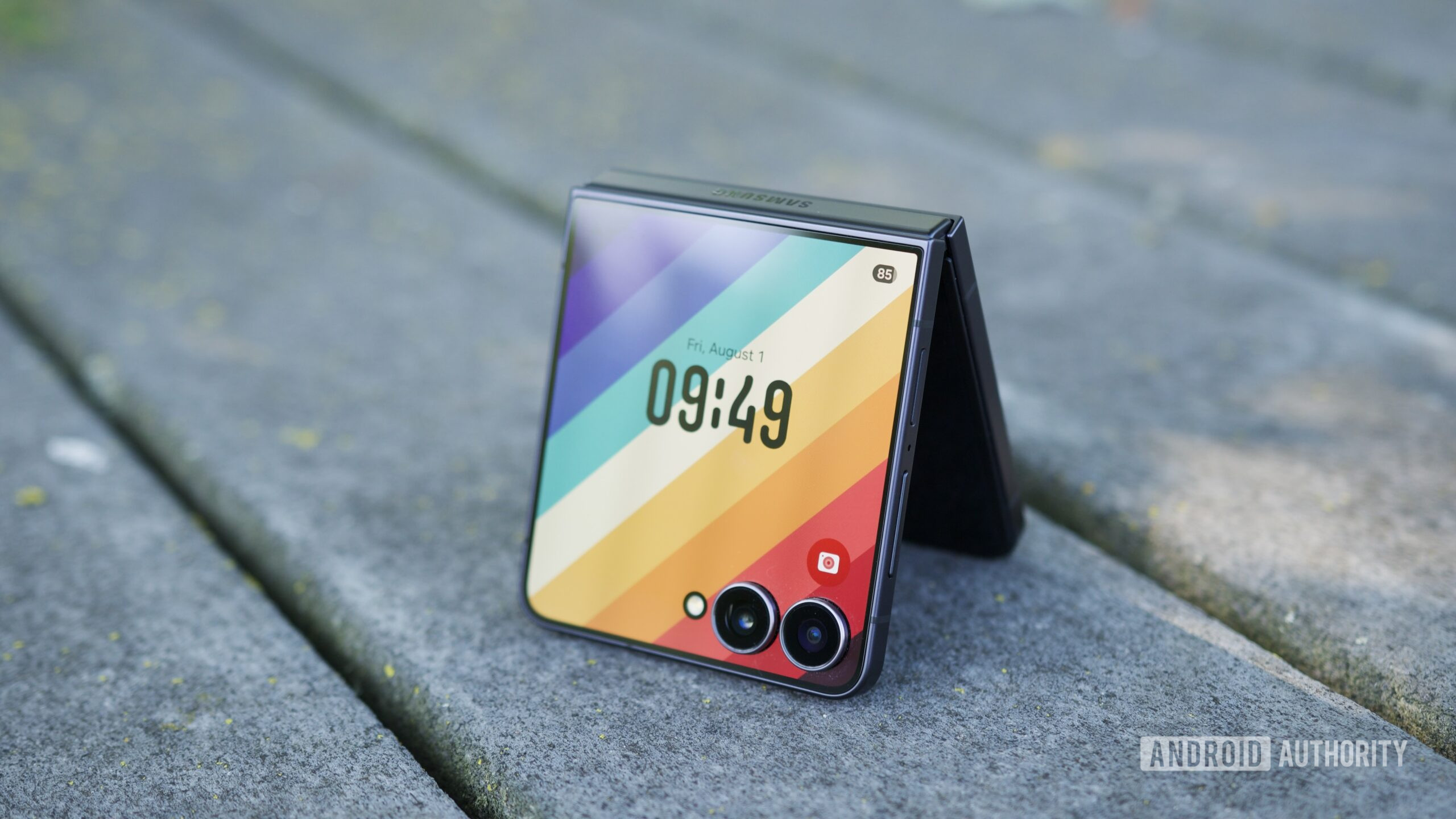
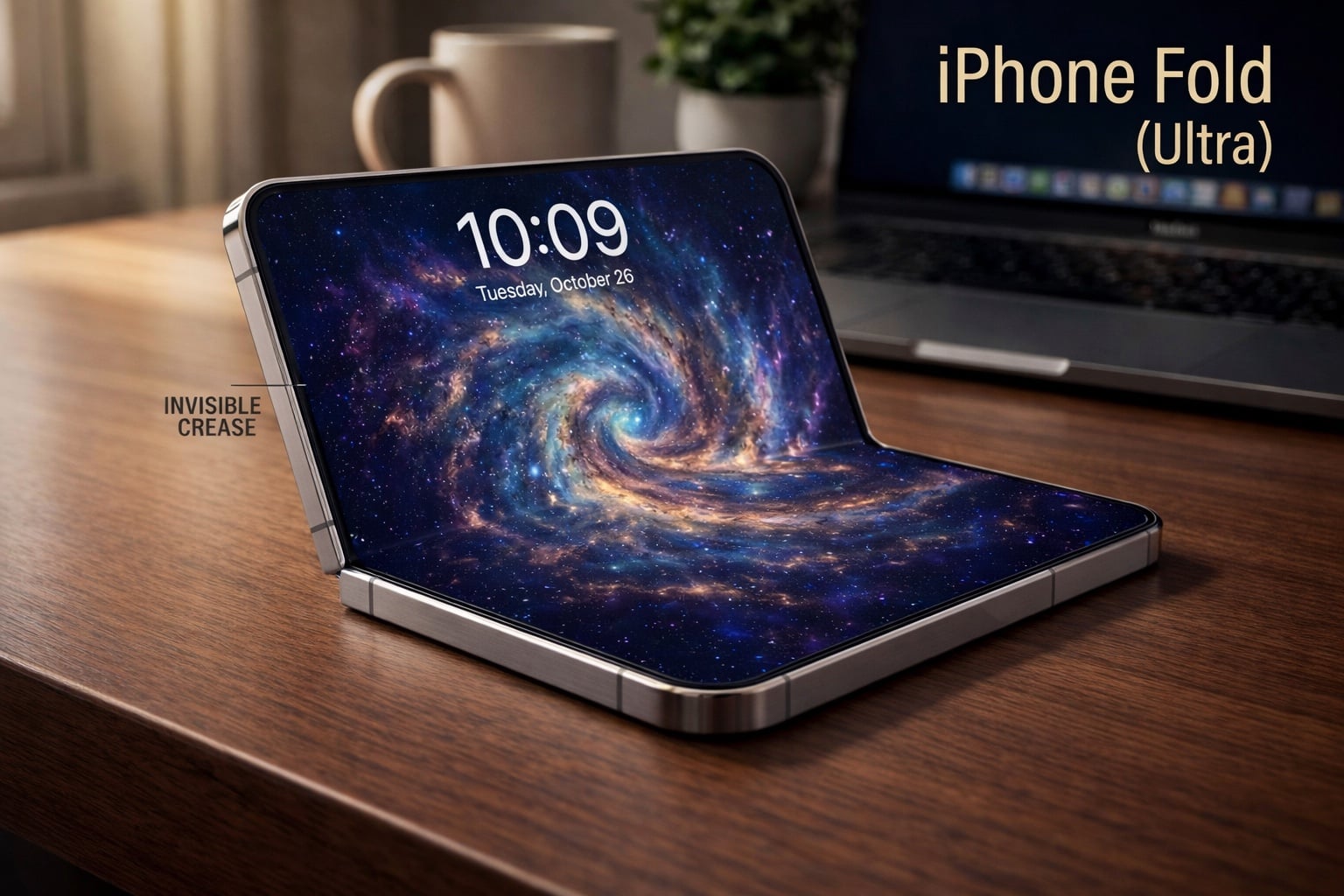
The race to perfect foldable screen technology now revolves around one stubborn flaw: the crease, the visible line and tactile dip that forms along the fold of a flexible display and undermines the illusion of a single, seamless panel. Apple foldable phone crease rumors and Samsung’s Flex Titanium display reveal a clear priority: whoever makes that line disappear, or at least feel invisible, will own the next generation of premium phones. After years of watching rivals struggle with durability and aesthetics, Apple’s leaked iPhone Fold plans suggest it wants to enter this market only when that weakness is brought under tight control. Samsung, by contrast, is already shipping an aggressive materials-first solution for its upcoming Galaxy Z Fold8 series, betting that its titanium-based stack can set the current benchmark for crease reduction.
Apple’s Sub-0.15mm Crease Ambition: Engineering for Invisibility
Apple’s rumored strategy is uncompromising: push the crease depth below 0.15mm so that neither your eyes nor your fingertip can easily find it. That is an aggressive target compared with today’s foldables, where the dip is often obvious in bright light and distracting when scrolling. Apple is reportedly working with Samsung Display on an inner panel that combines improved folding geometry with a hinge that closes to under 2.5 degrees, aiming for both reduced stress on the glass and better long-term durability. According to a TrendForce report, Apple is exploring variable-thickness ultra-thin glass that is thinner along the fold for flexibility and thicker elsewhere for strength, plus advanced optically clear adhesive to fill microscopic gaps and cut down visual artifacts. In opinion, this is classic Apple: attack the user experience at the display and hinge together, accept a late entrance, and demand a crease that feels more like a faint shadow than a scar.
| Foldable Spec Focus | Apple Fold (Leaks) | Design Intent |
|---|---|---|
| Crease depth target | < 0.15mm | Make crease “virtually invisible” to eye and fingertip |
| Folding angle | < 2.5 degrees | Reduce mechanical stress, extend lifespan |
| Glass & adhesive | Variable-thickness UTG + advanced OCA | Balance flexibility with durability and cleaner optics |
Samsung Flex Titanium: Materials-first Benchmark for Crease Reduction
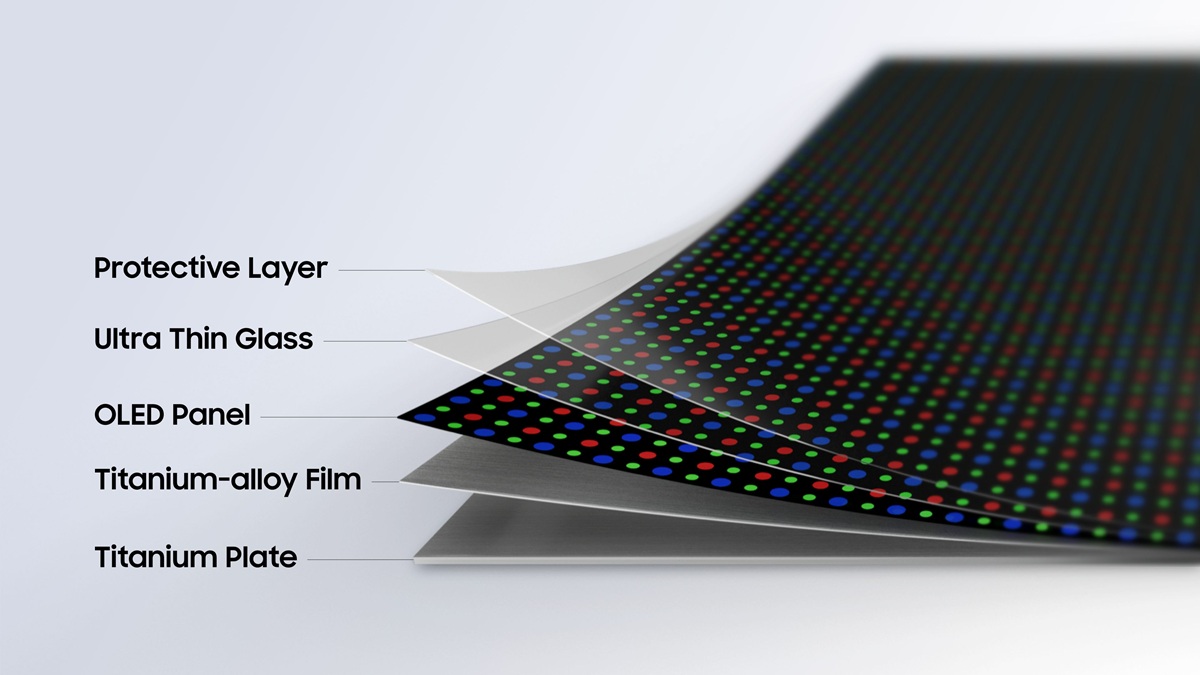
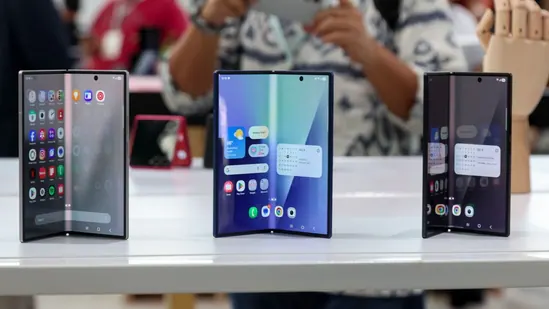
Samsung’s Flex Titanium display is currently the most convincing answer to crease visibility, and it attacks the problem from the materials side. The company says it places a titanium-alloy film under the OLED panel, delivering 20 times greater mechanical stiffness than a polymer film and allowing a much slimmer display stack, about one-third the thickness of a human hair, using precision rolling. A titanium plate beneath that stack, bonded with advanced hole-processing to remove air gaps, further reinforces the panel while staying flexible enough for repeated folding. If these claims hold up in daily use, the Galaxy Z Fold8 could become one of the first foldables with a near-crease-free internal display and improved durability in the same stroke. My view: Flex Titanium is less about chasing an exact depth number and more about setting a practical benchmark—minimize the crease, harden the screen, and keep foldable phones from feeling fragile.
Durability, Price, and User Experience: Who Wins the First Round?
For ordinary users, the crease is not a spec-sheet detail; it is the moment when a premium device looks and feels compromised. Apple’s promise of a near-invisible Apple foldable phone crease aims to make foldables feel like standard slabs when open, especially on a 7.8‑inch inner OLED with ProMotion up to 120Hz and a 6.5‑inch outer display. That ambition comes wrapped in flagship positioning: leaks point to an A20 Pro processor, 12GB or 16GB of RAM, a large battery around 4,800–5,200mAh, and a starting price of USD 1,999–2,199 (approx. ₱112,000–₱123,000). In other words, Apple wants you to pay top-tier money and never think about a fold line. Samsung’s counter is more pragmatic: use Flex Titanium to cut the crease and boost resilience, then prove in real-world use that the panel holds up better to shocks and long-term folding. If it delivers, Samsung will own the narrative of "strong, slim, and near-crease-free" before Apple’s first device even ships.
Different Paths, Same Goal: A Foldable You Forget Is Foldable
Apple and Samsung agree on the real enemy in foldable screen technology: the crease that signals weakness and breaks immersion. Where they differ is in philosophy. Samsung’s Flex Titanium approach reinforces the display from beneath, using exotic materials and clever bonding to make current foldables better right now. Apple appears ready to delay entry until its mix of hinge geometry, liquid-metal components, ultra-thin glass, and adhesives hits a threshold where the fold is a detail, not a defect. With the Phonegram Fold reportedly positioned alongside Apple’s mainline flagships and followed by regular models in the next season, the company is clearly betting that a near-crease-free iPhone Fold can push foldables from niche to mainstream. My conclusion is blunt: the winner will not be the brand with the smallest measured crease, but the one whose device makes you stop caring that the screen folds at all.