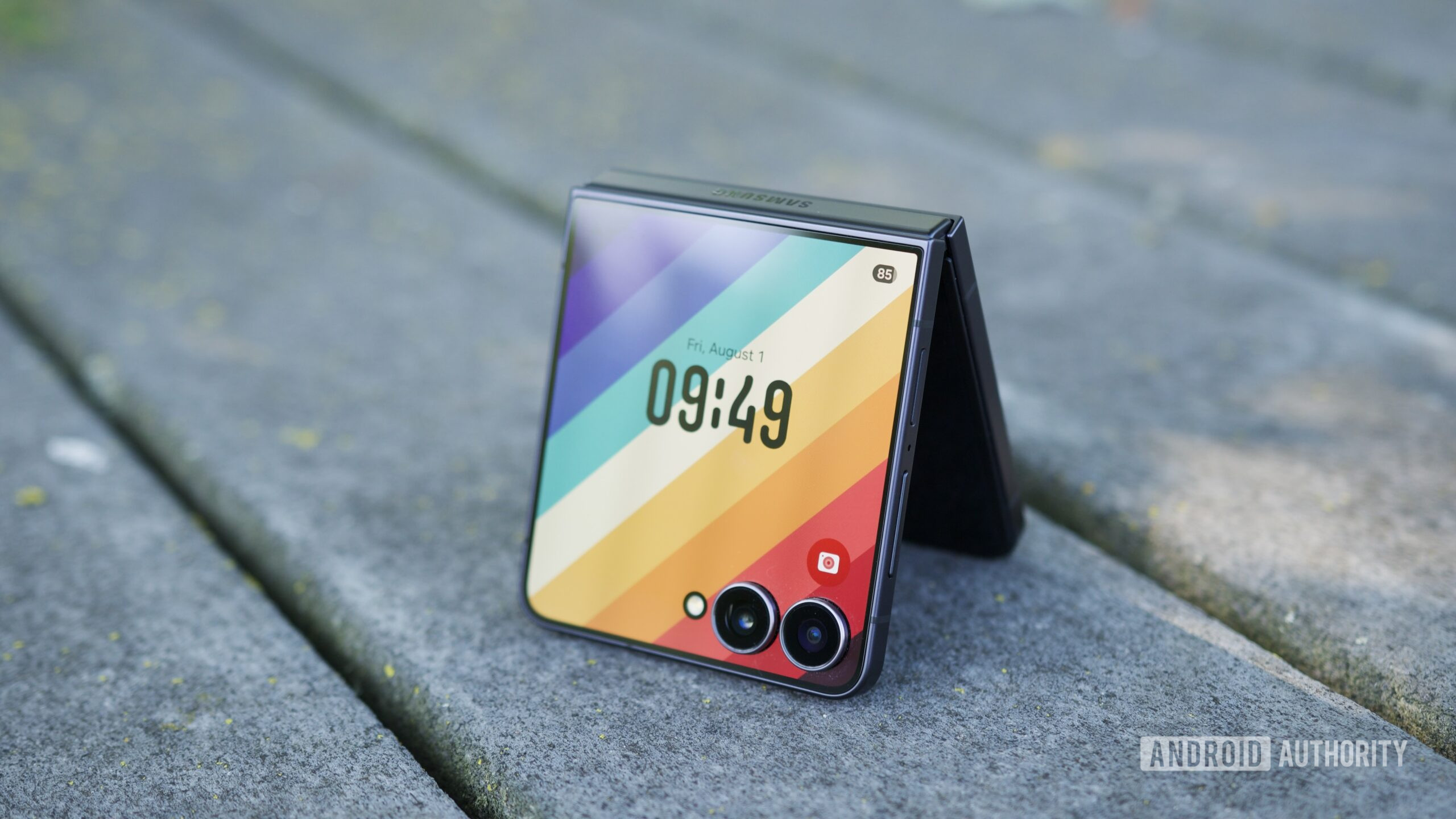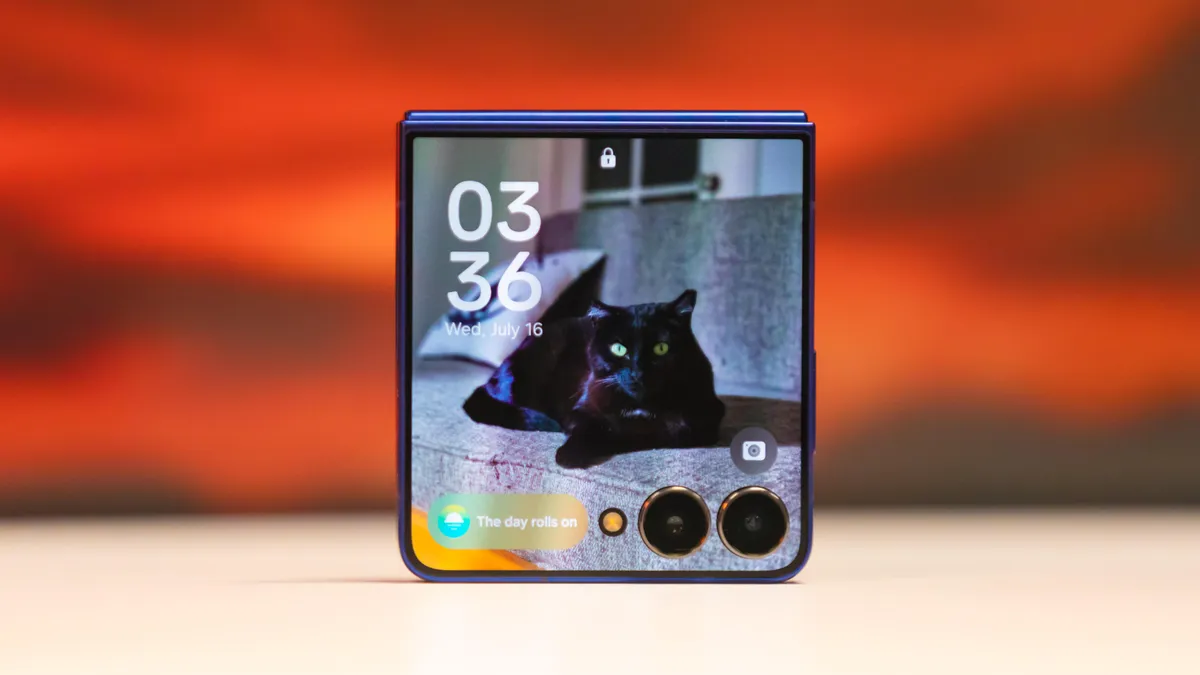

Flex Titanium: A Material-First Fix for Foldables’ Biggest Flaw
Samsung Flex Titanium is a new foldable display structure that replaces traditional polymer support layers with titanium-based components to deliver far greater stiffness, better structural bonding, and a less visible crease, all while keeping the screen thin and flexible enough for repeated folding. This is not a minor spec bump; it is Samsung’s strongest statement yet that foldable display durability and crease reduction technology are finally being treated as core engineering problems, not cosmetic ones. After seven generations of foldable phones, the company is now betting that smarter foldable phone materials, not clever hinge tricks, will convince skeptical buyers. If Flex Titanium fails, the narrative that foldables are fragile toys will stick. If it works, we may finally see the crease become a non-issue and durability anxiety fade for mainstream shoppers.
How Flex Titanium Actually Works Under the Screen
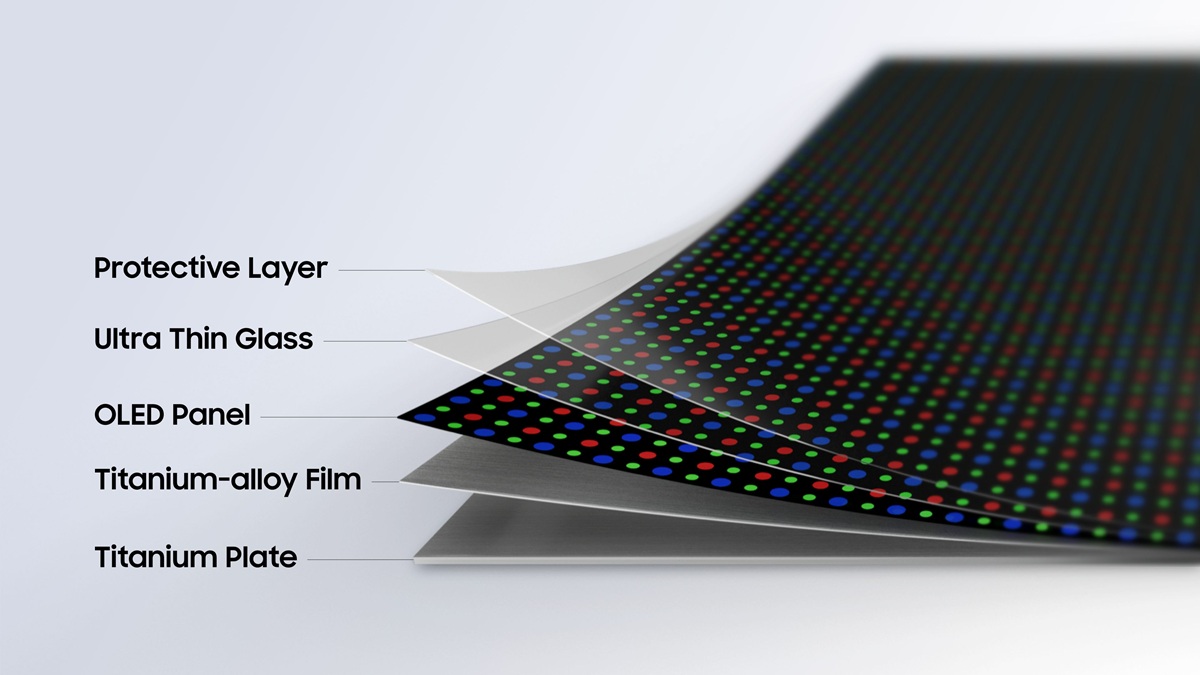
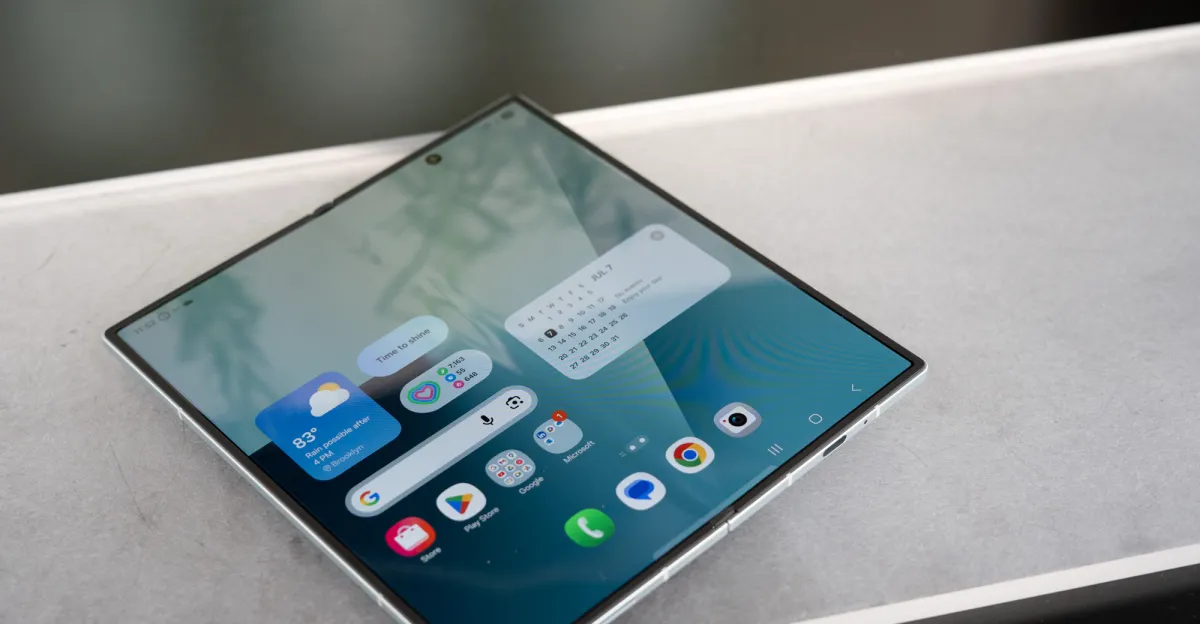
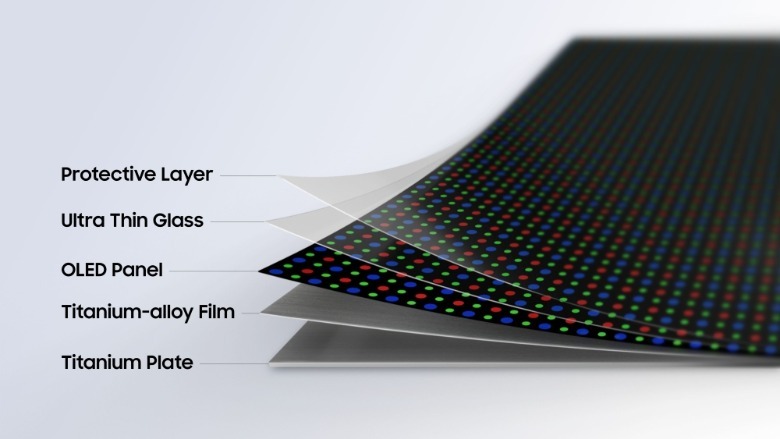
Under the OLED panel, Samsung has added a titanium alloy film that delivers 20 times greater mechanical stiffness than the polymer films used before while being only about one-third the thickness of a human hair. That film resists bending deformation, so the fold line doesn’t imprint as harshly on the visible surface. Beneath the display module sits a titanium plate that stabilizes the screen by strengthening the bond to the supporting structure. Advanced hole-processing creates micro-patterned holes in the folding section, cutting air gaps while keeping enough flex for repeated opens and closes. In quotable terms, Samsung says this "provides flexibility with durable performance" through micro-patterned holes in the titanium plate. Paired with a high-resolution architecture and next-generation organic materials, the stack aims to boost power efficiency without sacrificing image quality. In short: metal does the heavy lifting, the OLED stays thin, and the crease loses its dominance.
What This Means for Everyday Durability and Crease Visibility
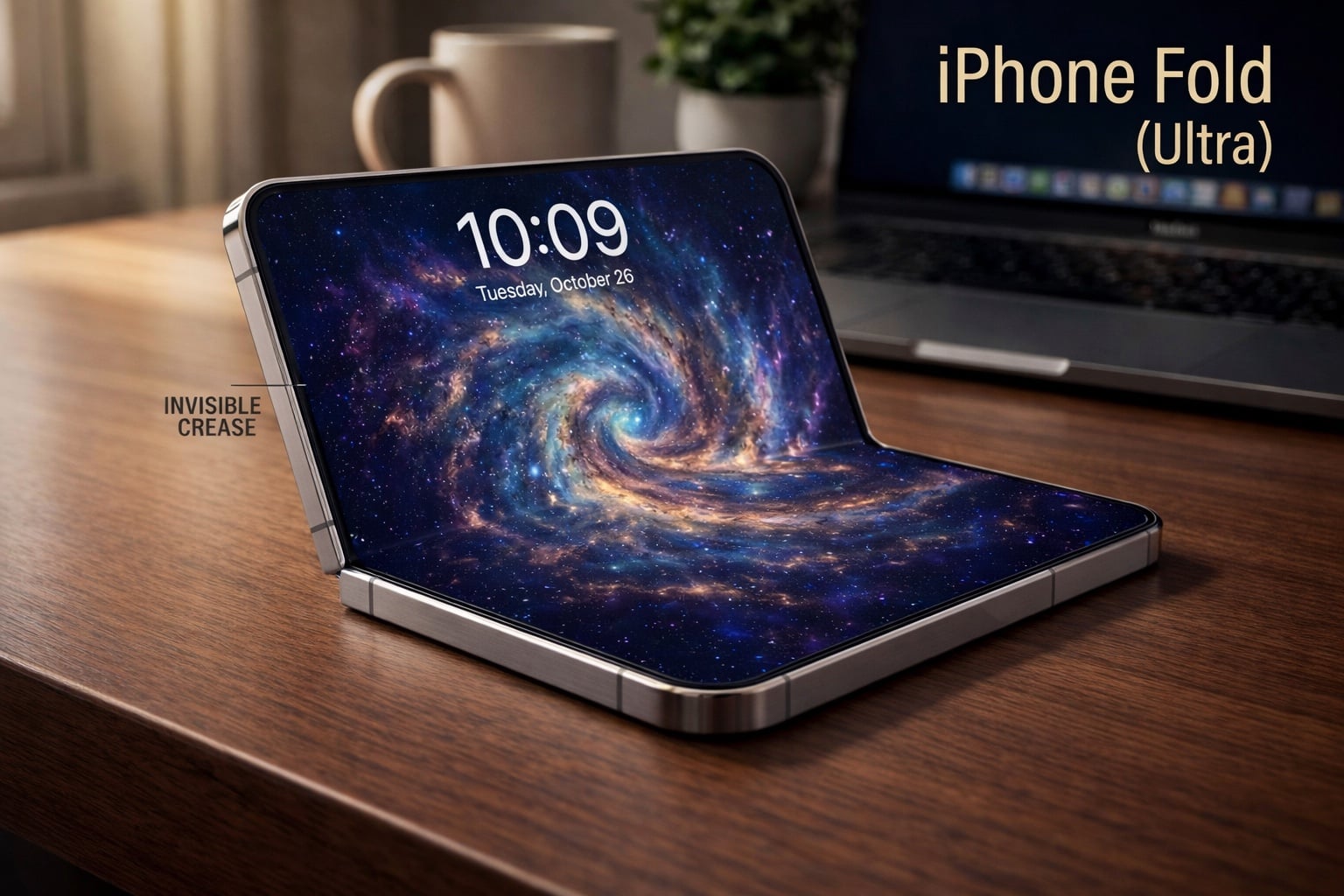
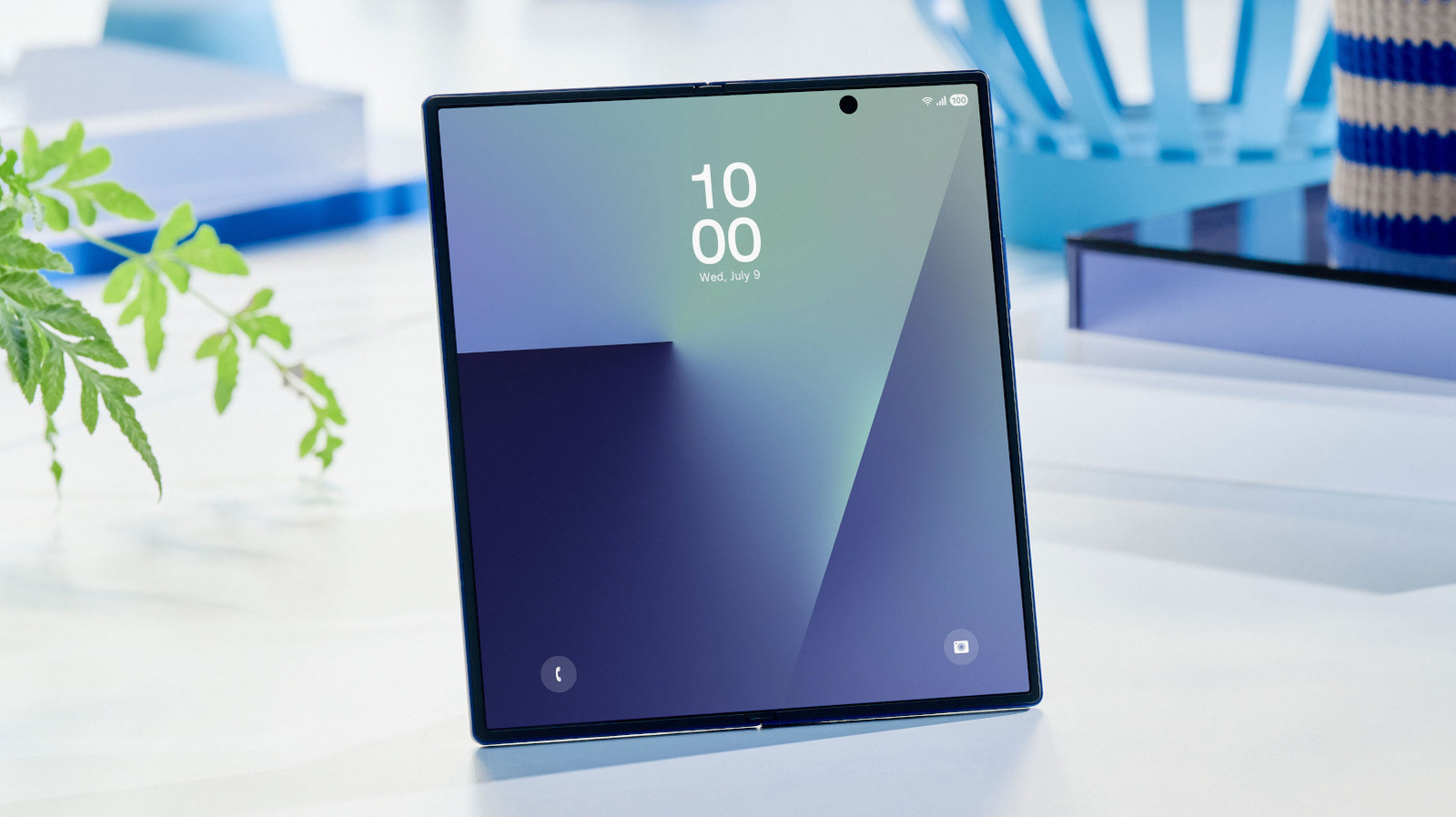
Users care less about material science than about whether their screen will show an ugly groove after a year or crack under pressure. Visible creases and long-term durability remain among the top reasons many buyers avoid foldable phones. Flex Titanium speaks directly to those worries. Greater stiffness fights the permanent deformation that forms creases, while a better-bonded, more stable module makes the display harder to damage through torsion or localized pressure. At a recent tech show, Samsung demonstrated a “seamless” foldable panel with an effectively invisible center crease, making the older foldable display beside it look messy by comparison, with a very obvious fold line. If that demo performance survives day-to-day abuse, foldable display durability will feel less experimental and more reliable. But the brand’s own admission that the real test is consumer use is important: these claims need months of pocket time, not minutes of hands-on.
Material Innovation and the Shift in Foldable Engineering Strategy
Until now, foldable engineering has leaned heavily on hinges, protective films, and software tricks to hide the limitations of flexible OLED panels. Flex Titanium marks a different philosophy: change the materials themselves so the screen resists damage instead of compensating for it. By building a titanium alloy film and plate into the stack, Samsung is saying that serious foldable display durability will come from structural support and stiffness, not from cosmetic patches. The company frames this as the product of seven generations of foldable innovation, with a focus on balancing durability, portability, and viewing quality. That framing matters. The foldable market is moving from proof-of-concept to everyday usability, and material innovation like this may become the main competitive weapon as rivals and even new entrants close the gap. In other words, Flex Titanium signals that the next phase of competition will be won in the chemistry lab, not just the marketing department.
Will Flex Titanium Finally Make Foldables Mainstream?
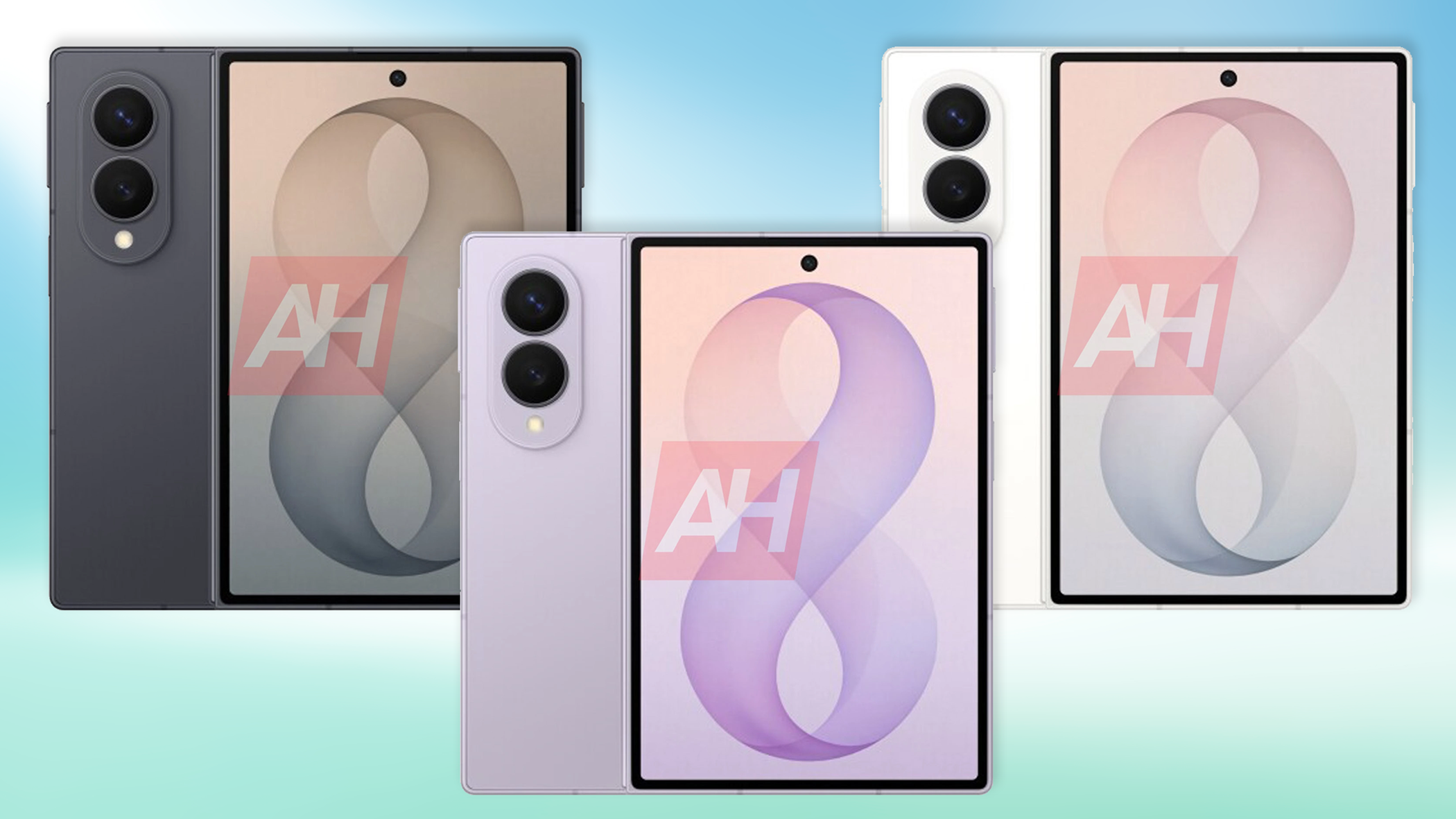
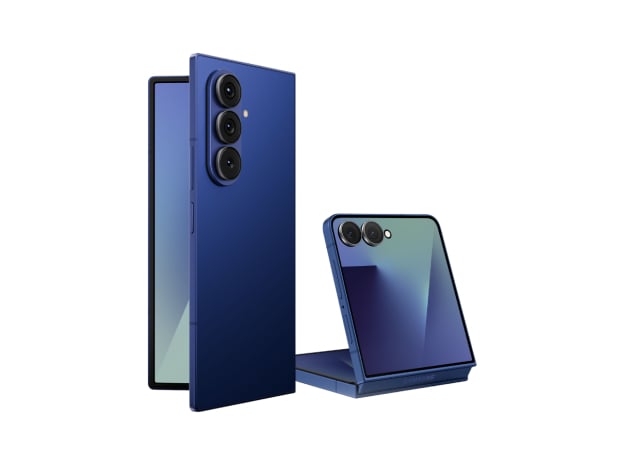
Samsung plans to debut Flex Titanium in its next generation of Galaxy foldable devices, continuing a steady push to improve crease visibility, durability, and thinness. Early demos and leaked clips suggest the crease is far less visible and the screen looks closer to a traditional slab phone. That is exactly what mainstream buyers have been waiting for. According to reporting, if Flex Titanium delivers on its durability and crease reduction promises, it could make foldables more attractive to regular consumers instead of only early adopters. Still, the company itself concedes that the real verdict will come after launch, as users test these phones over months and years. Pricing and long-term reliability will decide whether Flex Titanium becomes the turning point or just another iteration. My view: this is the first foldable phone materials upgrade that seriously tackles the core complaints. If Samsung’s claims hold up, the excuses for avoiding a foldable will start to thin out.