
A Processor-Only Statement for Serious Home Cinema Builders
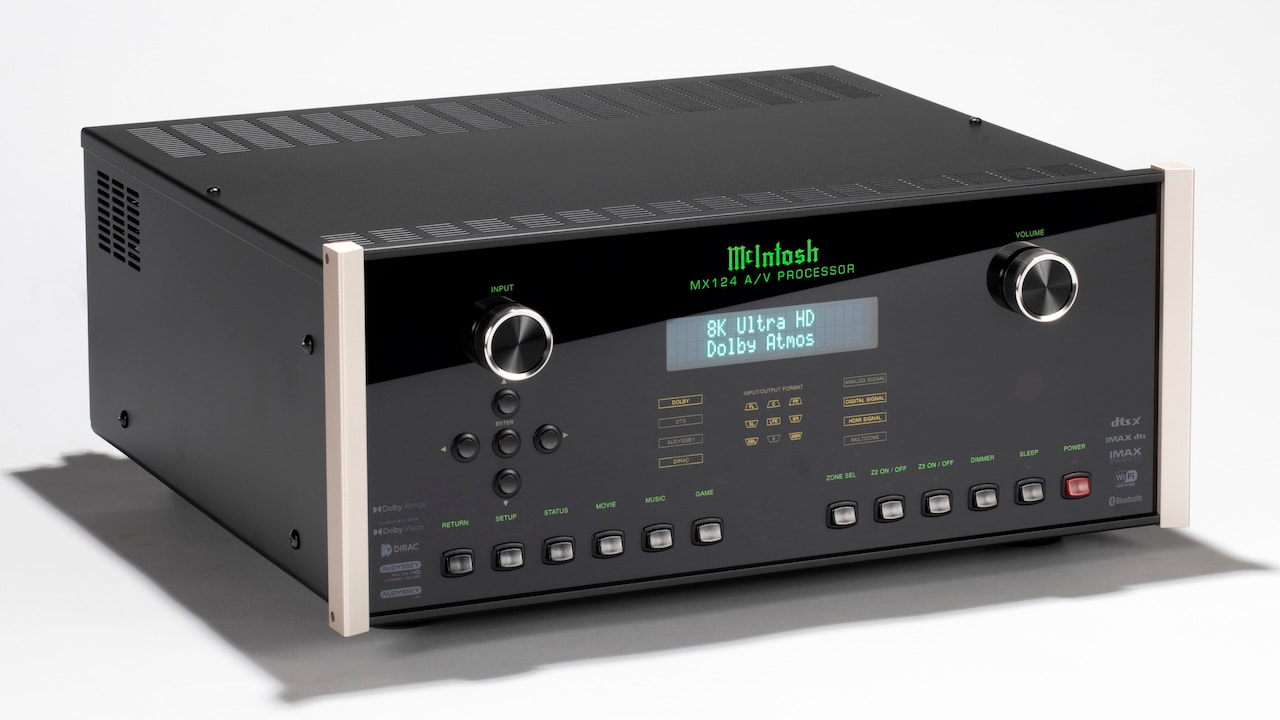
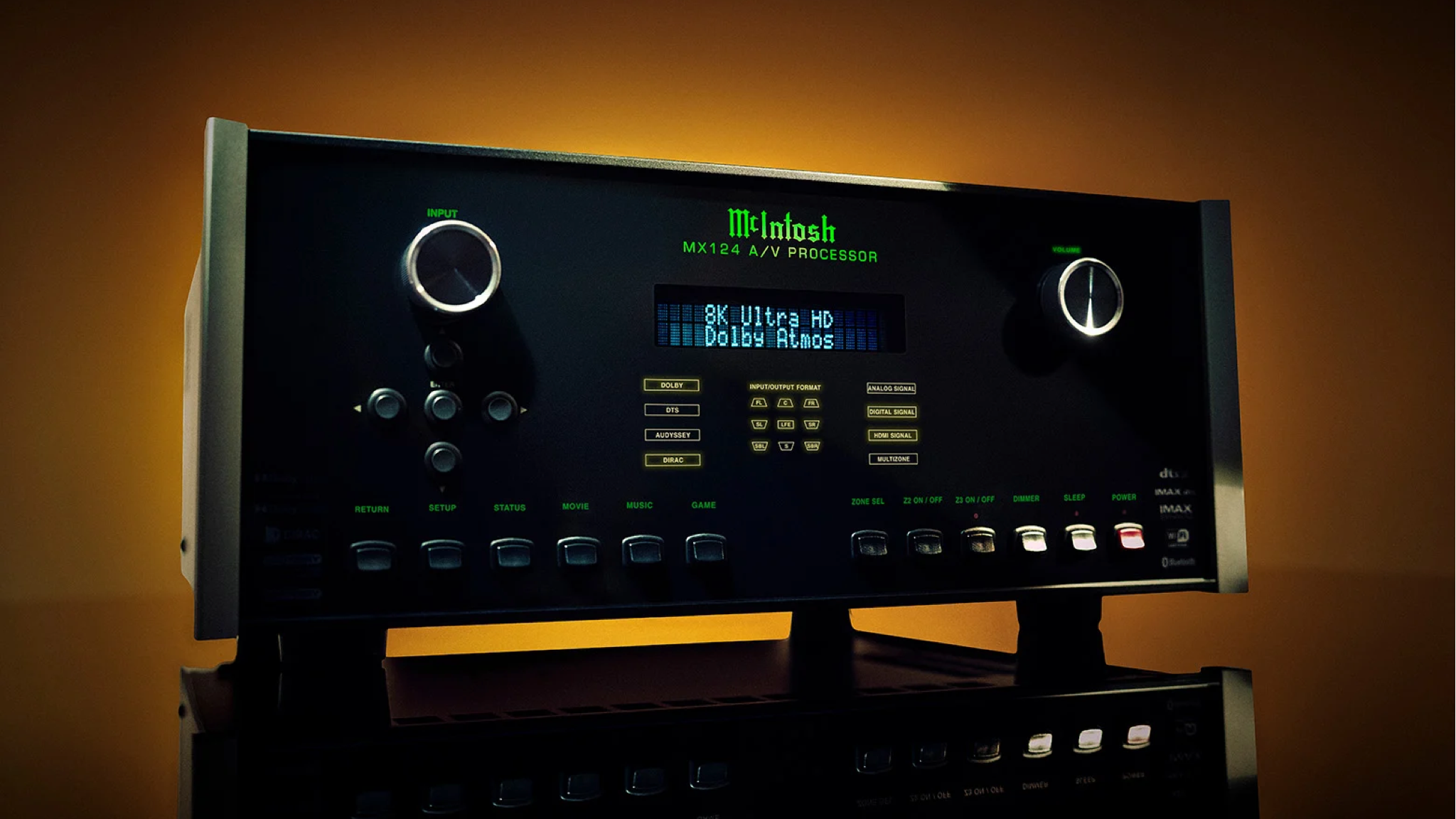
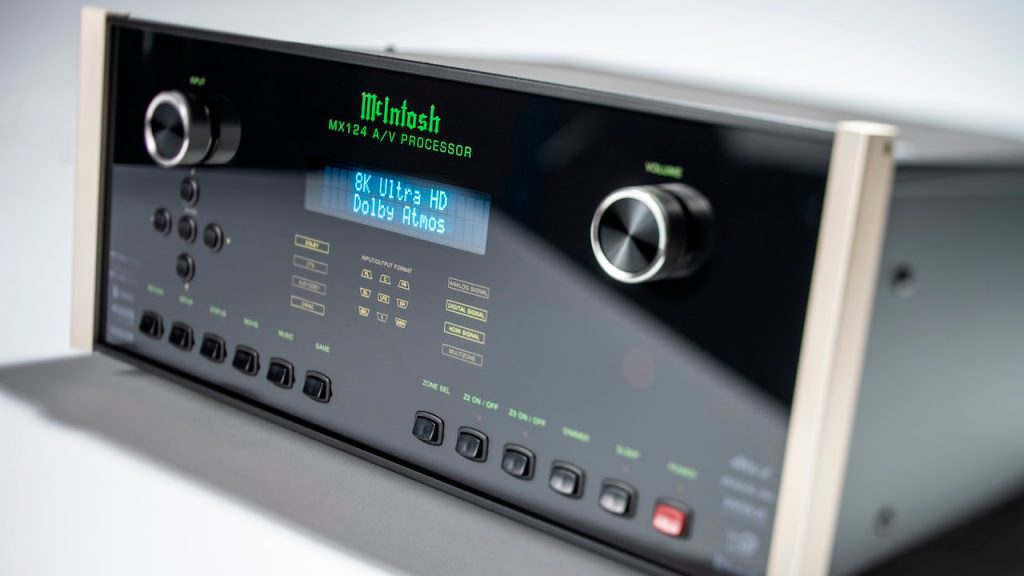
The McIntosh MX124 processor is a premium AV processor designed to serve as the central command hub of a high‑end Dolby Atmos home theater, offering 13 audio channels, four independent subwoofer outputs, and full 8K HDMI support for builders who prefer separate amplification and custom speaker layouts. That single sentence explains both the appeal and the demands of this product. McIntosh is not chasing mass‑market convenience here; it is openly courting enthusiasts who think in channels, zones, and calibration curves. With a price of USD 15,000 (approx. ₱840,000), the MX124 is marketed as an AV processor “for today’s most advanced home cinema systems” and one that owners might expect to outlast several generations of displays and sources. The message is clear: if you are building a reference room around separate amplifiers and bespoke acoustics, McIntosh wants this box in the middle of your rack.
13 Channels of Dolby Atmos: 9.4.4 and 7.4.6 Done the Hard Way
Where the McIntosh MX124 processor earns its place in a Dolby Atmos home theater is its channel architecture. It supports 13 main audio channels and four independent subwoofer outputs for layouts up to 7.4.6 or 9.4.4, covering demanding ceiling and front‑wide arrangements that cheaper receivers cannot touch. This matters because immersive mixes increasingly assume multiple overheads and smooth bass across several seats; the MX124 is structurally built to deliver that. McIntosh couples the decoding with nine premium 32‑bit DACs, aligning with the expectation that owners will pair this unit with equally serious amplifiers and speakers. The trade‑off is complexity. Anyone eyeing 9.4.4 is committing to at least 13 channels of external amplification plus four subs. That is not a plug‑and‑play living‑room upgrade; it is a declaration that your theater is an engineered space, not just a TV with speakers.
8K HDMI Support and Next-Generation Video as a Long-Term Bet
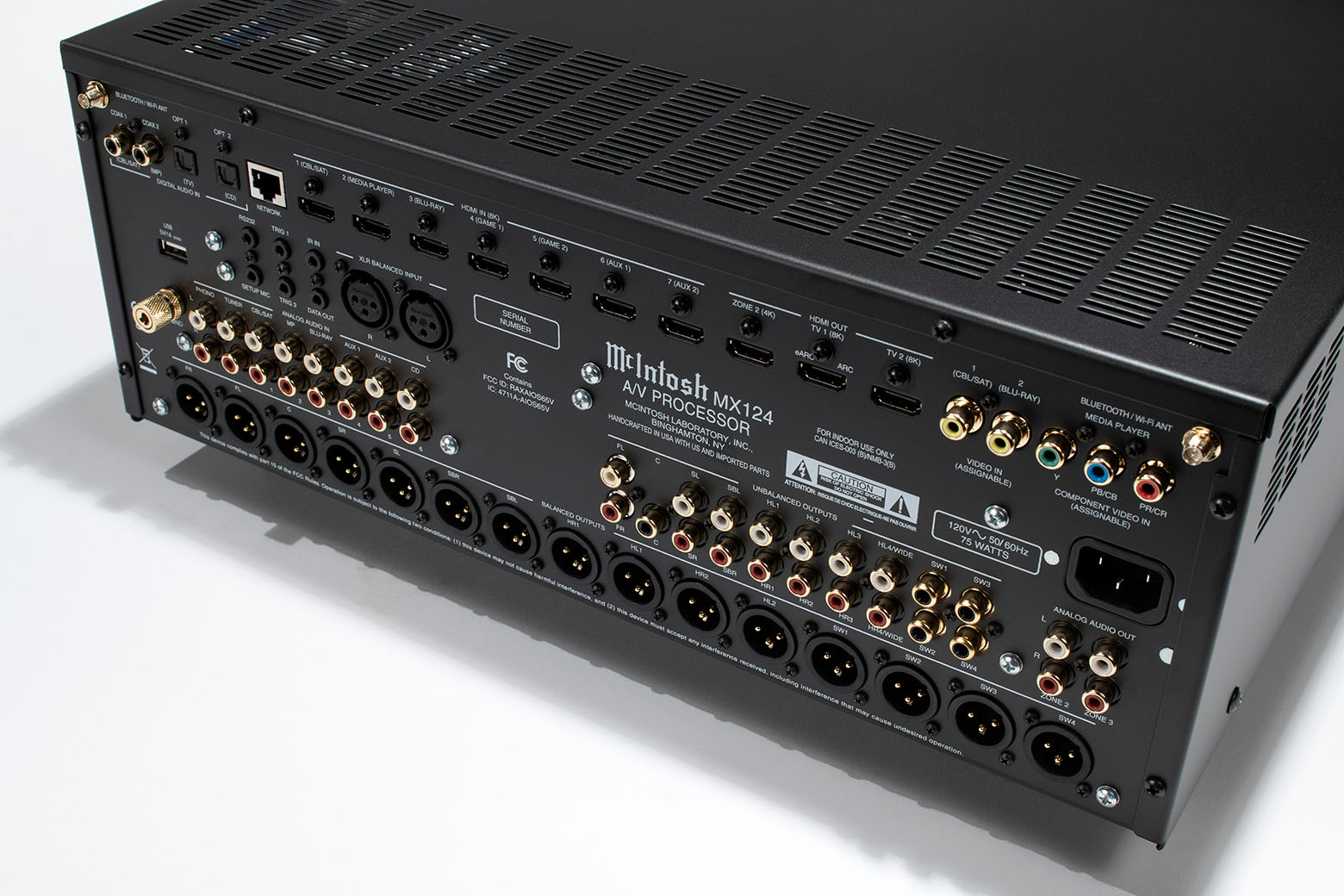
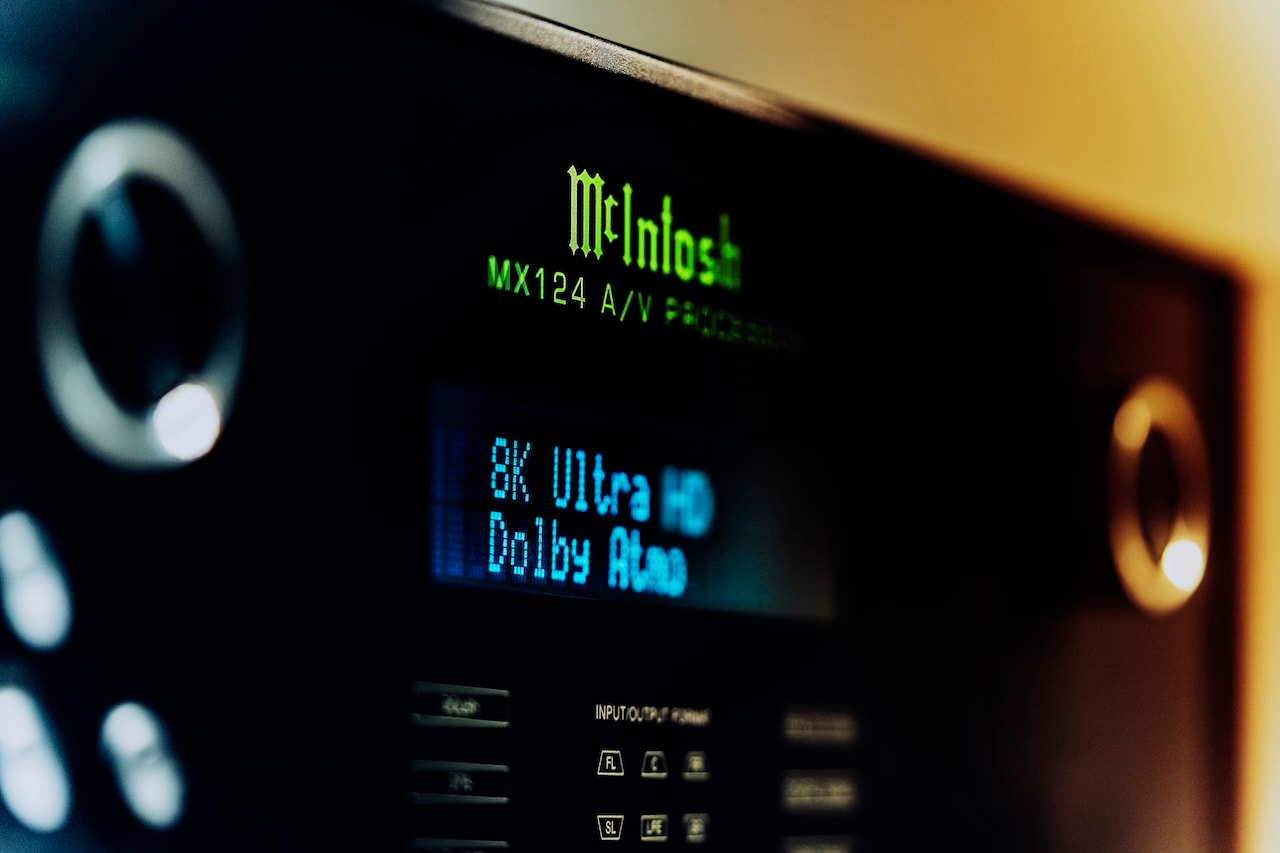
On the video side, the MX124 behaves like a long‑term insurance policy for fast‑moving HDMI standards. All seven HDMI inputs and the primary outputs support 8K/60Hz and 4K/120Hz, with compatibility for Dolby Vision, HDR10+, HLG and IMAX Enhanced, plus HDCP 2.3, Rec.2020, 4:4:4 color, dynamic lip‑sync, and gaming features such as ALLM, VRR and QFT. According to one review, “the MX124 expands 8K connectivity across all seven HDMI inputs,” underscoring McIntosh’s intent to stop the spec sheet from aging out early. For most viewers today, 8K is more marketing than necessity, but 4K/120Hz and gaming‑friendly features already matter for high‑end projectors and consoles. In that context, the MX124 is less about chasing buzzwords than about ensuring that a five‑ or ten‑year theater investment will not be strangled by an outdated video backbone.
Dirac, Four Subs, and the Ecosystem Demands of a True Processor
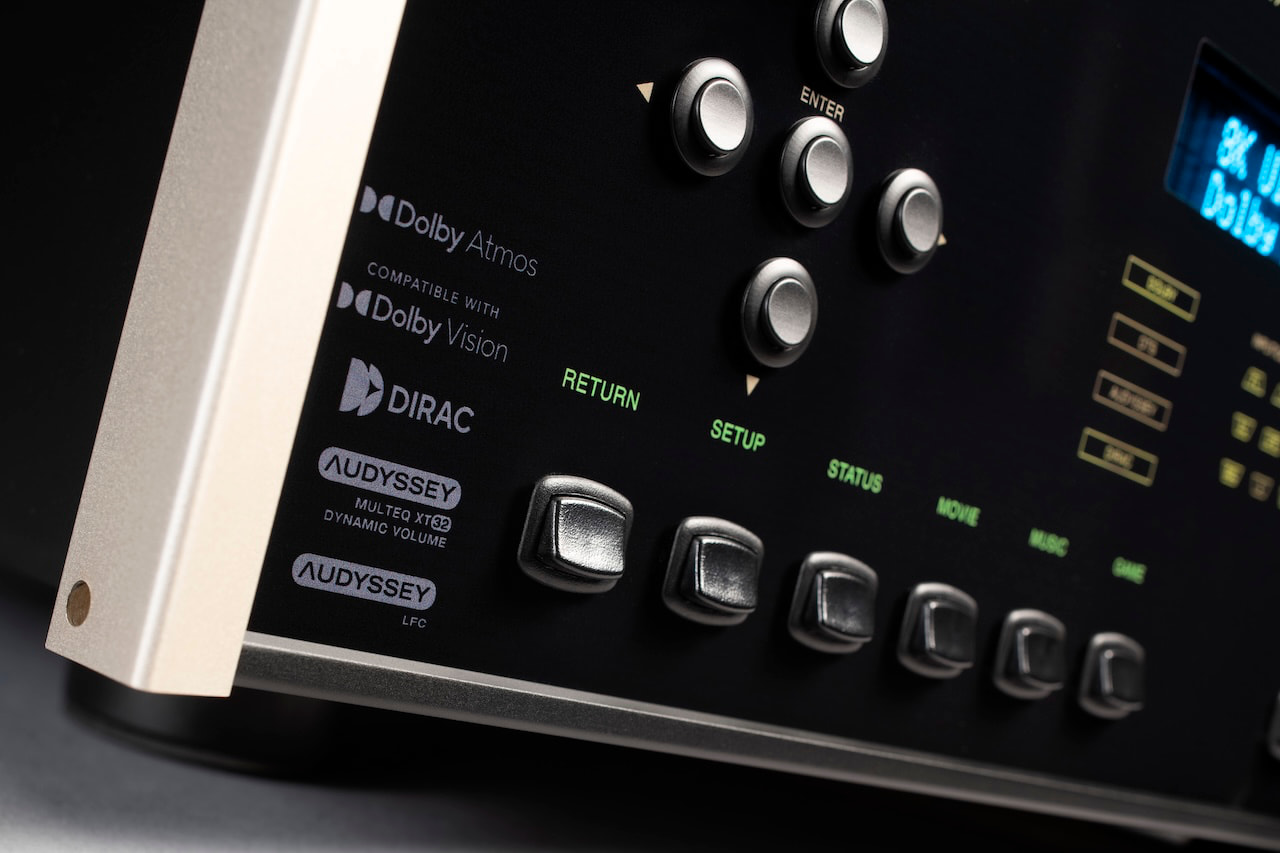
The MX124’s four dedicated subwoofer outputs and room‑correction suite are where it stops being a fancy switcher and becomes a system‑design tool. Doubling the MX123’s two sub outputs to four enables more advanced bass management and smoother low‑frequency performance across larger seating areas. McIntosh bundles licenses for Dirac Live Room Correction and Dirac Live Bass Control, while also keeping Audyssey MultEQ XT32 available, giving installers multiple ways to tune complex spaces. That flexibility is a quiet admission: the target buyer will either pay an integrator or spend serious time learning these platforms. Crucially, the MX124 does not include any onboard amplification—it is an A/V preamplifier/processor only. You must supply separate power amps or active speakers for every channel. Far from a flaw, this design choice is an ideological stance: loudspeaker choice, amplifier topology, and upgrade paths are left entirely in the hands of the builder.
Who the McIntosh MX124 Processor Is Really For
Viewed in context, the MX124 is less a gadget and more a commitment. McIntosh has engineered it for sophisticated home theater installations where flexibility, long‑term integration, and installer support matter as much as raw specs. It targets owners and custom projects that want modern connectivity, serious 7.4.6 or 9.4.4 Dolby Atmos home theater layouts, and the freedom to choose amplifiers and speakers without compromise. For people who simply want better sound from a single box, there are more affordable AVRs from brands like Denon or Yamaha that bundle amplification and simplify setup. The MX124, at USD 15,000 (approx. ₱840,000) before you buy any amps or speakers, is unapologetically a premium AV processor. The conclusion is straightforward: if you are building a custom cinema where every component is chosen, measured, and tuned, the MX124 belongs on your shortlist; if you are not, it probably does not belong in your rack.