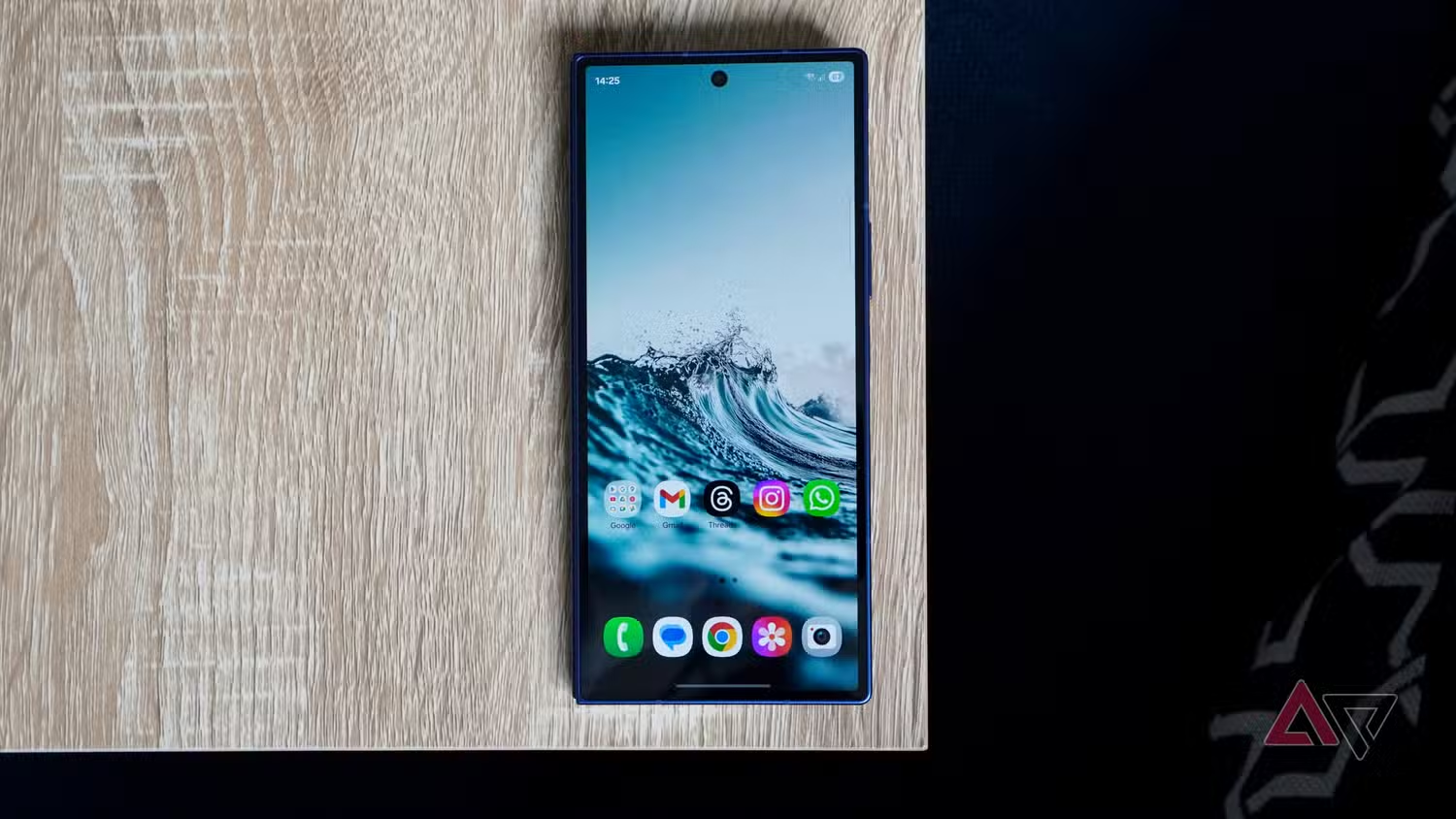

The First Foldable That Feels Built for Creative Workflows
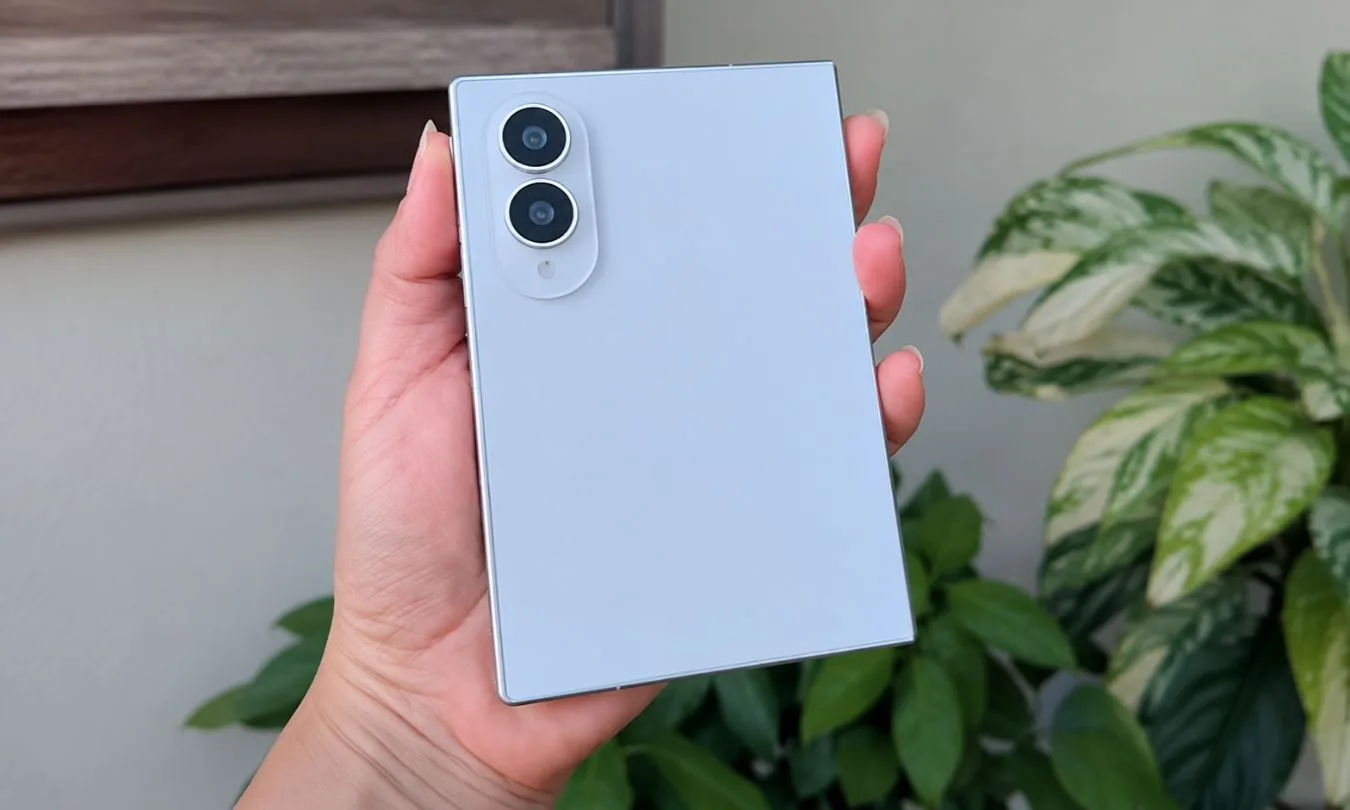
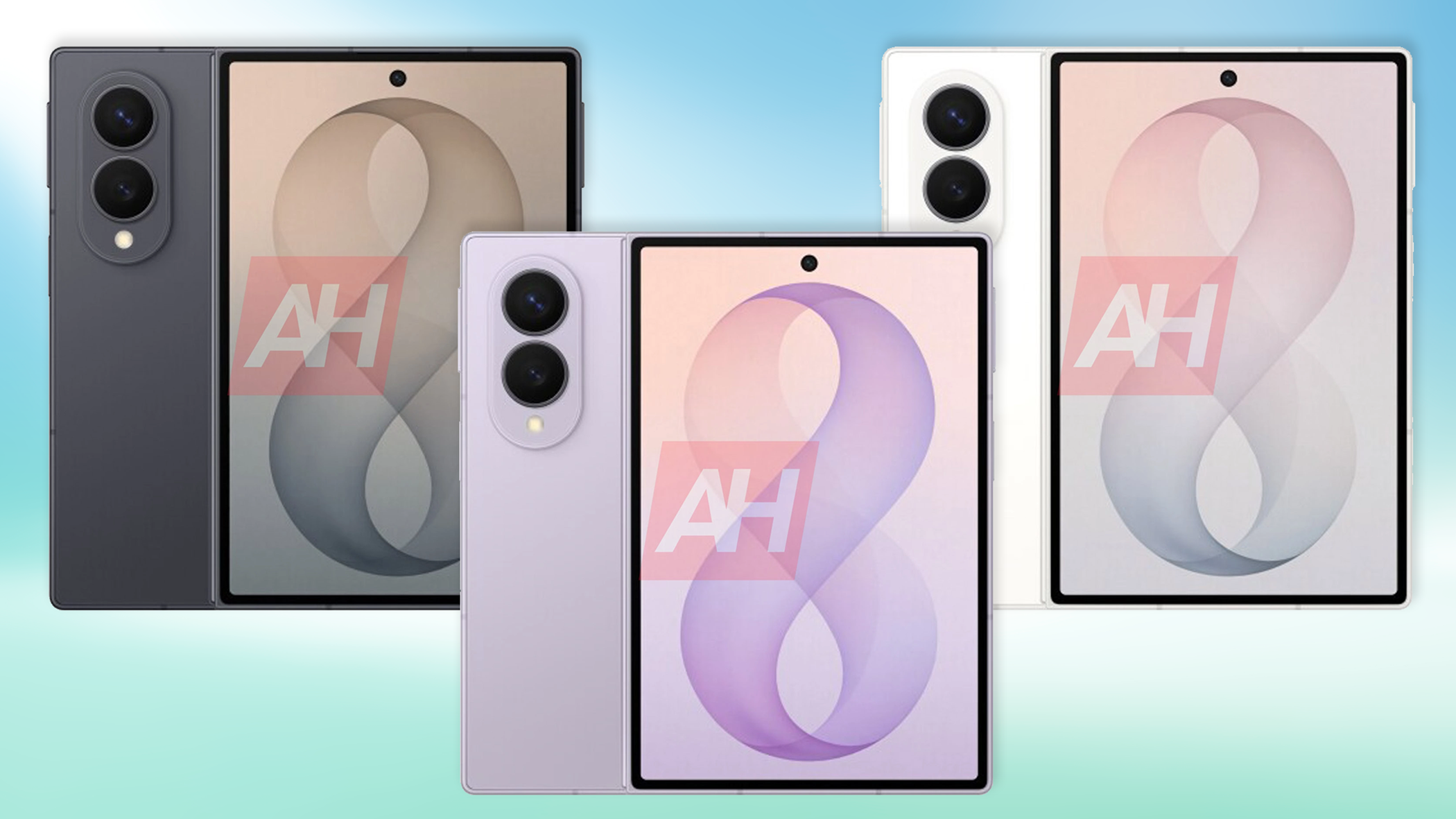
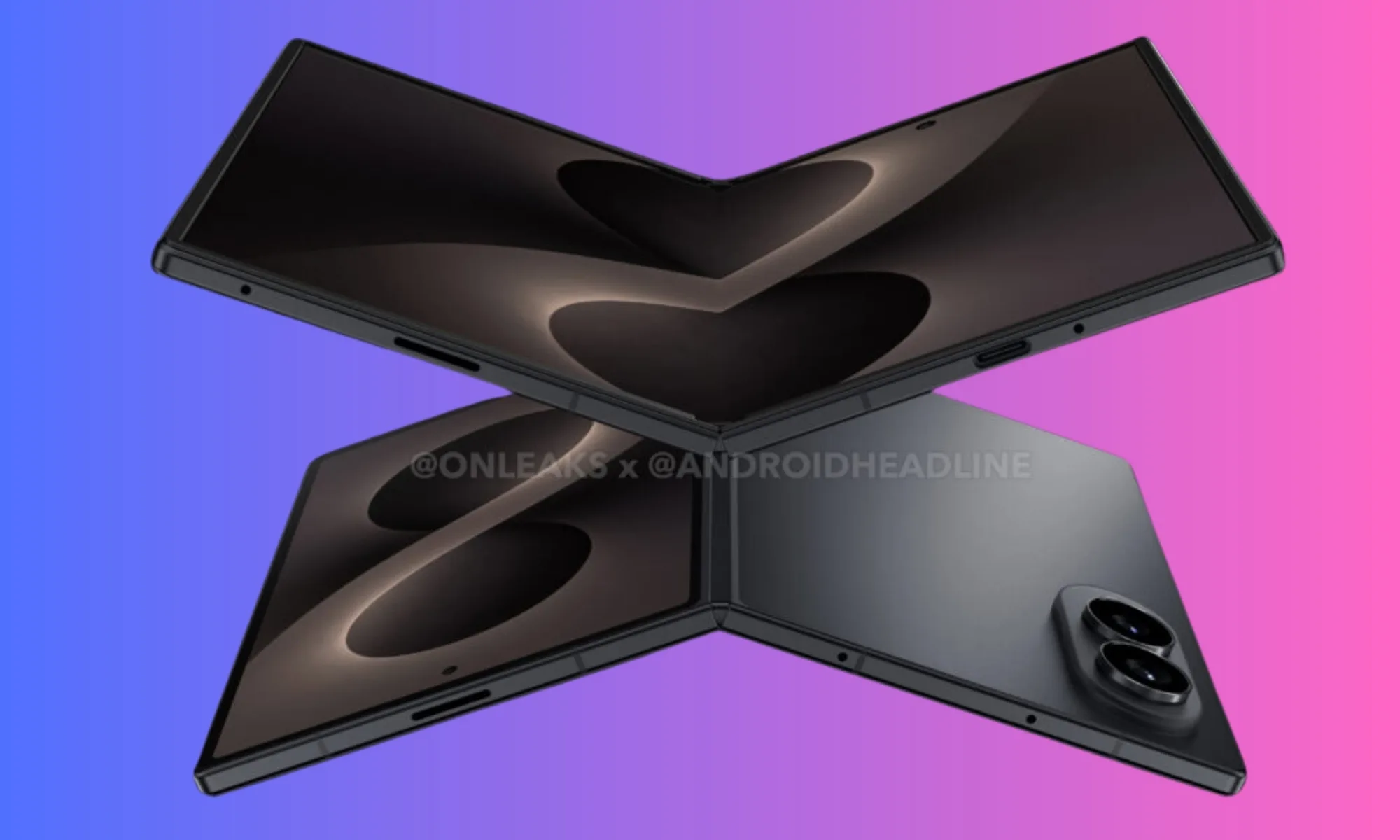
The Galaxy Z Fold 8 design is a book-style foldable smartphone with a shorter, wider body and a large inner display that aims to fix the ergonomic, visual, and multitasking problems that have held back earlier Fold models for professional and creative users. Instead of treating the big inner screen as a party trick, Samsung is finally reshaping the hardware around the way people write, edit, sketch, and manage complex projects all day. The upcoming Fold 8, part of a foldable lineup that Samsung will unveil alongside the Z Flip 8 and a Wide variant in late July, is not just a spec bump; it is a direct response to years of complaints about narrow covers, awkward app layouts, and distracting creases. This is the first Fold that looks like it was designed by people who actually work on their phones.
Why the Wider, Shorter Screen Changes Everyday Productivity
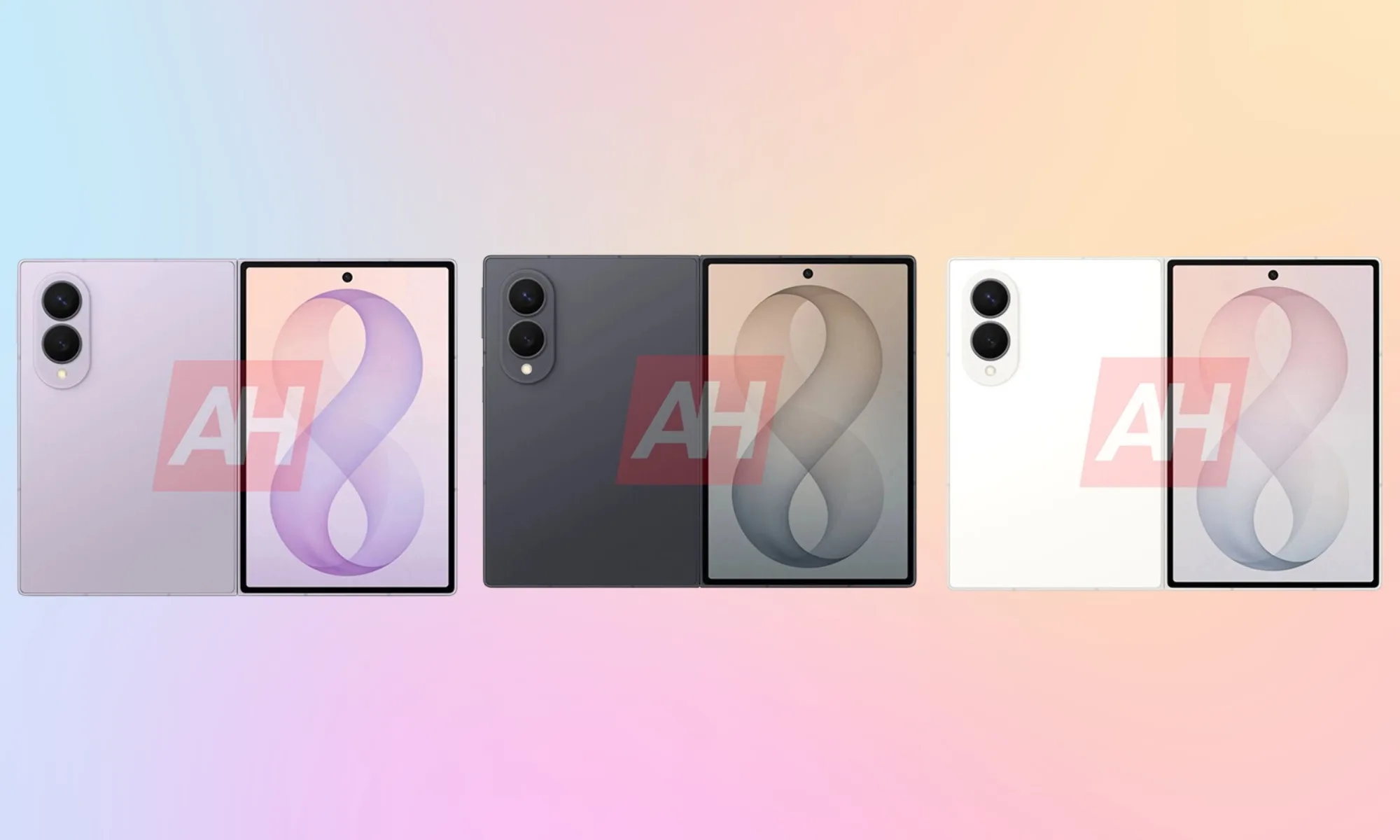
For most of its existence, the Fold series solved portability and broke usability: you got a tablet in your pocket, but you also got a cover so tall and narrow that typing and one‑handed use felt wrong. The Fold 8 flips that logic. Closed, it now resembles a passport rather than a remote control, with a 5.5‑inch OLED cover display at 1,972 x 1,248 resolution and 120Hz refresh. You can type on it without contorting your fingers or fighting cramped keyboards, making quick replies and editing notes viable instead of painful. Opened, the 7.6‑inch inner screen at 2,448 x 1,848 pixels delivers a noticeably wider foldable screen aspect ratio that better suits side‑by‑side apps and landscape tools. The giant black bars that used to frame video and creative canvases shrink, and the layout finally respects how power users multitask—panels, timelines, and tools all visible at once.
Thinner, Lighter Hardware That Power Users Won’t Mind Carrying
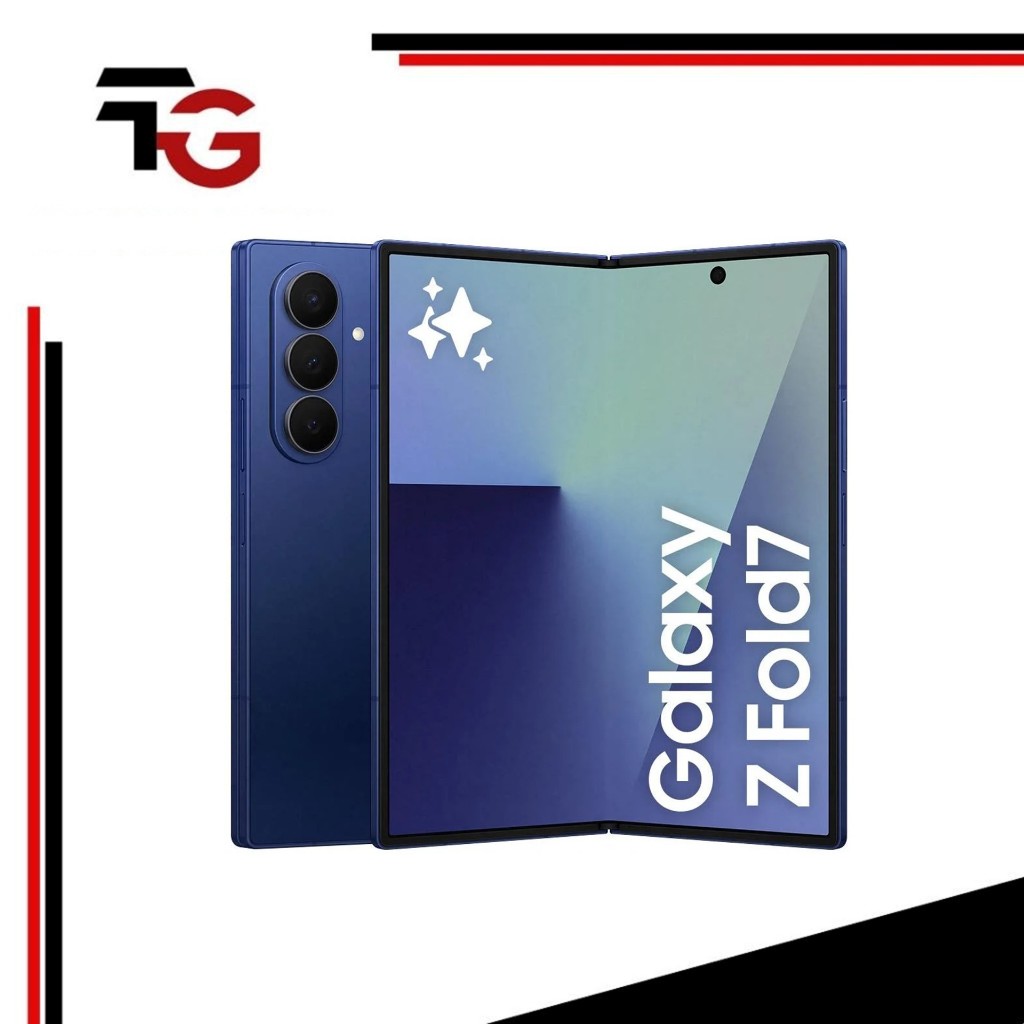
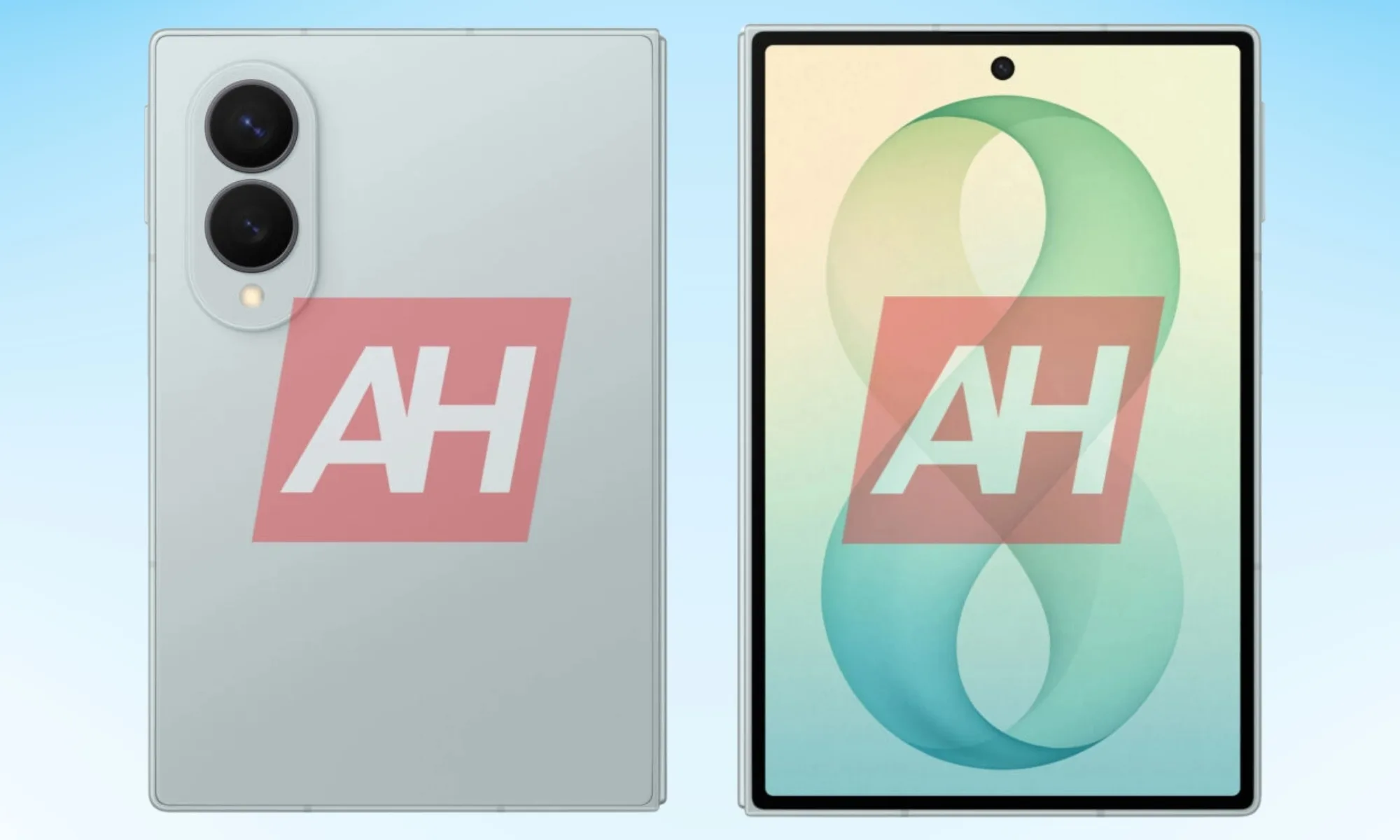
The Fold 8 doesn’t only reshape the display; it tones down the physical burden of carrying a foldable all day. When unfolded, the device reportedly measures just 4.5mm thick and weighs around 201g, making it thinner and lighter than the Fold 7 while still offering a wider footprint. That matters if you are hopping between shoots, meetings, and commutes with the phone held open like a mini laptop. A 4,800mAh battery—the largest cell yet in a Samsung foldable—paired with a Snapdragon 8 Elite Gen 5 ‘for Galaxy’ chipset and 12GB of RAM means endurance and performance finally match the ambition of the form factor. One quotable change is simple: “Battery capacity on the Galaxy Z Fold 8 is expected at 4,800 mAh, a meaningful step up from the 4,400 mAh cell in the Galaxy Z Fold 7.” With up to 45W wired charging and storage options up to 1TB, the Z Fold 8 specs no longer require compromise for mobility.
| Spec | Galaxy Z Fold 7 | Galaxy Z Fold 8 |
|---|---|---|
| Unfolded thickness | Thicker than 4.5mm | 4.5mm |
| Weight | Heavier than 201g | ≈201g |
| Battery | 4,400mAh | 4,800mAh |
| Chipset | Previous Snapdragon | Snapdragon 8 Elite Gen 5 For Galaxy |
Flex Titanium and a Less Distracting Canvas for Creators
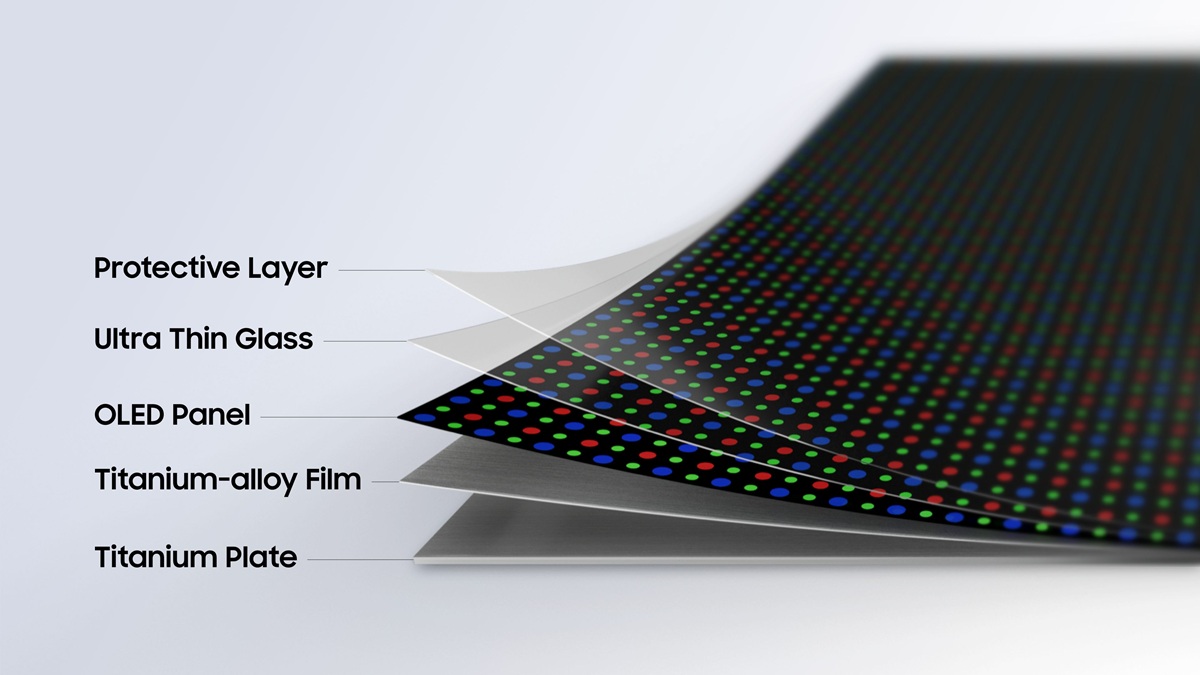
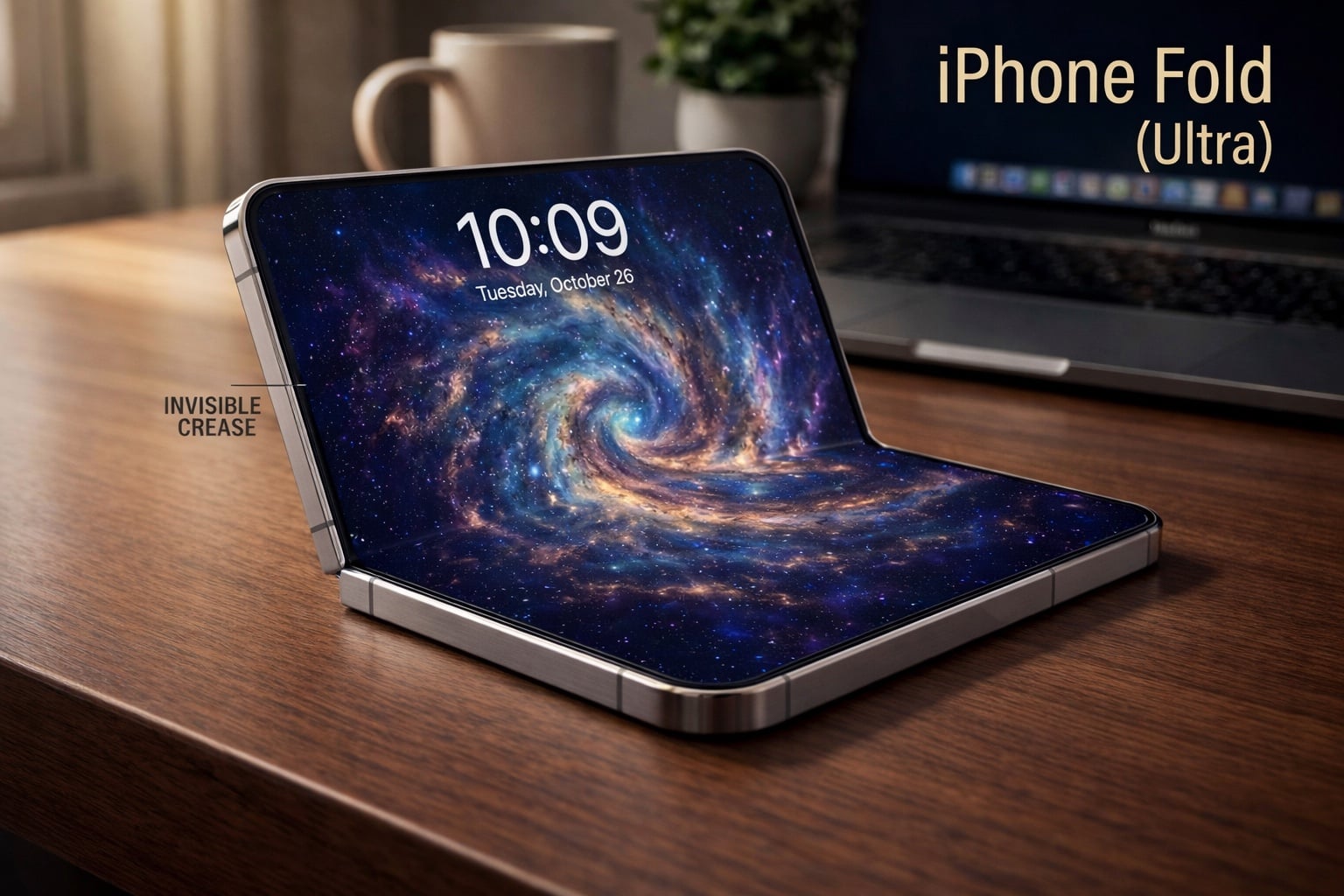
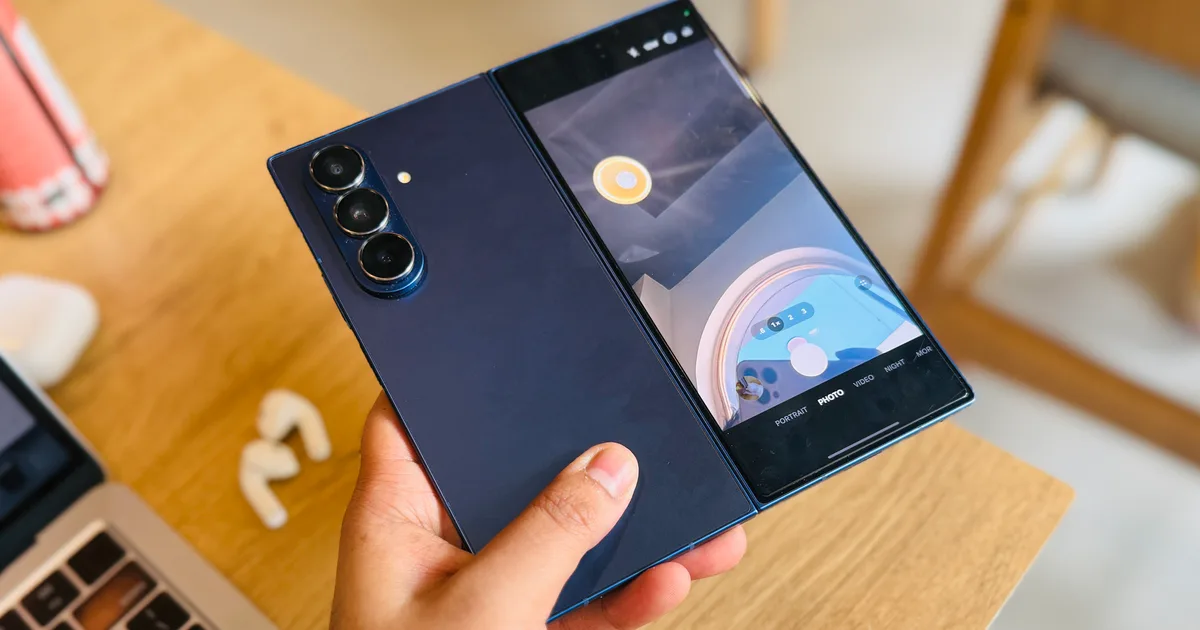
For creative professionals, the Fold line’s biggest sin was visual: the crease and hinge area broke the illusion of a single, premium canvas. Samsung’s new Flex Titanium technology tackles that head‑on. The Fold 8’s foldable screen uses a titanium‑based substrate, with a titanium‑alloy film and plate that aim to reduce crease visibility and improve durability of both hinge and display. In practical terms, that means fewer light streaks across your color grading panel, less distraction when reviewing photos, and a sketching surface that feels closer to a solid tablet. Combined with Gorilla Glass on the front and back, an aluminum frame, and IP48 dust‑ and water‑resistance, the Fold 8 is not being treated as a fragile toy anymore. It is built to live in camera bags, studio desks, and crowded backpacks without making its owner worry every time they open or close it.
From Novelty to Workhorse: What Comes Next for Foldable Productivity
The Fold 8 arrives at a moment when rivals are preparing slab phones pitched as productivity champions, yet Samsung is now arguing that the best work phone might hinge open. Out of the box, it is expected to run One UI 9 on top of Android 17, with features tuned to the bigger canvas and multitasking needs. Crucially, the device is “as comfortable to use closed as it is open,” a standard no previous Fold could claim. With a starting price rumored around USD 1,899 (approx. ₱110,000) for 256GB, it sits firmly in the premium tier and must justify itself as a foldable productivity upgrade rather than a curiosity. The wider foldable phone form factor, refined specs, and durability upgrades suggest Samsung is ready to do exactly that. Galaxy Unpacked on July 22 and retail availability around August 7 will show whether professionals are prepared to trade their tablets and laptops for a phone that finally treats their time, and their workflows, with respect.