
The gap between battery promises and how we use our phones
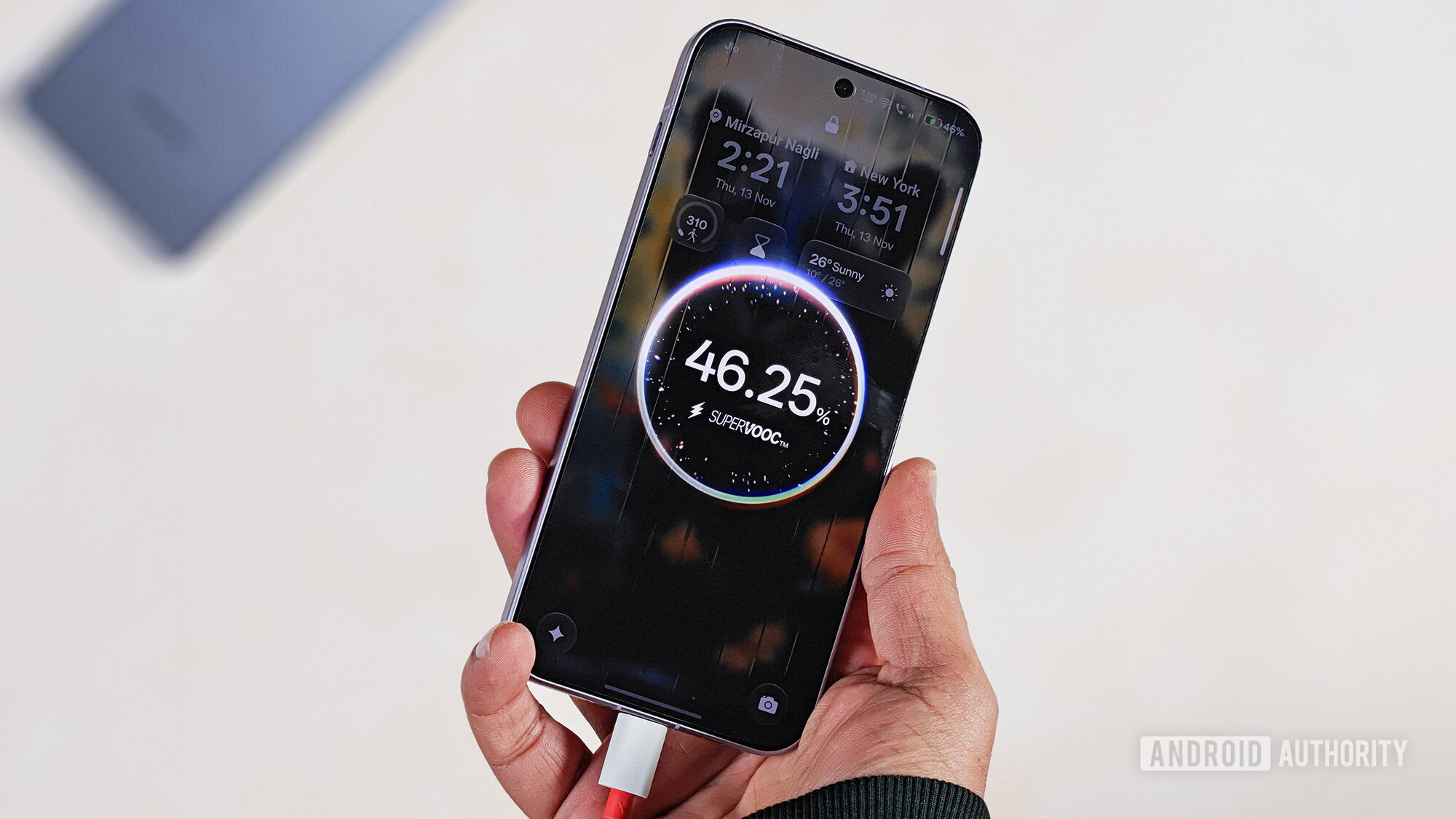
Phone battery lifespan claims are marketing statements that describe how long a smartphone battery will maintain a certain percentage of its original capacity, often expressed as years of “battery health” or a number of charging cycles, and they increasingly shape how users think about device longevity and upgrade timing. The headline numbers look reassuring: Apple and Google say recent phones survive 1,000 charging cycles before dropping to 80% capacity, while one major rival advertises 2,000 cycles on high‑end models. Others now talk in terms of four, five, or even six years of battery health instead of cycles. On paper, that sounds like batteries have caught up with our desire to keep phones longer. In reality, those promises are wrapped in fuzzy math and optimistic assumptions about how often you charge. The message is clear: your battery will last years, so upgrading often stays “safe.” The truth is less flattering for annual upgrade marketing.
Sneaky math and vague phone battery lifespan claims
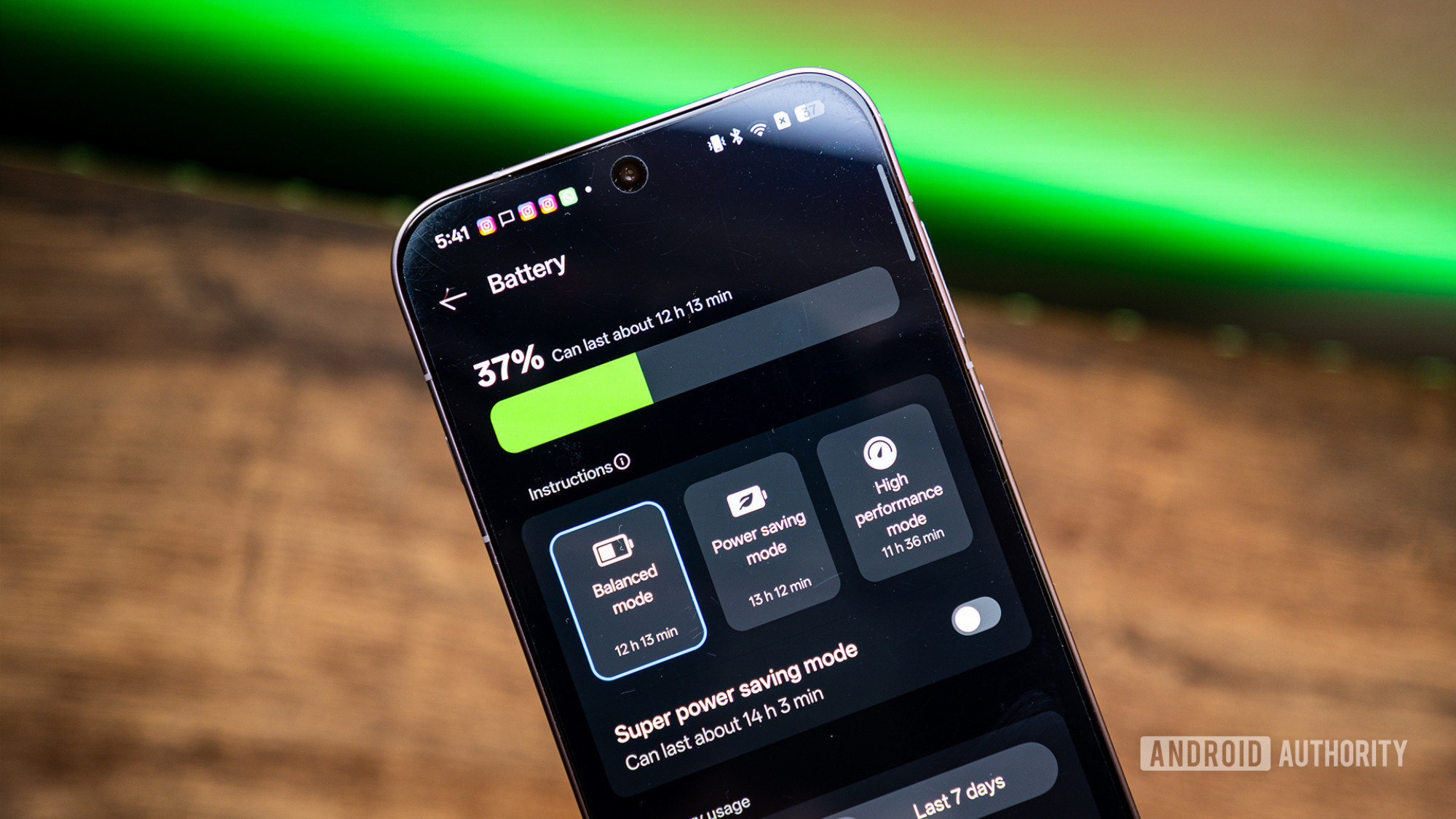
Battery degradation reality starts with charging cycles – the count of full charge‑discharge equivalents your battery can handle before falling to around 80% of its original effective capacity. Historically, brands quoted these cycles directly: some phones were rated for 1,600 cycles or four years of battery health. With newer silicon‑carbon batteries, many manufacturers shifted to advertising “years” instead of cycles, even as some devices now have fewer cycles than older lithium‑ion models. That switch sounds consumer‑friendly but hides a key trick: they quietly extend the assumed time between cycles. One model promising four years of health defines a charging cycle as every 1.35 days, not daily. Another phone touting five years is based on a cycle roughly every 1.25 days. Stretch the calendar assumptions and you can claim the same four‑to‑six‑year lifespan on paper, even when the underlying cycle rating is stagnant or worse.
Users are rejecting the annual upgrade trap
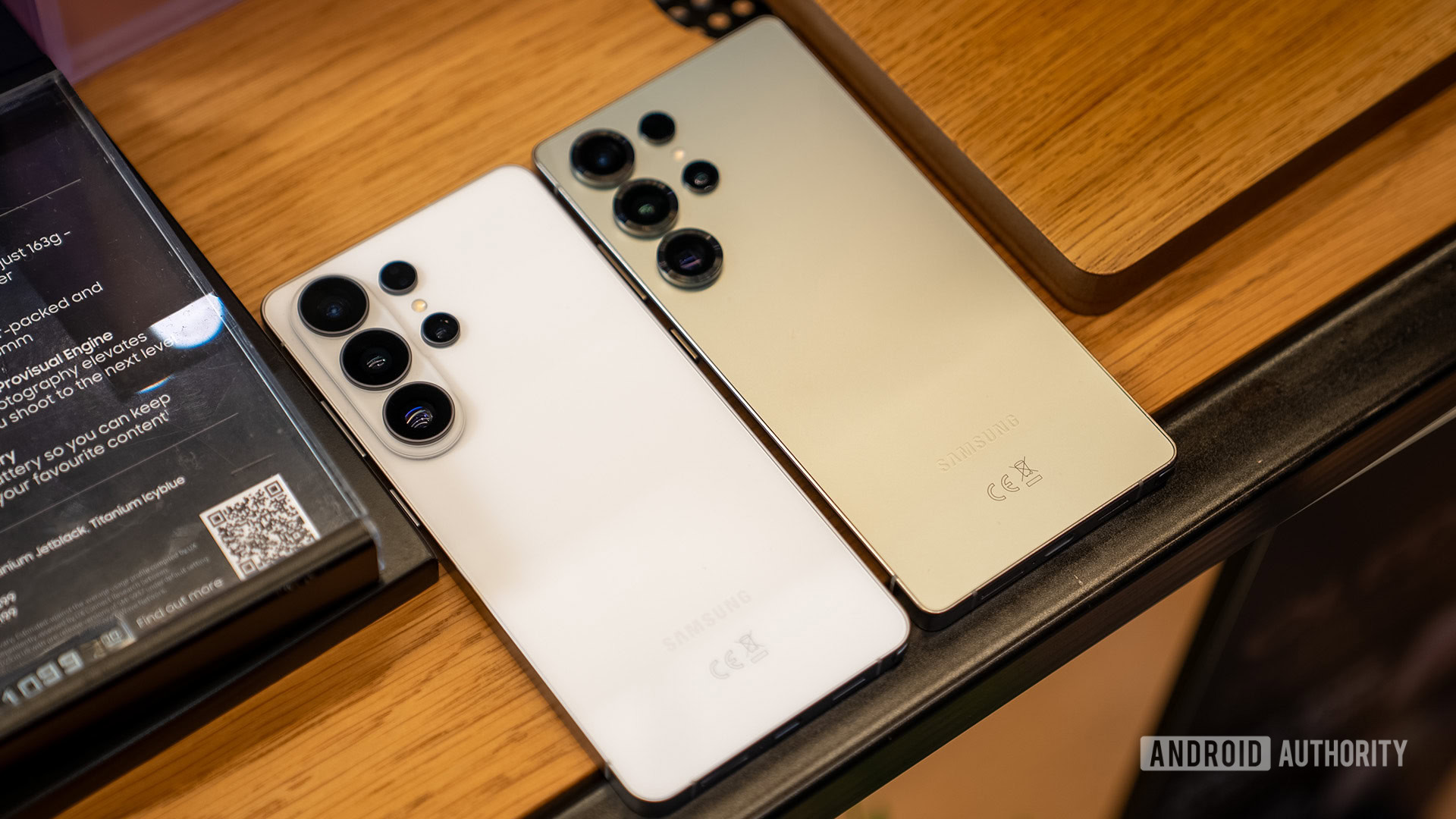
While marketing leans on battery health promises to keep annual upgrade habits alive, consumer behavior is moving the other way. A recent poll of 2,270 readers found that only 4% upgrade their phone every year, even though that would mean cycling from a Galaxy S26 Ultra to a Galaxy S27 Ultra in consecutive years. Another survey shows almost three‑quarters of roughly 4,100 respondents keep their phones for at least three years, and 65.9% now go four years or longer between upgrades. According to that polling, “annual smartphone upgrades are becoming exceedingly rare” and most readers treat phones as long‑term investments, not yearly splurges. Extended software support windows of up to seven years and strong build quality reinforce this resistance to the annual upgrade trap. Battery issues still matter, but they are becoming a maintenance problem, not a reason to buy the next shiny model every twelve months.
What battery health metrics really tell you
To decode phone battery lifespan claims, you need to separate the metric from the marketing. Charging cycles are the technical backbone: each cycle represents a full use of the battery’s capacity, whether in one go or spread across smaller charges and discharges. A rating of 1,000 cycles before 80% effective capacity means roughly three years if you drain and refill the battery every single day. Higher numbers, like 1,600 or 2,000 cycles, signal stronger long‑term endurance. “Four, five, or six years of battery health” sounds similar, but only holds if your usage matches the brand’s assumed cycle frequency and test conditions. Huge 7,000mAh‑plus batteries reduce how often you charge, which slows the accumulation of cycles and can extend practical lifespan. Yet when a newer phone has fewer rated cycles than its predecessor, that glowing multi‑year promise may mask a flat or declining durability story.
How to judge real lifespan and why longer ownership matters
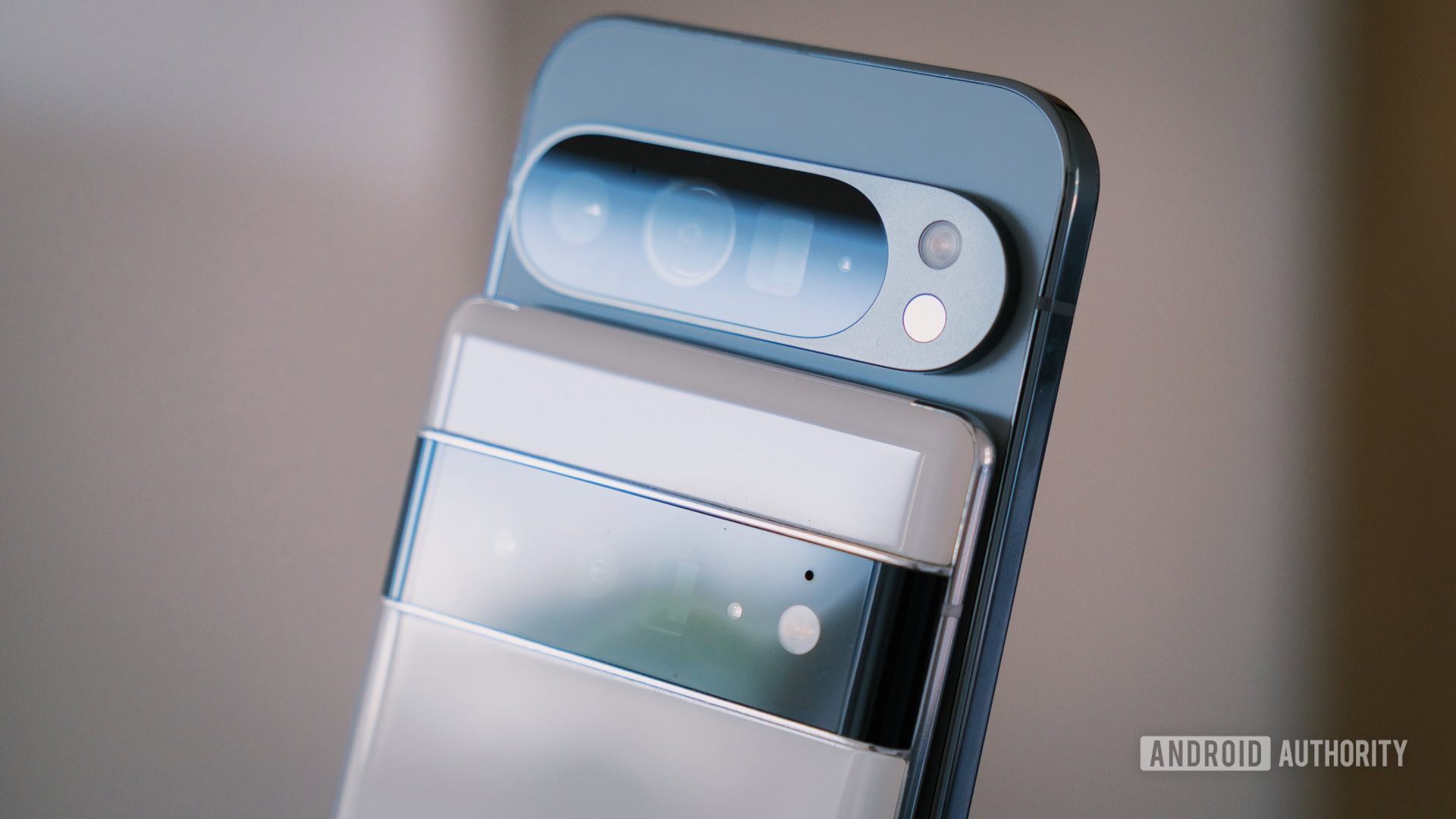
Assessing true battery lifespan means looking past the headline and asking two questions: how many cycles until 80% capacity, and how often will you realistically hit a cycle? If a phone quietly lowers its cycle rating but stretches the assumed days per cycle, the “four‑year” or “five‑year” claim is more spin than progress. Checking independent databases or fine print can reveal whether long‑term health has improved or regressed. At the same time, bigger batteries and better engineering mean phones accrue cycles more slowly and stay usable longer. That durability lines up with smartphone upgrade cycle trends: most people are comfortable keeping a working device for four years or more, treating it as an investment rather than a subscription. The industry may still push an annual upgrade narrative, but the combination of stronger batteries, longer support, and economic pressure has flipped the script. We are keeping our phones longer, and marketing math needs to catch up.