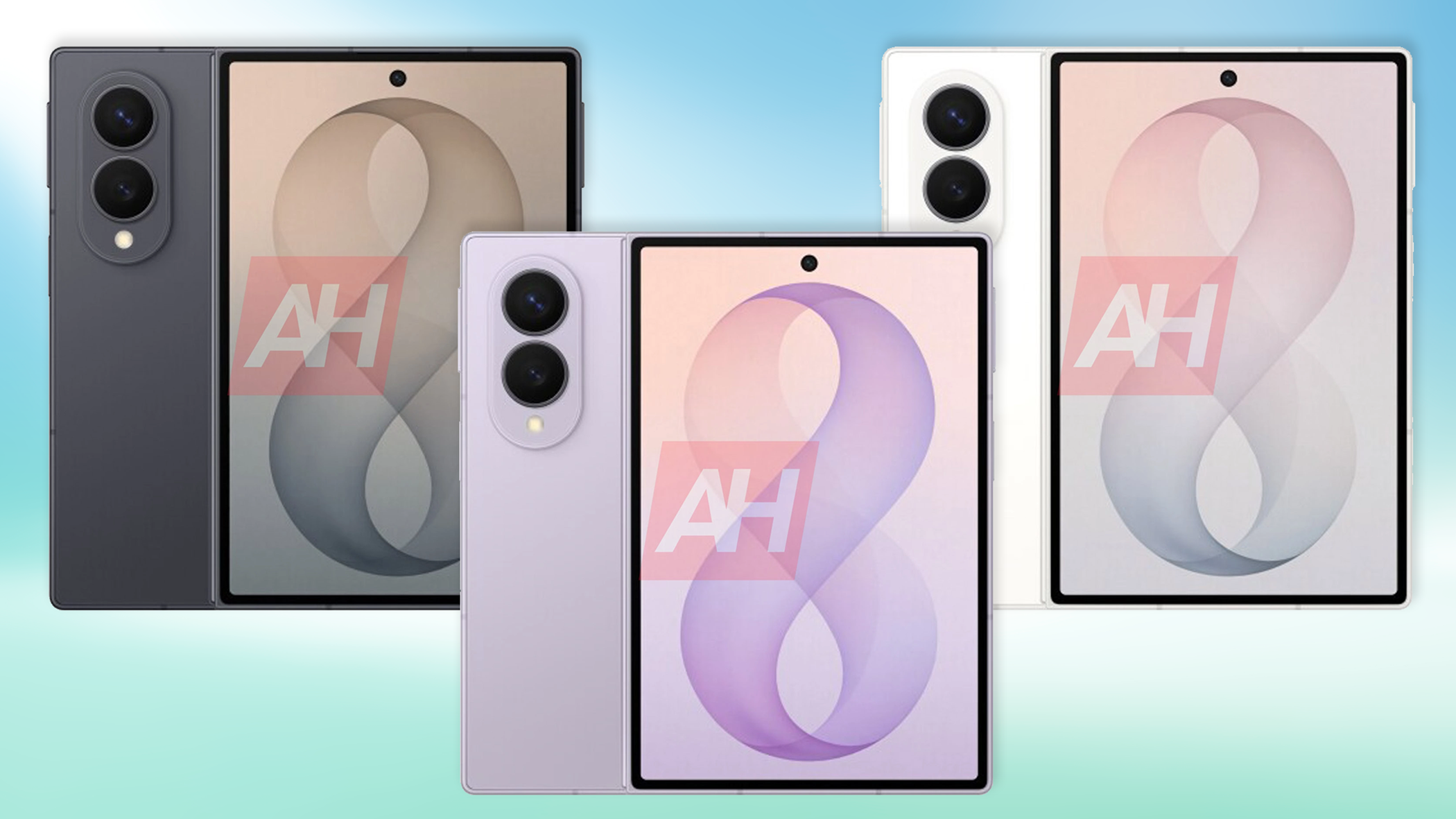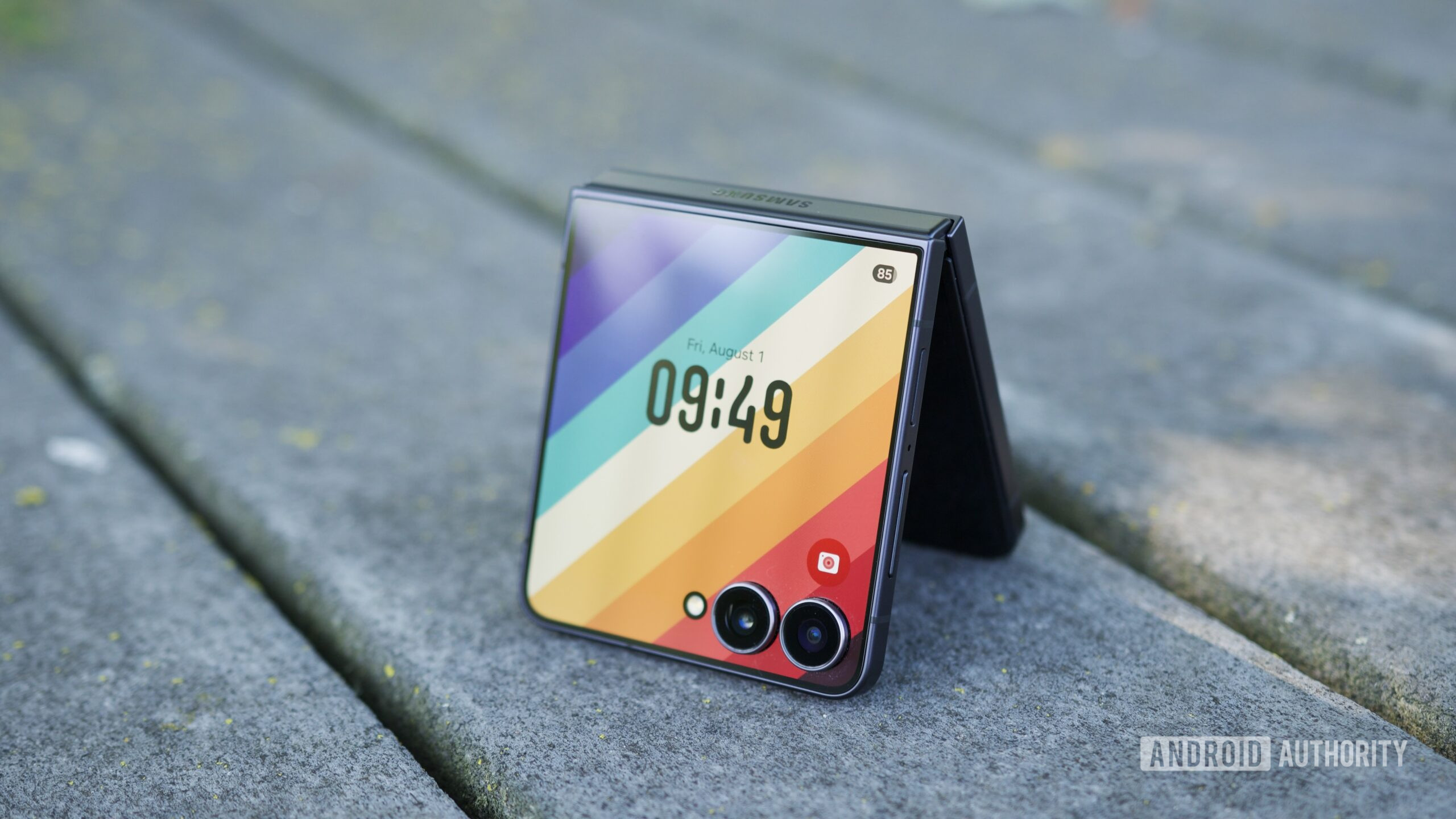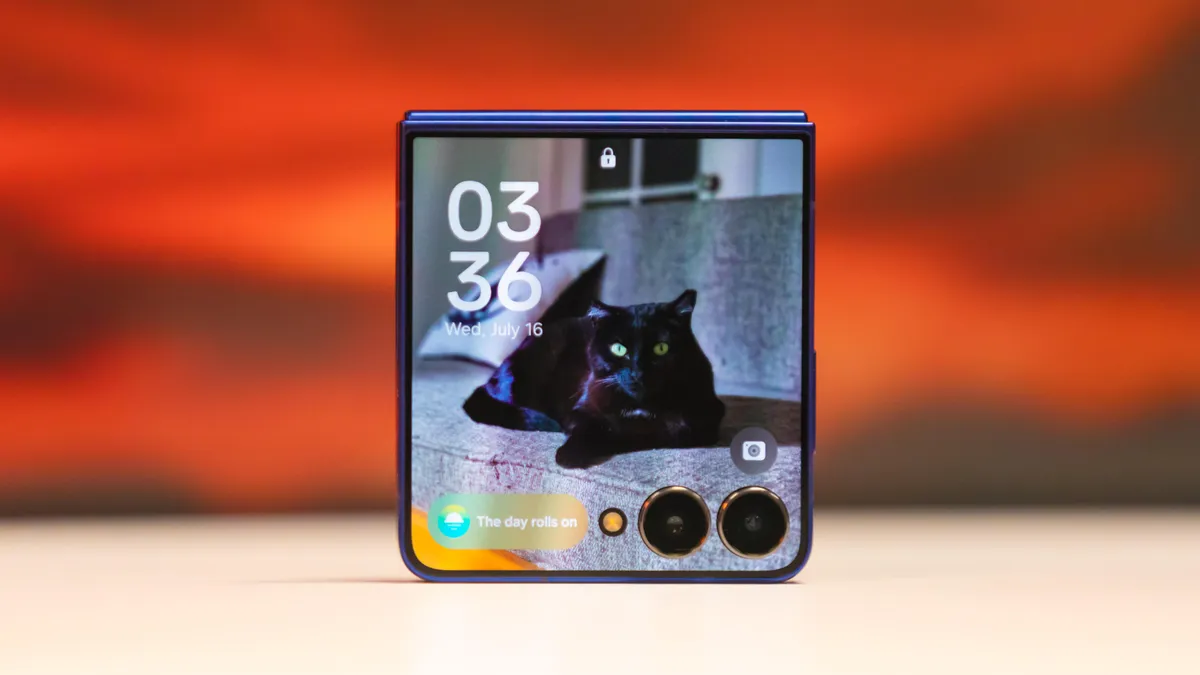

Flex Titanium: The First Foldable Display That Stops Apologizing
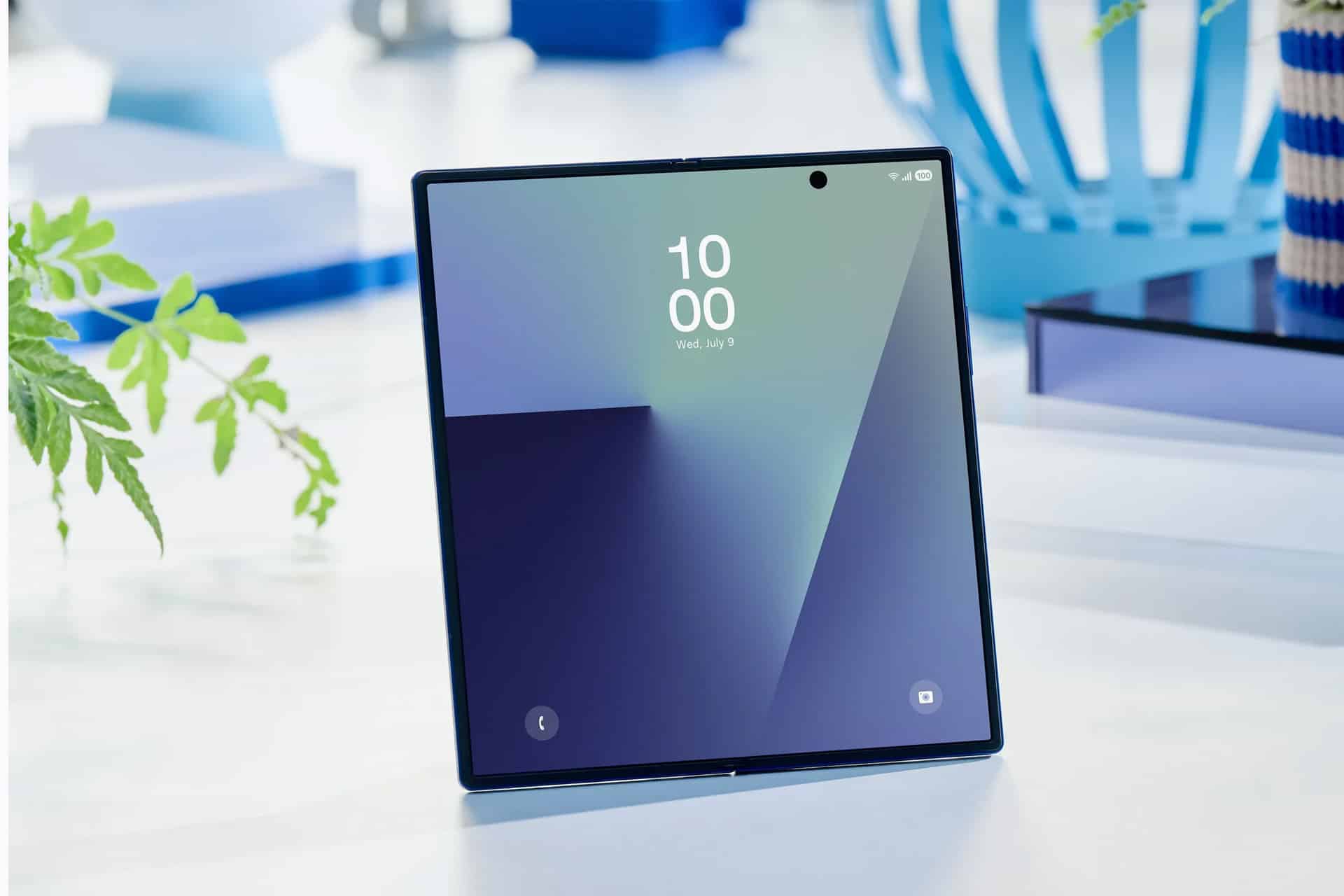
Samsung’s Flex Titanium display technology is a new foldable display engineering approach that uses a titanium-alloy film, flexible titanium plate, and stress-spreading micro perforations to dramatically reduce the visible foldable phone crease while keeping the OLED screen thinner, stronger, and more immersive, so the inner panel finally feels closer to a traditional glass slab instead of a compromise. This is not a cosmetic tweak; it is the first credible attempt to make foldables stop apologizing for the line down the middle. Foldable phones have steadily improved with thinner bodies, brighter screens, stronger hinges, better water resistance and more mature software, yet the crease remained a symbolic weakness that exposed the form factor as a prototype moment rather than a finished product. By tackling that flaw head-on, Flex Titanium does more for foldable display technology than any spec bump or hinge iteration.

How Stress-Spreading OLED Engineering Tames the Crease
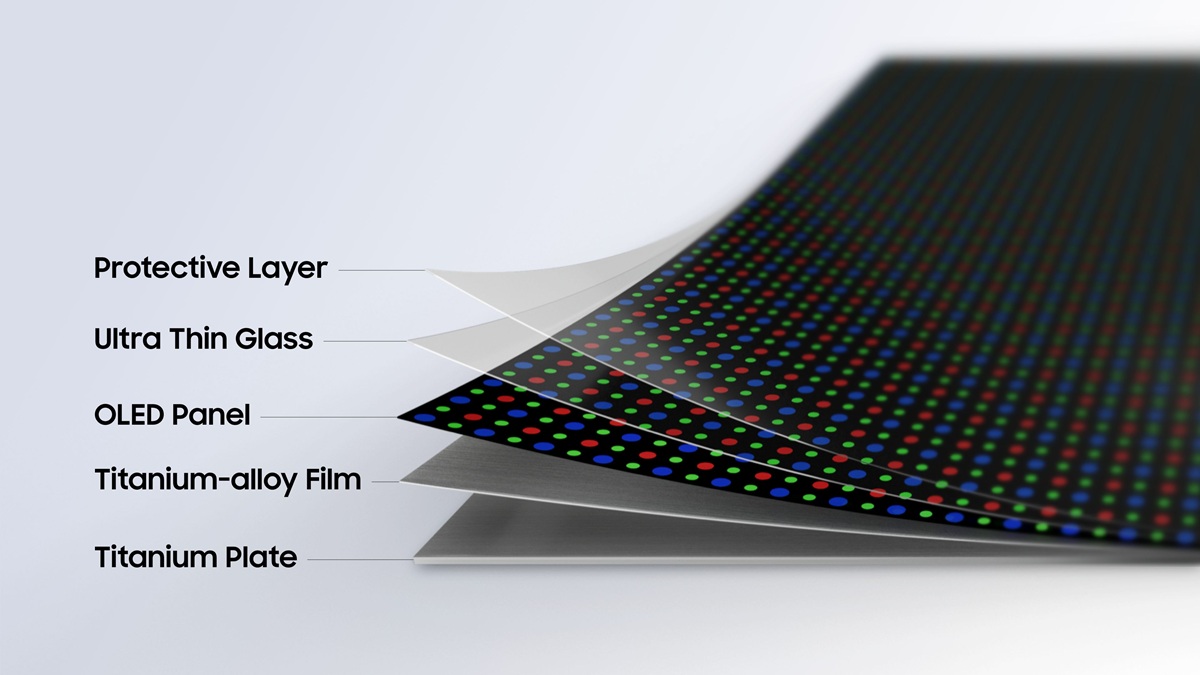
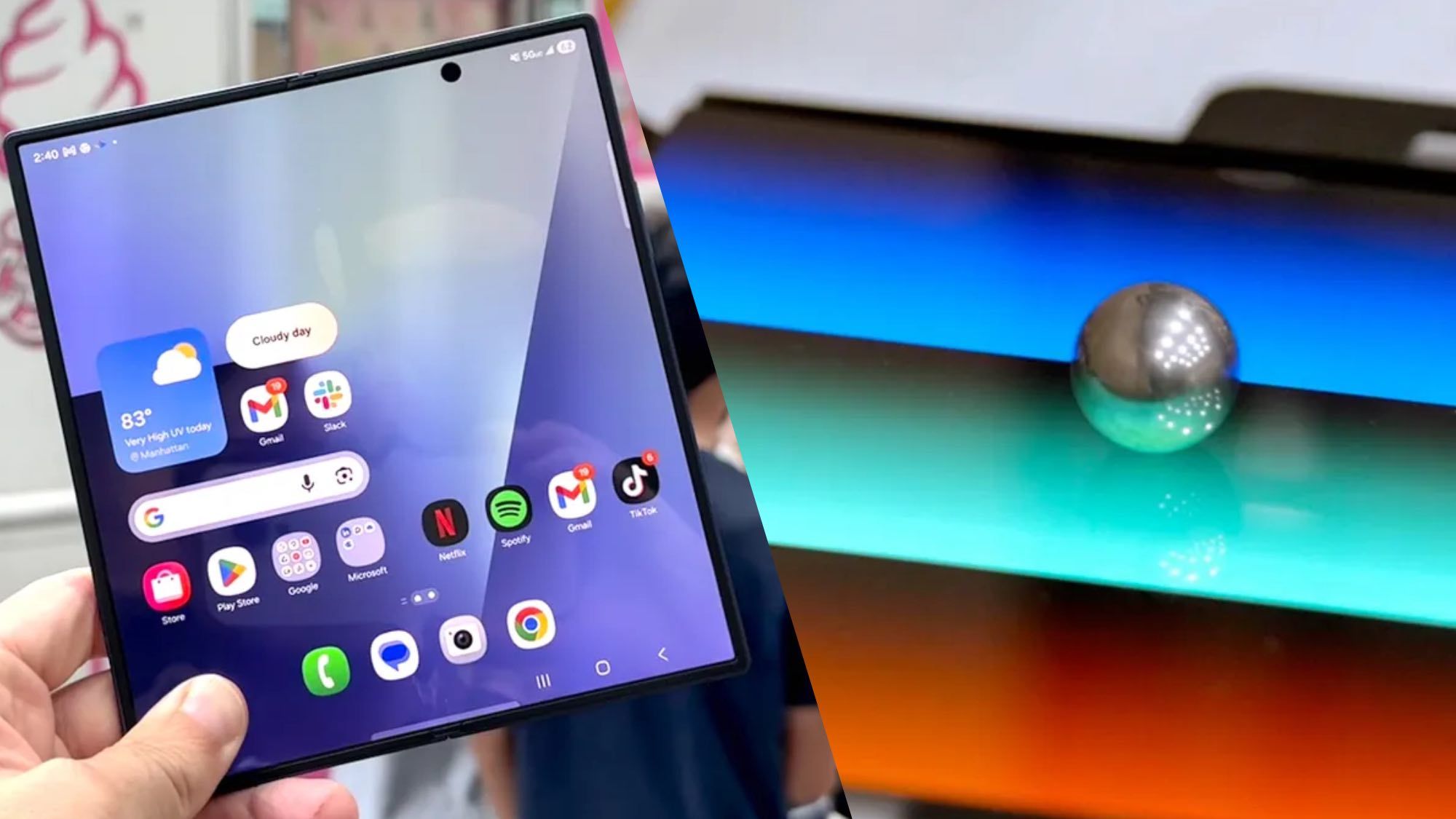
The magic of this “creaseless OLED screen” is mechanical, not mythical. When a display folds repeatedly along the same line, stress gathers at the bend, and over time that concentrated stress creates the visible crease users have come to expect on book-style foldables and flip phones. Samsung’s answer is stress-spreading OLED engineering: a titanium-alloy film sits below the OLED panel, offering around twenty times greater stiffness than plastic films while being only about 30% the thickness of human hair, which yields a slimmer yet very strong display panel. Beneath that, a flexible titanium plate tightly supports the display module, eliminating air gaps between the module and plate adhesive; the result is dramatically reduced crease visibility and a more immersive viewing experience. Around the fold area, a lattice structure plus precision laser hole processing creates tiny micro perforations that spread folding stress across a wider zone instead of forcing it into one harsh line—that is the secret behind the creaseless claim.
Why This Matters: Foldables That Finally Feel Premium
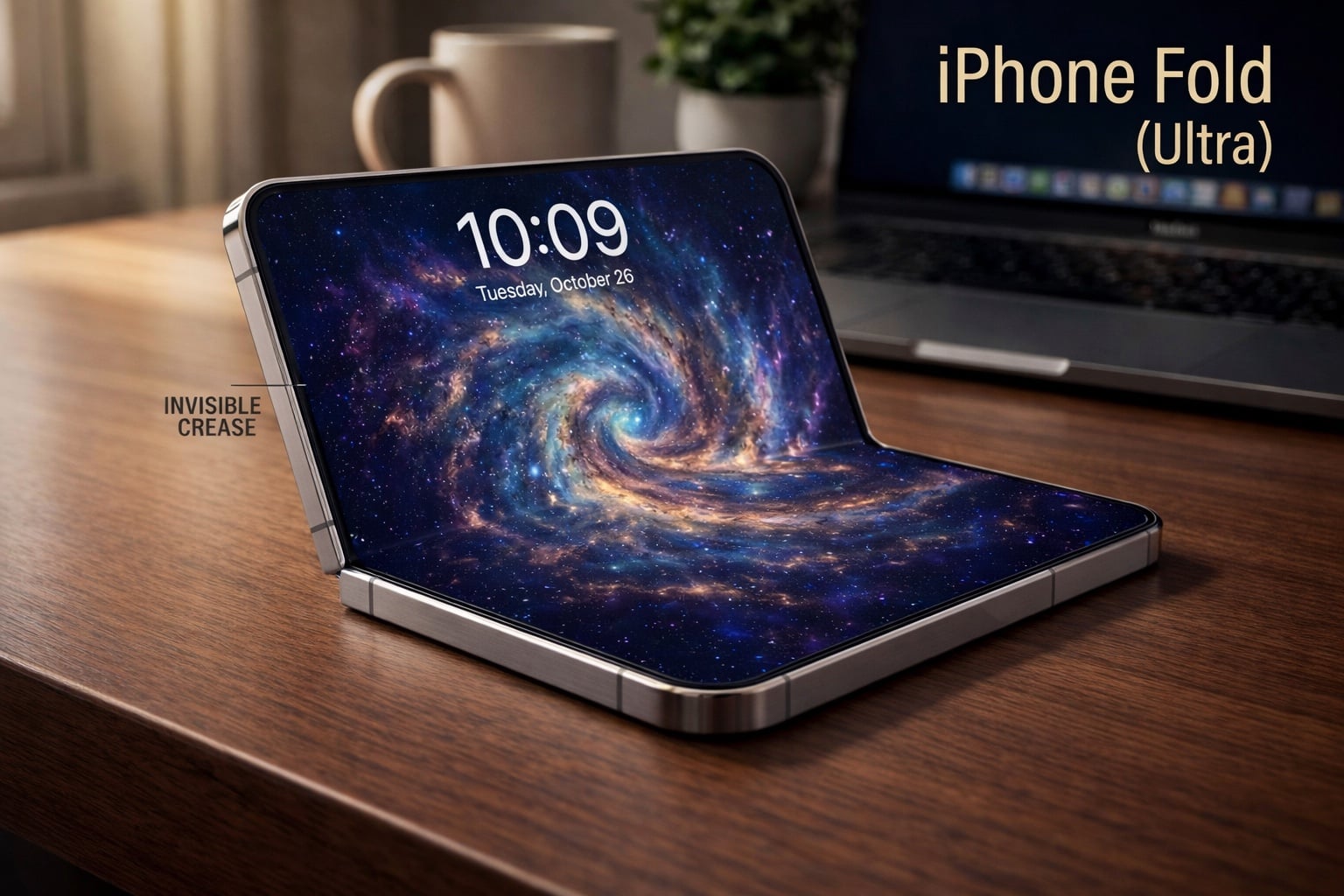
For foldable display technology, attacking the foldable phone crease is not some fussy aesthetic detail; it is the category’s biggest credibility test. A visible crease makes a premium foldable feel less premium, turning the inner screen into a constant reminder that the device bends rather than a canvas for work and play. A nearly invisible crease changes the conversation. Instead of asking buyers to ignore a flaw, the device can sell the benefit: tablet-like workspace, pocketable size, multitasking, reading, gaming, video and productivity without the feeling of handling a delicate prototype. A creaseless display is therefore not only a better screen, it is a more convincing foldable device that moves closer to the promise of a large inner panel that no longer reminds users, every time they look at it, that it bends in half. After seven years of making foldables, Samsung claims it has found a way to make a display nearly crease-free while also more durable and thinner, and that’s a rare case where marketing and engineering meaningfully align.

Durability, Hinge Synergy, and the Long Game
A creaseless OLED screen would be meaningless if it fell apart after a few months. Samsung’s confidence comes from years spent playing the long game on folding hardware: it began showing foldable displays back in 2009 and did not ship the first Galaxy Fold until 2019, a decade of silent iteration before customers touched the tech. Today, the company bends its foldable displays 500,000 times to check they are durable enough for upcoming devices like the Galaxy Z Fold 8 series. That testing underscores an important point: the hinge still does half the work. If hinge geometry forces an aggressive bend, the panel will show stress; if the frame lacks support, durability suffers; if the protective layer feels too soft, the screen stops feeling premium. Samsung’s approach pairs its Flex Titanium display with hinge refinements, improved Ultra Thin Glass and wider fold distribution so that the physical act of folding becomes less punishing to the OLED stack. In practice, this engineering truce between hinge, glass and titanium is what makes the crease reduction believable instead of fragile.
Apple’s Rumored Different Path and the New Foldable Bar
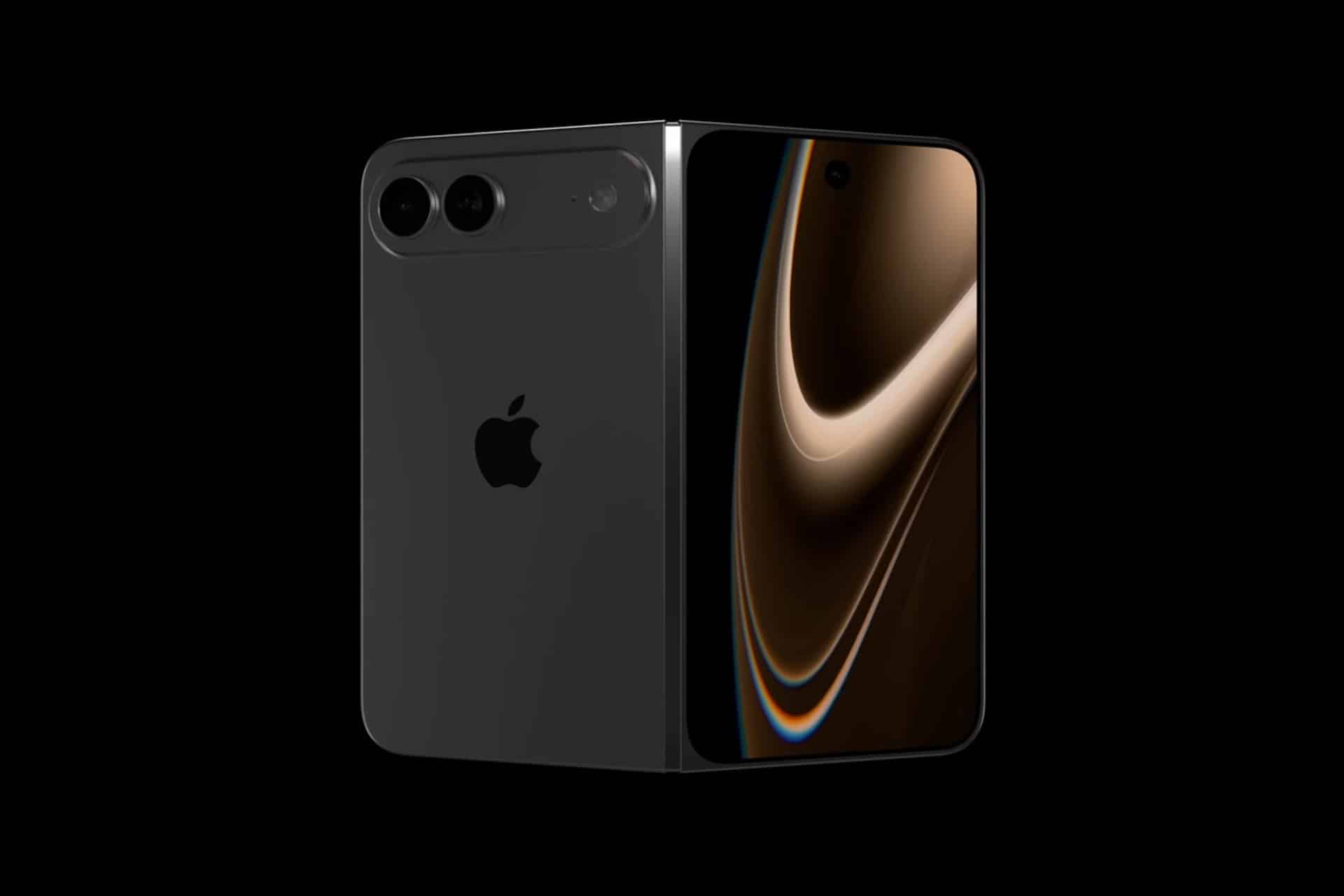
Samsung’s move does more than refine its own foldables; it quietly sets a higher bar for any rival, including the rumored foldable iPhone. Reports suggest Apple is studying or developing a book-style foldable device, and there is broad agreement that it cannot arrive with a visibly compromised inner screen after Android foldables have spent years normalizing, then reducing, the crease. Samsung publicly says it “loves” another big player entering the space, but the subtext is clear: Flex Titanium and stress-spreading micro perforations mean Samsung can greet that entrant with a creaseless display story instead of the familiar caveats. Apple may choose a different route for its own foldable display stack, but whatever it builds will now be judged against a world where the crease is no longer accepted as inevitable. Foldable phones have improved in almost every area, yet the crease remained a symbolic weakness; with Flex Titanium, Samsung is finally attacking that weakness at the material level. If foldables are ever going to replace glass slabs for mainstream buyers, this is the kind of engineering leap they need.