

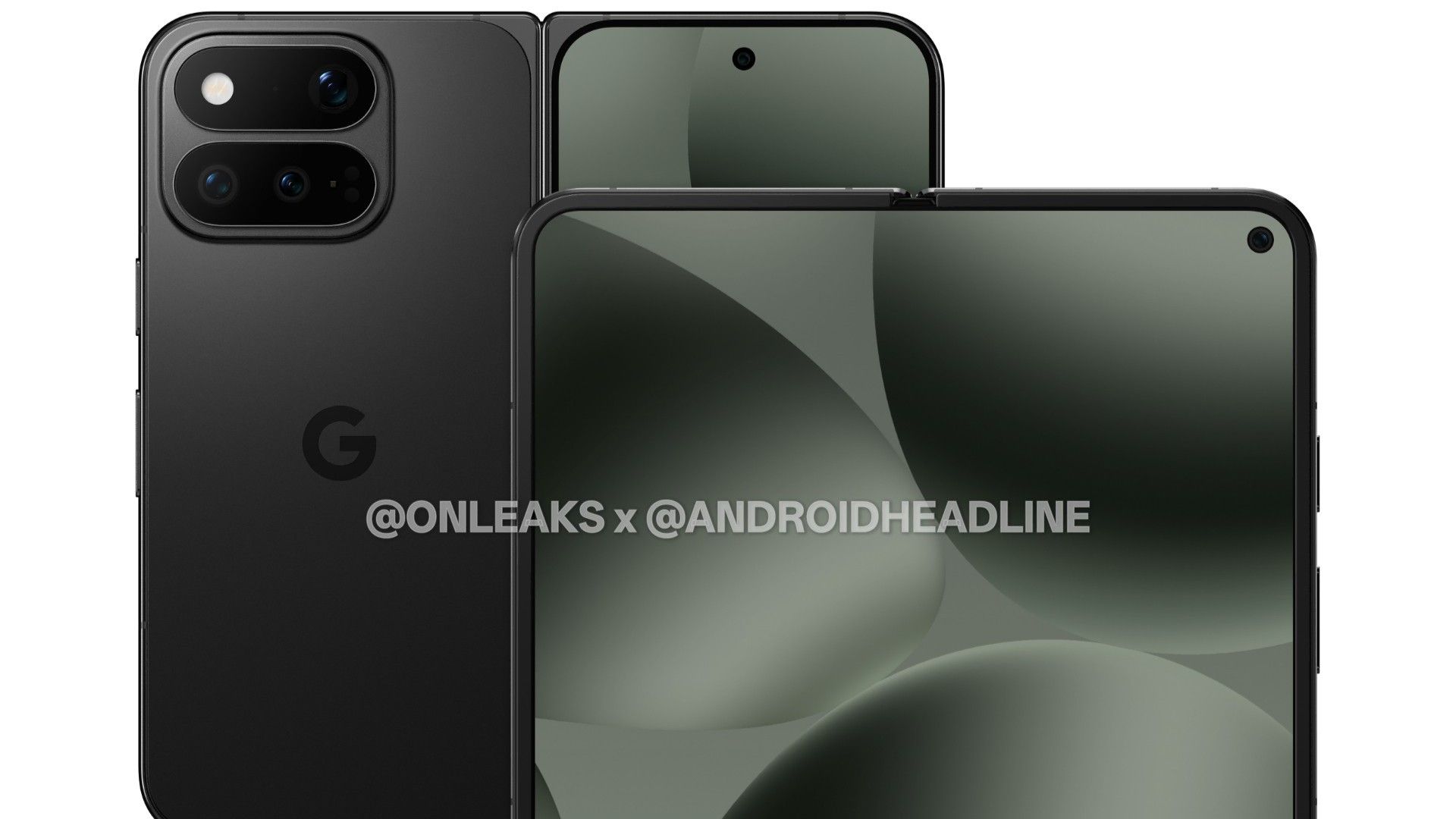
Google’s modem pivot: the Pixel 11 Pro Fold moment
Google’s reported switch from Samsung Exynos modems to a MediaTek solution in the Pixel 11 Pro Fold, revealed through recent FCC filings, signals a strategic reset of Tensor connectivity that aims to improve 5G reliability, power efficiency, and everyday performance for upcoming Pixel 11 devices.
The key takeaway is blunt: if Google gets this Pixel 11 Pro Fold modem transition right, users will feel a larger upgrade in signal and battery life than in raw benchmarks. Earlier today, the Pixel 11 Pro Fold’s certification paperwork was published by the FCC, and buried in the SAR test report is a clear reference to MediaTek algorithms, a detail that strongly suggests a MediaTek modem is now in play for Tensor G6. A separate filing states that the new Pixel 11 Pro Fold FCC document points to the replacement of Samsung’s Exynos modem with MediaTek’s M90 5G hardware. That is more than a spec change; it is Google admitting that connectivity, not CPU scores, is the Pixel’s real Achilles heel — and choosing to fix it at the silicon level.
From Exynos to MediaTek: breaking a long-standing dependency
This potential MediaTek modem upgrade is a sharp break from the past. Since the original Tensor chip debuted in the Pixel 6 series, Google has been heavily reliant on Samsung for both chip design support and modem components. So far, every Tensor generation has shipped with a Samsung Exynos modem, despite years of user complaints about weak reception and power drain. The new filings indicate that the Tensor G6 platform in the Pixel 11 Pro Fold will instead be paired with MediaTek’s M90 5G modem, signaling that Google is ready to replace Samsung’s modem technology.
Rumors dating back to last fall already suggested this shift from Samsung to MediaTek for the Tensor G6 modem, but seeing “MediaTek” written straight into the Pixel 11 Pro Fold SAR documents turns vague leaks into something close to confirmation. In practical terms, this is Google’s biggest modem shift yet: the company appears willing to sever its most persistent hardware dependency in the Tensor stack in order to solve a problem its fans have been complaining about for years.
Why the Pixel 11 Pro Fold modem swap matters more than benchmarks
For real users, modem quality beats a small bump in CPU performance every time. Recent Pixel phones have been criticized for inconsistent cellular reception, increased battery drain, and less reliable signal strength than other flagships, with Samsung’s modems frequently named as a culprit. For many owners, this has been the single most annoying flaw in an otherwise strong package of cameras and AI features. That is why the Pixel 11 Pro Fold modem change could matter more than another round of benchmark slides — it attacks the daily frustrations directly.
On paper, MediaTek’s M90 looks like the right kind of overcorrection. It supports download speeds of up to 12Gbps, satellite connectivity, dual active 5G SIM support, and AI-powered power management designed to improve efficiency without cutting performance. Sources have also pointed out that moving to this modem could reduce power consumption compared with a continued reliance on Exynos hardware. In practical terms, that means fewer dead zones on your commute, less anxiety about battery life, and a foldable that stays cooler under sustained data use — the kind of invisible improvements that make a phone feel “right” even if you never read the spec sheet.
Tensor G6 connectivity: a smarter use of silicon
The modem change is not happening in isolation; it is tied directly to Google’s broader Tensor G6 strategy. The new FCC filing suggests that Tensor G6 will be paired with MediaTek’s M90 5G modem instead of Samsung’s modem technology. According to one report, this shift, combined with the rumored move of Tensor G6 manufacturing to TSMC’s 2nm process, could deliver “meaningful gains in battery life, thermal performance, and overall connectivity rather than just the raw processing power.” In other words, Google is finally optimizing Tensor around the way people use phones, not the way spec sheets are written.
The upside is clear: a tighter integration of Tensor G6 connectivity with a more efficient modem architecture should cut power draw during 5G sessions, improve sustained speeds, and reduce the thermal throttling that has dogged earlier Tensor generations. Instead of leaning on marketing about AI features while users wrestle with weak signals, Google appears to be rebuilding the foundation. If this works, Tensor G6 might be remembered less as “the one with better benchmarks” and more as “the one where the Pixel finally became a reliable phone everywhere you go.”
Conclusion: a necessary risk that could redefine Pixel
Google’s apparent decision, as reflected in the Pixel 11 Pro Fold FCC filing, to move from Samsung’s Exynos modem to MediaTek’s M90 is a bold bet that reliability matters more than familiarity. This is not a cosmetic change; it is a core rethinking of Tensor G6 connectivity, with the modem now treated as a first-class feature instead of an inherited component.
There are still unknowns, and regulatory paperwork is not the same as a finished retail phone. But the direction is clear. A Pixel 11 Pro Fold with a MediaTek modem upgrade promises faster 5G, better battery life, and fewer dropped connections — the kinds of gains that transform how a device feels day to day. If those expectations hold up, most people will not care whose logo sits on the modem. They will care that their Pixel signal is strong, their foldable runs cool, and Tensor G6 finally lives up to its potential.