
Pixel 11 pricing strategy: a quiet but decisive break from Google’s budget past
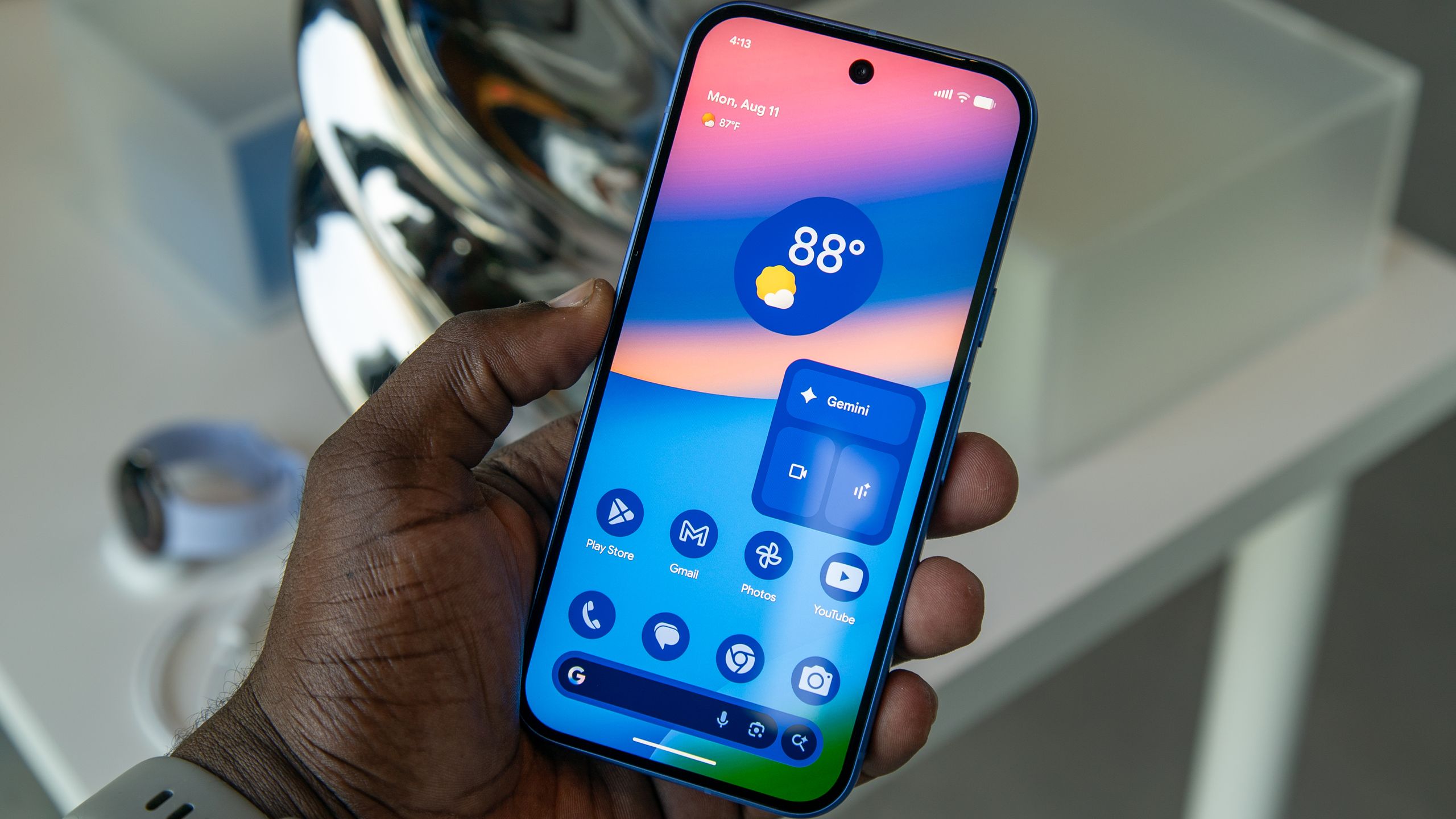
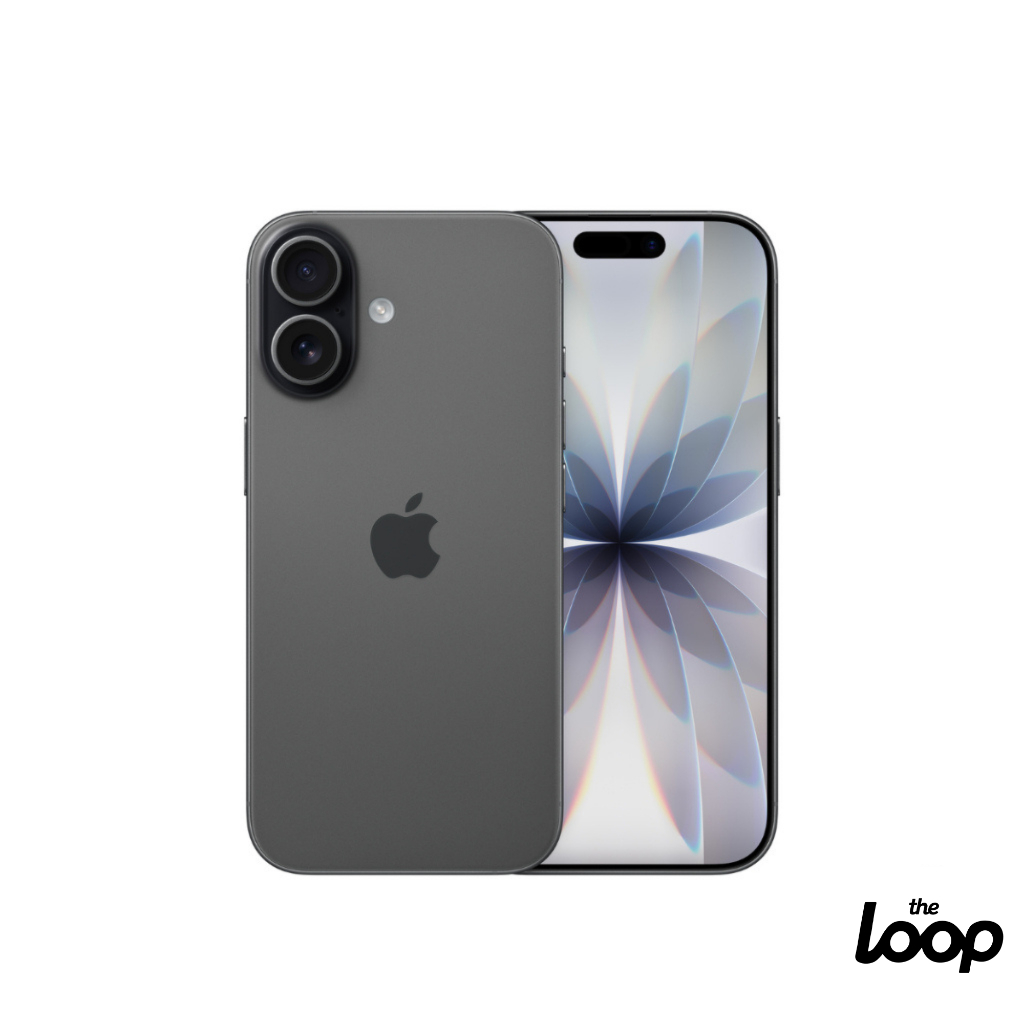
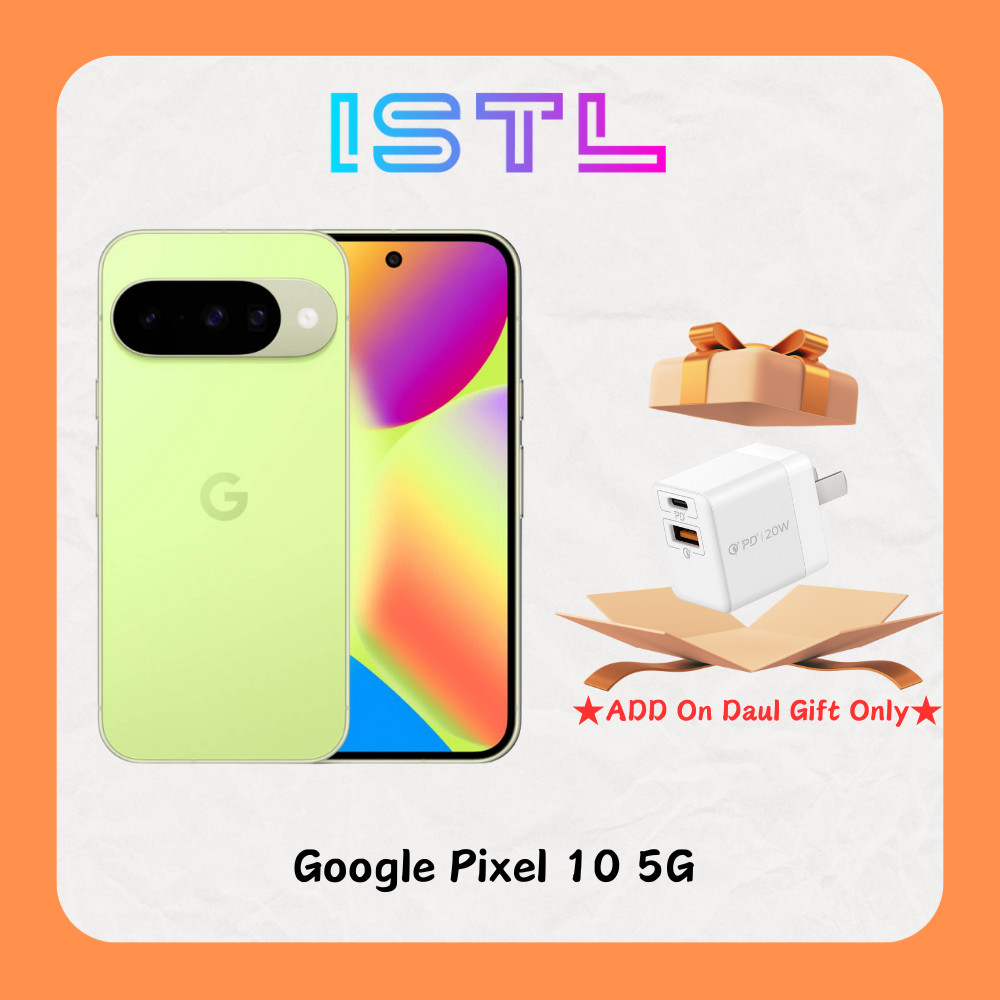
Google’s new Pixel 11 pricing strategy is a shift from budget-friendly flagship phone value toward a higher entry price that trades affordability for more storage and premium hardware. Instead of loudly announcing a price hike, Google is reshaping the “price of admission” into its ecosystem by restructuring storage tiers. Deleted retail listings show the base Pixel 11 starting at USD 899 (approx. ₱50,300) for 256GB, while the iPhone 17 is expected to start at USD 799 (approx. ₱44,700) for its base model. Last year’s Pixel 10 opened at USD 799 (approx. ₱44,700) for 128GB, with the 256GB version at USD 899 (approx. ₱50,300). On paper, the 256GB tier has not risen, but the cheaper 128GB option has been removed entirely, making 256GB the new base configuration. For value-conscious buyers, the practical result is simple: the Pixel line is no longer a sub-USD 800 (approx. ₱44,700) gateway to flagship Google hardware.

Why losing the 128GB tier hands the value spotlight to iPhone 17
The quiet elimination of the 128GB model is not a minor bookkeeping tweak; it flips the script on Google smartphone pricing. By removing the lower tier, Google has effectively raised the entry cost to the Pixel family by USD 100 (approx. ₱5,600) compared with last year’s Pixel 10 base. That change matters more than any spec sheet bragging rights. An Apple phone being cheaper at launch than a standard Pixel—USD 799 (approx. ₱44,700) for the iPhone 17 versus USD 899 (approx. ₱50,300) for the Pixel 11—is described as “a collector’s item”. In the value segment, that is a marketing disaster. For years, the Pixel’s pitch was simple: nearly top-tier experience at a noticeably lower price. Now, a buyer comparing mainstream flagships will see the Pixel as the more expensive choice, which undercuts its old “smart alternative” appeal and pushes price-sensitive shoppers to look elsewhere.
Premium hardware and playful design: strong upgrades, wrong audience?
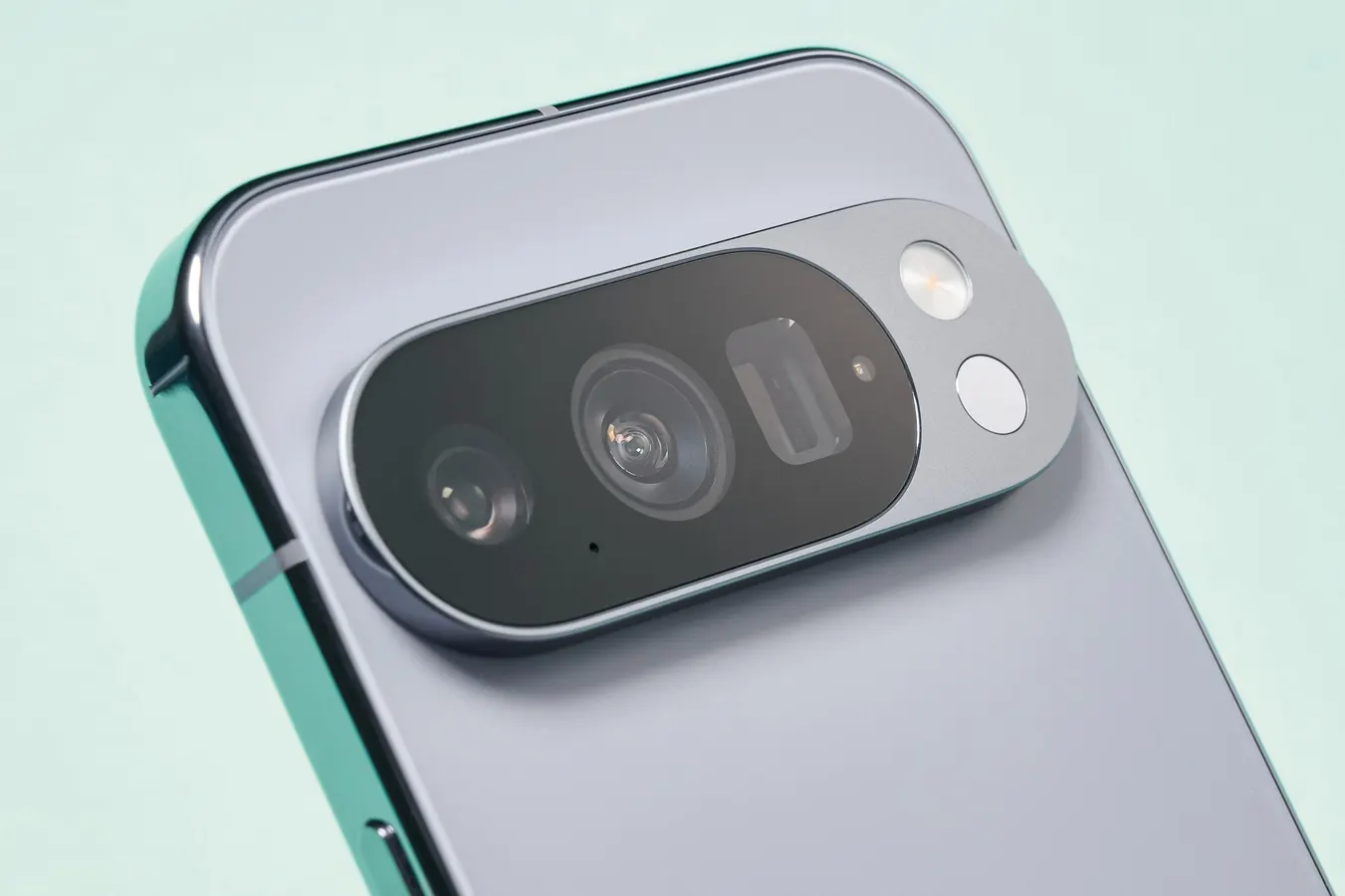
To be fair, Google is not charging more for nothing. The Pixel 11 is expected to debut a Tensor G6 chip built on TSMC’s 2nm process, promising big gains in battery efficiency and heat management over past Tensor generations. That is genuine flagship phone value on the silicon front. Google is also leaning into personality with “Pixel Glow,” a customizable RGB ring around the camera bar that responds to AI activity and notifications. On top of that, Google’s computational photography remains among the best, while AI tools like Call Screen, Magic Editor, and Gemini Live stay central to the experience. The problem is not whether the hardware and software justify a premium; they likely do. The problem is that the buyers who most appreciate these flourishes are already willing to pay high prices, while the ones who loved Pixels for being affordable now find themselves priced out.
Google’s new bet: AI agents and long-term discounts over day-one affordability
Google seems ready to abandon the idea that price alone will win converts. Instead, it is doubling down on AI as its main selling point. The Pixel 11 will lean heavily on Gemini Intelligence, an agentic AI system able to handle multi-step tasks like managing reservations, calendars, and purchases across apps with minimal user input. As one analysis notes, if Google cannot win on price anymore, the pitch shifts to what the phone can do that rivals cannot. This aligns with the company’s own philosophy that “the point in Pixel is always in the software,” especially for those who want to be on the front line of mobile AI. At the same time, Google’s history of aggressively discounting Pixels—such as the Pixel 10 Pro dropping to USD 699 (approx. ₱39,100)—suggests that early adopters will pay the new premium, while deal hunters may wait a few months for inevitable sales.
What the pricing shift means for value-conscious buyers
For buyers who care most about value, the Pixel 11 move is a clear warning sign. The elimination of a sub-USD 800 (approx. ₱44,700) entry model is already raising concern about whether this will slow Pixel’s market-share growth. Consumers who rely on cloud storage and mainly want a capable, reasonably priced phone lose that lower-cost option. Meanwhile, the iPhone 17 now looks like the more attainable mainstream flagship on day one, and anyone shopping around USD 900 (approx. ₱50,300) will compare the Pixel directly with top-tier rivals rather than see it as a bargain upgrade. The Pixel 11 family will be unveiled at a Made by Google event on August 12, with pre-orders expected the same day and deliveries around August 20. When those orders open, value-conscious buyers face a harder choice: pay more to stay in Google’s world, or rethink where “smart value” really lives in the smartphone market.
![[New Arrival] Google Pixel 10 Pro 5G Dual Sim Smart Phone | Shopee Philippines](https://img.milik.ai/product/2026/07/19/e40894e6-158f-4642-978a-de6adfb131c3.jpg)