
Google Images stops being a grid and becomes a feed
Google Images’ latest visual search update turns the familiar static grid of picture results into a personalized image feed and an AI art generation canvas, so users can both discover and create visuals directly inside search without jumping between multiple tools or websites.
To mark the 25th anniversary of Google Images, Google is rolling out its biggest visual search refresh in years, combining a redesigned homepage with built-in AI image generation inside Search. The new Google Images homepage is no longer a bland list of blue links and thumbnails; Google calls it a “brand new browseable home,” a dynamic gallery that updates in real time based on what you care about. This is a clear shift from “type a query, get a page of results” toward an always-on discovery surface that behaves more like a social feed than a search engine. For users, that means Google Images AI search is no longer a tool you visit occasionally but a place that can keep suggesting what to look at next.
From keyword results to a personalized image feed
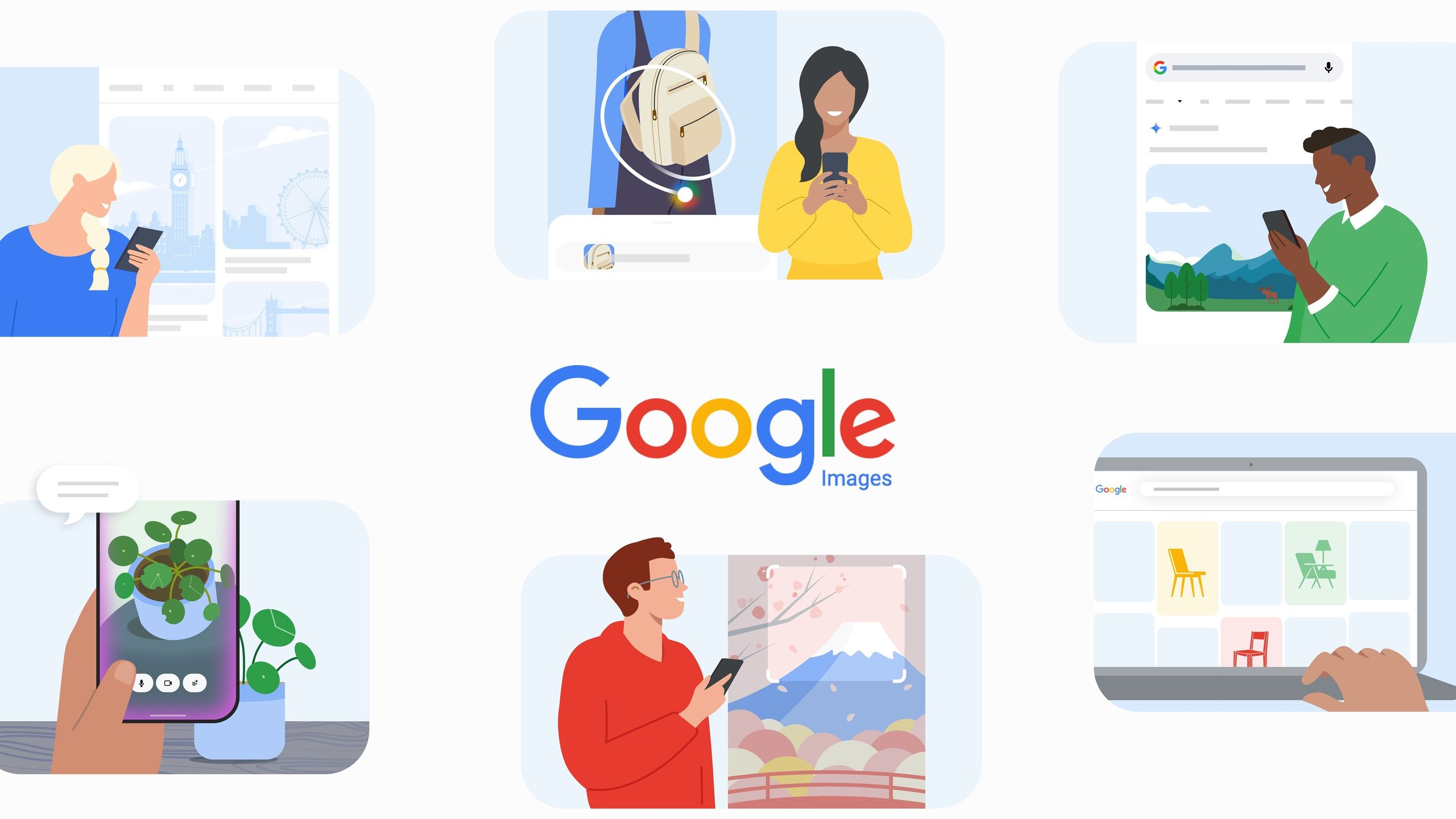
The core of this update is personalization. The new homepage is “personalized and dynamic, serving up a real-time image gallery tailored to your interests and Collections.” Instead of starting from a blank search box, you land on a scrolling wall of visuals tuned to your past searches, clicks, and saves. Tabs such as “Saves” and “For You” sit above the gallery, and any topic you save into a named Collection becomes a quick-access lane you can jump back into later. In practice, that turns Google Images into an ongoing mood board: research a destination once, and travel photos keep resurfacing; explore home office ideas, and inspiration appears the next time you open the page. It’s a more opinionated, more addictive version of visual search, where Google decides which images deserve your attention first.
For everyday users, this personalized image feed cuts out repetitive work. You no longer have to retype the same query for “city apartment balcony ideas” or “running shoe colorways” every week. Instead, your feeds quietly evolve alongside your interests, which makes visual discovery faster—but also means Google is curating your taste as much as reflecting it.
AI art generation inside search results changes the workflow
The second pillar of the overhaul is AI art generation wired directly into AI Overviews. Google is “bringing image generation directly into AI Overviews,” using its new Nano Banana model to create original images from text prompts. If you “have a highly specific vision where an image doesn’t yet exist,” you can tell the AI to “create a visual” or “help me visualize” and get “high-quality, custom visuals” at the top of your results. Rather than hunting for a stock photo that almost fits, you describe what you want and Nano Banana generates it from scratch. Underneath those AI creations, Google still shows regular Google Images results with real-world examples that match your prompt, so the generative output sits alongside, not instead of, the web.
This matters because it collapses a multi-step workflow. Where a designer, teacher, or casual user might bounce between Google Images, a separate AI art app, and file downloads, AI art generation now happens inside the same Google Images AI search surface. That speeds up mockups, mood boards, and quick explainer visuals—and quietly pushes users deeper into Google’s own tools instead of third-party generators.
Why this visual search update matters in Google’s bigger AI push
On paper, this is a birthday celebration: Google says it is marking 25 years of Google Images with a complete redesign and new AI features. In reality, the timing shows how central images have become to Google’s broader AI strategy. Image search started in 2001 to help people see the things they were reading about, and over the years features like Similar Images, Lens, and multi-search pushed Google toward more visual, multimodal queries. Now the company is extending “its AI ambitions” by wiring Nano Banana image generation into AI Overviews, the same layer that already summarizes text results. Visual search is no longer separate from AI search; they’re converging into one interface where text, pictures, and machine-generated content all share the same canvas.
That convergence has trade-offs. The personalized image feed and AI art tools save time and spark ideas, but they also deepen lock-in to Google’s ecosystem and increase reliance on algorithmic curation. The more you plan trips, projects, and creative work inside this visual search update, the harder it becomes to imagine web search as a neutral index instead of an opinionated, AI-edited feed.
What you can do now—and what’s coming next
These changes are not hypothetical. Google says this redesigned, dynamic gallery experience “will begin rolling out to US desktop users in English” over the next few weeks and “will require you to be signed in to a Google account to use.” At the same time, AI Overviews will “gradually roll out image generation in English in those regions where AI Mode already supports it.” In practical terms, that means you can start treating Google Images as both a personalized image feed and a quick AI sketchpad long before every market gets access.
Once it reaches you, the smart move is to experiment with real tasks: build a Collection for an upcoming trip, storyboard a presentation with AI art generation, or plan a room makeover using your personalized image feed as an evolving mood board. If this update represents Google Images’ biggest refresh in years, the users who benefit most will be the ones who stop treating images as static search results and start treating them as a living workspace for ideas.