
Opera’s Breakout Moment: Regulation Meets User Choice
Opera browser growth on mobile is the rapid expansion of Opera’s Android and iOS user base as people move away from preinstalled defaults toward feature-rich browser alternatives that are easier to discover and choose under new regulatory rules affecting how apps are presented and selected on smartphones.
Opera’s latest numbers are not a rounding error; they are a warning shot at default dominance. The company says combined monthly active users on its Android and iOS browsers in the second quarter grew 66% in the UK and 40% in the US year over year. In markets long thought to be locked up by a single Chrome competitor, that is explosive. This is happening because users are increasingly willing to abandon the preinstalled choice when they are shown real options and given strong reasons to switch. Mobile browser alternatives are no longer a niche curiosity; they are a mainstream decision.

The Digital Markets Act Didn’t Just Nudge; It Opened the Door
The EU’s Digital Markets Act impact is not theoretical policy talk; it is visible in Opera’s graphs. Mobile growth accelerated after the Digital Markets Act introduced a ballot screen that gives iOS users a real choice of mobile browser for the first time and makes alternative browsers more visible on Android. When people are finally asked which browser they want, many are discovering that the default is not the best fit.
Opera One for iOS grew 42% across Europe over the last year, with France up 103%, while in the US Opera One for iOS grew 50% and Android 30%. That is not a small regulatory ripple; it is a reshaping of how users discover and adopt alternative browsers. DMA regulations are doing the one thing big platforms never had an incentive to do: put Chrome competitors on equal footing at the moment of choice.
Why Users Are Staying: Features Chrome Doesn’t Hand You
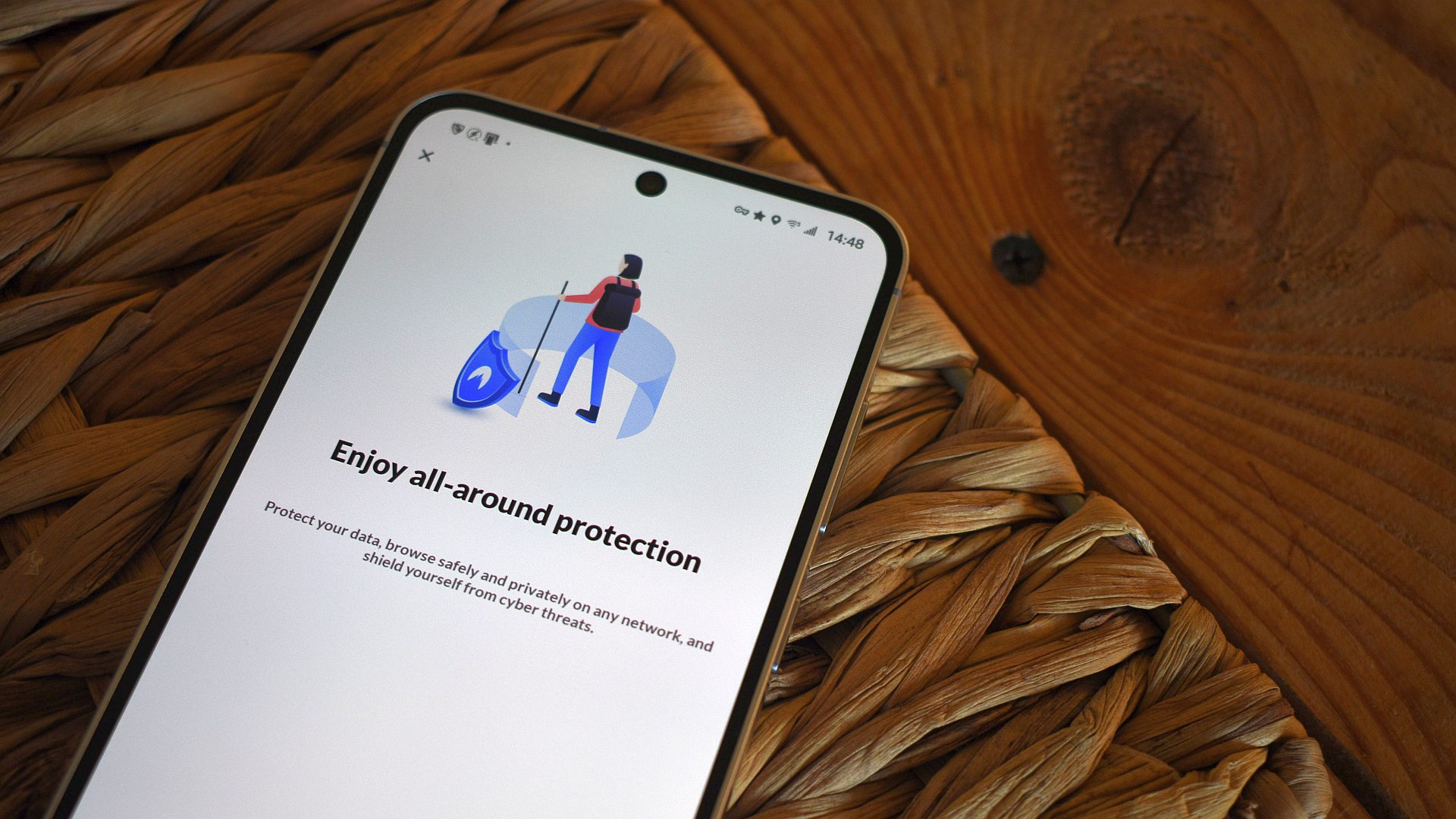
Policy can open the door, but product keeps people inside. Opera openly admits that regulation helps with discovery yet insists that growth and retention “comes from people purposefully choosing us.” The reason is simple: Opera offers features Chrome does not provide out of the box, including a no-log, free, unlimited VPN with no subscription or data cap, a native ad blocker, and a built-in browser AI.
For ordinary users, this is practical, not theoretical. The VPN means private browsing without paying or wrestling with another app. The ad blocker cuts load times and removes clutter. Updated sync on iOS lets people move tabs, bookmarks, and passwords between desktop and phone, while new media controls and multimodal AI prompts reduce the friction of everyday browsing. In other words, Opera is treating the browser as a power tool, not a thin shell for search and ads—and users are responding.
A Broader Shift in Mobile Browser Preferences
The combined Android and iOS growth is the real story. When Opera reports that its mobile monthly active users grew 66% in the UK and 40% in the US year over year, it signals a broader shift in mobile browser preferences in mature markets that were assumed to be settled. People are actively choosing a Chrome competitor even where Chrome comes preinstalled on almost every Android phone.
Opera’s momentum is not confined to one region; the company says its European growth following the DMA is still playing out, and that more users are seeking Android and iOS browser alternatives. At the same time, the firm continues to refine its products—like redesigned start pages and dedicated content hubs on Android—to deepen engagement. The message is clear: once you disrupt the default advantage and give people compelling features, they will experiment, and many will not go back.
The New Default: Choice, Not Preinstallation
Opera’s surge should change how we think about the mobile browser market. The idea that preinstallation guarantees loyalty is collapsing under the weight of hard numbers. Opera’s mobile growth across key markets shows that when ballot screens present real options and products deliver tangible value—AI tools, privacy, speed—users are willing to ditch the default.
This is not the end of Chrome’s dominance, but it is the start of a multi-browser reality where regulation and design combine to weaken monopolistic habits. DMA regulations are reshaping how users discover and adopt alternative browsers, and Opera is proof that a mid-sized player can turn that opening into sustained adoption. The next phase will test whether Opera can convert this wave of interest into long-term ecosystems and revenue, but the behavioral shift is already here: the new default is choice.