
The First $2,000+ Foldable: What That Price Really Signals
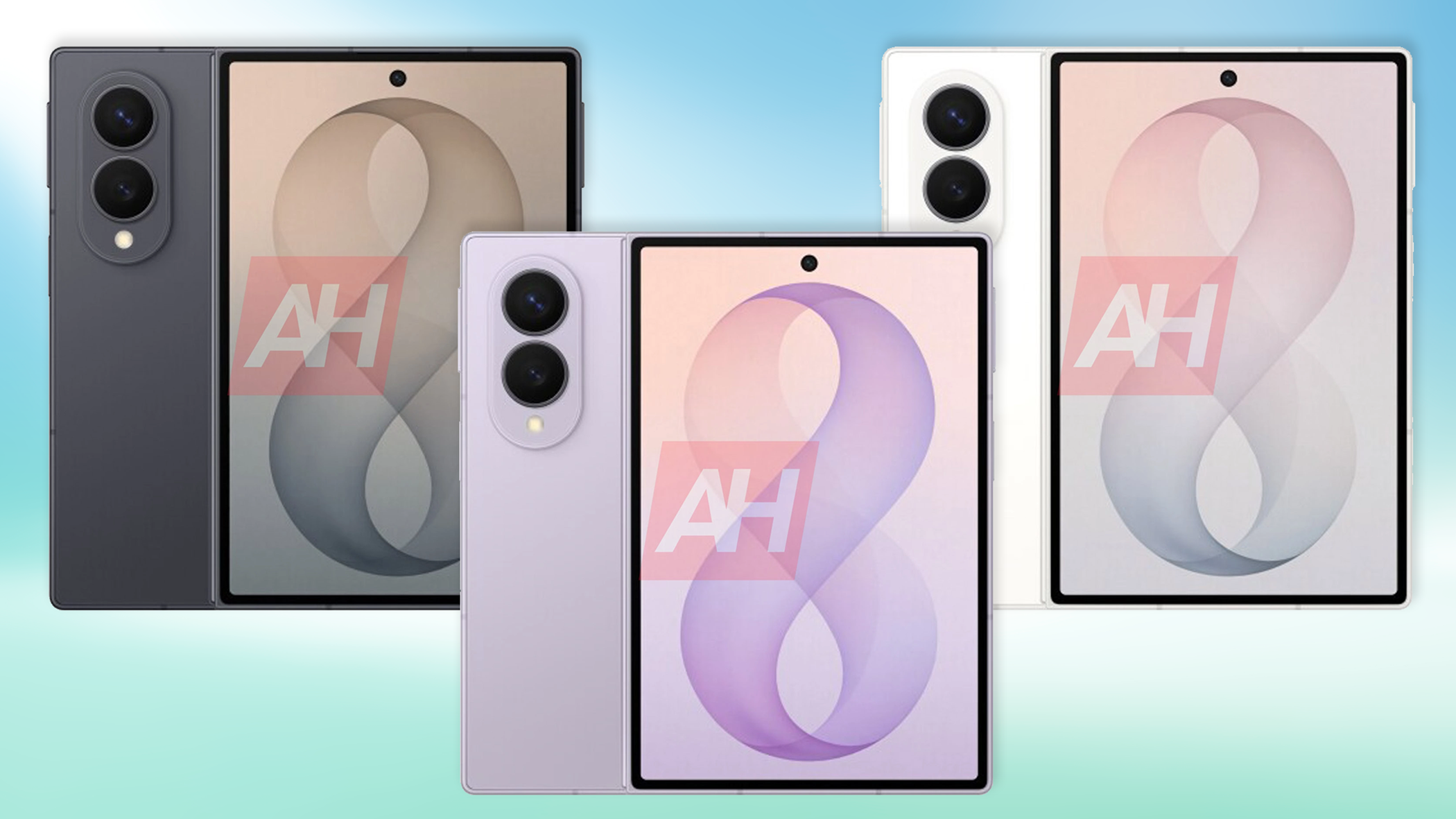
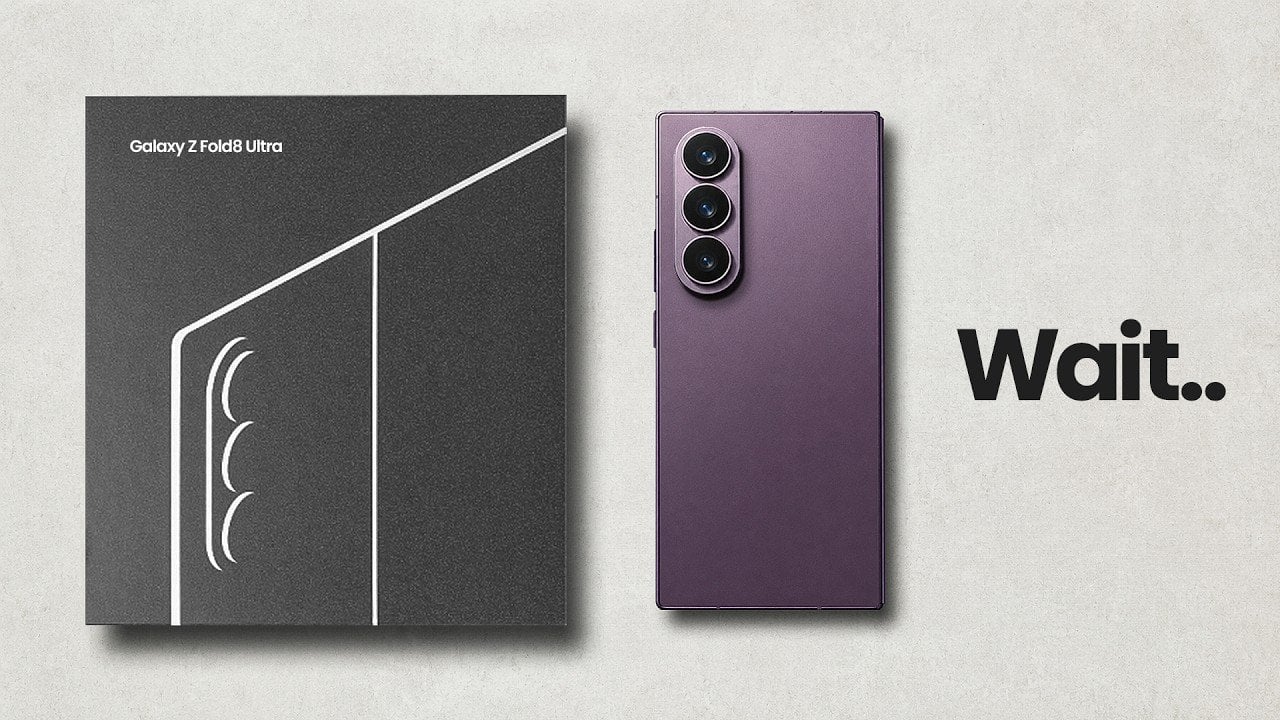
The Galaxy Z Fold 8 Ultra is a next-generation foldable phone positioned in the ultra-premium segment, with an expected starting price above USD 2,000 (approx. ₱112,000) that makes it the first foldable smartphone to cross the 3 million won and USD 2,000 thresholds while promising cutting‑edge display, camera, and performance features for power users. This is not a niche experiment anymore; it is Samsung’s declaration that foldables belong at the very top of the premium smartphone cost ladder. The leaked Galaxy Z Fold 8 Ultra price of USD 2,099 (approx. ₱117,500) for 256GB shows a deliberate push into territory once reserved for laptops, not phones. The question is no longer whether foldables can compete—technically, they can—but whether foldable phone pricing has slipped into a bubble that only a thin slice of buyers can sustain.

Specs Arms Race: Does the Z Fold 8 Ultra Earn Its Price?
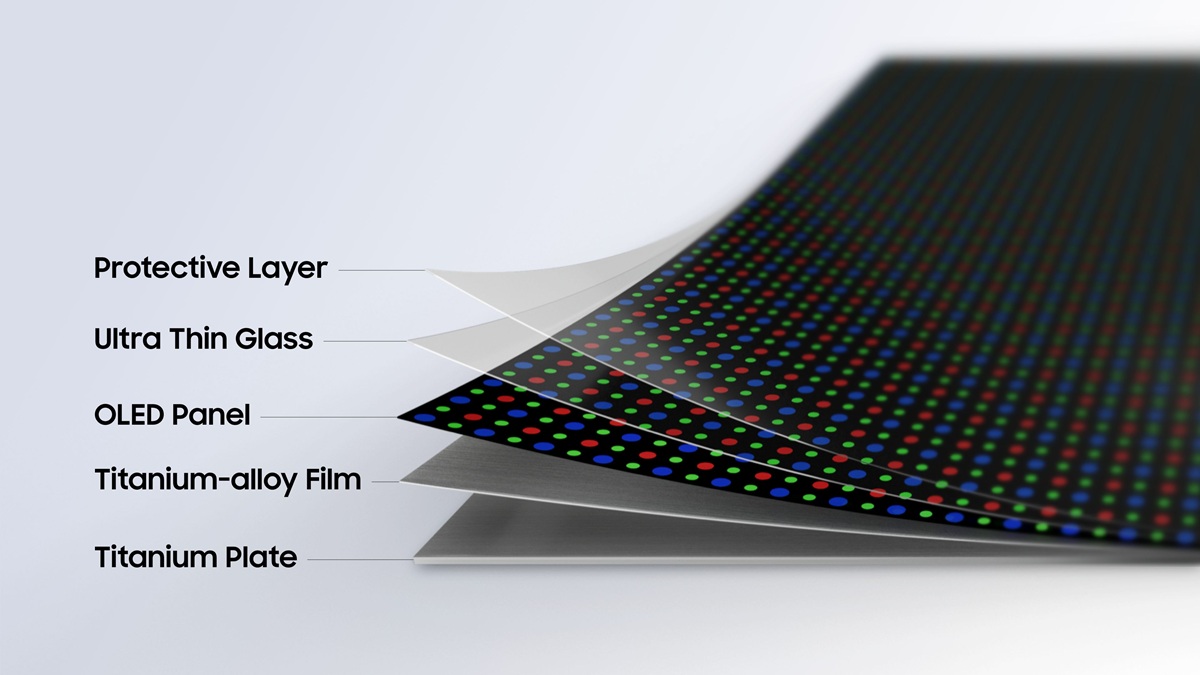
On paper, the Z Fold 8 specs value looks strong. The main display reaches a peak brightness of 3,600 nits, backed by anti‑reflective tech, higher pixel density, and an almost invisible crease, a combination that sets a new benchmark for foldable screens and direct‑sunlight usability. The camera system follows the same maximalist playbook: a 200‑megapixel main sensor with a wider aperture and APV lossless video recording aimed at content creators, plus a 50‑megapixel ultra‑wide camera for richer detail. Under the hood, a Snapdragon 8 Elite Gen 5 chip, vapor‑chamber cooling, and a 5,000 mAh battery with faster wired and wireless charging turn the Z Fold 8 Ultra into a capable productivity and entertainment machine. These are the kind of specs that can put standard slab flagships to shame—but only if you actually use, and need, all that power.
AI Boom, Memory Costs, and Record-High Foldable Phone Pricing
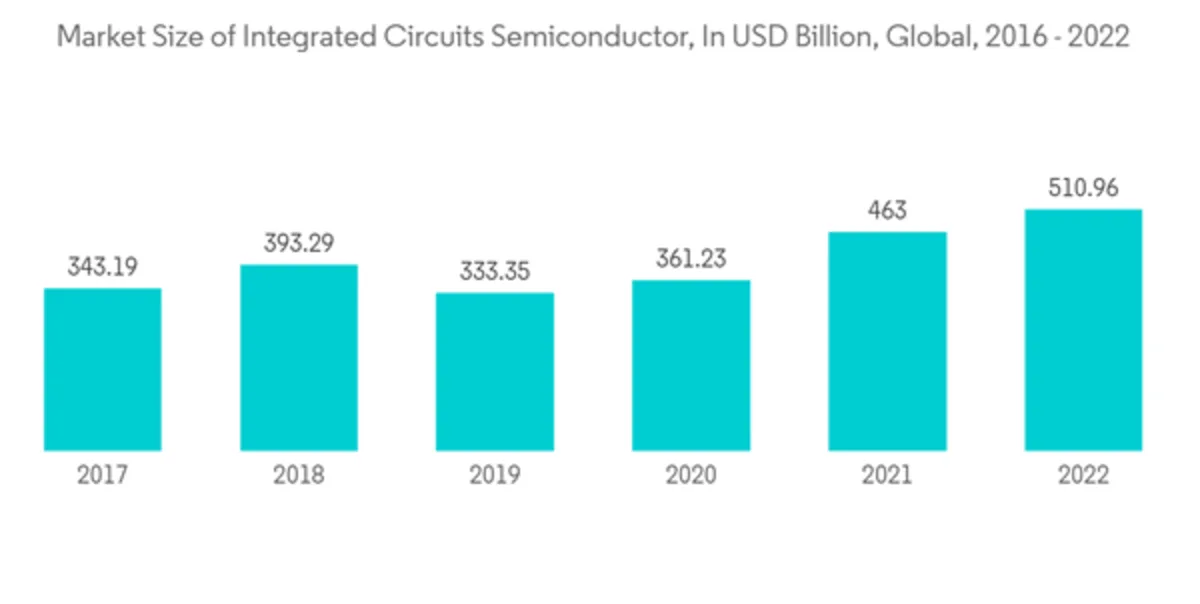
Samsung’s steep foldable phone pricing is not happening in a vacuum. The company’s next foldables are projected to breach the 3 million won mark for the first time, with the base Z Fold 8 Ultra at USD 2,099 (approx. ₱117,500) and higher‑capacity models climbing even further. According to Counterpoint Research, memory’s share of total smartphone manufacturing cost nearly tripled from 14% to 40%, while DRAM and NAND costs for the same model have jumped about 4.6 times, from USD 63 (approx. ₱3,500) to USD 291 (approx. ₱16,300) in a single year. That spike is driven by the AI boom, as high‑bandwidth memory for AI servers squeezes supply for mobile DRAM and flash. In other words, the pricing shock is partly structural: premium smartphone cost can no longer hide behind cheap memory. Yet component inflation explains the bill; it does not automatically prove the phone is worth paying it.
Ultra-Premium Positioning vs Everyday Value
The Z Fold 8 Ultra is clearly built to sit above standard flagships, but the value story gets messy once you compare what you pay to what you live with. Despite its ultra-premium label and price exceeding USD 2,000 (approx. ₱112,000), it skips features that some buyers would expect at this level, including S Pen support and more advanced water resistance, and the aging 10‑megapixel 3x telephoto sensor carries over from older models. These limitations may deter users seeking a truly no‑compromise device, especially given its high price point. Meanwhile, traditional non‑folding flagships deliver strong cameras and bright screens at significantly lower prices. The gap between what the Fold 8 Ultra promises and what it omits feeds the sense that the price is driven as much by branding and form factor as by everyday utility—and that only a subset of power users will feel they get full value.
What Happens When $2,000 Phones Become Normal?
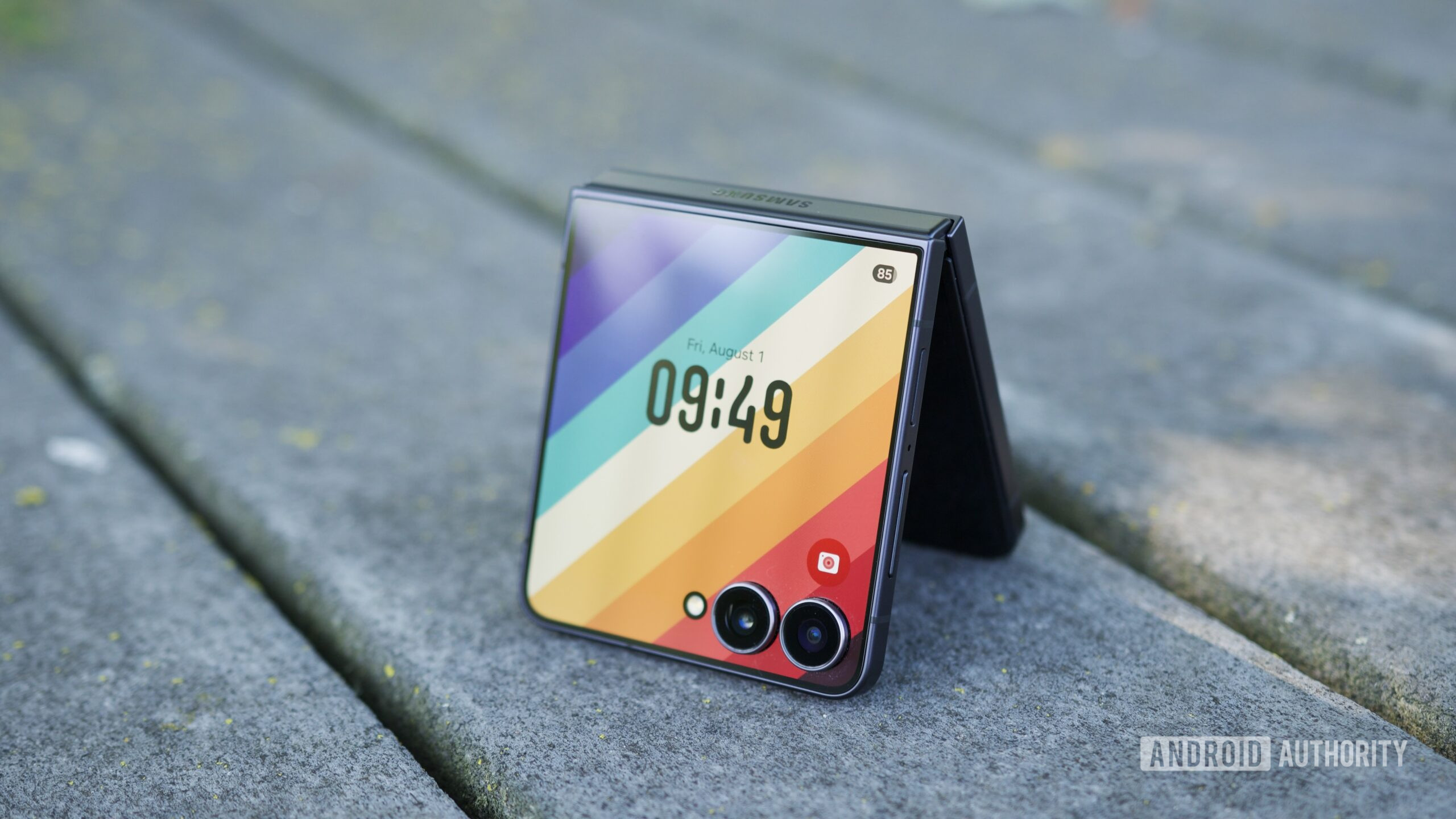
Samsung plans to ship 5 to 6 million units across its three new foldable lines—Z Fold 8, WideFold, and Z Flip 8—showing that this price tier is meant to be a volume business, not a boutique experiment. At the same time, even industry voices ask whether these phones will “deliver value commensurate with the higher price,” warning that performance gains that fall short of expectations could freeze consumer sentiment. If buyers conclude that a USD 2,099 (approx. ₱117,500) Galaxy Z Fold 8 Ultra is more status symbol than practical tool, the entire ultra‑premium foldable segment risks a correction. Right now, the device looks like a triumph of engineering and a gamble in pricing. Until foldables deliver clear, daily advantages over top slab phones at less extreme prices, the Fold 8 Ultra feels less like the future of phones and more like a stress test of how far the market will bend before it breaks.