
Physical vs. Digital: A Price Gap Baked Into the System
The debate over physical game discs versus digital downloads is about more than convenience; it is a structural game media cost comparison where physical copies routinely undercut digital prices by wide margins because retailers compete, discount old stock, and enable second-hand sales while digital storefronts keep tighter control over pricing and promotions.
If you care about how much you pay to play, the pattern is blunt: physical game discs are cheaper. A pricing analysis of 16 PlayStation 5 titles found that on any given day, retail copies were statistically more likely to be cheaper than the same games on the platform’s digital store, which was almost always more expensive. Documented examples show physical discs routinely undercut digital by 40–75%, with extreme cases approaching 90% savings. In one recent sale, the PS5 game Lost Soul Aside was offered on disc for USD 9.99 (approx. ₱560) while its digital sale price sat at USD 39.59 (approx. ₱2,220)—four times more for the same game. That is not bad luck; it is how the current system works.
How Retail Competition Keeps Physical Game Discs Cheaper
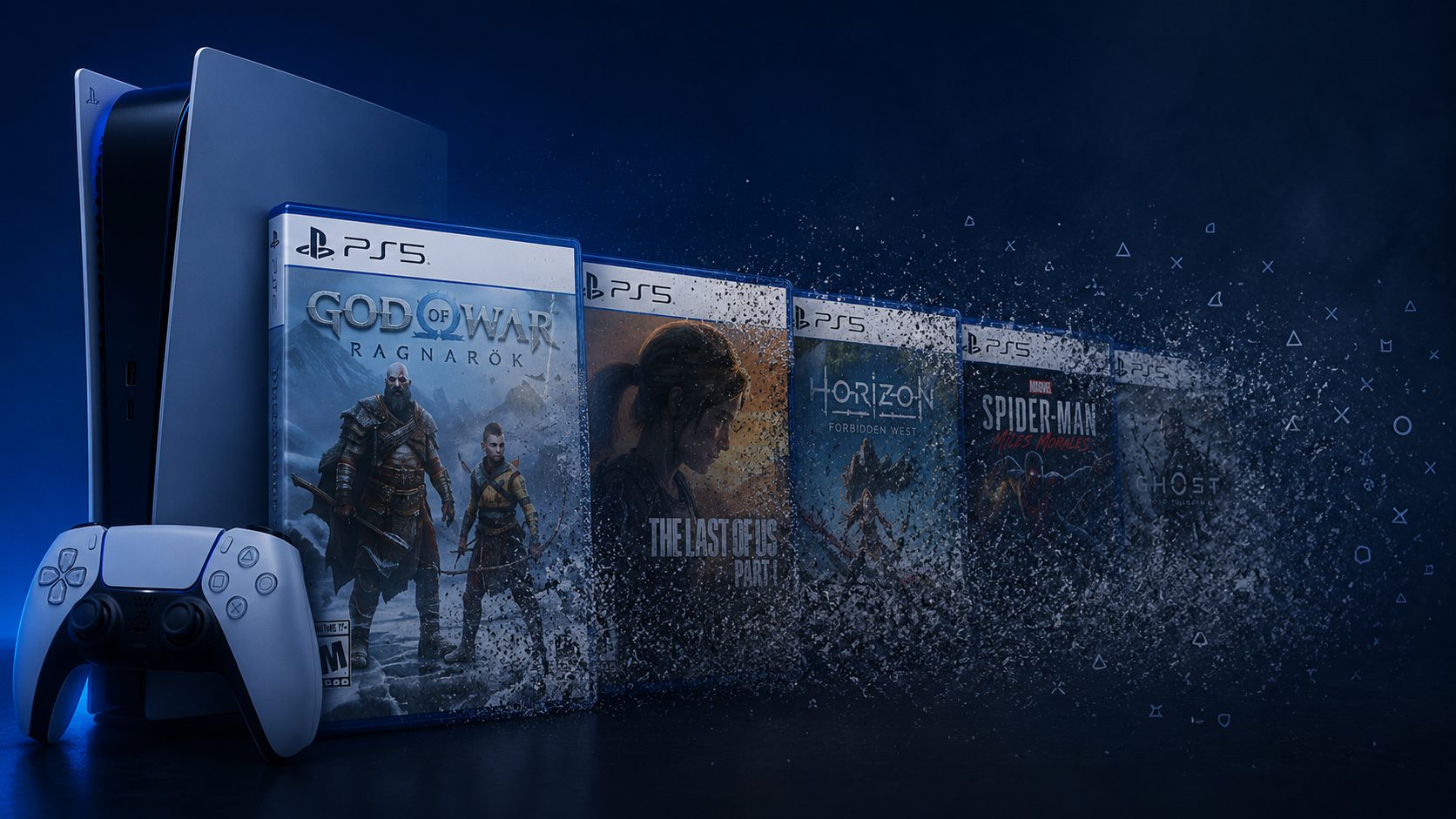
Physical game discs are cheaper because retailers are locked in a constant price war. They fight for limited shelf space, and unsold inventory costs money, so prices drop permanently over time. Multiple stores compete with each other, which leads to aggressive discounting and frequent undercutting on new and older titles alike. This dynamic turns game boxes into a kind of loss leader: a way to lure you into the store, where you might also buy hardware, accessories, or other products.
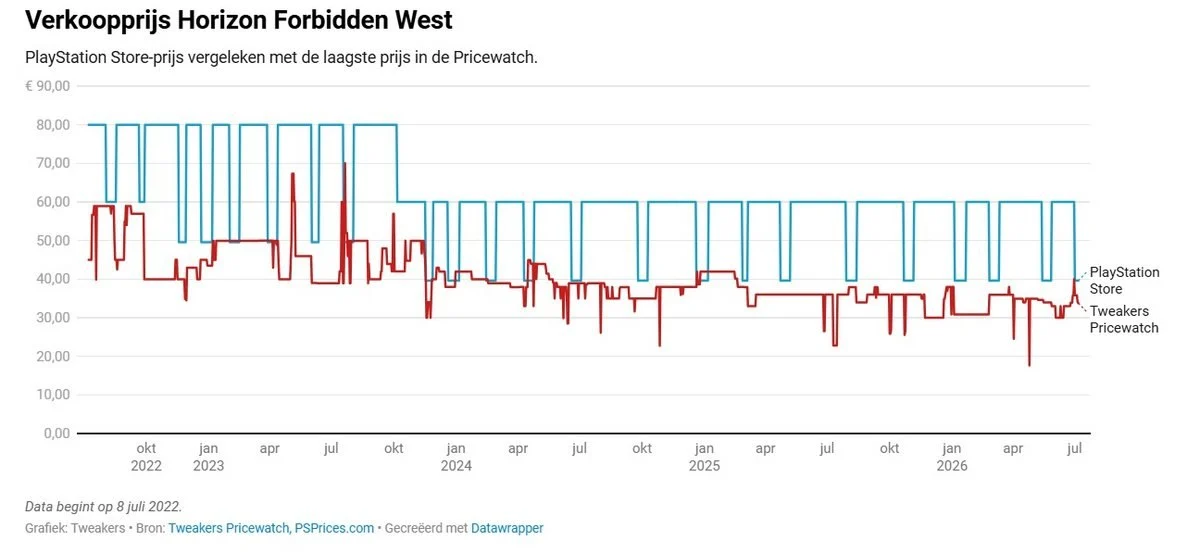
Digital storefronts work very differently. The platform holder runs a walled garden more like a mobile app store, with zero direct competition inside that ecosystem. According to one pricing report, “PlayStation will be consolidating more power in the price of games with the likely reduction in retail availability of games.” Sony and publishers set digital prices and mainly adjust them during scheduled sales. Without rival stores on the same console driving prices down, there is no need to permanently cut digital prices, and the data shows many first-party titles simply bounce back to their original launch price whenever they are not on sale, regardless of age.
Sony’s 2028 Digital-Only Shift: Why It Raises Your Long-Term Costs
Starting in January 2028, Sony will release all new PlayStation games as digital-only, making the cheaper disc option a relic. This change is more than a format swap; it removes a vital pricing pressure point that has kept digital prices somewhat in check. Once physical game media disappears, the platform’s own store will effectively control the price of every new release.
The numbers reveal what that means. Physical discs commonly come in 40–75% below digital prices, with some comparisons approaching 90% savings. Examples stack up: Metal Gear Solid Delta: Snake Eater around USD 25 (approx. ₱1,400) on disc versus USD 42 (approx. ₱2,360) digitally, a roughly 40–45% premium for the download; NBA 2K24 at USD 29.99 (approx. ₱1,680) on a shelf versus USD 79.99 (approx. ₱4,480) on the digital store, where the download costs 167% more. When that cheaper physical channel shuts off, the average price you pay over a console generation will rise, even if headline launch prices do not change overnight.
The Hidden Loss: Second-Hand Games and Everyday Budgets
There is another budget tool disappearing with discs: the used-game market. Physical copies can be traded, sold, and bought second-hand for steep discounts that digital licenses cannot match. A report on pricing warns that ending physical discs will completely remove that market. If you have ever stacked trade-ins to afford a new release, that math dies the moment everything goes digital-only.
Without physical or second-hand options, anyone forced to buy from a first-party store will, on average, pay more than if they had retail and used markets available. Price-tracking tools can help you wait for digital sales, but that shifts the burden onto you: you must time purchases and skip games until discounts land. A cheap USD 10 (approx. ₱560) disc requires no strategy. The players who still buy physical today tend to be the most price-sensitive—families, budget-focused gamers, and those with limited connectivity—yet they are the ones losing their best safety valve against digital game price increases.
What Players Should Do Before Discs Disappear
Sony frames the move to digital-only as a “natural evolution,” pointing to the growing share of full-game sales that already come from downloads. But evolution for the platform holder looks like higher long-term revenue; evolution for players looks like fewer ways to keep costs under control. With physical media on the way out, digital storefronts will consolidate pricing power, and history shows that does not lead to cheaper games.
The PS5 is almost certainly the last PlayStation where the disc drive can save you meaningful money on new releases—plan your library accordingly. If you prefer disc editions, the next few years are your window to build a collection under the current rules of PlayStation disc vs digital pricing. Stock up during deep physical sales, keep an eye on second-hand deals, and recognize that the era where physical game discs are cheaper is not an accident; it is competition at work. Once that competition fades, expect to pay more, play less, or wait longer.
![[PS5] Lost Soul Aside | Shopee Philippines](https://img.milik.ai/product/2026/07/20/733ec91b-4fb9-4188-8e9d-1fa2ee832c9b.jpg)
![PlayStation PS5 Metal Gear Solid Delta: Snake Eater Standard Edition [R3] | Shopee Philippines](https://img.milik.ai/product/2026/07/20/e4f92849-f19d-4371-8129-8499ff2cf43d.jpg)
![NBA 2K24 Kobe Bryant Edition Nintendo Switch Game [BRANDNEW] | Shopee Philippines](https://img.milik.ai/product/2026/07/20/40778dfe-0bc4-446b-8739-46fe8d128459.jpg)