
The Smartphone Slump: A 13-Year Low That Targets Your Wallet
The smartphone market decline 2026 refers to the sharp drop in global shipments to 277.5 million units in Q2, the weakest quarter since 2013, driven mainly by soaring memory costs, supply shortages, and strategic cuts to low-end phone production that are reshaping pricing and consumer options worldwide.
The headline number is brutal: global shipments Q2 2026 fell to 277.5 million units, a 6.7% year-over-year slide and the second straight quarterly downturn. Another major tracker calls it an 11% drop and confirms it is the lowest level since 2013. That’s not a routine dip; it is a smartphone industry contraction that exposes how fragile the budget phone market has become. Instead of spreading the pain evenly, the downturn hits cheaper devices hardest while premium brands tighten their grip. For anyone planning their next phone, the key takeaway is uncomfortable: the era of abundant, ultra-cheap smartphones is fading, and the market is nudging you up the price ladder whether you like it or not.
Memory Crisis and the Collapse of the Budget Phone Market
The current slump is not about people suddenly losing interest in phones; it is about the budget segment running into a wall. A severe memory chip supply crisis has pushed component costs sharply higher and limited availability, which in turn drags down total shipments. One research director notes that memory prices have surged nearly 300% compared with last year, and memory now makes up more than 65% of the bill of materials for many budget smartphones. When a single component dominates costs like that, low-end devices stop making economic sense for manufacturers.
This is why the budget phone market collapse feels so sudden. Memory shortages raised prices and weakened demand for cheaper models. Makers that depend on high-volume, sub-$200 phones are the ones under the most strain. As their margins vanish, they shift focus away from entry-level devices that used to carry the industry’s growth. For ordinary buyers, the practical impact is clear: fewer new budget models, more compromises on specs, and less aggressive discounting on the phones that remain.
Winners and Losers: Premium Brands Thrive as Volume Players Retreat
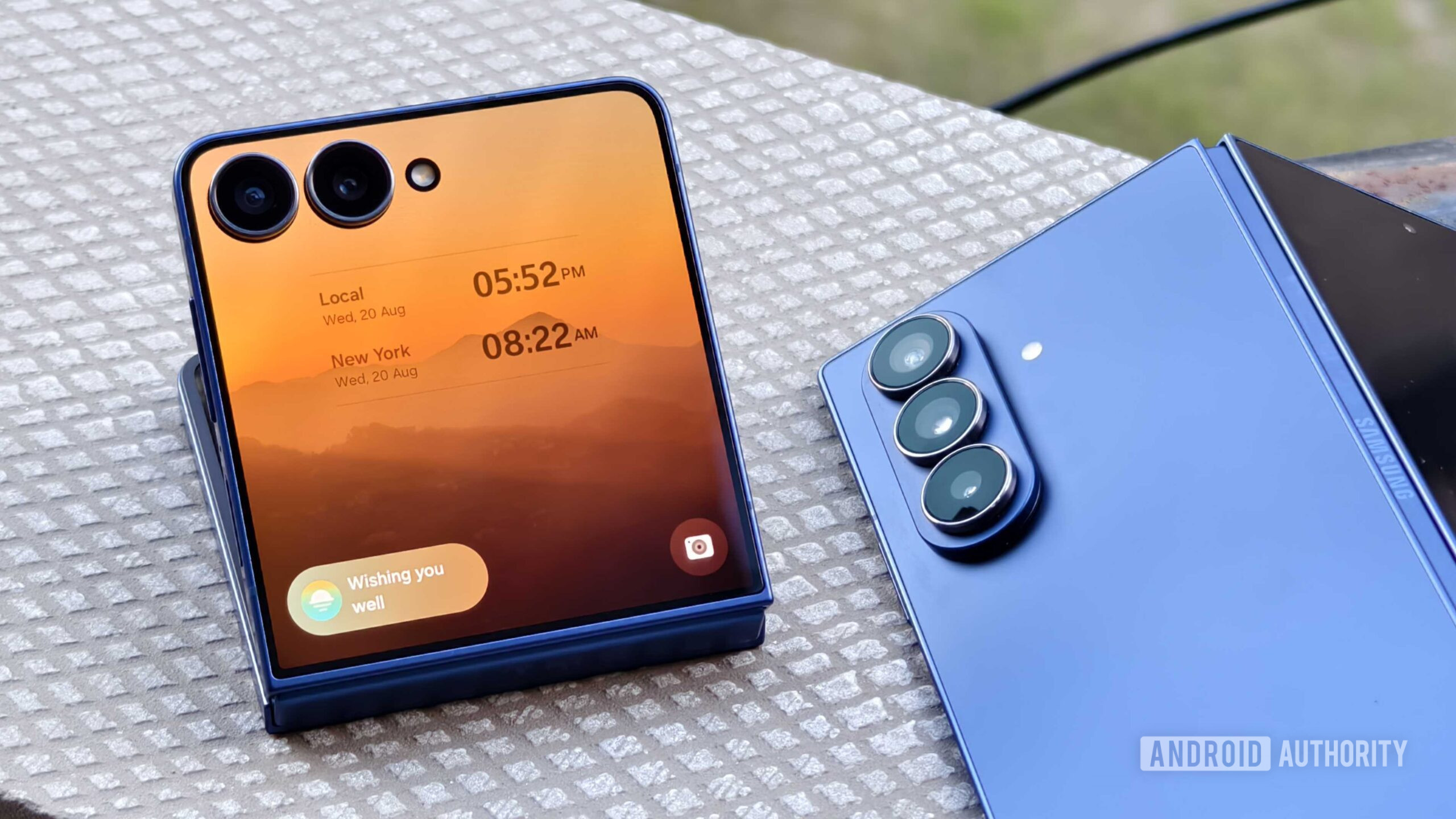
In this downturn, not everyone is suffering equally. Samsung and Apple have managed to grow their market share even as global shipments fall. Samsung now holds 24% of the market, up 4 percentage points year-over-year, while Apple sits at 20%, up 3 points. These companies benefit from early, secure memory supply deals and from the fact that memory is a smaller share of their overall costs, especially in premium phones. They can keep producing, keep pricing relatively stable, and collect customers who might otherwise have bought cheaper Android models.
Volume-focused brands are on the other side of the divide. Xiaomi posted the steepest shipment fall among major players, and analysts say this is intentional: the company is deliberately cutting low-end shipments to chase higher-margin devices instead. OPPO and vivo are sliding too, especially in the sub-$200 segment where volume is everything. Huawei is a notable exception, showing a 20.9% year-over-year increase by keeping prices steady, running targeted promotions, and covering more price tiers with its lineup. The pattern is clear: if you rely on cheap phones to compete, the current environment punishes you; if you lean on premium models, it rewards you.
What This Means for Your Next Phone Choice
The smartphone market decline 2026 is already reshaping everyday buying decisions. With memory-driven costs so high, manufacturers are pruning their lowest-priced offerings, which means consumers who depend on budget phones face fewer launches and more limited choice. Where you once had a crowded field of sub-$200 devices from multiple brands, you are more likely to find a thinner lineup and more subtle pressure to step up into mid-range or near-premium models. Memory shortages have already raised retail prices and cooled demand for the cheapest phones.
This shift has a double effect. First, it makes long replacement cycles more likely as price-sensitive buyers hold onto older devices rather than pay more for modest upgrades. Second, it strengthens the bargaining power of premium brands that can promote financing, trade-in programs, or modest price gaps to pull buyers higher up the ladder. Budget options will not disappear, but they will feel less like a default and more like a constrained niche, especially while memory remains expensive and scarce.
An Industry Under Pressure: Outlook for the Rest of the Year and Beyond
The uncomfortable truth is that the smartphone industry contraction is not over. One major research firm expects the market to stay under pressure throughout the rest of the year, with component constraints and higher retail prices continuing to weigh on shipments. Another report notes this situation is likely to extend beyond the current year based on previous trends, with flagship devices handling the crisis better than budget phones. In other words, the structural tilt toward more expensive devices is not a temporary quirk; it is becoming the default.
There is a distant glimmer of relief. Forecasts suggest a recovery might start around 2028–2029 as new upgrade cycles arrive and memory prices stabilize. Until then, buyers should expect a market where cheap phones are scarcer, premium brands are stronger, and the cost of waiting to upgrade is trading aging hardware for potentially better deals later. The key conclusion is straightforward: in the wake of a 13-year-low in shipments, the smartphone market is being rebuilt around profitability, not volume. Your next phone will be chosen in an industry that has decided fewer, more expensive devices are better business than chasing the bottom of the price ladder.