
Vitamin C vs. Retinol: The Short Answer
Vitamin C vs. retinol refers to comparing an antioxidant collagen-booster and a vitamin A–derived cell-turnover accelerator, two of the best anti-aging serums for brightening, firming, and fine lines treatment ingredients that tackle wrinkles through different biological pathways and work at different speeds on visible results.
If you want faster softening of fine lines with the strongest clinical backing, retinol wins; if you want brighter, more even, protected skin with fewer side effects, a vitamin C serum is often the better first step. In practice, many dermatologists prefer retinol at night and vitamin C in the morning rather than framing retinol vs vitamin C as an either–or choice. Your decision should hinge on skin sensitivity, how aggressive you want to be, and whether wrinkles, dark spots, or environmental damage bother you most.
| Spec | Vitamin C Serum | Retinol Serum |
|---|---|---|
| Primary action | Antioxidant protection, boosts collagen, brightens | Speeds cell turnover, boosts collagen, smooths texture |
| Typical use time | Morning, under sunscreen | Night, after cleanser and before moisturizer |
| Best for | Dullness, dark spots, early fine lines, pollution and UV defense | Fine lines, wrinkles, uneven texture, acne |
| Irritation risk | Moderate at high strengths; often well tolerated under 20% L-ascorbic acid | Higher; can cause dryness and peeling, especially at first |
| Result timeline | Radiance and tone can improve within weeks with consistent use | Smoother texture and reduced fine lines build gradually over months |
| Key supporting ingredients | Ferulic acid, vitamin E, hydrators like hyaluronic acid and squalane | Niacinamide, ceramides, soothing moisturizers |
Vitamin C Serum Benefits: Fast Radiance and Collagen Support
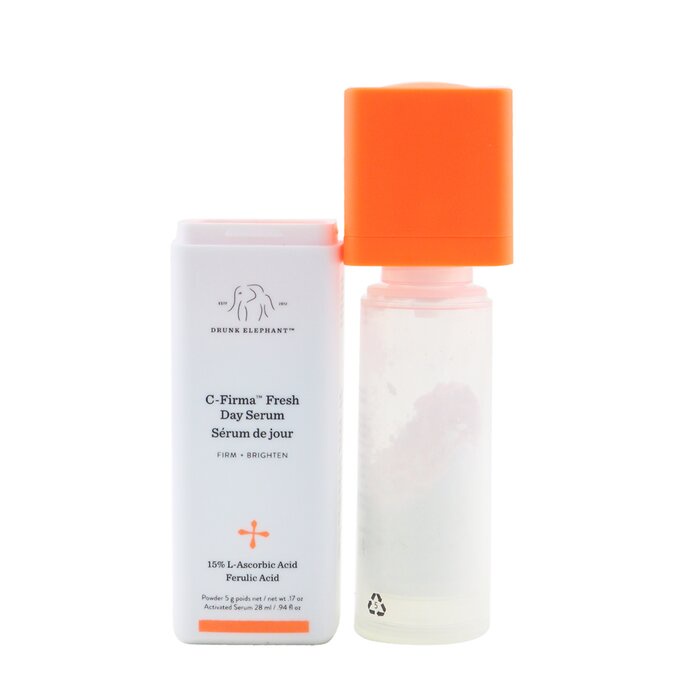
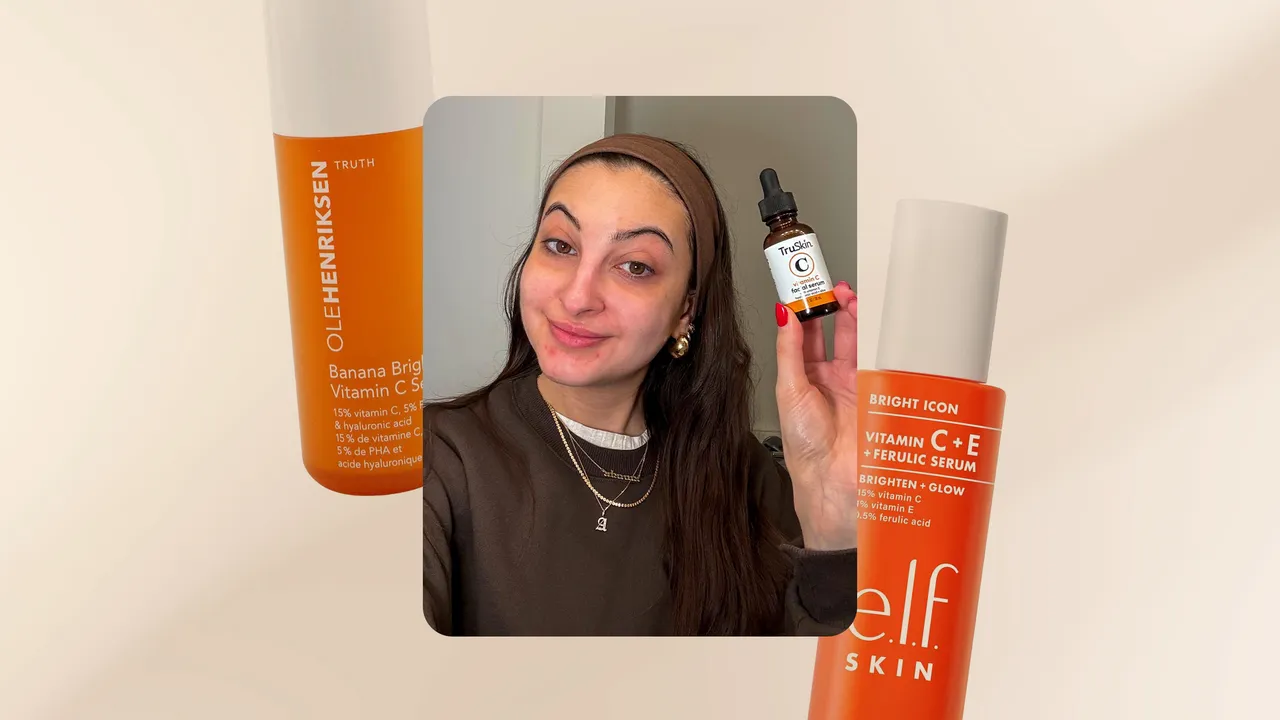
Vitamin C serums, including reformulated formulas like Drunk Elephant’s C-Firma, work as antioxidants that neutralize free radicals from UV light and pollution before they can trigger lasting skin damage. Board-certified dermatologists in Glamour explain that vitamin C also blocks a key enzyme in melanin production, so regular use can fade dark spots and create a more even, radiant tone over time. According to Glamour’s experts, research shows that vitamin C helps stimulate collagen production, which makes skin look firmer and reduces the appearance of fine lines and wrinkles.
For visible anti-aging benefits, dermatologists recommend vitamin C concentrations between 10% and 20% L-ascorbic acid; lower than 10% tends to be weak, and above 20% raises the risk of irritation. Supporting antioxidants like vitamin E and ferulic acid can amplify vitamin C’s stability and effectiveness, while hydrating add-ons such as hyaluronic acid or squalane offset potential dryness. Because vitamin C is unstable and can oxidize, look for dark, air-tight packaging and use it within three to six months of opening. For most people, a morning vitamin C serum under sunscreen offers the best combination of brightening, defense, and early fine lines treatment.
Retinol Serums: Proven Power for Fine Lines and Texture
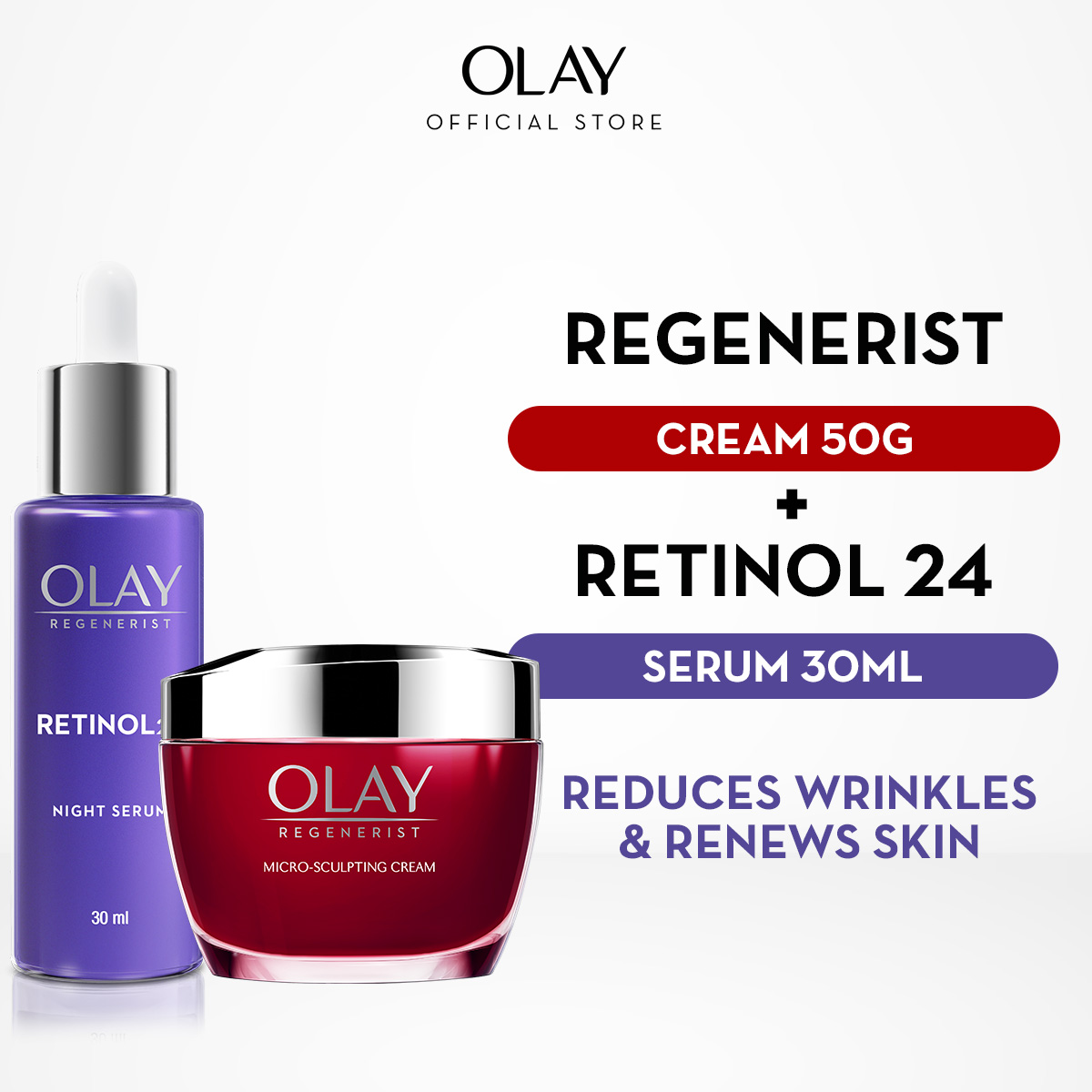
Retinol serums, including those highlighted by dermatologists and aestheticians in expert roundups and ranges like Olay Regenerist, center on vitamin A derivatives that accelerate cell turnover. A Cosmopolitan beauty editor notes that retinol speeds up how quickly your skin sheds and replaces cells, revealing brighter, smoother, clearer skin over time. This mechanism makes retinol a powerhouse for fine lines and wrinkles, uneven texture, and even acne, since increased turnover limits the dead-skin buildup that clogs pores.
Over-the-counter options can range from classic retinol to stronger true retinoids like adapalene, which dermatologist Karan Lal calls “the strongest OTC retinol” when referring to Differin Adapalene 0.1% gel. Retinal, discussed in Allure’s expert guide, sits one step closer to retinoic acid than retinol and often works faster on fine lines and pigmentation but with a bit more intensity. Dermatologists in Allure advise starting with retinol if you have sensitive skin or are new to retinoids, then advancing to retinal when your tolerance improves or your wrinkles and spots are more stubborn. Expect gradual but reliable improvements in fine lines and texture over months, with some initial dryness or peeling that usually settles with a good moisturizer.
Combining Vitamin C, Retinol, and Boosting Ingredients
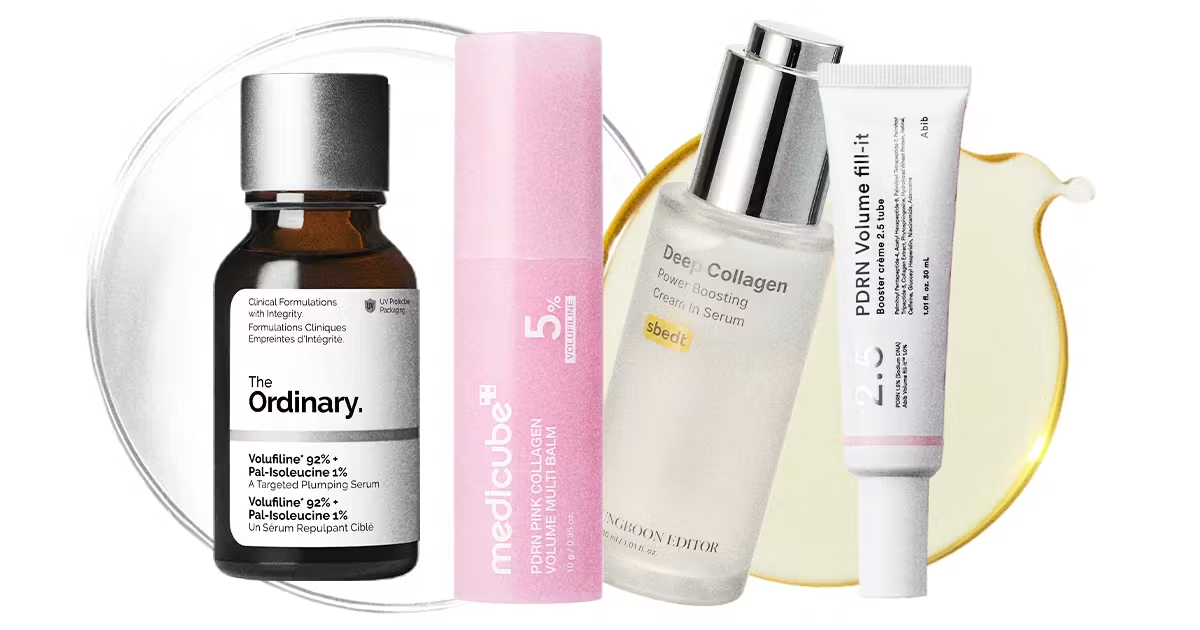
Rather than relying on a single hero, many of the best anti-aging serums layer vitamin C or retinol with supporting antioxidants and barrier-strengthening ingredients. Dermatologists in Glamour highlight vitamin E and ferulic acid as ideal partners for vitamin C, both because they improve stability and because they add their own antioxidant protection. Some vitamin C formulas also weave in hydrators like hyaluronic acid and squalane to keep skin supple while collagen production ramps up. On the vitamin A side, aestheticians and derms often favor retinol serums buffered with niacinamide, peptides, or ceramides to reduce irritation while still accelerating cell turnover for fine lines treatment.
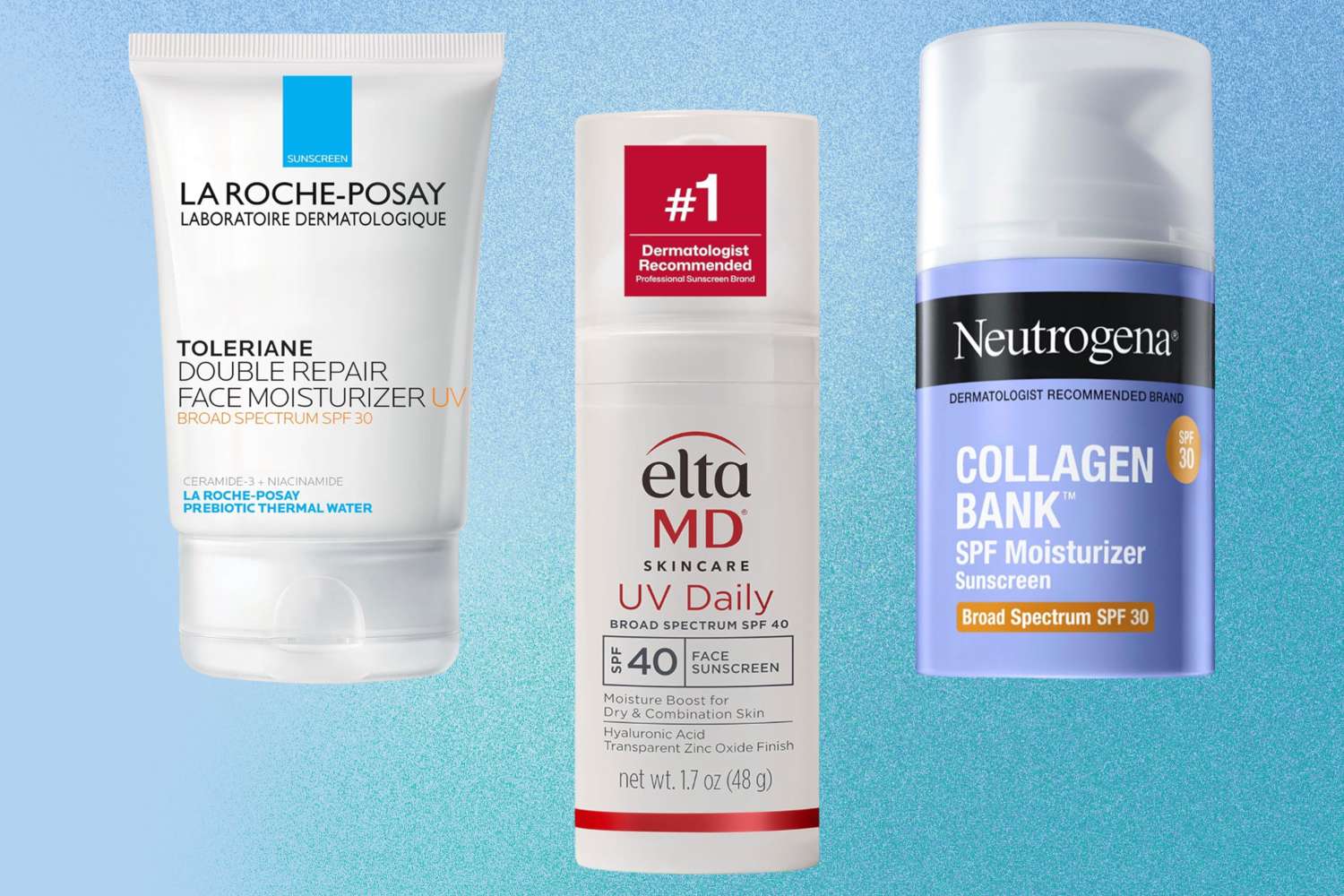
Most experts recommend separating vitamin C and retinol by time of day instead of layering them together, especially on sensitive skin. Glamour’s dermatologists advise using vitamin C in the morning under sunscreen and retinol at night, which lets each ingredient perform without compounding irritation. Combination formulas that include milder vitamin A esters, such as retinyl palmitate alongside vitamin C and vitamin E, can suit beginners who want a single bottle with both brightening and anti-aging benefits. Ultimately, blending powerful antioxidants with cell-turnover ingredients, barrier-repair agents, and moisturizers allows you to personalize how assertive—or gentle—your fine lines treatment strategy feels.
How to Choose: Sensitivity, Results Speed, and Routine Fit
Dermatologists emphasize that there is no universal winner in the retinol vs vitamin C debate; the right choice depends on your skin and lifestyle. If you are early in your aging journey, struggle with dullness or sun spots, or worry about irritation, a well-formulated vitamin C serum is often the safer starting point. It defends against daily UV and pollution damage, gradually brightens, and supports collagen without the peeling that can come with strong retinoids. If etched fine lines, rough texture, or breakouts are your main concern and you can commit to nightly use plus moisturizer, a retinol serum offers deeper remodeling and has the strongest track record for wrinkle reduction.
Routine compatibility matters as much as strength. Vitamin C fits neatly into your morning routine under sunscreen, while retinol works best at night and should not be piled on top of other strong actives. Sensitive or reactive skin may do best starting with vitamin C alone, then slowly adding a low-strength retinol once or twice a week. If you are already tolerating retinol well, stepping up to retinal can speed results on stubborn lines and dark spots. In every case, listen to your skin: back off and moisturize more when you see flaking or stinging, and remember that consistent, comfortable use beats an aggressive routine you cannot maintain.
Buy if / Skip if
- Buy the vitamin C serum if your main goals are brighter tone, fewer dark spots, and early fine line prevention with minimal downtime.
- Skip the vitamin C serum if your skin stings easily with acids or you cannot finish a product within three to six months of opening.
- Buy the retinol serum if fine lines, wrinkles, or acne are your top concern and you can commit to a steady night routine with moisturizer.
- Skip the retinol serum if your skin is highly sensitive, inflamed, or you are unwilling to manage potential dryness and peeling at first.
- Buy the vitamin C serum if you want strong antioxidant protection under sunscreen against UV and pollution damage every morning.
- Skip the retinol serum if you already use multiple strong actives at night and find that your barrier feels tight, flaky, or irritated.
- Buy the retinol serum if you have tolerated gentler anti-aging products and now want more powerful fine lines treatment ingredients.
- Skip the vitamin C serum if you expect one product to replace sunscreen or in-office procedures for deep wrinkles.