
What Volufiline Is — And What It Is Not
Volufiline is a trademarked, plant-derived cosmetic ingredient marketed as a topical alternative to dermal fillers, claimed to plump skin by promoting fat-cell differentiation and lipid storage rather than by drawing in water like traditional humectants. That definition alone explains the viral appeal: it sounds like injectable-level volume in a serum or stick. The reality is more measured. Volufiline is made from sarsasapogenin, a compound from Anemarrhena asphodeloides, carried in a moisturizing base, and is intended to act as a skin‑plumping agent, not a replacement for dermal fillers. Some beauty editors report skin that looks slightly fuller and fresher when they use Volufiline-based formulas, especially under the eyes and on the lips, but they are clear that the effect is subtle, not a “filled” look.
Volufiline vs. Hyaluronic Acid: Different Tools, Different Jobs
Comparing Volufiline to hyaluronic acid exposes how misleading “filler in a bottle” language is. Hyaluronic acid in skincare pulls water into the upper layers of the skin, giving quick but temporary plumpness. Volufiline, by contrast, is said to stimulate fat cells and support lipid storage in deeper layers, aiming for a slower, structural-looking fullness. That sounds closer to injectable filler, but there’s a catch: topical ingredients can only reach superficial skin, while hyaluronic acid fillers are injected into deeper structural planes of subcutaneous fat. In other words, a Volufiline ingredient serum can enhance surface smoothness and bounce, yet it cannot remodel volume where injectables work. Expect modest softening of fine lines at best, not the dramatic under-eye or cheek transformation you see after a syringe.
| Feature | Volufiline (topical) | Hyaluronic Acid (topical & injectable) |
|---|---|---|
| Main action | Promotes fat-cell differentiation and lipid storage claims | Binds water for hydration and temporary plumpness |
| Depth of effect | Superficial; limited by skin barrier | Superficial in skincare; deep structural change when injected |
| Speed of results | Gradual with consistent use | Immediate hydration; injectables give instant visible change |
| Best for | Subtle softening, early fine lines, dehydration-related dullness | Hydration, fine lines; injectables for clear volume loss |
What the Science and Real Users Say About Plumping Serum Efficacy
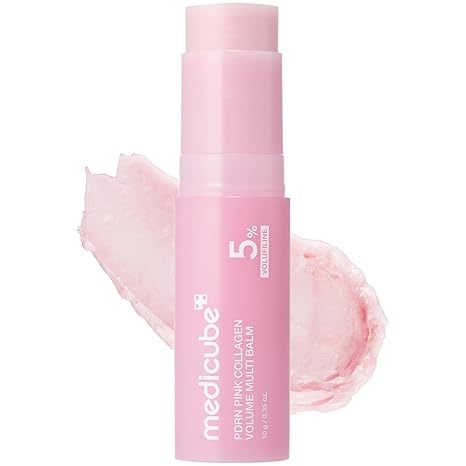
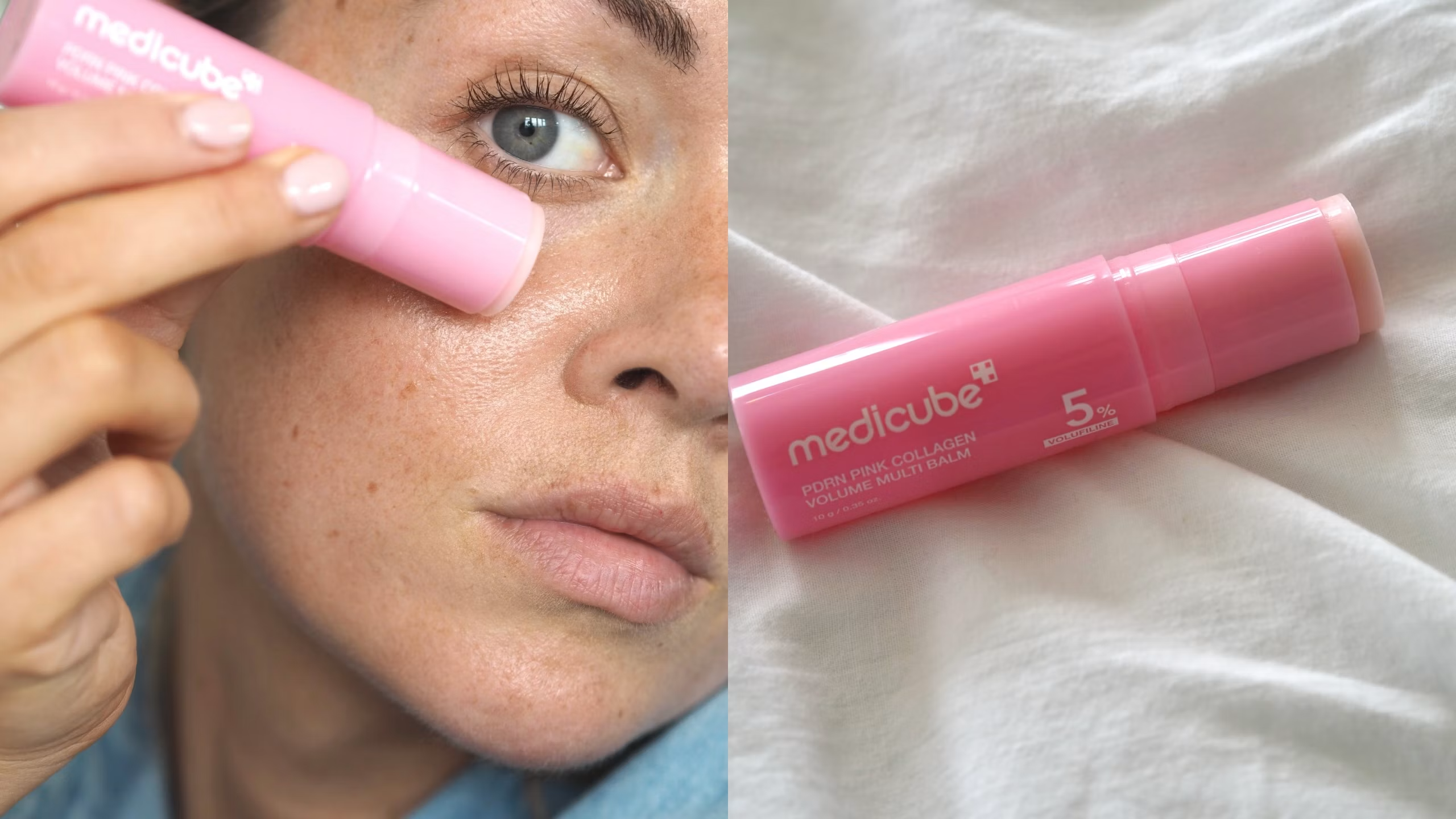
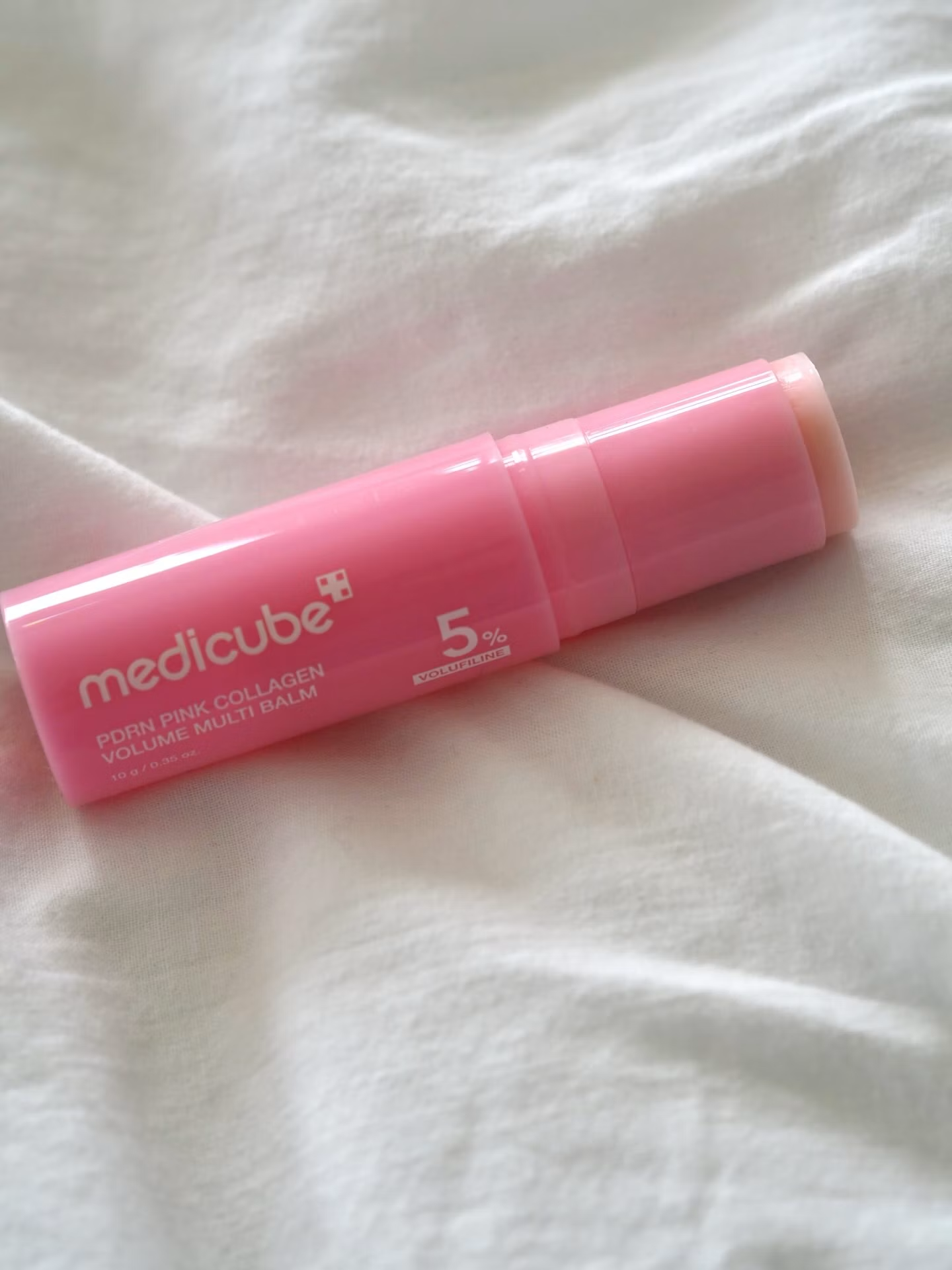
Here is where hype and evidence collide. Dermatologists point out there is very limited scientific data on Volufiline’s effectiveness and any reported plumping effects have been modest. Even fans admit as much: one beauty director who tested a Volufiline-rich serum and then the Medicube PDRN Pink Collagen Volume Volufiline Multi Balm Stick (£18.95) described her skin as “slightly fuller” under the eyes and lips after use, but not in a way anyone else would notice. She also noted she had not used the balm for the full three months needed to assess long‑term results. This is the gap social media glosses over. TikTok loves overnight “filler in a stick” stories, but the available evidence supports gradual, mild improvements, not a facelift effect. A Volufiline ingredient serum belongs in the “supporting actor” category, not as your sole volume strategy.
Formulation Context: Why Some Volufiline Products Impress and Others Flop
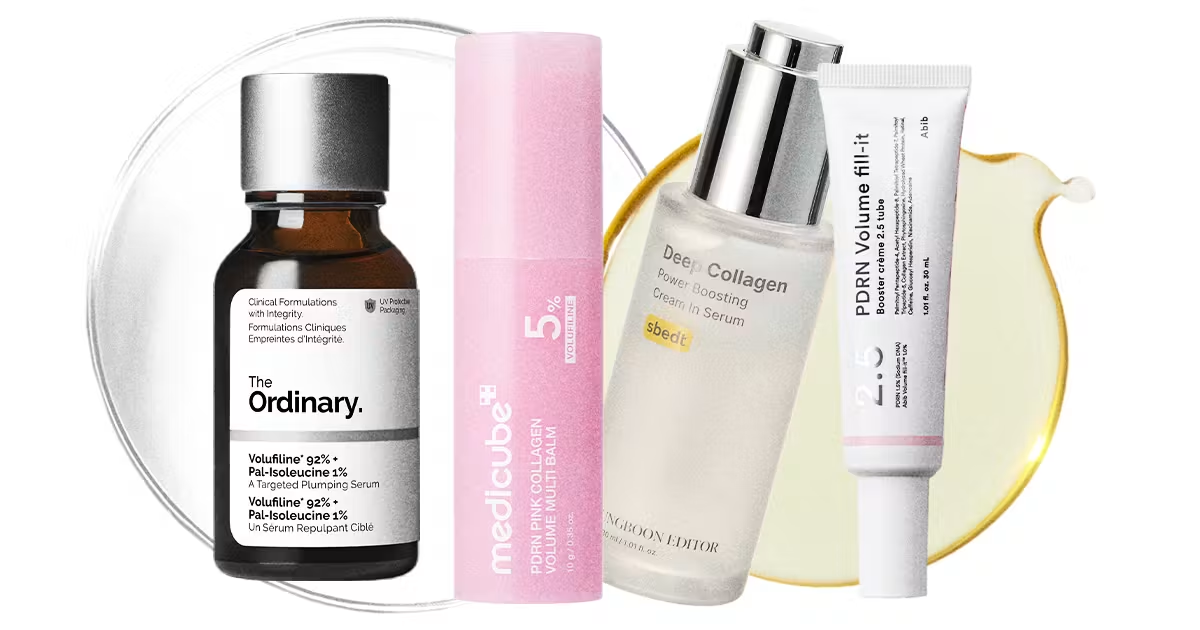
Volufiline’s performance depends heavily on how it is formulated. Earlier, it was mainly used in diluted DIY-style blends; newer launches, like The Ordinary’s Volufiline 92% + Pal‑Isoleucine 1% Serum, package it in a ready‑made format that removes guesswork and has earned enduring spots in some routines. The Medicube PDRN Pink Collagen Volume Volufiline Multi Balm Stick contains a lower Volufiline concentration than dedicated serums, but offsets this with other anti-aging ingredients: caffeine, vitamin E, and hyaluronic acid to hydrate, brighten, and reduce puffiness, plus NAD, retinol, and EGF to improve resilience and smooth fine lines. Dermatologists suspect much of the visible softening from such products comes from the overall plumping serum efficacy of these humectants, emollients, and barrier-supporting ingredients rather than Volufiline alone. In short, formula architecture matters more than one trendy active.
Who Volufiline Is For—and How to Set Realistic Expectations
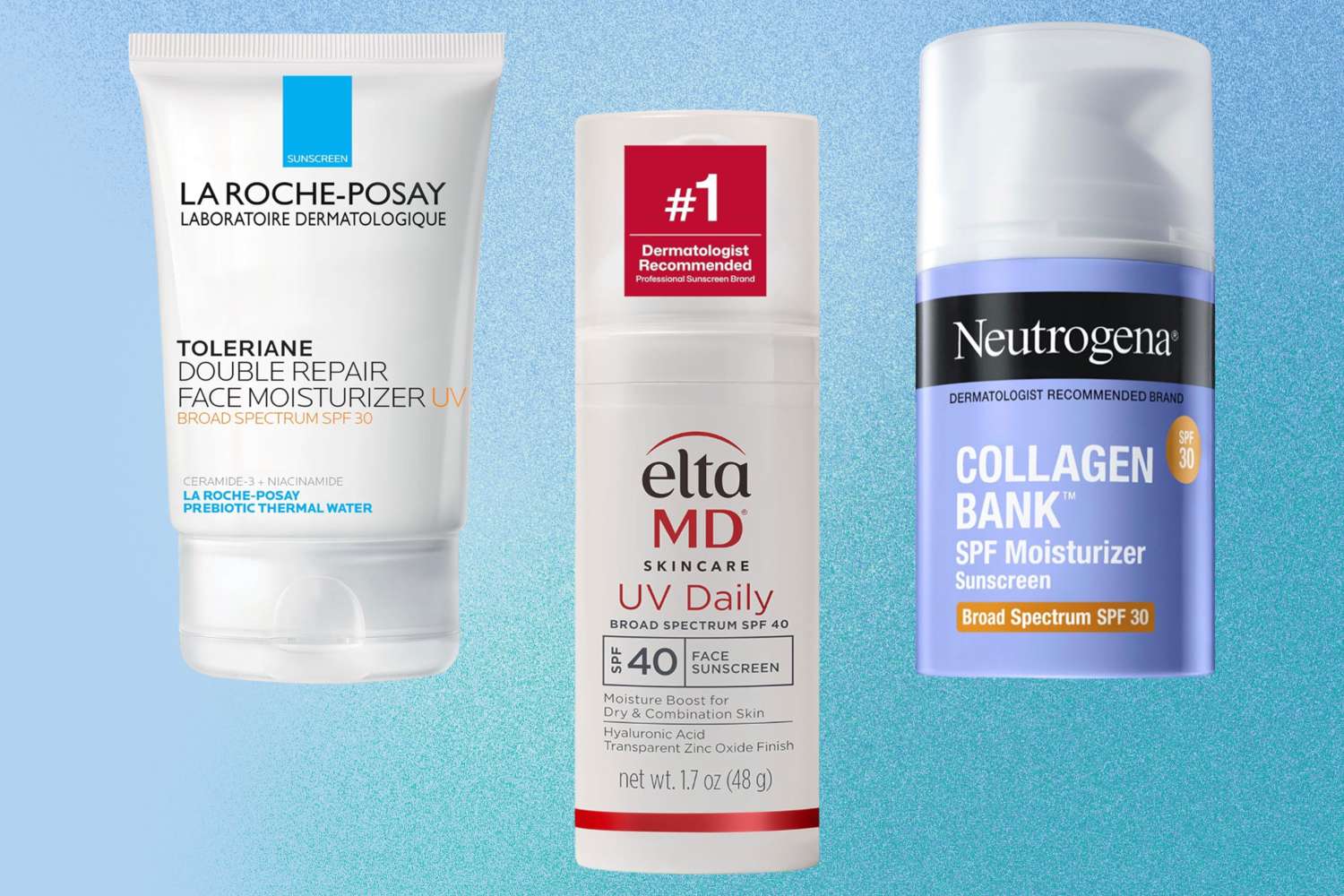
Marketing around “filler in a stick” and “filler in a bottle” has inflated expectations to absurd levels. One reviewer explicitly warns that the Medicube stick “does not mimic filler” and will not make you look like you visited a celebrity surgeon overnight. This balm is positioned for anyone concerned with loss of volume linked to aging, dullness, visible lines, dark circles, dryness, and sagging. Dermatologists add that someone who enjoys skincare, has mild dehydration or early fine lines, and accepts that results will be subtle may like trying Volufiline. It is not suitable for instant, dramatic correction or for people replacing injectables. Because the Medicube stick contains retinol, those prone to irritation should be cautious, and daily SPF is non‑negotiable since retinoids increase sun sensitivity. Use Volufiline as a supporting anti-aging ingredient alongside sunscreen, retinoids, antioxidants, and a solid barrier routine—not as your magic wand.