
Retinol vs Retinal: The Bottom Line on Speed and Tolerance
Retinol and retinal are vitamin A derivatives used in skincare to boost cell turnover, smooth fine lines, refine texture, and clear pores, but they differ in how quickly they convert into active retinoic acid in the skin and in how suitable they are for different skin types and experience levels. If your main goal is the fastest acting retinoid for fine lines and clearer skin, retinal serum usually wins; if you are new to retinoids or very sensitive, retinol is the safer starting point. In practical terms, choose retinal if you already tolerate retinoids and want quicker changes in firmness and pigmentation, and choose retinol if you need a gentle, steady fine lines treatment that you can build into your routine with fewer surprises over time.
| Spec | Retinol | Retinal |
|---|---|---|
| Position in vitamin A pathway | Two steps away from retinoic acid | One step away from retinoic acid |
| Activation in skin | Needs two conversions to become active | Needs one conversion to become active |
| Speed on fine lines & texture | Effective but slower to show visible change | Quicker results for smoothing fine lines, texture, and dark spots |
| Typical potency vs irritation | Milder, better for beginners and sensitive skin | More potent, can feel more intense, best for retinoid-experienced users |
| Best suited skin goals | Early fine lines, prevention, first retinoid | Deeper wrinkles, pigmentation, acne, faster results |
How Retinol Works: Reliable, Gradual Fine Lines Treatment
Retinol speeds up cell turnover, helping skin shed dead cells and replace them with fresher ones, which leads to brighter, smoother, clearer skin over time. This makes it a proven fine lines treatment that also helps uneven texture and even acne by reducing clogged pores. Because retinol must convert twice inside the skin before becoming active, it works more slowly than retinal but is also easier for many people to tolerate. One expert explanation is that over-the-counter retinol options have “tempered strength,” yet they remain potent enough that picking the right formula for your needs is crucial. Dermatologists often recommend stronger prescription-grade retinoids or adapalene gels for collagen stimulation and acne, while aestheticians may reach for gentler ester forms such as retinyl palmitate, sometimes in step-up systems that gradually raise the dose to balance results with comfort.
Retinal Serum Benefits: Faster Results for Lines, Texture, and Clarity
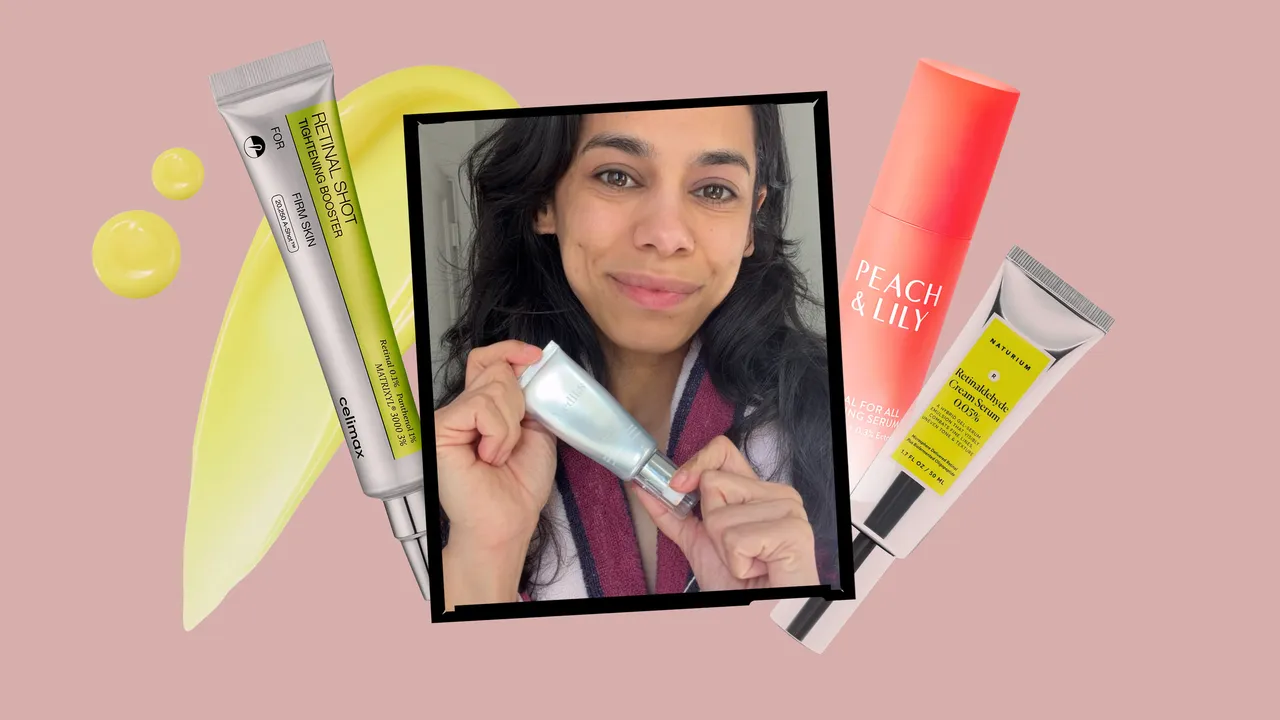
Retinal sits one step closer to retinoic acid than retinol, so it converts with only one step in the skin and tends to work faster and more potently. In practice, that means retinal serum benefits often include quicker smoothing of fine lines, more rapid texture refinement, and faster fading of dark spots compared with standard retinol. Several dermatology experts note that retinal can be a smart upgrade for people who already tolerate retinol, especially when the goal is deeper wrinkles, stubborn pigmentation, or acne that needs a more assertive approach. Editorial testing teams now highlight retinal serums that excel in ingredients, efficacy, packaging, fragrance, texture, and wear, with input from dermatologists to confirm performance claims. As one such team explains, every retinal serum on their shortlist had to meet high standards across these categories to be considered an expert-approved, faster-acting alternative.
Which One Belongs in Your Routine—and How to Use It
Choosing between retinol vs retinal comes down to skin type, history with actives, and how quickly you need results. If you have sensitive skin or are brand-new to retinoids, experts say retinol is an ideal starting point, because its slower activation usually means less irritation while your barrier adapts. If your skin already handles retinol well, or you are targeting deeper wrinkles, pigmentation, or acne, retinal can deliver faster and more noticeable results, often with less irritation than prescription-strength options. Both ingredients can fit into a nighttime routine, typically after cleansing and before moisturizer, but dermatologists and aestheticians stress the need to personalize formulas based on texture preferences, supporting ingredients, and tolerance. Some professionals even prefer tiered systems that increase vitamin A strength gradually, matching concentration and format to where your skin is now and where you want it to go.
Buy if / Skip if
- Buy the retinol if you are brand-new to retinoids or know your skin tends to be sensitive and reactive.
- Skip the retinol if you already tolerate stronger retinoids and feel your current fine lines treatment has plateaued.
- Buy the retinal if you want the fastest acting retinoid for smoothing fine lines, improving texture, and fading dark spots.
- Skip the retinal if you have not yet built any tolerance to vitamin A products or struggle with frequent irritation and barrier damage.
- Buy the retinol if your main focus is gentle, gradual prevention of early signs of aging and maintaining clear pores over time.
- Skip the retinol if your priority is quickly targeting deeper wrinkles, pigmentation, or acne that has not responded to milder options.
- Buy the retinal if a dermatologist or aesthetician has already helped you adjust to retinoids and now recommends a step up in potency.
- Skip the retinal if you cannot consistently use moisturizers and barrier-supporting products to buffer potential dryness or flaking.