
The Real Story Behind Viral Skincare Ingredient Claims
Sardines, exosomes and Argireline sit at the center of viral skincare ingredient claims because they sound technically impressive, promise Botox in a bottle results, and tap into our desire to skip needles while still chasing smoother, fuller skin, yet what they deliver on real faces depends far more on concentration, formulation and absorption than on any catchy name or social media buzz. This matters because the internet now treats every new serum as a medical miracle, when most are closer to clever cosmetics than in‑clinic procedures. The long‑running obsession with “Botox in a bottle” has pushed brands to frame nearly every launch as an alternative to injectables, with TikTok trends amplifying filler‑in‑a‑stick narratives to millions. If we do not question these promises, we end up paying for drama on the label instead of performance on the skin.
Argireline and the Botox-in-a-Bottle Fantasy
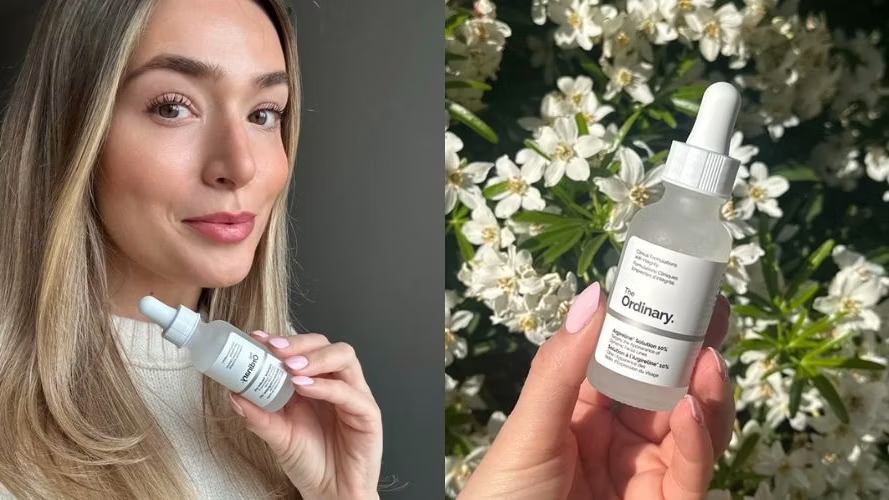
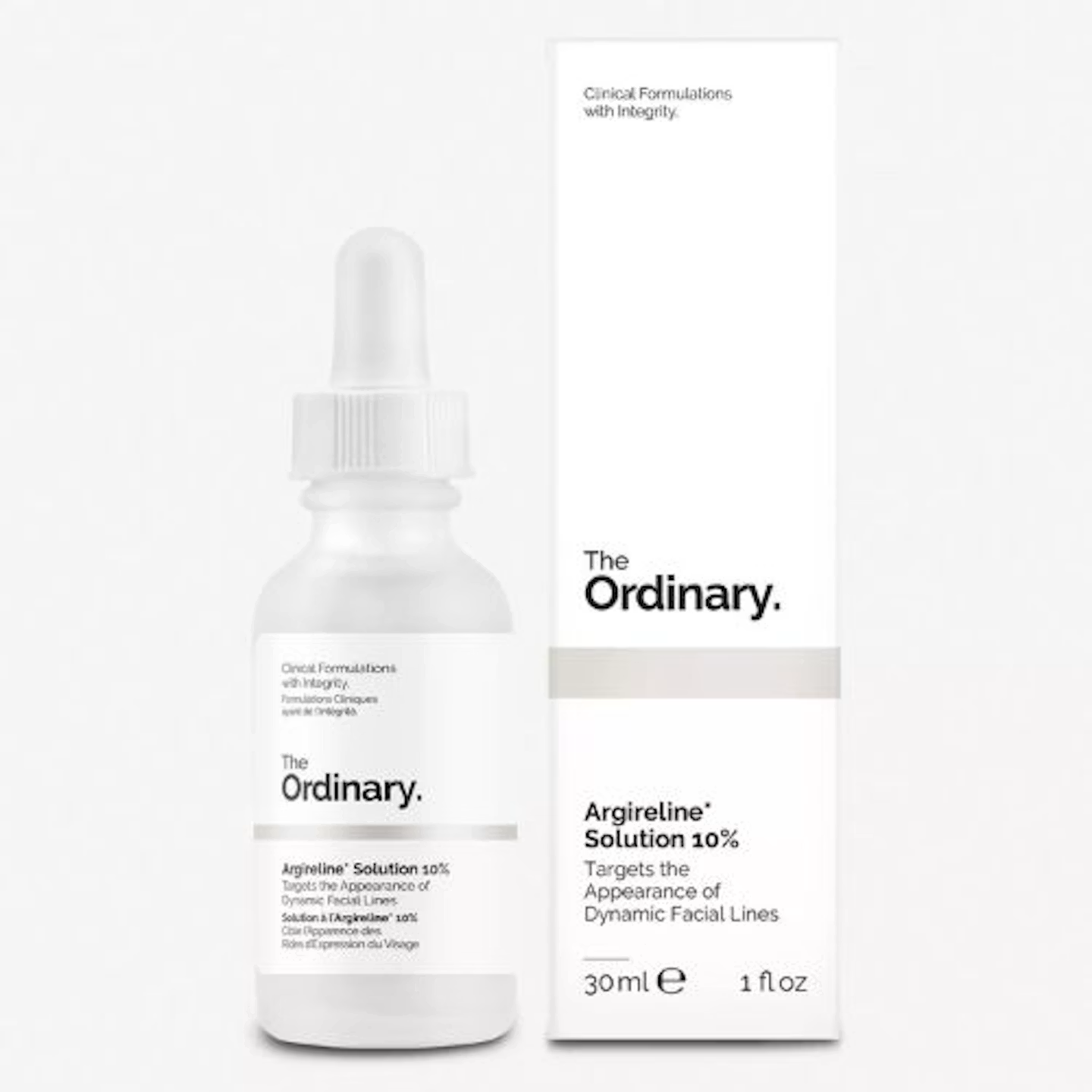
Argireline, a trademarked solution of acetyl hexapeptide‑3, is the poster child for Botox in a bottle marketing. In serum form at 10%, it is sold as a featherlight age‑support treatment that helps relax expression lines and blur fine wrinkles, claiming visible soft‑focus effects within seconds. On the skin, users describe a blurred finish and smoother make‑up canvas rather than frozen muscles, which is telling: you are getting cosmetic surface refinement, not medical neuromodulation. The serum’s appeal comes from texture and fast absorption; it feels like water, glides on, and sits invisibly. That is valuable, but it is not Botox. The key takeaway is that Argireline’s benefits hinge on having a meaningful 10% concentration in a formula that spreads and absorbs well—without that, the same peptide name on a label means far less than the hype implies.
PDRN, Volufiline Sticks and the Filler-in-a-Stick Promise
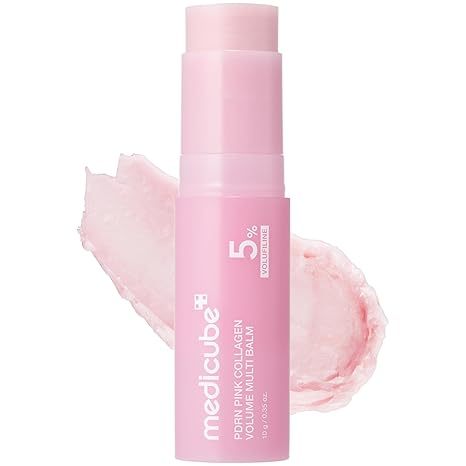
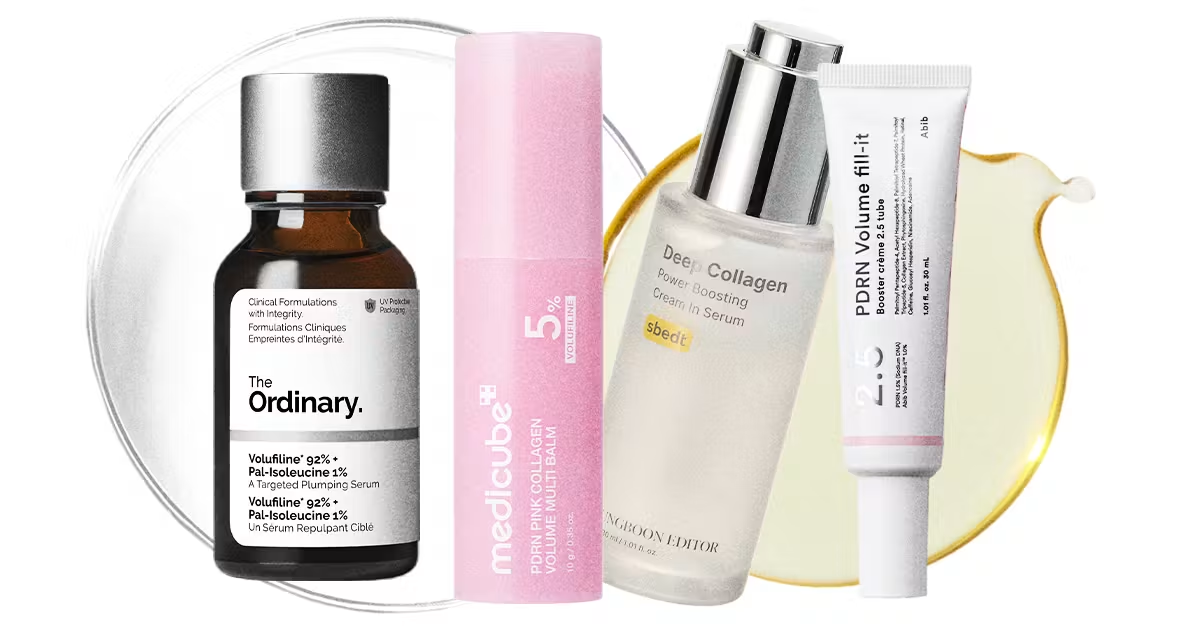
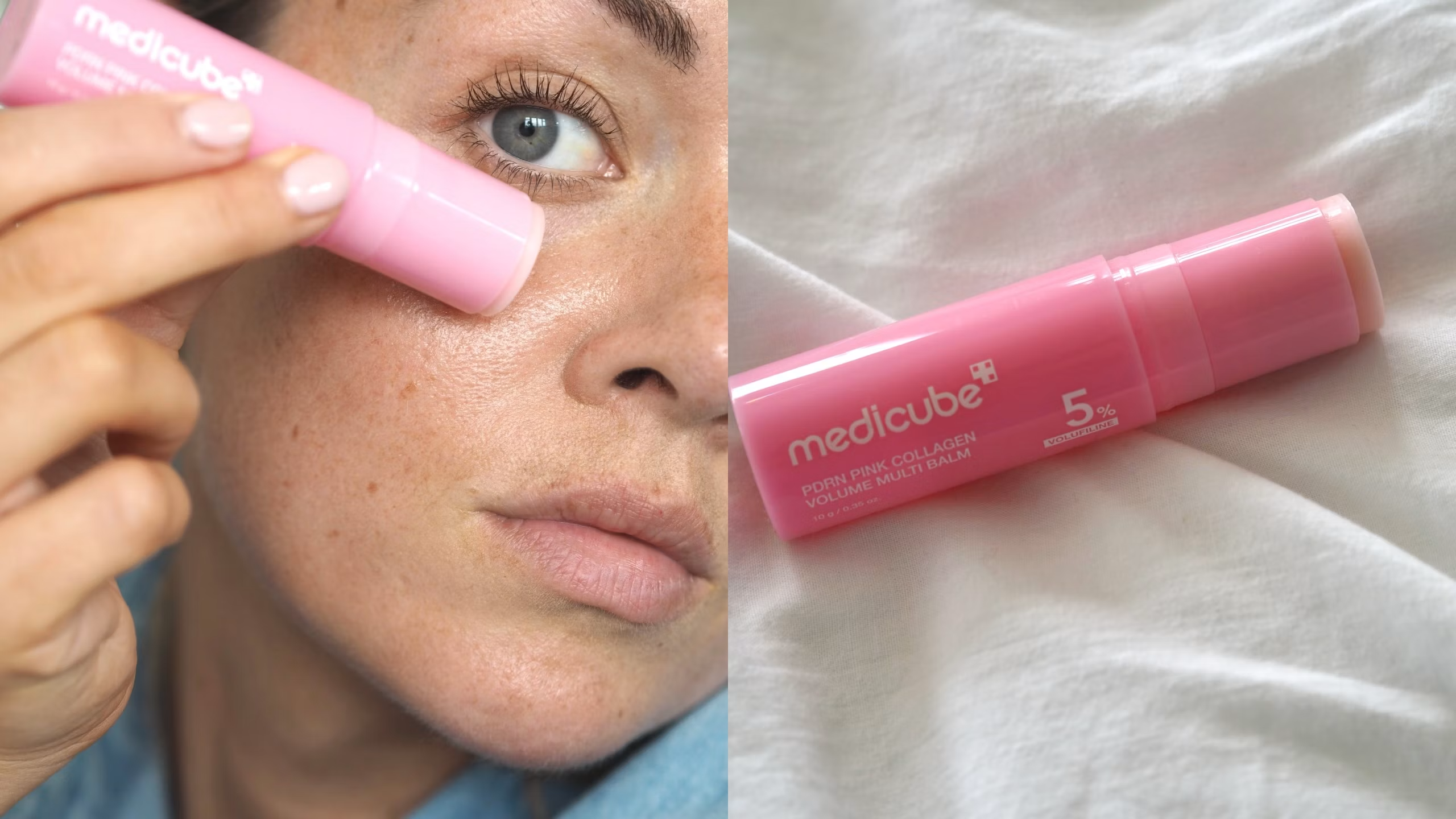
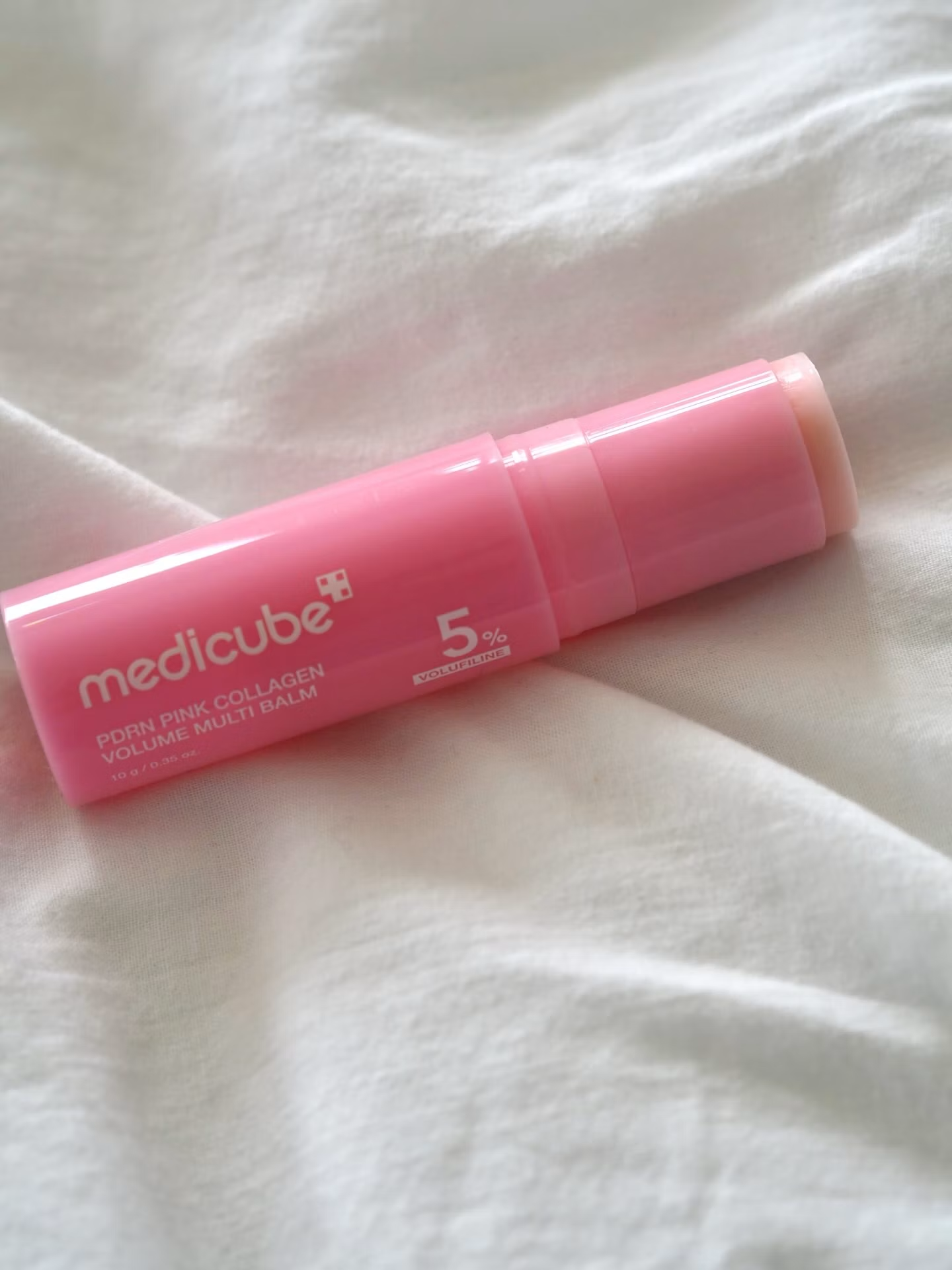
The filler‑in‑a‑stick storyline is now attached to PDRN serum sticks and multi‑balm formats that mix PDRN, collagen, NAD and Volufiline. Volufiline is thought to go beyond temporary water‑based plumping like hyaluronic acid, which works by drawing water into the skin, by instead stimulating fat cells for a longer‑term fuller look with consistent use. That mechanism sounds dramatic, but the results reported by a seasoned beauty director are modest: skin under the eyes looks slightly fuller, fresher and bouncier, lips a little plumper, not “filled” in any injectable sense. Importantly, the Volufiline concentration in stick balms is lower than in dedicated serums, though supported by other hydrating and line‑smoothing ingredients. This lower dose may suit sensitive skin, but it also limits how close these viral skincare trends can come to the surgical‑level claims their marketing pushes. A balm can be helpful, but calling it a facelift in a stick is fantasy.
Why Beauty Editors Keep Catching Hype Outpacing Results
Beauty editors who test viral skincare trends day in, day out repeatedly find a gap between influencer hype and measurable change. One widely promoted eye balm framed as something near miraculous turned out, in the words of a beauty director, to be “more marketing than miracle” and performed like a fairly basic eye treatment despite decent ingredients. In contrast, that same editor was impressed by a Volufiline serum that delivered noticeable fullness where applied and earned a permanent spot in her routine. Even with the Medicube PDRN Pink Collagen Volume Volufiline Multi Balm Stick, she stresses that one month of use shows promising but not dramatic plumping, and a proper three‑month trial would be needed to judge long‑term effects. This pattern is revealing: most buzzy launches land somewhere between pleasant moisturiser and subtle improver, far from the radical transformations implied by Botox in a bottle or filler‑in‑a‑stick slogans.
Why Concentration and Formulation Matter More Than Names
The most neglected truth in viral skincare conversations is that concentration, formulation and absorption determine outcomes far more than the ingredient name. Volufiline, for instance, was once tricky for home users because it needed to be diluted, demanding guesswork from anyone playing chemist, until accessible serums removed the drama. In the newer balm, the Volufiline concentration is lower, though buffered by caffeine, vitamin E, hyaluronic acid, NAD, retinol and EGF to hydrate, brighten and smooth. A humble workhorse like urea shows this principle clearly: at 5–10%, urea acts as a humectant that binds water, turning up skin hydration without any viral campaign at all. The lesson is simple and uncomfortable for marketing departments: if a formula uses fashionable words but weak percentages, poor vehicles or slow‑absorbing textures, the skin will not care how trendy the label sounds. Your face responds to chemistry, not slogans.