
Retro Mechanical Keyboards: Nostalgia With an Agenda
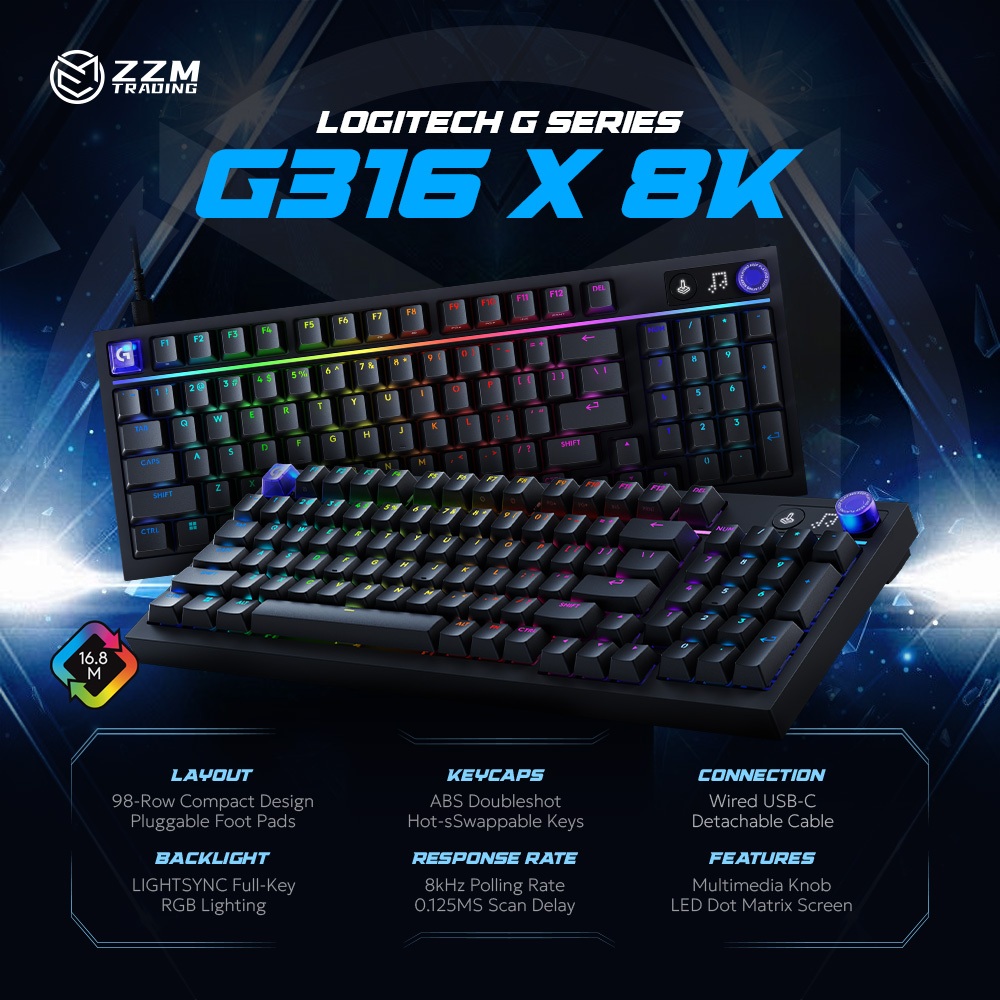
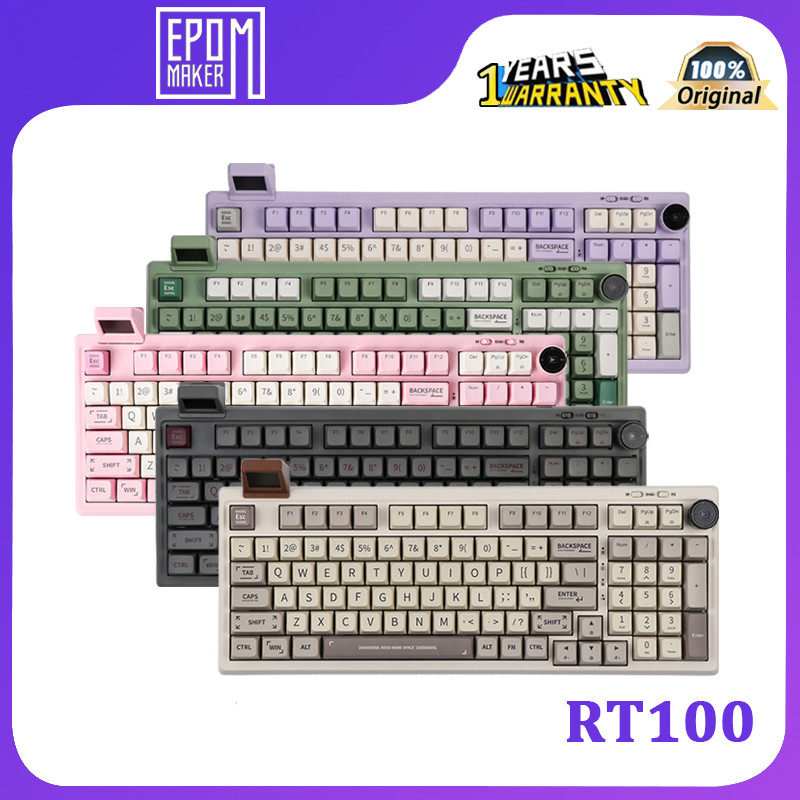
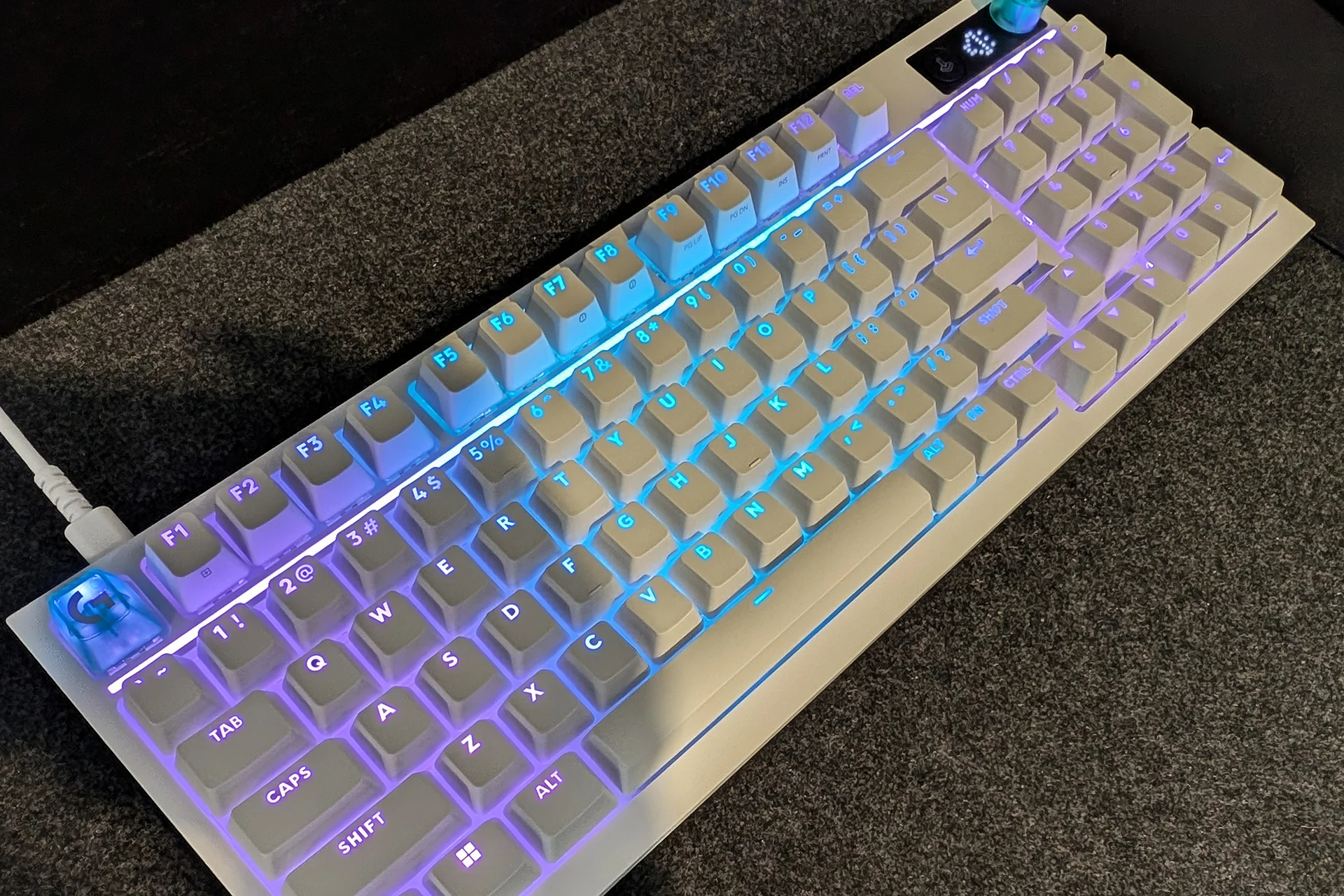
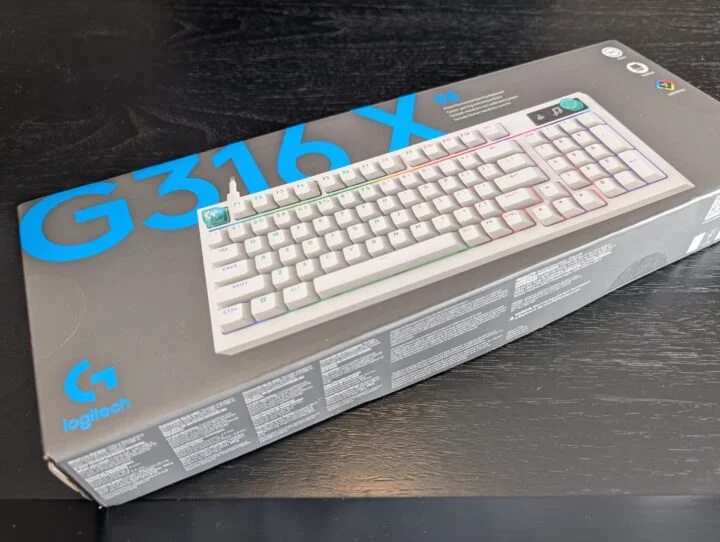
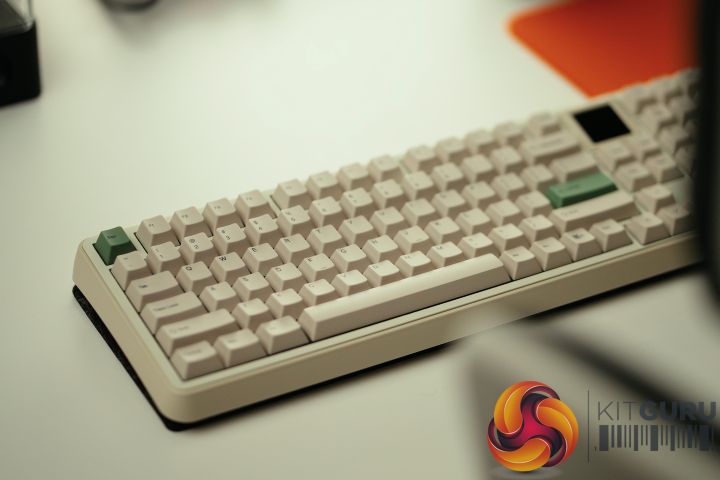
Retro mechanical keyboards are modern input devices that imitate classic typewriter or early computer aesthetics while relying on contemporary mechanical switch technology, hot-swap sockets, and software customization to deliver present-day gaming and productivity performance. The whole point of this trend is not to cosplay as an 80s office, but to wrap serious hardware in nostalgic keyboard aesthetics that feel familiar and emotionally satisfying. The Logitech G316 X leans into that idea by looking like the upgraded version of a creamy 90s board while behaving nothing like it in speed or reliability. The Epomaker RT100 Pro goes even harder on vintage keyboard design, resembling a “keyboard of yore” while hiding pre‑lubed switches and plate‑mounted stabilizers beneath its retro shell.
Where Nostalgic Keyboard Aesthetics Meet Hot-Swap Performance
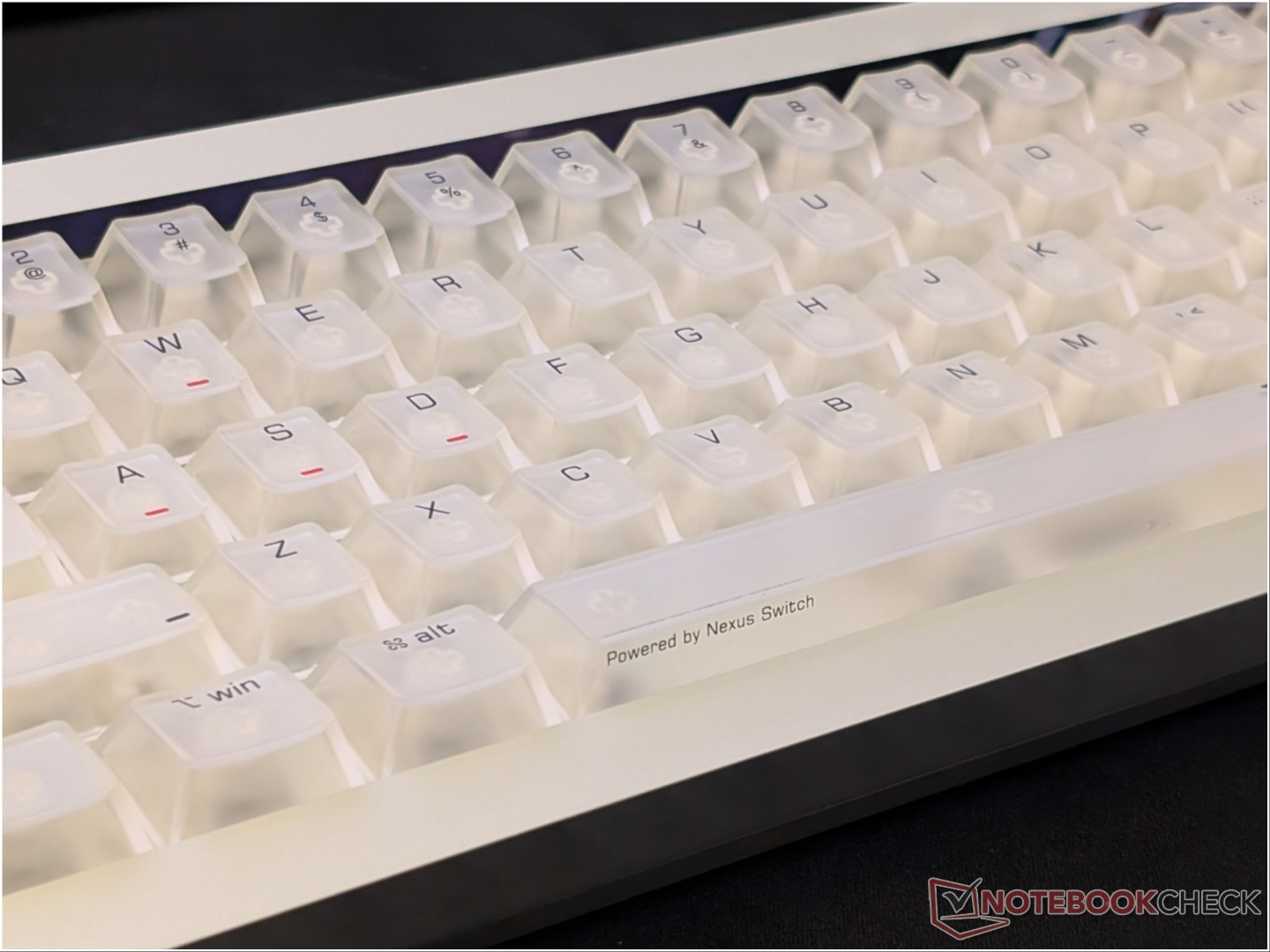
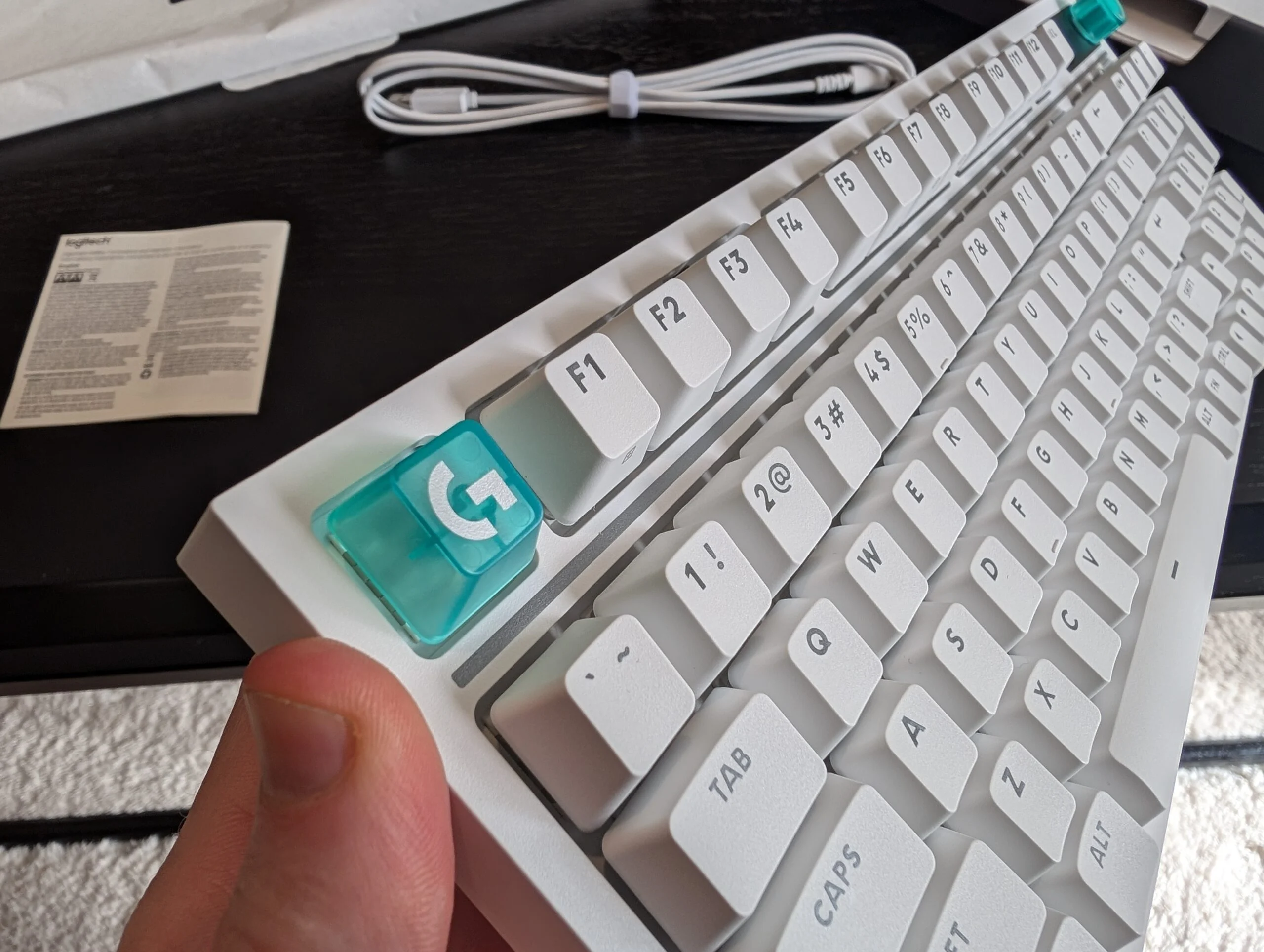
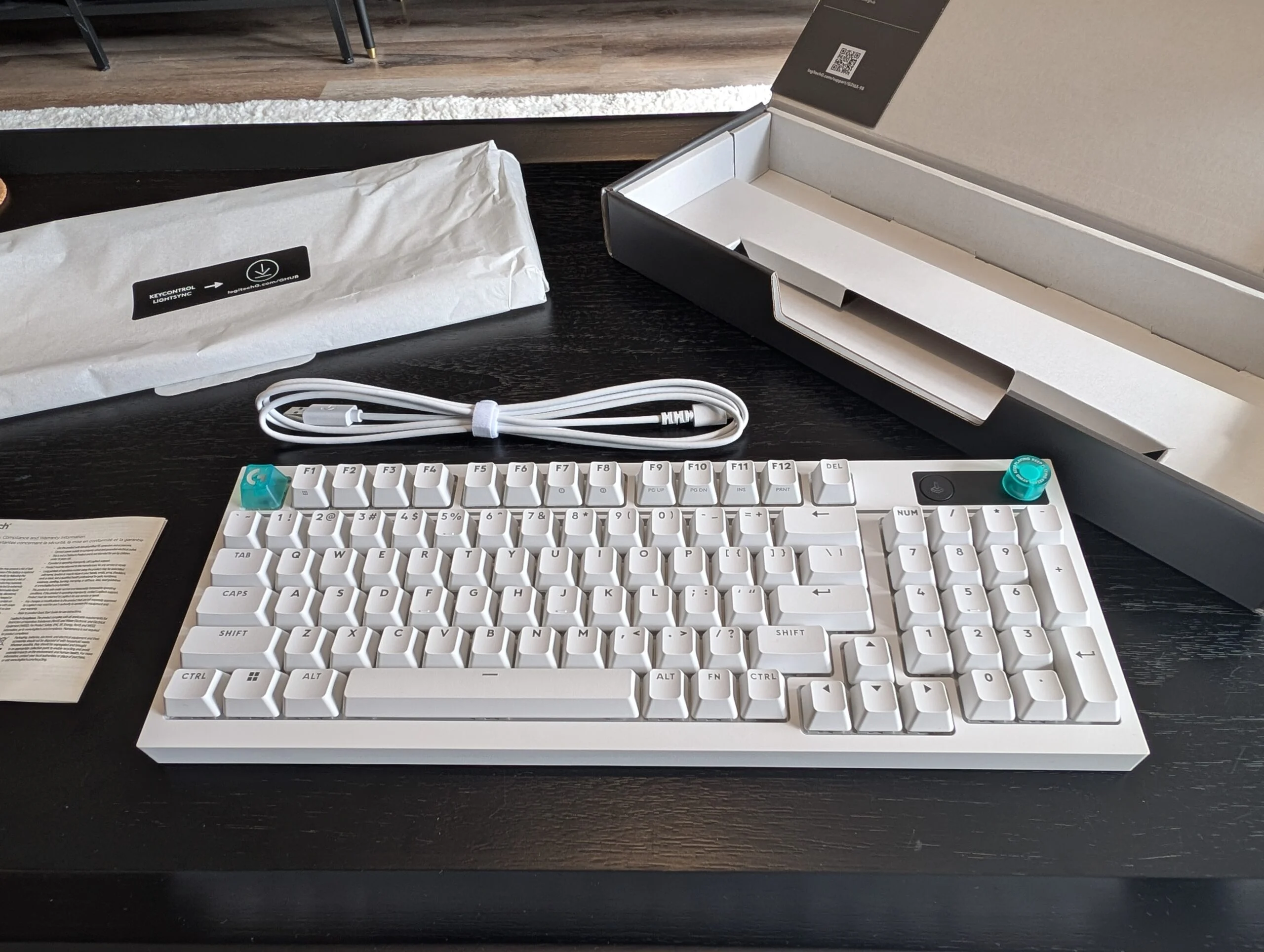
The best retro mechanical keyboards do not freeze you in time; they let you tune the past. This is where hot-swap retro keyboards stand out. The Logitech G316 X hides modern hot-swappable sockets under its nostalgic white case, so you can change switches and keycaps to fit your style and gaming needs without touching a soldering iron. No replacement parts come in the box, and there is no puller tool, which is a missed chance for beginners. Still, the ability to swap in different switch types means that vintage keyboard design does not have to lock you into one sound or feel. The RT100 Pro follows the same philosophy from another angle: its body looks old-school, but the pre-lubed switches and plate-mounted stabilizers remind you this is a contemporary typing machine, not a museum piece.
Screens, RGB, and Software: When Modern Extras Help—or Hurt
Modern flair is where these boards sharply diverge. The G316 X uses RGB lighting as a tasteful upgrade to nostalgic keyboard aesthetics instead of a distraction. It offers per-key LIGHTSYNC RGB, plus a 30-zone light bar that gives live feedback when you adjust settings with the dial. Its dot-matrix display and pixel animations land as a playful nod to Tamagotchi-era gadgets without getting in the way. The RT100 Pro, in contrast, shows how modern additions can undermine a great vintage shell. Its detachable screen and companion software initially demanded admin rights and spawned background services such as “screen_capture_service.exe” and “keyboard_monitor_service.exe” that ate around 200 MB of RAM and even increased GPU power draw, enough to affect game performance. Epomaker has reduced the aggressiveness of those services, but when a decorative screen compromises performance, the supposed upgrade turns into clutter.
Everyday Typing and Gaming: Speed Matters More Than Nostalgia
Under the retro façade, the G316 X is unapologetically modern in how it behaves. Its mechanical switches deliver the loud, satisfying keystroke many enthusiasts crave, and the board pairs that with a polling rate of up to 8,000 Hz for extremely responsive input. One review notes that this is “eight times more responsive” than many keyboards capped at 1,000 Hz. That kind of performance turns a nostalgic design into a serious gaming tool. The Epomaker RT100 Pro also pursues a modern feel with pre-lubed switches and plate-mounted stabilizers, which should give smoother keypresses and reduce rattle. However, all the careful tuning of switches and stabilizers is partially wasted if the companion software pulls system resources and causes frame drops in games. Retro styling can enhance the experience, but performance—both on the desk and inside the OS—still decides whether you keep reaching for a keyboard day after day.
Price, Caveats, and Who Should Buy Which Retro Board
Nostalgia does not excuse poor value or basic flaws. The Logitech G316 X lands at a recommended price of $199.99, which is fair for a compact full-size layout, premium look, per-key RGB, and that 8,000 Hz polling rate. Its biggest weakness is straightforward: it is wired only, and it does not include a key or switch puller or spare parts in the box. The Epomaker RT100 Pro’s main problem is not its physical design—its vintage keyboard design and pre-lubed internals are strong. The concern is the software layer and the dim, detachable screen that adds complication without enough payoff. According to one review, you may be better off running it as a generic keyboard with the screen removed if you love the look but dislike the overhead. In other words, buy the nostalgia, but only when the modern side of the board works for you, not against you.
- Buy if you want a compact full-size retro mechanical keyboard that can serve as both a daily driver and a serious gaming board.
- Skip if you need wireless connectivity or expect spare keycaps and tools included in the box for your hot-swap customization.
- Buy if you love vintage keyboard design with modern pre-lubed switches and are willing to treat the RT100 Pro’s detachable screen as optional flair.
- Skip if you are sensitive to background software services, value plug-and-play simplicity, or dislike running extra utilities that can impact system performance.