
Retro mechanical keyboards: nostalgia on the surface, modern tech underneath
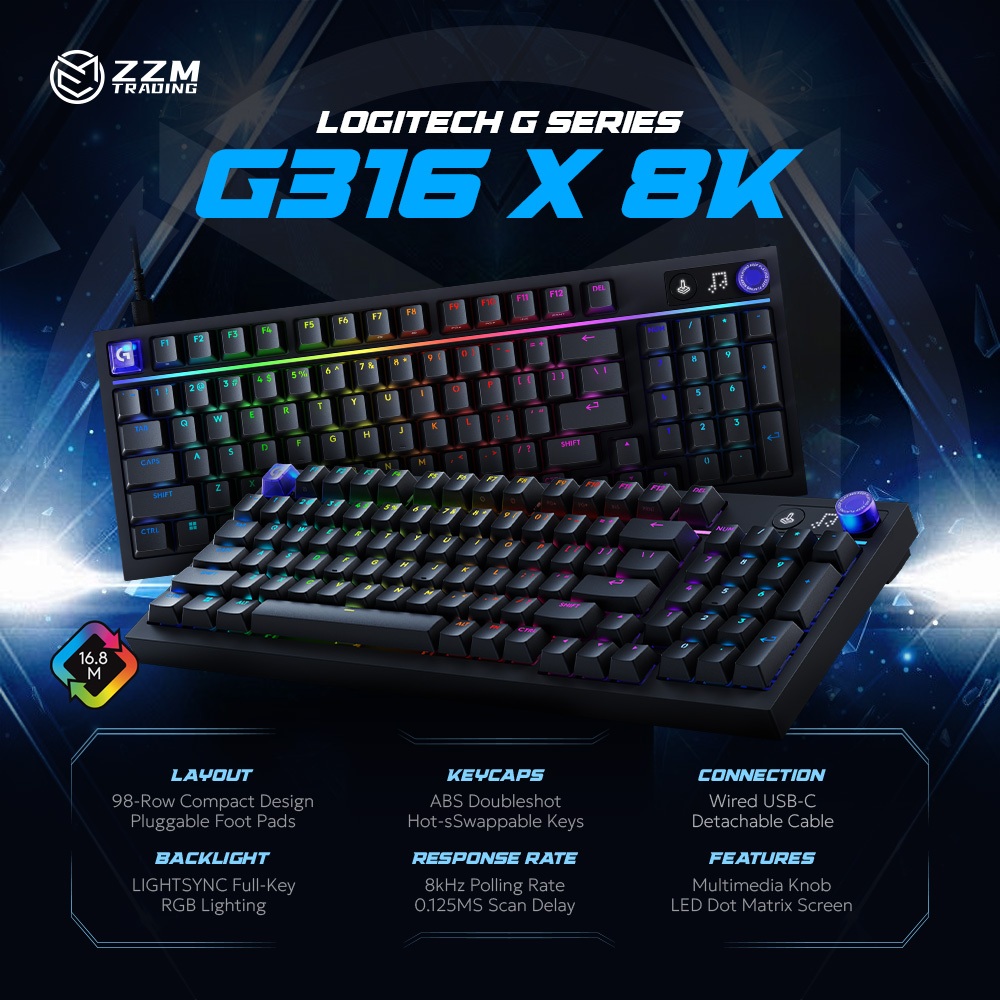
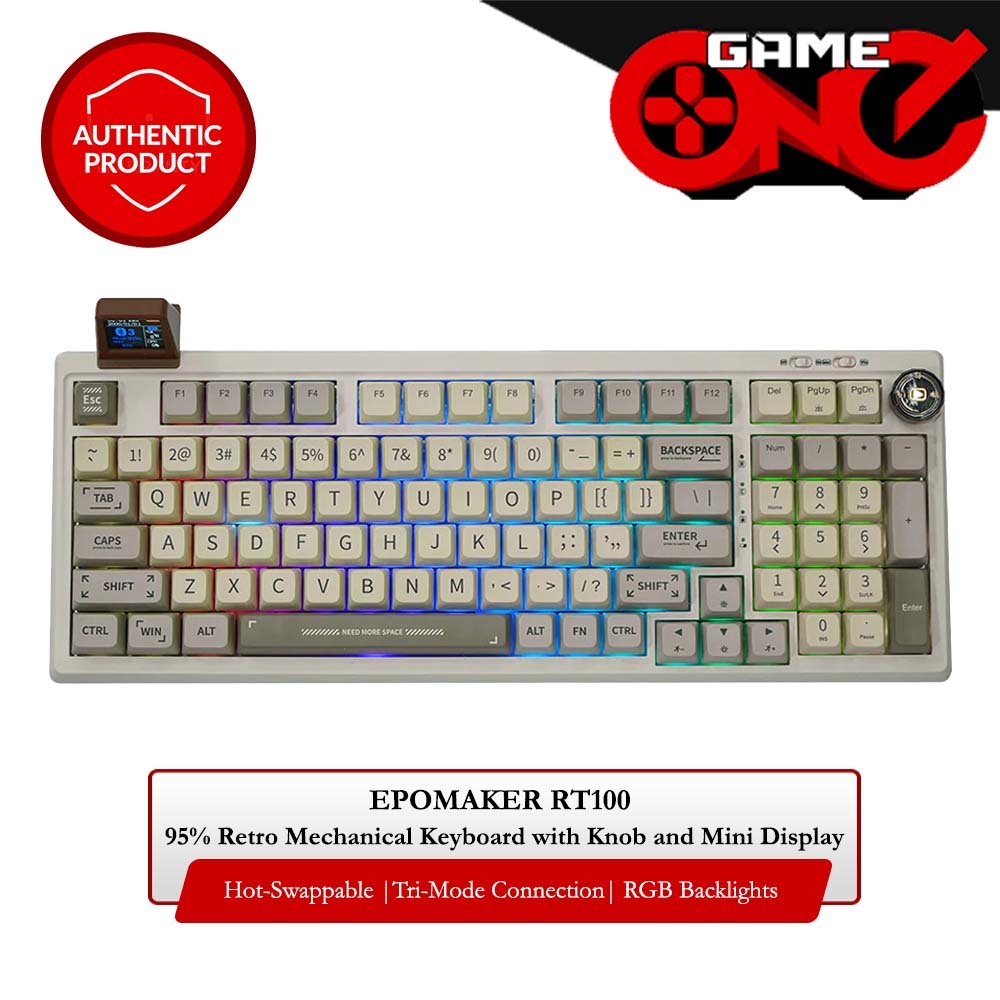
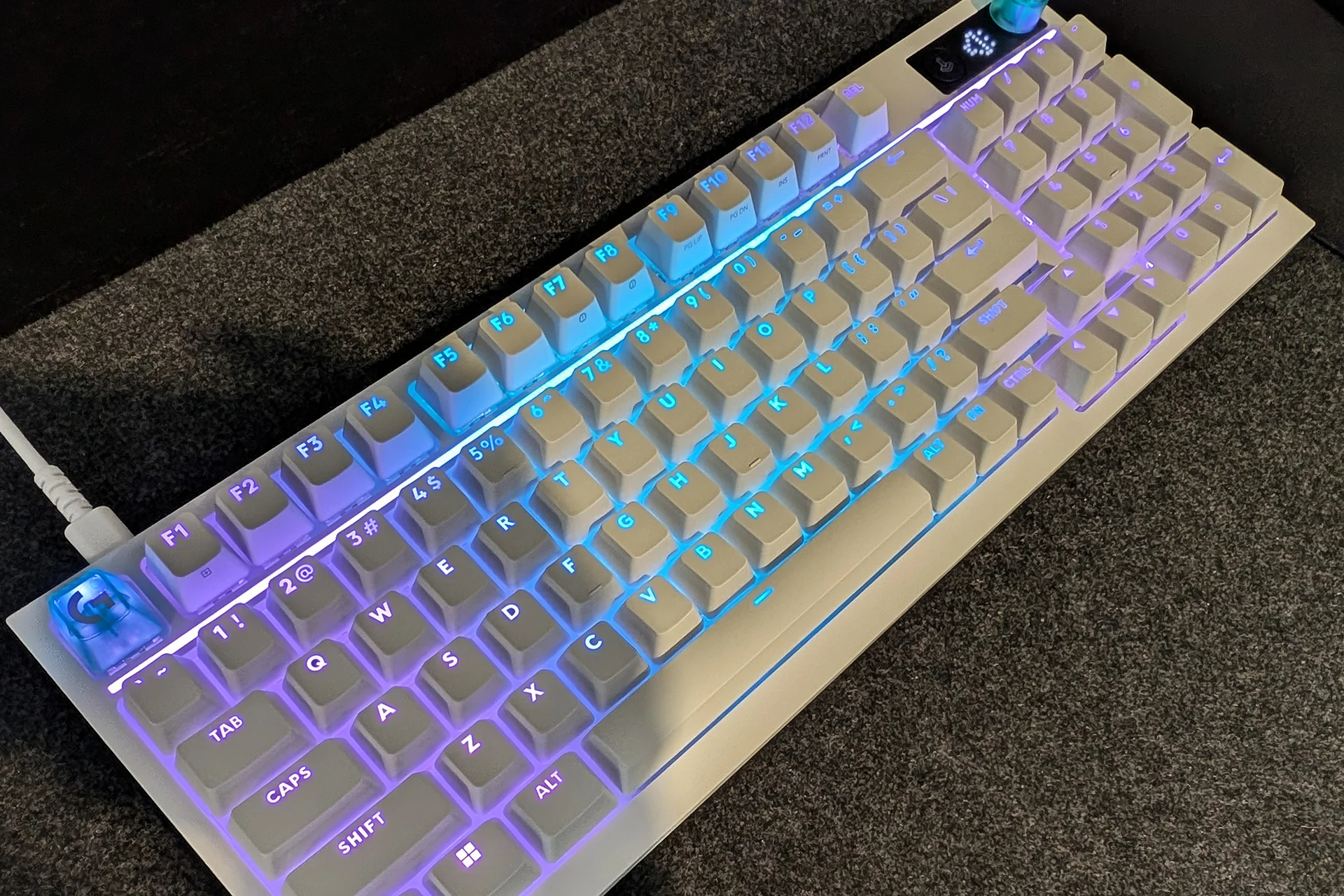
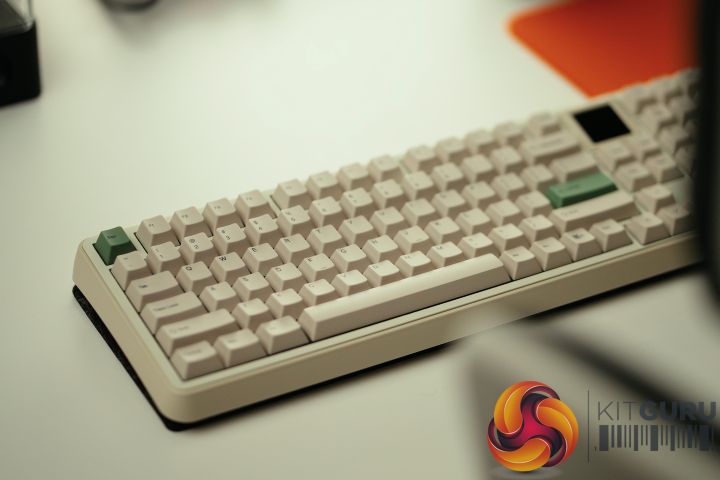
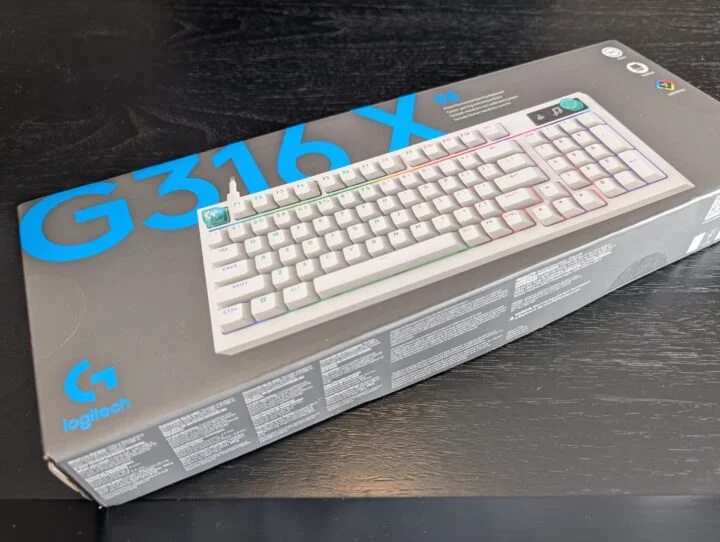
Retro mechanical keyboards are modern boards that dress in vintage keyboard design cues—like 90s-style cases, pixel displays, and muted colours—while hiding contemporary switches, lighting, and software under the hood to deliver both nostalgia and present-day performance for gaming and everyday typing. For anyone tempted by retro gaming keyboards, the key question is not whether they look the part, but how well the design survives contact with modern mechanics and software. The Logitech G316 X is a compact full-size board that visually nods to early 90s beige-and-white office hardware, yet feels and performs like a fast gaming deck, complete with loud, satisfying mechanical switches and RGB effects. The Epomaker RT100 Pro, meanwhile, leans even harder into the aesthetic keyboard builds trend, with a case that “resembles a keyboard of yore” while hiding pre‑lubed switches and plate‑mounted stabilisers beneath the retro shell.
Design tightrope: vintage keyboard design vs real ergonomics
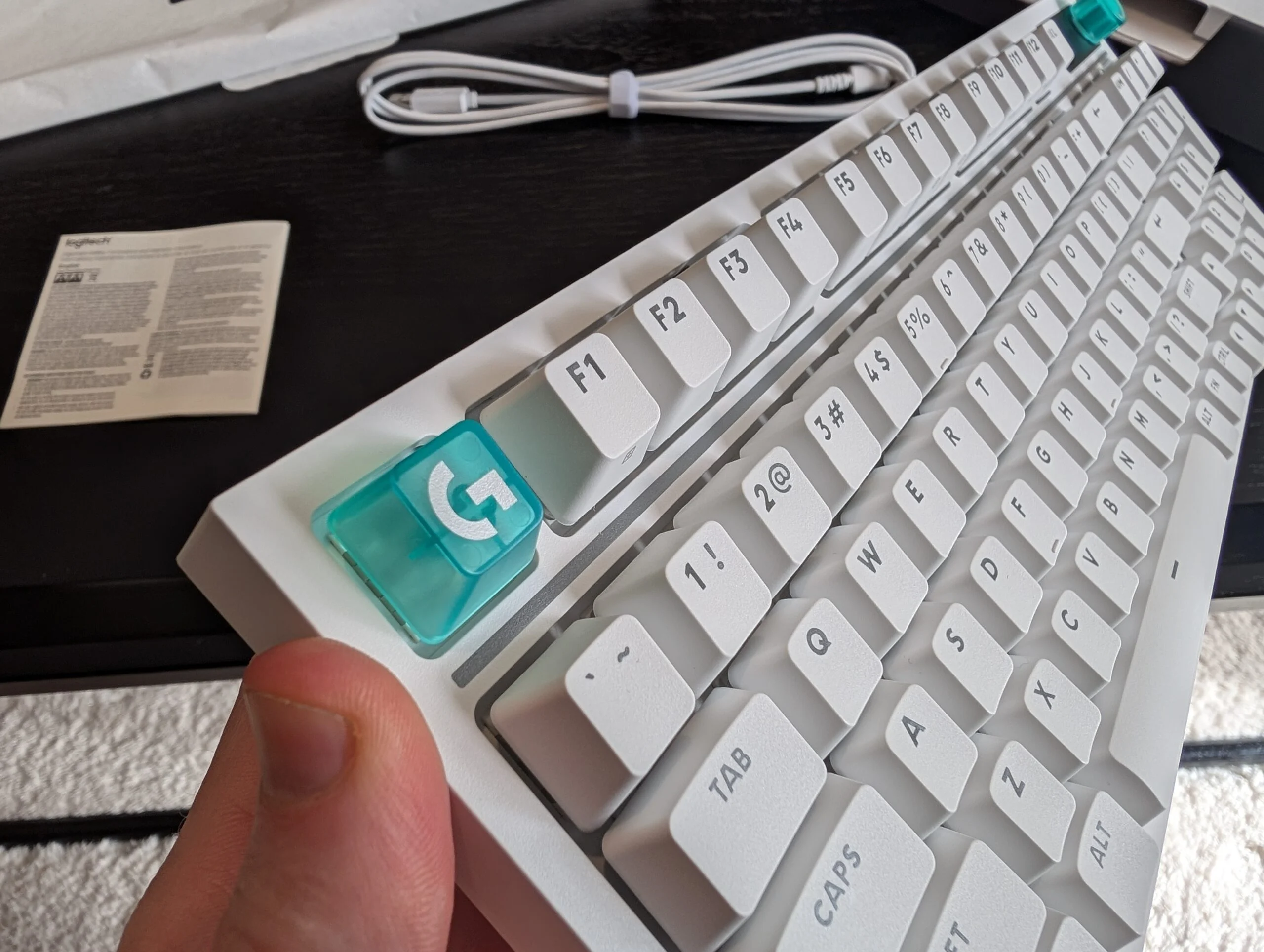
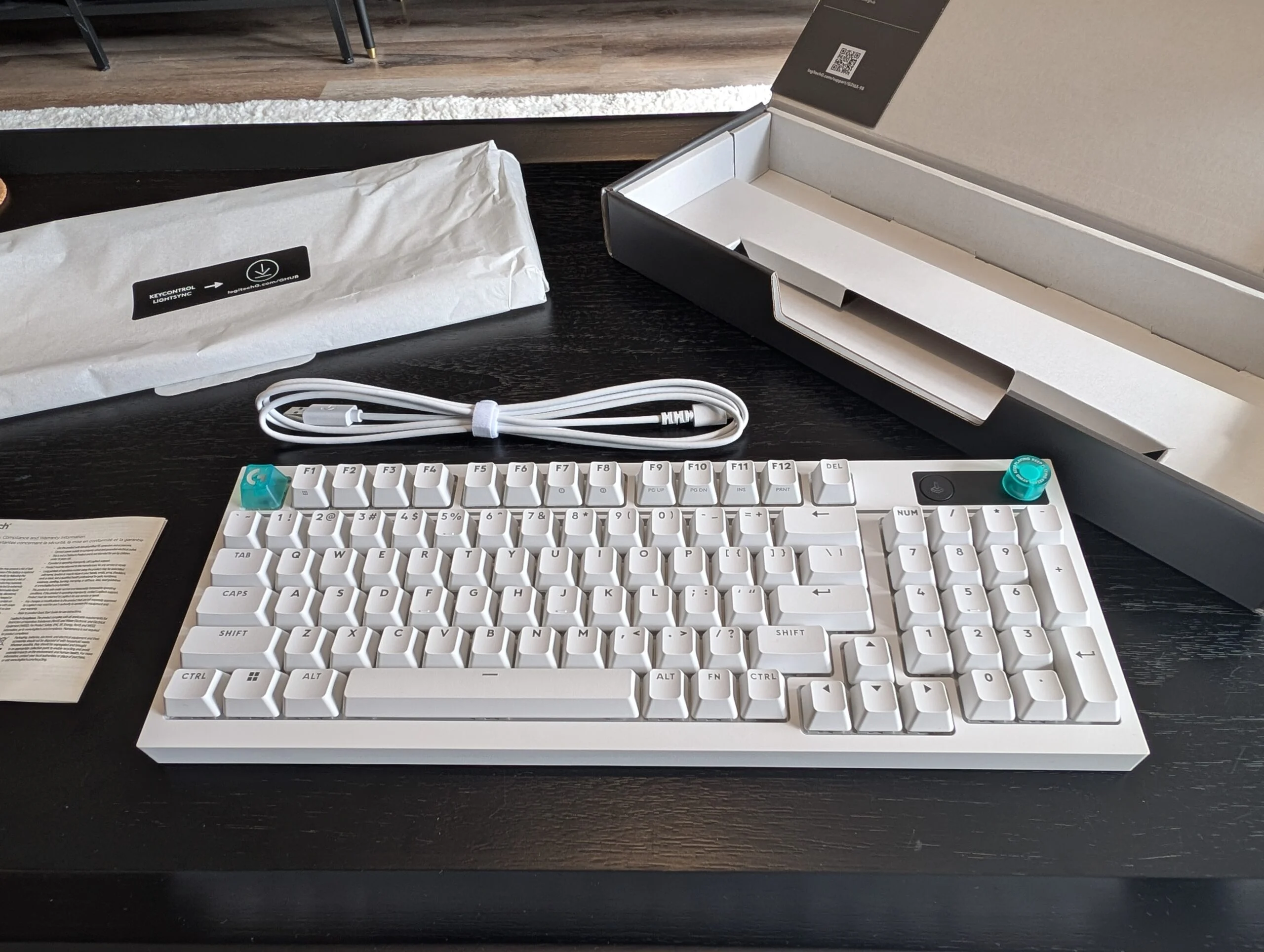
The charm of these retro mechanical keyboards comes from how far they go to imitate old hardware without reviving old pain points. The G316 X borrows the look of a 90s white board, but shrinks it into a compact full-size layout that keeps the numpad while trimming wasted space. That choice matters: you get nostalgic styling without surrendering modern desk ergonomics. The aqua‑tinted accent keys, dot‑matrix screen, and Tamagotchi‑like animations give personality without harming usability. In contrast, the RT100 Pro pushes the visual fantasy further with a detachable mini‑screen and body that “resembles a keyboard of yore”. However, this is where the design tightrope wobbles: the dim, detachable screen loses functionality when removed and depends heavily on companion software that became a real liability in testing. The lesson is blunt: the more aggressive the cosplay, the more room there is for comfort and practicality to suffer.
Modern mechanics in a retro shell: where the magic works
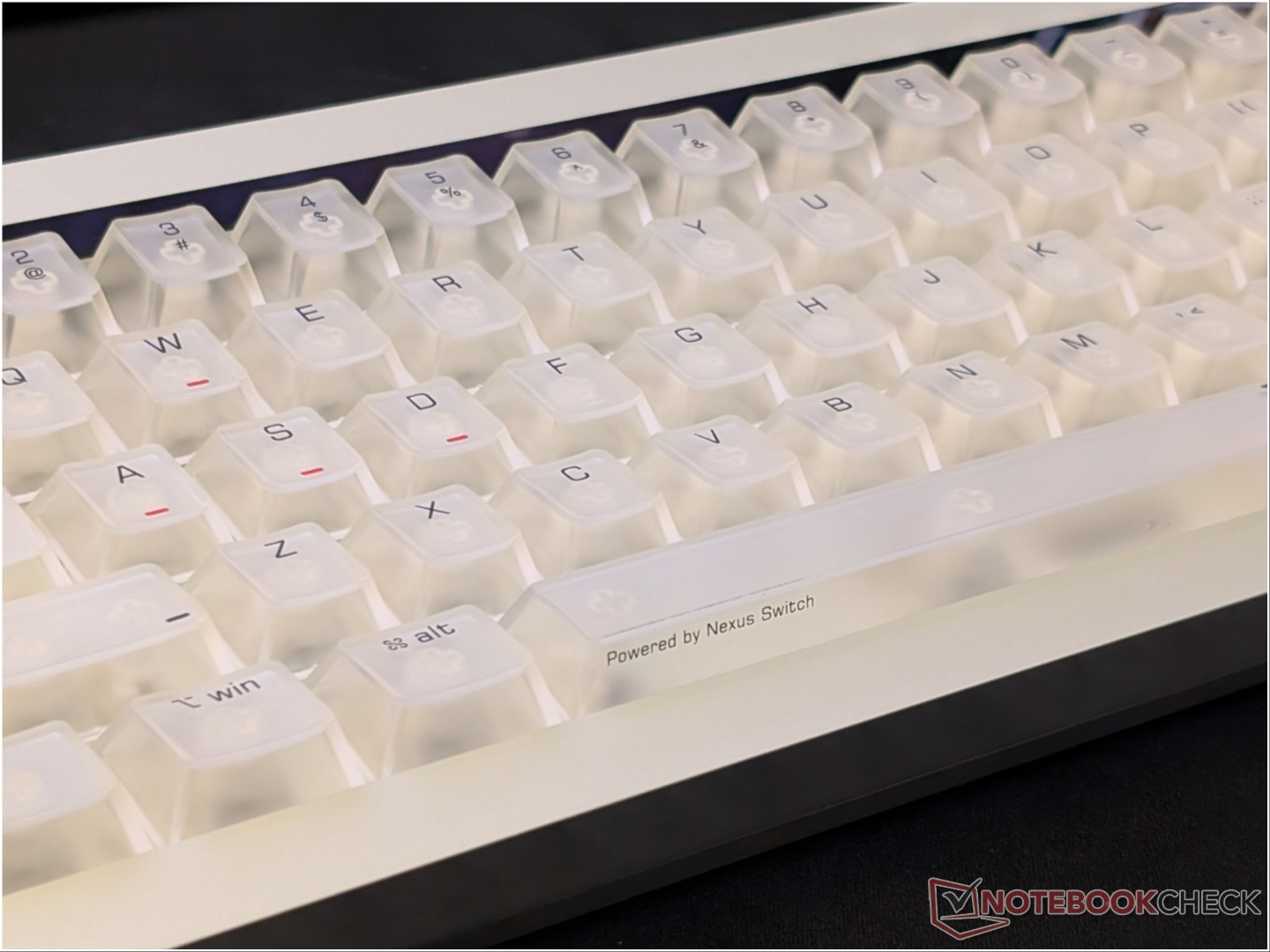
Under their nostalgic exteriors, these boards are unapologetically modern. The G316 X offers two mechanical switch options—linear and tactile—with a pronounced sound and feel that many enthusiasts look for. It supports hot‑swappable switches, so you can replace every switch on the board to fit your ideal sound and feel, even though Logitech doesn’t include extras in the box. That brings the flexibility of custom aesthetic keyboard builds into a pre‑built, retro‑inspired chassis. The RT100 Pro similarly hides pre‑lubed switches and plate‑mounted stabilisers behind its old‑school case, again proving that “vintage” today is an aesthetic choice, not a technical limit. When this formula works, you get the best of both worlds: the comfort of modern mechanical engineering and the personality of retro gaming keyboards. The danger is assuming that looks alone guarantee that the implementation is equally refined.
Customization and software: when modern extras undermine the retro fantasy
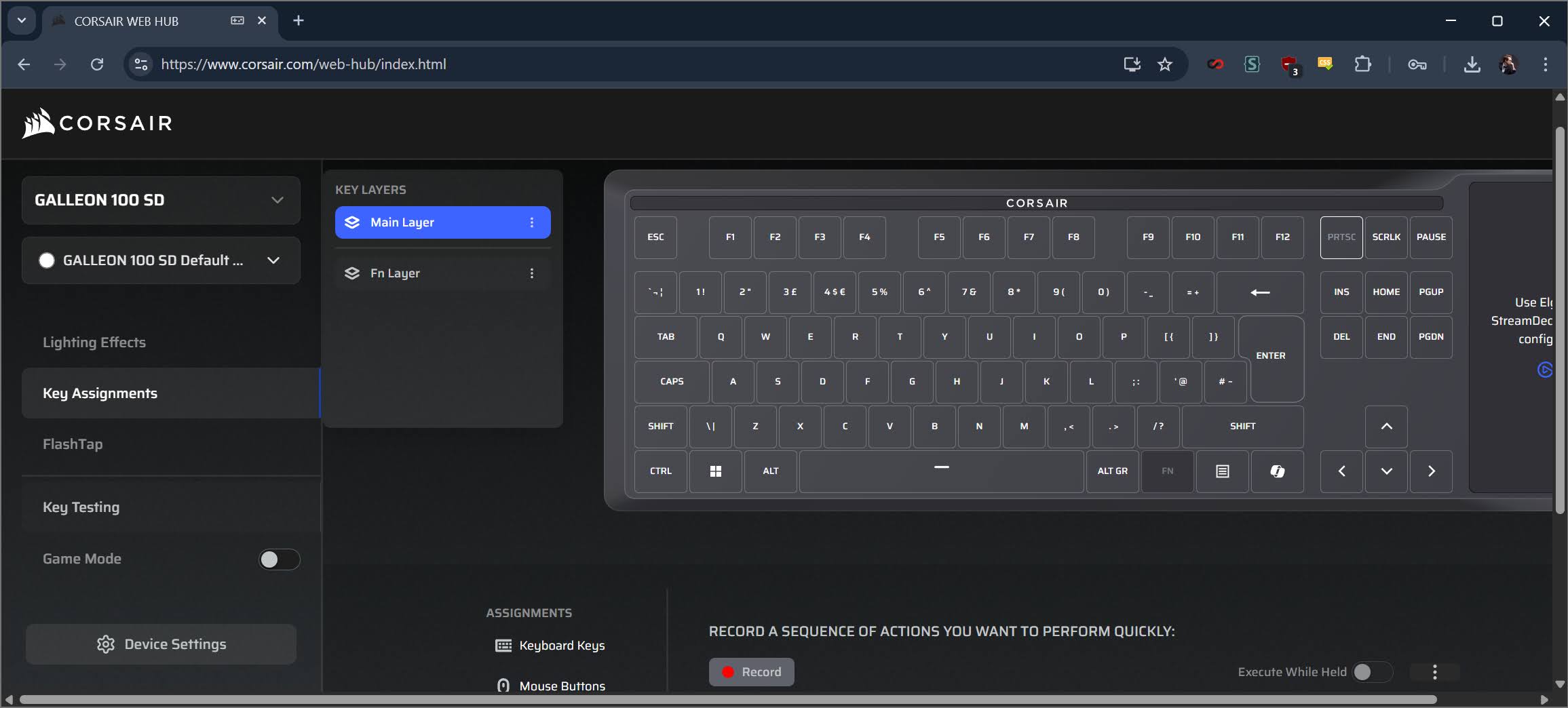
Retro styling does not mean a lack of features; in fact, these boards lean hard into modern customisation. On the G316 X, hot‑swap sockets let you fine‑tune both performance and aesthetics by swapping switches and keycaps to match your preferred sound profile and look. Its companion software focuses on per‑key RGB, a 30‑zone light bar, polling‑rate tweaks, and game mode settings, staying in its lane instead of trying to reinvent the PC. According to one review, the G316 X’s polling rate reaches up to 8,000 Hz, making it eight times more responsive than many 1,000 Hz keyboards. The RT100 Pro takes a different path: its detachable screen depends on software that, in its original form, demanded admin privileges and spawned services such as “screen_capture_service.exe” and “keyboard_monitor_service.exe” that consumed around 200 MB of RAM and increased desktop GPU power draw by roughly 20 W, even hurting in‑game performance. Retro flair ceases to be charming the moment it cuts frame rates.
Performance reality: when to chase the vibe, when to walk away
In real use, the contrast between these two retro mechanical keyboards is stark. The G316 X backs its nostalgic look with consistent performance: testing found it “incredibly responsive” and satisfying to type on, with no real faults beyond the limitation of being wired and adding one more cable to your desk. Its price of USD 199.99 (approx. ₱11,200) positions it as a premium but focused product that prioritises feel and responsiveness over gimmicks. The RT100 Pro, on the other hand, shows how modern add‑ons can sabotage a promising design. The board itself is physically attractive, and follow‑up firmware revisions improved behaviour, but early software versions degraded system performance and raised legitimate security questions. In the end, the takeaway is clear: if you care about both aesthetics and performance, you should treat retro gaming keyboards with healthy scepticism. Buy the ones where the throwback styling sits on top of solid mechanics and restrained software—and avoid those where the “modern additions” become the real problem.