
What the Wax Boil Technique Does for Alps Switches
The wax boil technique for Alps switch restoration is a batch method that coats cleaned switch sliders with a thin film of paraffin wax, aiming to improve smoothness and tactile feel without dramatically changing the character of the switch or requiring the time-consuming, one-by-one application of traditional lubricants.
Think of wax boiling as a middle ground between “dusting out old switches and hoping for the best” and “hunting for immaculate new old stock.” It will not make worn Alps feel brand new, but it can bring a tired board back into the pleasant, usable zone with relatively little effort compared to hand-lubing each switch. This is especially appealing when you are working through a pile of donor switches and want better tactility and reduced binding without turning the project into a multi-week chore. The main caveat: you need the right wax, careful cleaning, and attention to heat, or you risk damaging housings or ending up with uneven, noisy results.

Tools, Materials, and Safety Checks Before You Start
Before you dive into the wax boil technique, gather what you need and confirm your switches can withstand the process. Most hobbyists use plain paraffin from tea light candles, which are typically free of dyes or coatings and melt cleanly; candle sticks are not recommended because their additives can contaminate the sliders and affect feel. You will also need a bowl or jar that can handle hot water, a strainer, soft towels, and whatever you use to clean the switches beforehand.
The big safety check is switch type: early Alps “pine” housings tolerate boiling water, while later “bamboo” variants may deform or fail at boiling temperatures. Confirm what you have before you even think about heat. When cleaning top housings and sliders, warm water with soap and multiple rinses, ultrasonic cleaning, or careful boiling are all options, but anything that involves very hot water should only be used on safe housing types. Also watch the container you use for the wax boil itself; adding hot water to fragile glass risks cracking, so pick something thick and heat-resistant.
Step-by-Step: Performing a Wax Boil on Alps Sliders
Once your switches are disassembled and the parts are clean, the goal is to give each slider a thin, even wax film where it contacts the housing and leaves. Done correctly, this film can cut down on scratchiness and binding while preserving the stock Alps sound and general feel better than heavy grease. The biggest trap here is rushing the agitation step; skipping it leaves most sliders barely touched by wax and makes the whole effort feel pointless.
- Source wax: Shave a small amount of paraffin from plain tea light candles; avoid candle sticks with dyes or coatings.
- Prepare the sliders: Place all clean, dry switch sliders in a heat-resistant bowl or a sealable jar.
- Add wax and hot water: For about 100 sliders, use roughly a teaspoon of wax shavings, then add hot water, watching for thermal shock if using glass.
- Agitate thoroughly: Stir vigorously for a minute or more, or seal the jar and shake, so melted wax meets every slider instead of floating harmlessly on top.
- Strain and dry: Pour the mix through a strainer to remove water and loose wax, then spread sliders on a soft surface to dry with minimal disturbance.
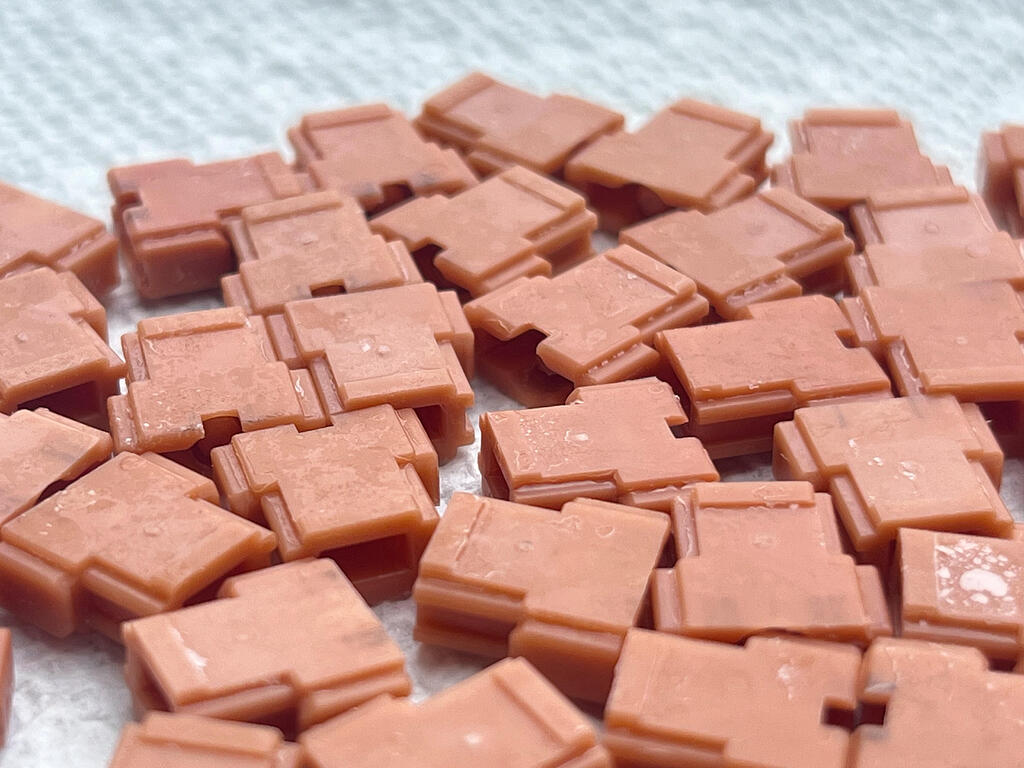
- Inspect the coating: Check that each slider has a reasonably even wax film, especially on surfaces that touch the housing, contact leaf, and tactile or click leaf.
- Reassemble switches: After housings and sliders are dry, rebuild the switches and mount them so you can begin the break-in presses.
During inspection, focus on the parts of the slider that ride the rails and interact with metal leaves; these areas need the most consistent wax coverage for smoother travel. Too thick a coating can change the way the tactile or click leaf behaves, which you will notice later as odd sounds or extra clicks. Keeping the film thin and checking a handful of sliders up close pays off with more predictable results across the whole batch.
Breaking In, Common Mistakes, and Expected Feel
Fresh out of reassembly, wax-boiled Alps can feel rough or underwhelming, and that is normal. The surface of the wax is not perfectly smooth at first, so the switches need a few hundred actuations to settle in as friction evens out the film. During this break-in, pay attention to sound and tactility rather than judging the switches on the first dozen presses.
Two mistakes come up often. The first is failing to stir or shake vigorously enough, which leaves many sliders nearly bare and makes people think the method “does nothing.” The second is applying such a thick wax film that tactile switches develop an extra click on the upstroke; in that case, some builders scratch or wipe wax off the area that touches the tactile or click leaf, while others find that rapid, repeated actuation for 10–15 seconds is enough to wear away the excess. One user’s verdict sums it up well: this method "definitely improves the switch feel by a large margin, but it’s not effective enough to get them to feel new or near-new."
Is Wax Boiling Worth It for Your Alps Project?
Wax boiling is not the only path to smoother vintage Alps, but it earns its place as a practical option when plain cleaning is not enough and you do not want to commit to hand-lubing every slider with grease. Compared with new old stock, the result is still second best, yet for switches in mediocre condition it can make the difference between a board that feels tired and one that feels satisfying again.
Compared with thorough dusting alone, the wax film usually improves smoothness more noticeably. Compared with silicone grease, wax tends to change the sound and feel less, avoiding the “wet” sensation some people dislike and saving time because you treat a whole batch at once instead of one slider at a time. Reports suggest that waxed switches can continue to feel good even a year later, though long-term durability may still lag behind grease. Overall, if you are budget-conscious, sitting on a pile of donor switches, and willing to respect the heat limits of your housings, the wax boil technique is worth trying as a low-cost way to extend the life and enjoyment of your Alps collection.