
Top Pick: DJI Mavic 4 Pro – the drone most people should buy
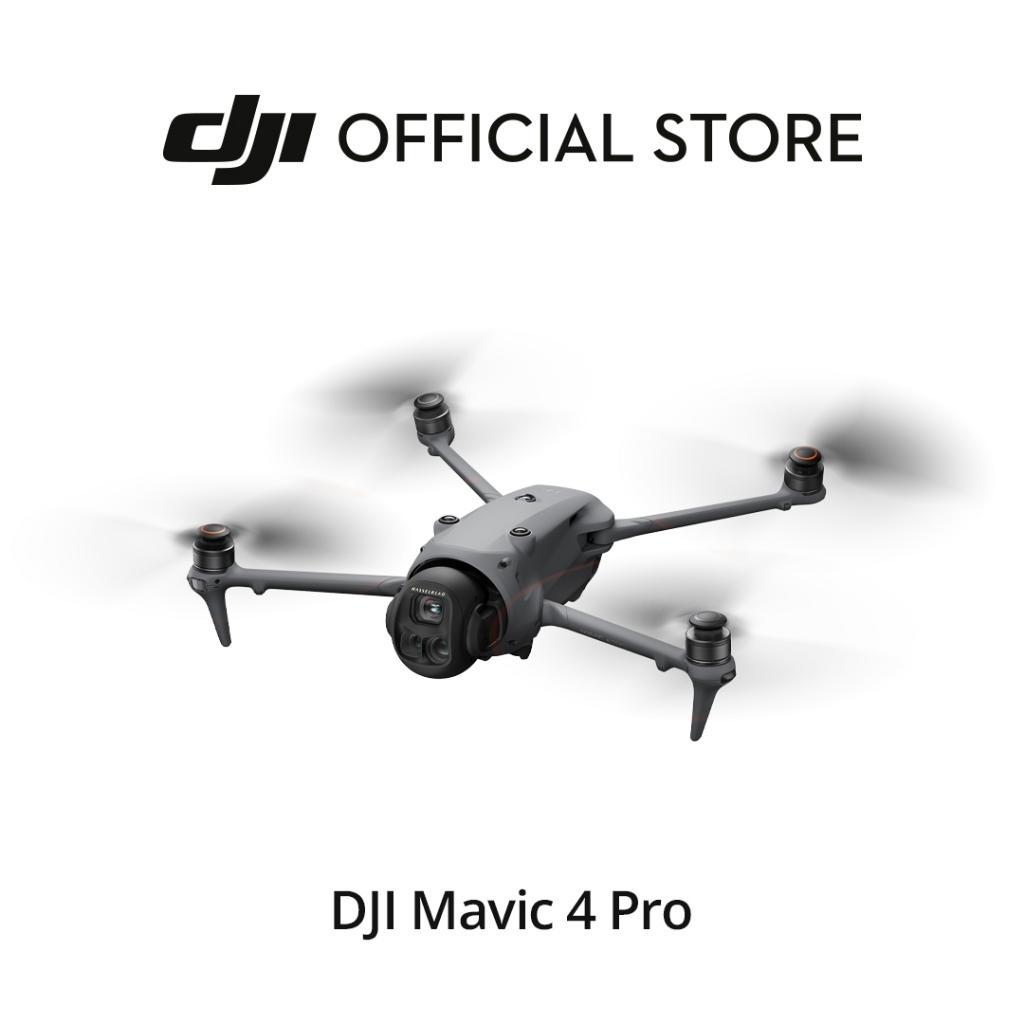
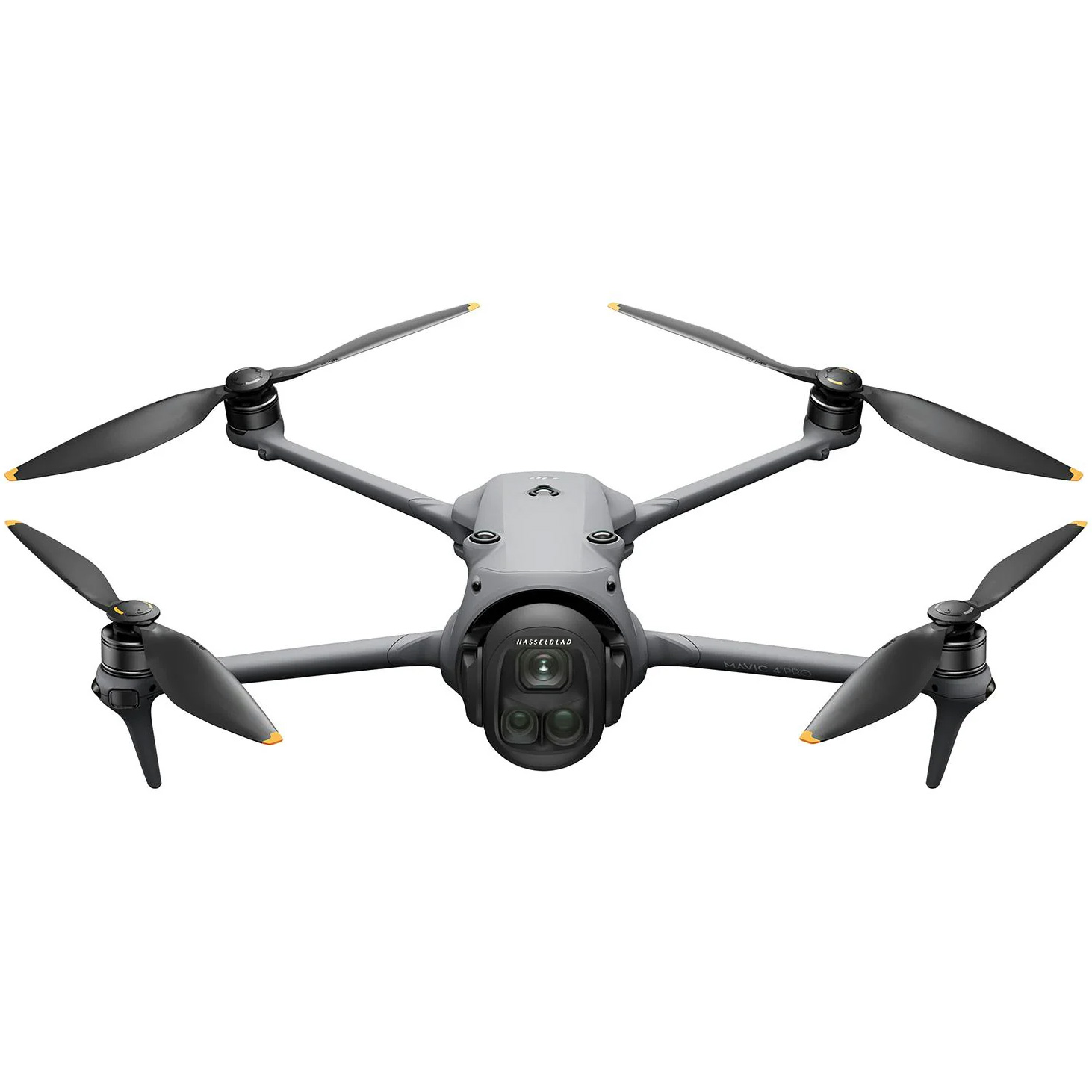
The best camera drones are flying cameras with stabilised gimbals, high‑resolution sensors and smart flight controls that let photographers and filmmakers capture smooth aerial photos and 4K or higher video from perspectives that would be impossible with handheld gear alone. For most people, the clear winner is the DJI Mavic 4 Pro. It combines a class‑leading triple‑camera system with long flight times, strong obstacle avoidance and controls that remain approachable even if you have limited flight experience. According to one test, it can shoot up to 6K video and 100MP stills while reaching speeds of 60.4mph. That makes it the standout all‑rounder for travel creatives, real‑estate shooters and solo filmmakers who want one drone that can handle nearly any job, from cinematic landscape passes to detailed property fly‑throughs.
How to choose the right aerial photography drone
Before you compare models, decide what matters most: price, camera capability and practicality. Practicality includes weight because regulations often treat sub‑250g drones more favorably. If image quality is your priority, look for larger image sensors and support for advanced formats such as cinema‑grade codecs. Many of the best 4K video drones now offer 60–120fps options for slow motion. For smooth footage, a three‑axis gimbal is non‑negotiable, and you should also check quoted battery life because endurance dictates how much you can shoot per flight. Modern drone videography equipment adds AI features like subject tracking, automated orbits and quick shots, plus multi‑direction collision sensors for safer flying. In short, match sensor size and frame rates to your image needs, and flight time, weight and safety features to how and where you plan to fly.
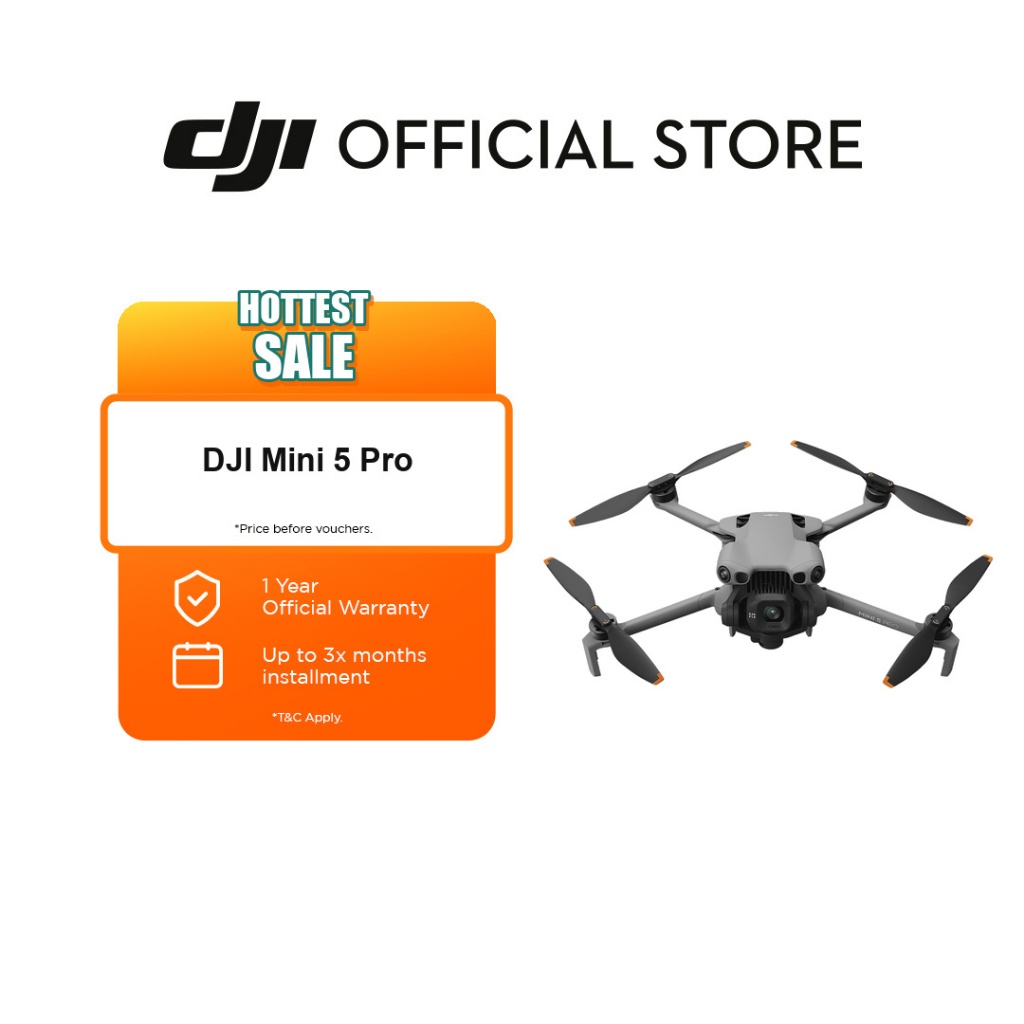
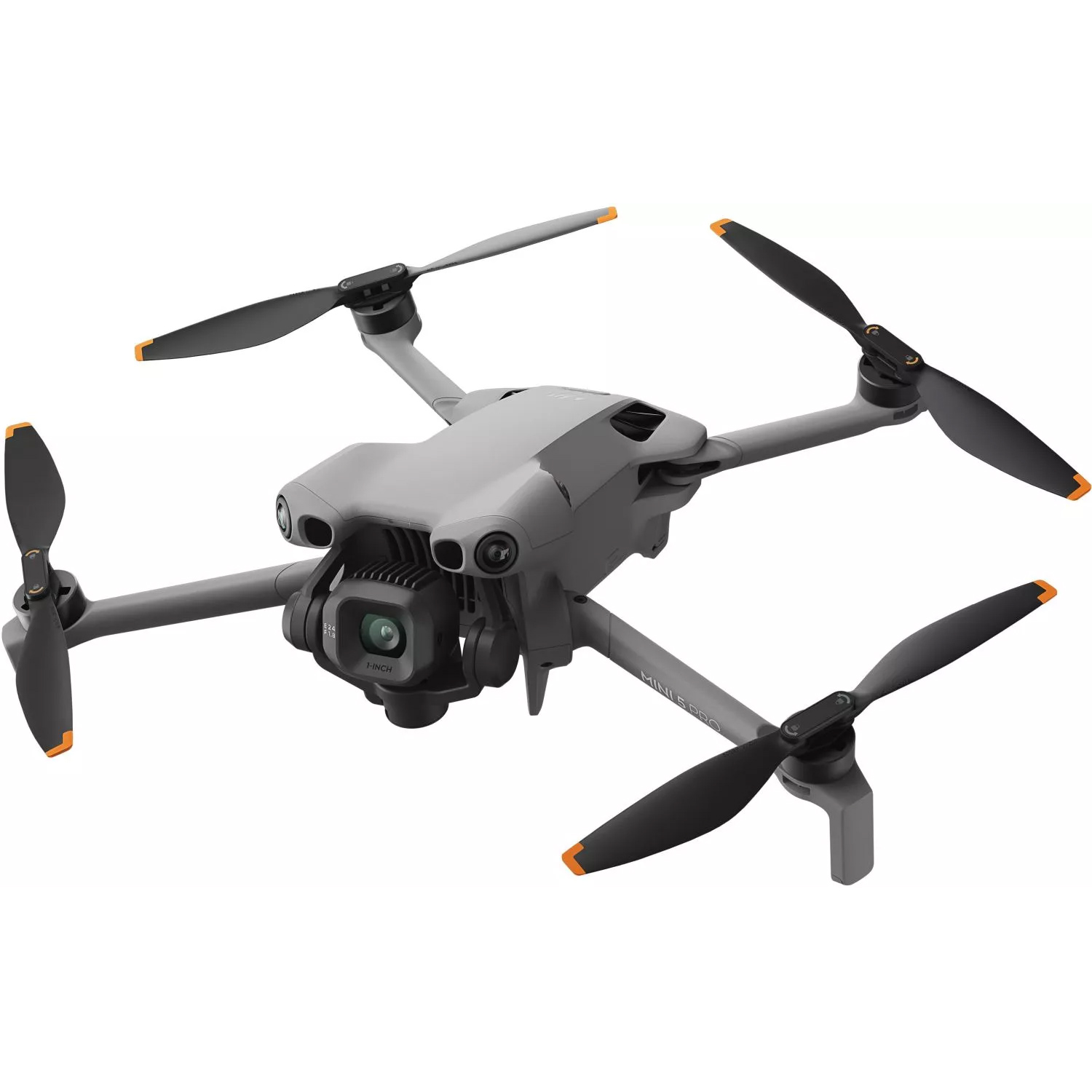
DJI Mini 5 Pro – the ultimate sub‑250g 4K drone
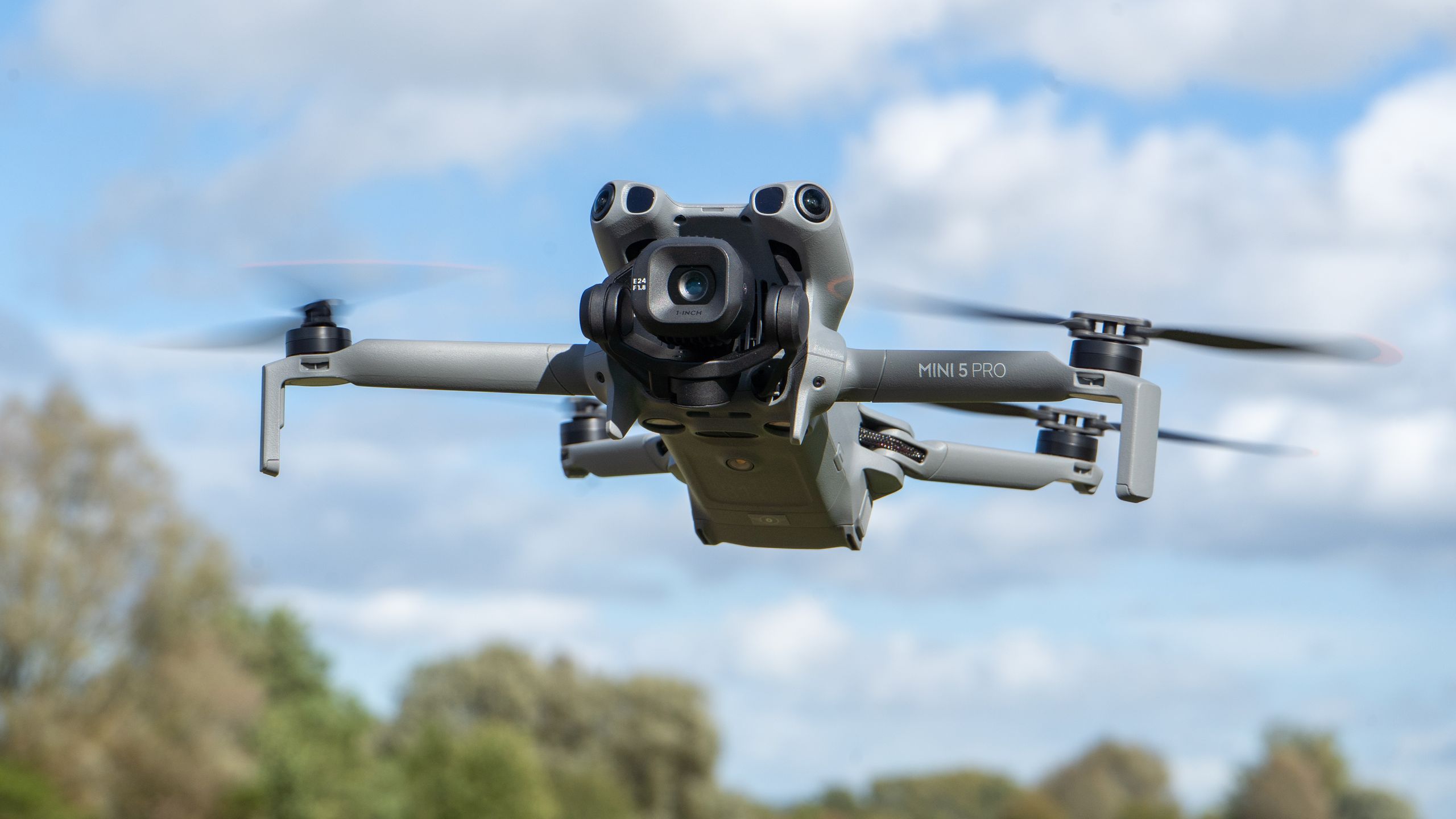
If you want the most capable aerial photography drone under 250g, get the DJI Mini 5 Pro. It weighs only 249g yet packs a 1‑inch sensor capable of 50MP stills and 4K video at 60fps, or 120fps for slow motion. It records 10‑bit D‑Log M and HLG, so its color and low‑light performance approach professional drone cameras. Official specs quote 36 minutes of flight time, a 30km range and a top speed of 19m/s (about 42mph).[] All‑round collision sensors and strong AI capabilities for orbits and tracking make it safer and easier to fly. Downsides: its light weight makes it more vulnerable to gusts, it is priced in line with some larger “Pro” drones, and there is no optical telephoto lens, only digital zoom.
| Spec | Mini 5 Pro | Air 3S |
|---|---|---|
| Weight | 249g | 724g |
| Max video | 4K @ 120fps slow‑mo | 4K @ 60fps |
| Camera resolution | 50MP | 50MP + 48MP dual cameras |
| Battery life | 36 minutes | 45 minutes |
| Max range | 30km / 16.6 miles | 20km / 12.4 miles |
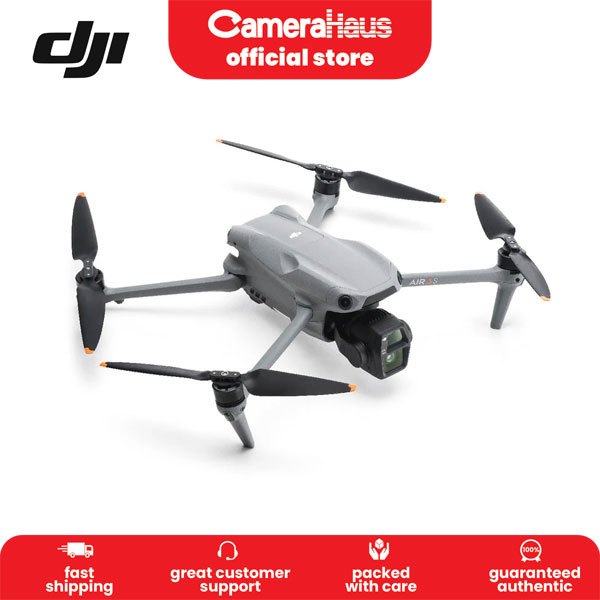
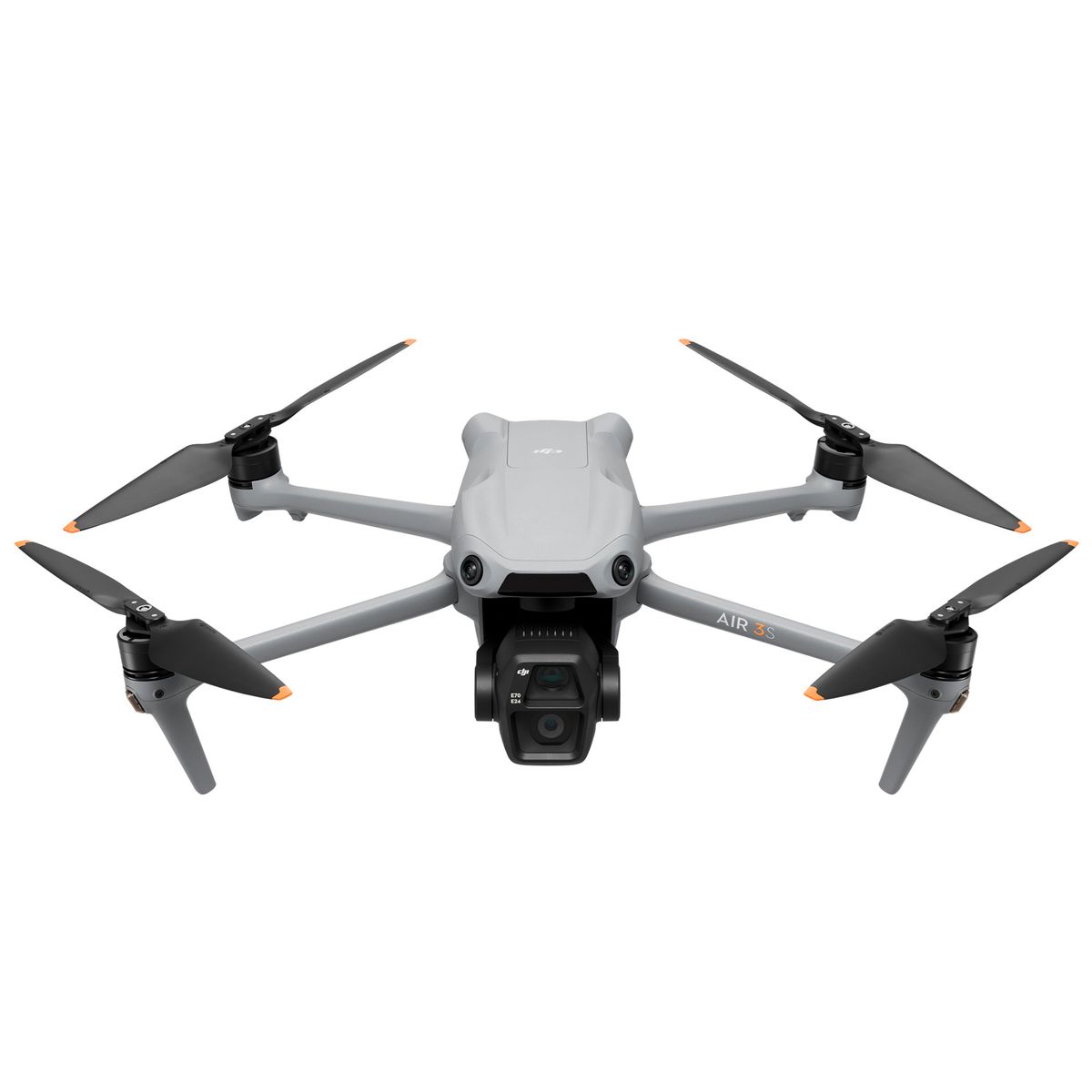
DJI Air 3S – best mid‑range dual‑camera all‑rounder
For buyers who want more reach and flight stability than a mini can offer, the DJI Air 3S is the sweet spot. It weighs 724g and adds a dual‑camera system: a 50MP wide and a 48MP tele, both shooting 4K video up to 60fps. With a 45‑minute battery life, 20km range and a 75kph (47mph) top speed, it suits landscape photography, real‑estate work and run‑and‑gun drone videography where you need longer flights and stronger wind resistance. All‑round collision sensors, useful AI flight modes and 4K 100fps slow motion strengthen its appeal. However, its sensor is smaller than the older Air 2S, and advanced users will note that HLG and D‑Log M are limited to 4:2:0 output. It also weighs far more than sub‑250g models, so you lose some legal flexibility, but in exchange you gain a more capable, stable camera platform.
DJI Mavic 4 Pro – premium choice for professional drone cameras
If you care most about image quality and creative flexibility, step up to the DJI Mavic 4 Pro. It uses a triple‑camera system: a Four Thirds Hasselblad that can output 100MP or 25MP stills, a 70mm lens with a 48MP/12MP 1/1.3‑inch sensor, and a 168mm lens with a 50MP/12.5MP 1/1.5‑inch sensor. It records up to 6K60 video, 4K at up to 120fps and vertical 4/3 crops at up to 4K60, with telephoto video to 2.7K60. A 6654mAh battery delivers up to 51 minutes of flight, though testing suggests around 37 minutes while filming. The foldable airframe weighs 1063g and includes improved obstacle sensing, advanced Return to Home that no longer depends on GPS, and wind resistance up to 26.8mph when hovering. It can reach 60.4mph in Sport mode and track subjects moving up to 40.3mph, yet remains “surprisingly easy to use”.
Buy if / Skip if
- Buy the DJI Mini 5 Pro if you want the ultimate power under 250g and need maximum legal flexibility with pro‑level 4K video in a tiny airframe.
- Skip the DJI Mini 5 Pro if you are on a tight budget and are happy with fewer advanced features and simpler color profiles.
- Buy the DJI Mini 5 Pro if you shoot travel, outdoor adventures or real‑estate exteriors where long range, 36‑minute flights and subject tracking make a big difference.
- Skip the DJI Mini 5 Pro if you need a true optical telephoto lens instead of relying on digital zoom.
- Buy the DJI Air 3S if you want a great all‑rounder with dual cameras, long battery life and stronger stability than a mini drone.
- Skip the DJI Air 3S if you need to stay under 250g for regulatory reasons or ultra‑light travel kits.
- Buy the DJI Air 3S if you want an affordable way into telephoto drone work without stepping up to a full flagship model.
- Skip the DJI Air 3S if you are attached to the 5K video of the older Air 2S and do not need a tele lens.
- Buy the DJI Mavic 4 Pro if you want the best drone overall and demand 6K video, 100MP stills and triple‑camera versatility.
- Skip the DJI Mavic 4 Pro if you are on a budget and can live with the more limited but still strong imaging of the Mini 5 Pro or Air 3S.