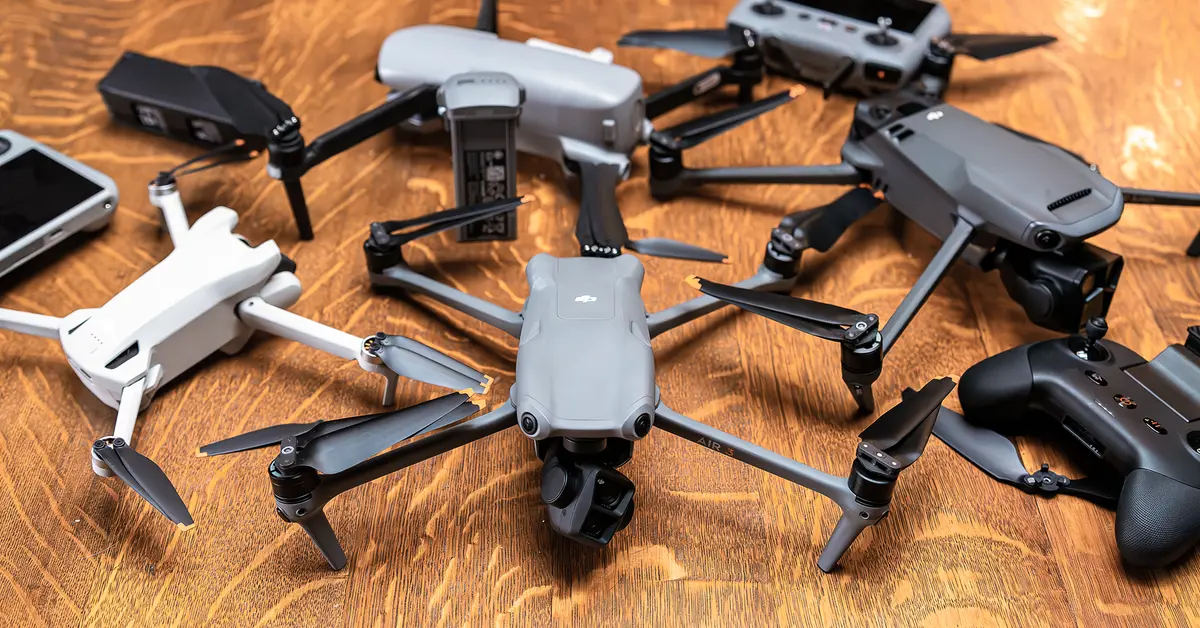

The Shortlist: Why DJI Air 3S Is the Default Choice
Camera drones are flying cameras with stabilized gimbals and smart controls that let photographers and videographers capture high-quality aerial photos and video from perspectives impossible for handheld cameras, making them essential tools for modern imaging workflows across travel, commercial, and creative projects.
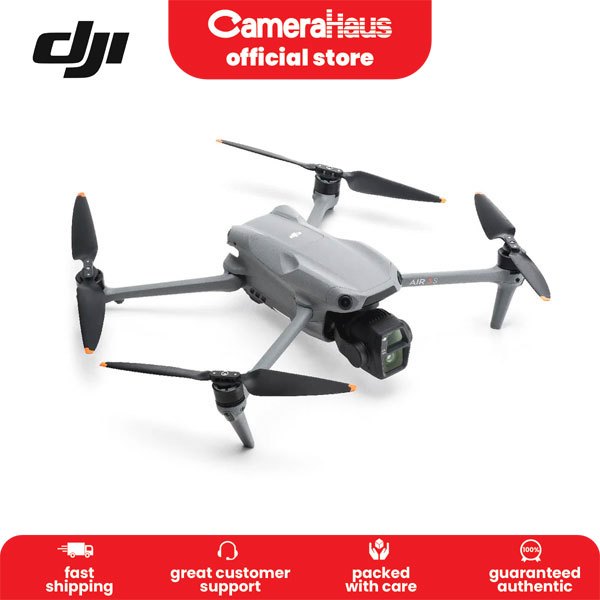
If you want one drone that suits most photographers and filmmakers, pick the DJI Air 3S without hesitation. It combines two excellent cameras with long flight time, wide‑angle obstacle avoidance, and intuitive controls that keep flying stress low. In testing, it avoided trees, fences, and the ground from every direction, even at night, thanks to 360‑degree sensors and a front lidar unit that can detect objects the cameras cannot. According to one expert source, “the DJI Air 3S is the best drone for budding aerial photographers and videographers because it provides automated obstacle avoidance and two high-quality cameras, while also offering overall ease of use.” Around it, the best camera drones 2026 lineup splits into ultra‑light minis for travel and heavier, more stable aerial photography drones for demanding video, so your choice should reflect how and where you fly.
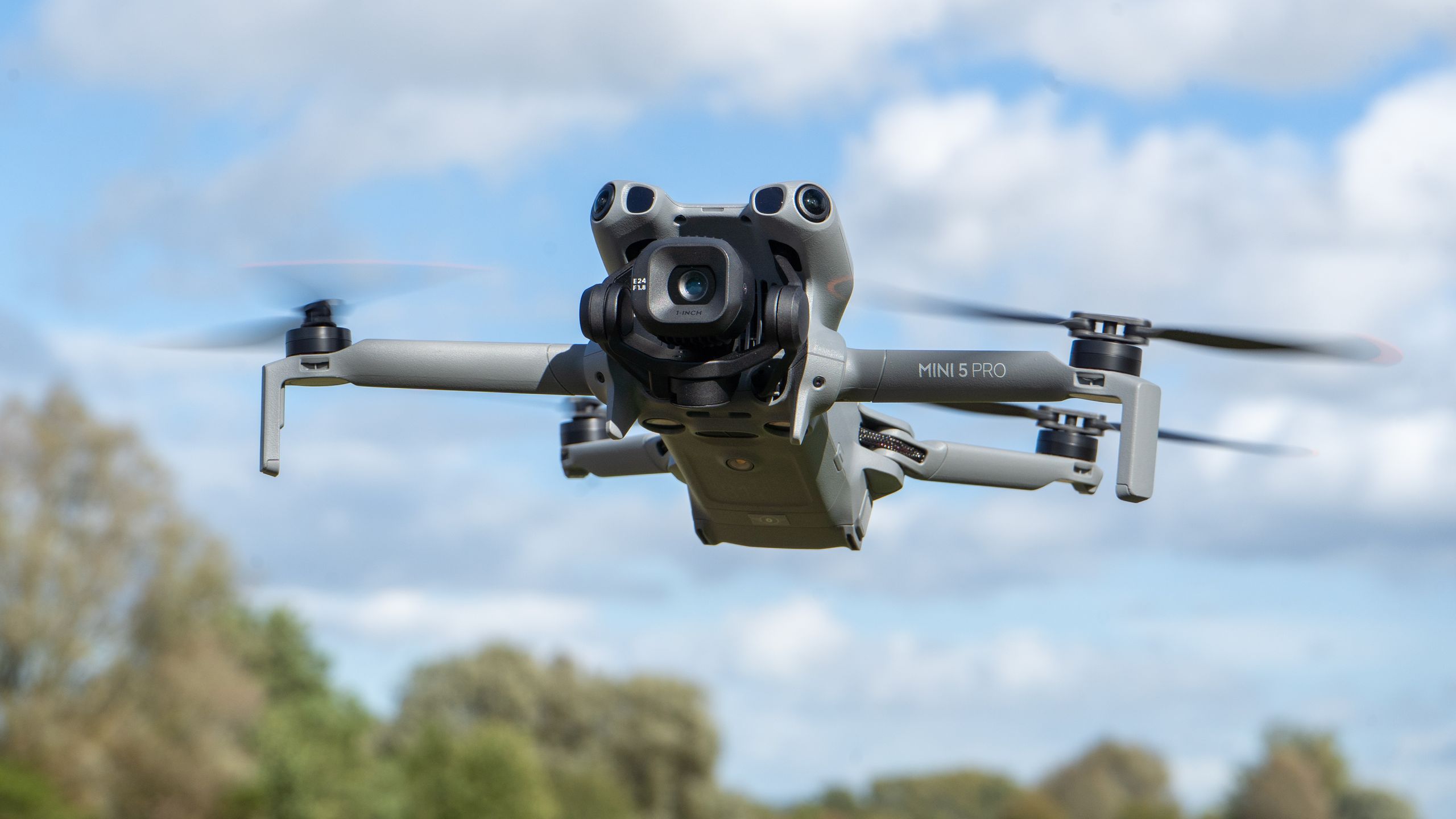
DJI Air 3S vs DJI Mini 5 Pro: Core Specs at a Glance
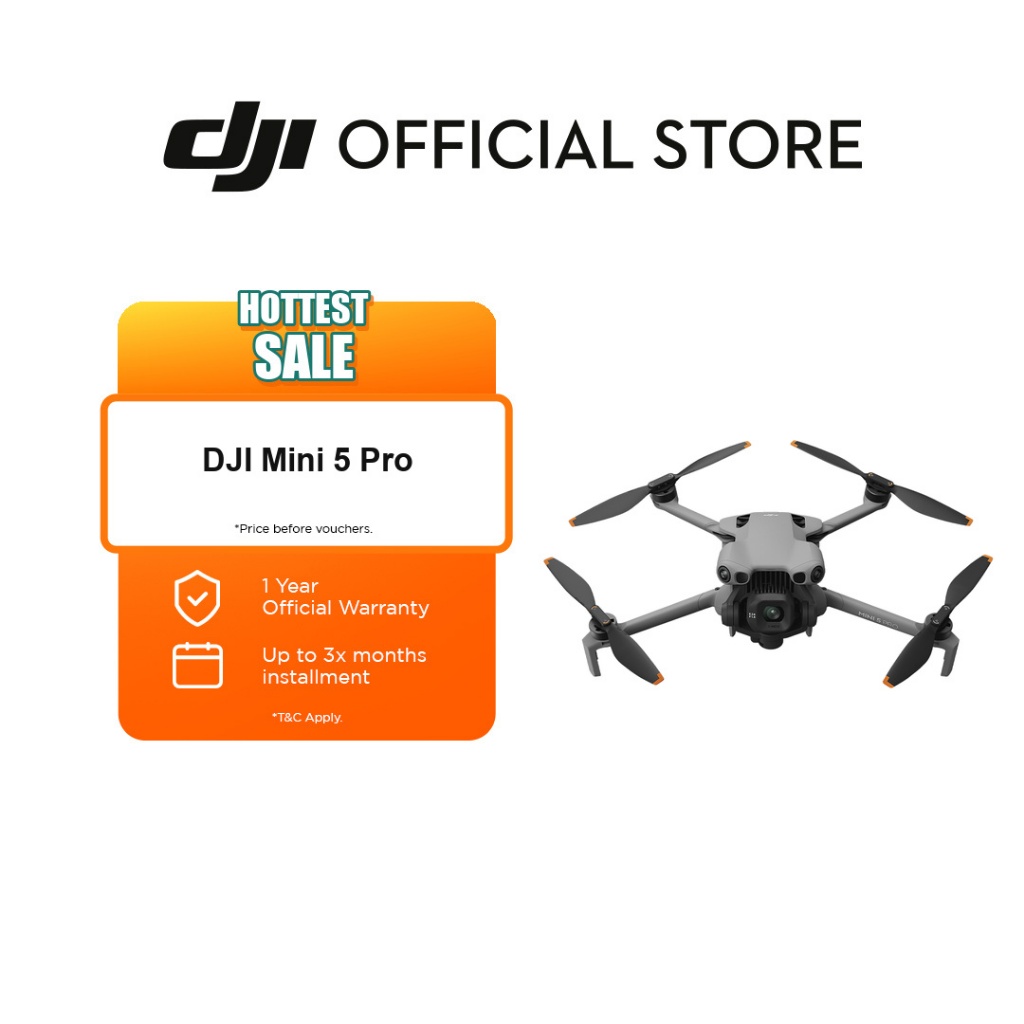
Both the DJI Air 3S and DJI Mini 5 Pro sit at the top of today’s drone video equipment market, but they solve different problems. The Air 3S is the bigger, more stable all‑rounder, while the Mini 5 Pro focuses on squeezing pro‑level tools into an ultra‑light body that stays below typical 250 g registration thresholds. If you shoot in tighter locations or want the easiest possible travel setup, the Mini 5 Pro will tempt you; if you care more about versatility, the Air 3S’s dual‑camera system wins. In both cases you get serious flight time, high‑resolution 4K video capture, and strong safety features like all‑round collision sensors and advanced subject tracking.
| Spec | DJI Mini 5 Pro | DJI Air 3S |
|---|---|---|
| Weight | 249 g | 724 g |
| Dimensions (folded) | 157×95×68 mm | 214×101×89 mm |
| Dimensions (unfolded) | 304×380×91 mm | 266×325×106 mm |
| Video resolution | 4K up to 100 fps or 60 fps HDR | 4K up to 60 fps |
| Camera resolution | 50 MP | 50 MP + 48 MP dual cameras |
| Battery life (max flight time) | 36 minutes | 45 minutes |
| Max range | 30 km / 16.6 miles | 20 km / 12.4 miles |
| Max speed | 19 m/s / 42 mph | 75 kph / 47 mph |
| Main sensor & lens | 1-inch sensor, wide lens (with optical portrait orientation) | Main 24mm‑equivalent, f/1.8 lens with large 1‑inch sensor |
| Obstacle avoidance | All‑round collision sensors with LiDAR at the front | All‑round collision sensors and lidar‑aided 360‑degree avoidance |
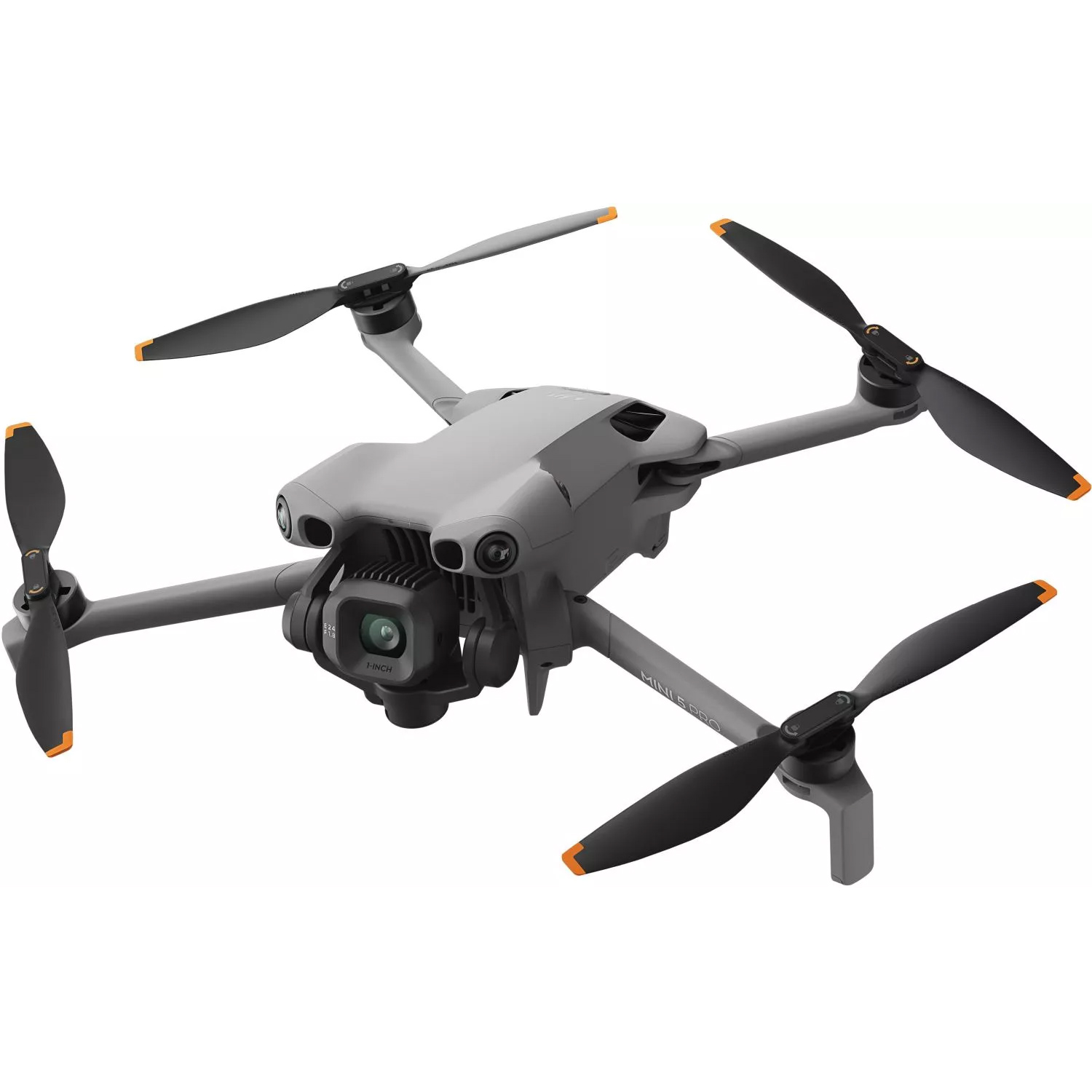
Who Each Drone Suits: Skill Levels, Budgets, and Use Cases
The Air 3S is the best default option for photographers and videographers who want a reliable, capable aerial platform that will handle almost any brief. Its dual‑camera setup gives you both a 24 mm‑equivalent wide view and a true telephoto option, something digital zoom cannot match. With 45‑minute flight time and long‑range transmission, it suits travel shooters, wedding filmmakers, and content creators who need an all‑day workhorse. The DJI Mini 5 Pro fits a different profile: you pick it if you need maximum power in an under‑250 g airframe, either to stay within lighter regulations or to pack the smallest possible kit. It delivers 4K video up to 100 fps, 50 MP stills, strong AI subject tracking, and all‑round collision sensors, while its 1‑inch sensor and 10‑bit color modes align it with more professional drone selection standards. Both are approachable for beginners thanks to stable GPS hover and guided modes, yet deep enough for pros.
What Matters Most When Choosing the Best Camera Drones
Before you decide between these aerial photography drones, focus on a few key criteria. First, camera quality: look for larger image sensors, fast lenses like the Air 3S’s 24 mm‑equivalent f/1.8 lens with a large 1‑inch sensor, and advanced codecs if you plan to grade heavily in post. Second, flight time and range: longer battery life (36–45 minutes in these models) and strong radio links mean more usable takes and safer returns. Third, stabilization and safety: a good gimbal, reliable GPS, and all‑round collision sensors drastically improve footage and reduce risk. Finally, flight controls and software matter as much as pure imaging specs; easy‑to‑use controllers, well‑designed apps for calibration, maps, and intelligent modes, plus obstacle sensing that reduces pilot workload, all help you capture smoother, more ambitious drone video equipment shots even if you are still learning.
Buy if / Skip if
- Buy the DJI Air 3S if you want a great all-rounder with dual cameras, long battery life, and strong obstacle avoidance for both manual and automated flights.
- Skip the DJI Air 3S if you need to stay under 250 g for the lightest regulatory category or ultra-compact packing.
- Buy the DJI Mini 5 Pro if you want the ultimate power under 250 g with a 1-inch sensor, 4K high-frame-rate video, and all-round collision sensors.
- Skip the DJI Mini 5 Pro if you are looking for the best value and can live without every advanced feature while still capturing high-quality content.
- Buy the DJI Air 3S if you want a true telephoto option instead of relying on digital zoom for distant subjects.
- Skip the DJI Air 3S if you already rely on older 5K-capable models and do not need its dual 4K 10-bit cameras.
- Buy the DJI Mini 5 Pro if you prioritize portability and ease of flying in more locations over having multiple focal lengths.
- Skip the DJI Mini 5 Pro if you demand a dedicated telephoto lens and are willing to carry a heavier drone to get it.